- Inicio

- Impresión en lienzo
- Gerard van Honthorst
- Granida and Daifilo
 Encargar reproducción Comprar imagen en alta resolución
 Enviar
 Compartir
 Detalles
 Añadir a favoritos

 Descargar
 Similares
 Radiografía
 Presentación de diapositivas
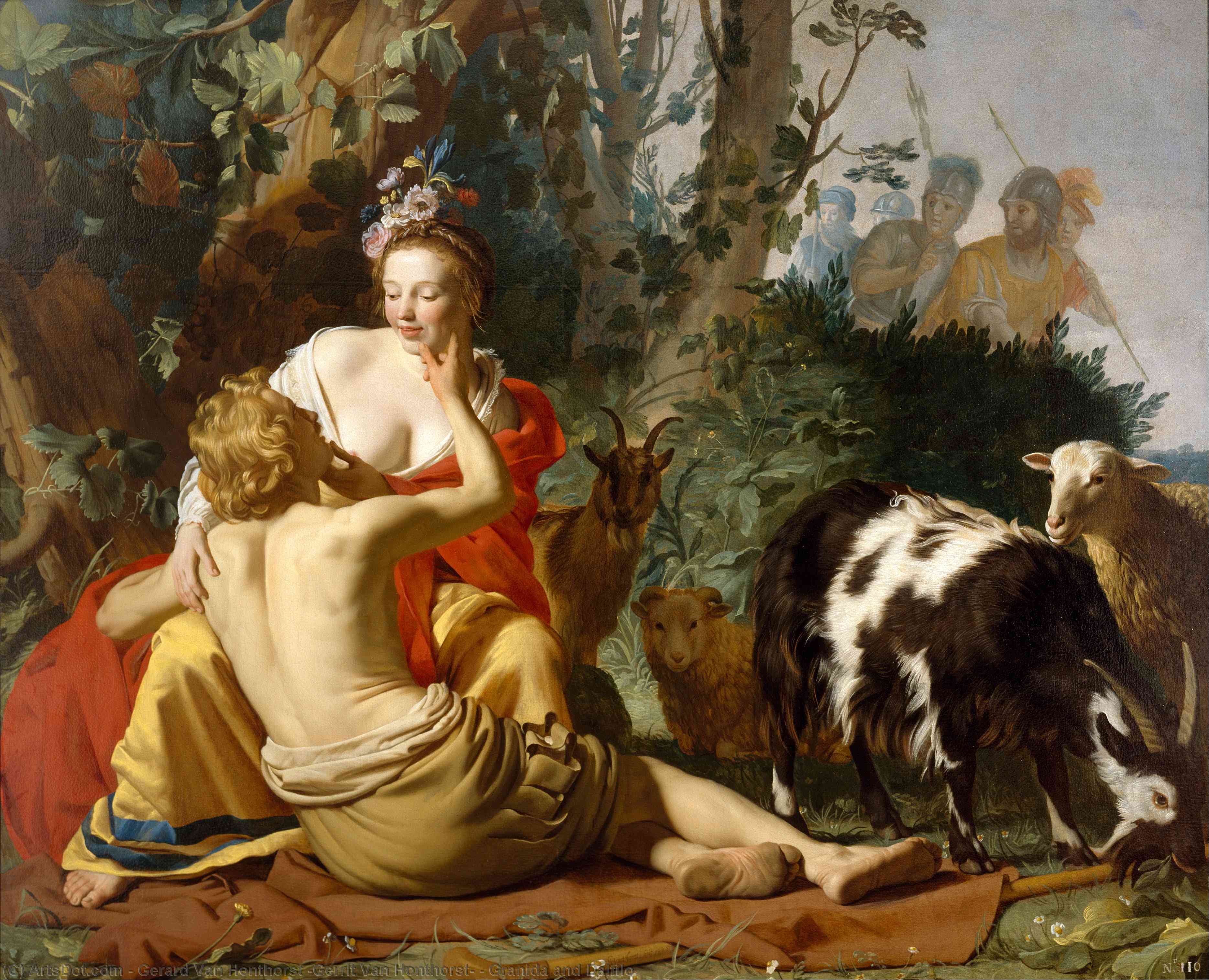
Granida and Daifilo
 Oil On Canvas
- WallArt
- Baroque Painting
 1625
1625 145.0 x 179.0 cm
 Centraal Museum
 Ver más
Giclée / Impresión de arte
Impresión giclée o en lienzo de calidad de museo con producción rápida y opciones de acabado flexibles.




P118B $10

P118H $10

P118W $10

P438Z $10

P508JH $12

P508YH $12

P805H $10

P805Z $10

P919BZ $10

P919G $10

P919XJ $10

P959ZH $10

P968JZ $12

W106C $8

W218G $10

W218JH $8

W218Y $10

W307PJ $10

W316G $10

W316PJ $8

W316Y $10

W398PJ $8

W4111J $10

W500HY $15

W500JH $15

W692G $12

W849H $8

W940BG $15

W953PJ $8




Elija entre nuestros tamaños predefinidos que respetan las proporciones originales de la obra.

Puede introducir sus propias dimensiones para adaptarse a un marco o espacio específico. Si el tamaño seleccionado no coincide con las proporciones de la imagen original, recortaremos la obra de arte o extenderemos la imagen con un borde con efecto espejo o de color sólido. Se enviará una maqueta digital para su aprobación antes de que comience la producción.
Tenga en cuenta que la vista previa en pantalla no refleja el recorte o la extensión real. Solo la maqueta mostrará con precisión la composición final.
Aunque existen tamaños personalizados, recomendamos seleccionar una dimensión de la lista predefinida para preservar las proporciones originales.
Entrega mundial () en 2 semanas en lugar de las 4/5 semanas estándar. (22 julio)

Envío exprés gratuito a todo el mundo

Lienzo de lino de alta calidad

Seguro de envío total

Garantía de reembolso de impuestos aduaneros

Garantía de fidelidad de color

Política de devolución de 60 días (solo por defectos)

Garantía de devolución del 100% del dinero

Descuento por pedido múltiple
 La opción de vidrio solo está disponible en tamaños inferiores a 110 cm.

Granida and Daifilo
Giclée / Impresión de arte
Tamaño de la reproducción
-


Precio total final
-
Descripción de la obra
A Dutch Master’s Nocturne: Unveiling “Granida and Daifilo” by Gerard van Honthorst
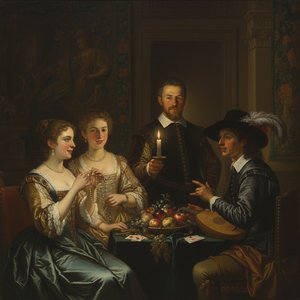
Gerard van Honthorst's "Granida and Daifilo," painted in 1625, is more than just a pastoral scene; it’s a meticulously crafted tableau of romance, intrigue, and the dramatic interplay of light and shadow that defined the artist’s signature style. This captivating work, now housed within the collections of esteemed institutions like the Rijksmuseum, offers a glimpse into the burgeoning artistic landscape of 17th-century Holland – a period marked by Caravaggio's profound influence and a fervent embrace of theatrical lighting.
The painting depicts a tender encounter between Granida, a princess from an Eastern kingdom, and Daifilo, a shepherd who has captured her heart. The narrative unfolds amidst a verdant woodland setting, populated with a cast of characters engaged in a delicate dance of courtship and potential conflict. A watchful soldier stands poised to apprehend Daifilo, hinting at the obstacles inherent in their love – a subtle tension that elevates the scene beyond simple idyllic beauty. The composition is remarkably balanced, drawing the eye through a carefully orchestrated arrangement of figures and elements, creating a sense of depth and inviting the viewer into this intimate world.
The Shadowed Light: Honthorst’s Caravaggistic Technique
Honthorst's mastery lies in his ability to evoke atmosphere through masterful manipulation of light. He was deeply influenced by Caravaggio, adopting his signature *tenebrism* – a dramatic contrast between intensely bright highlights and deep shadows. In “Granida and Daifilo,” this technique is particularly evident in the way the figures are illuminated, creating a sense of mystery and drawing attention to their faces and gestures. The dappled sunlight filtering through the trees casts an ethereal glow upon the scene, while pockets of darkness conceal details and heighten the drama.
The artist’s brushwork is remarkably loose and expressive, contributing to the painting's dynamic quality. Notice how he uses rapid, short strokes to define the foliage and create a sense of movement within the landscape. Furthermore, Honthorst skillfully employs color – rich greens, earthy browns, and subtle hints of red – to establish mood and enhance the overall visual impact. The use of warm tones in the foreground contrasts with the cooler shades in the background, creating a compelling depth of field.
A Courtly Tale: Context and Symbolism
“Granida and Daifilo” was commissioned by Stadholder Frederik Hendrik for his residence at Honselaerdijk as one of a series of pastoral paintings intended to adorn his lavish home. The play itself, written by Pieter Hooft, was immensely popular during the Dutch Golden Age, exploring themes of love, loyalty, and social upheaval. The painting’s subject matter – a forbidden romance between a princess and a shepherd – resonated deeply with audiences, reflecting broader anxieties about social hierarchies and the challenges faced by those who dared to defy convention.
Beyond its narrative content, the work is laden with symbolism. The soldier represents societal constraints and the potential for disruption within the established order. The setting itself—a lush woodland—evokes notions of freedom, escape, and the untamed wilderness. Even the sheep present in the scene can be interpreted as symbols of innocence and vulnerability. The inclusion of a bowl suggests hospitality and generosity – elements central to the pastoral ideal.
An Emotional Resonance: Beauty and Intrigue
“Granida and Daifilo” transcends its historical context, offering viewers an enduring sense of beauty and intrigue. The painting’s evocative lighting, dynamic composition, and compelling narrative combine to create a truly captivating experience. It's not merely a depiction of a romantic encounter; it’s a meditation on love, loss, and the delicate balance between desire and duty. The subtle tension within the scene—the impending arrest, the unspoken longing—keeps the viewer engaged long after they’ve turned away, prompting reflection on the complexities of human relationships and the enduring power of art to capture the essence of our emotions.
Reproductions of this masterpiece offer a remarkable opportunity to bring its atmospheric drama into any setting. Consider framing it in a manner that complements its rich palette and dramatic lighting—perhaps against a dark wall to enhance the effect of *tenebrism*, or within a room bathed in natural light to capture the painting’s luminous quality.
Biografía del artista
Primeros años y formación
Gerrit van Honthorst, un destacado pintor del Siglo de Oro neerlandés, nació el 4 de noviembre de 1590 en Utrecht, Países Bajos. Era hijo de un pintor decorativo y inicialmente se formó bajo la tutela de su padre. Posteriormente, continuó su educación artística con Abraham Bloemaert.Carrera e influencias
La carrera temprana de Van Honthorst incluyó una visita a Roma, donde fue fuertemente influenciado por el estilo de Caravaggio. Esta influencia es evidente en sus obras posteriores, particularmente en su uso de escenas iluminadas artificialmente, lo que le valió el apodo de "Gherardo delle Notti" o "Gerard de las noches". Tras su regreso a los Países Bajos, Van Honthorst se convirtió en un retratista líder.Patronazgo y encargos notables
El trabajo de Van Honthorst tuvo una gran demanda, con notables patronos que incluyen a Vincenzo Giustiniani, quien lo encargó para pintar "Cristo ante el sumo sacerdote", ahora alojado en la National Gallery de Londres. También trabajó para Cosimo II de' Medici, Gran Duque de Toscana, y fue un favorito entre la República Neerlandesa y en el extranjero.Legado y vida posterior
En 1620, Van Honthorst regresó a Utrecht, donde construyó una considerable reputación. Para 1623, el año de su matrimonio, se había convertido en presidente del gremio de San Lucas en Utrecht. Su éxito llevó a recomendaciones por parte de Sir Dudley Carleton para el Conde de Arundel y Lord Dorchester.Obras clave y colaboraciones
- "La toma de Cristo", una obra colaborativa inicialmente atribuida a Van Honthorst, ahora reconocida como obra de otro artista.
- "Cristo ante el sumo sacerdote", encargado por Vincenzo Giustiniani, muestra la habilidad de Van Honthorst para capturar escenas iluminadas artificialmente.
- Colaboraciones con otros artistas, como Peter Paul Rubens, demuestran su influencia en el estilo barroco flamenco.
Movimiento artístico y estilo
Van Honthorst formó parte del movimiento de los utrecht caravaggisti, caracterizado por su uso de una iluminación dramática y una profundidad emocional intensa. Su obra refleja la influencia del barroco italiano, al mismo tiempo que contribuye al desarrollo del Siglo de Oro neerlandés.
Gerard van Honthorst
1590 - 1656 , Países Bajos
Datos clave
- Artistas Influenciados:
- Rembrandt van Rijn
- Georges de la Tour
- Artistas Que Influyeron:
- Caravaggio
- Abraham Bloemaert
- Fecha De Nacimiento: 4 de noviembre de 1590
- Lugar De Nacimiento: Utrecht, Países Bajos
- Movimiento Artístico: Caravaggismo Utrechtano
- Nacionalidad: Neerlandés
- Nombre Completo: Gerard van Honthorst
- Obras Notables:
- Cristo ante el sumo sacerdote
- La toma de Cristo
- Escenas nocturnas iluminadas
Artículos relacionados
Las 25 Obras Maestras de Van Gogh: Un Viaje Emocional a Través del Arte
Descubre las 25 obras maestras de Van Gogh, desde 'La Noche Estrellada' hasta sus icónicos girasoles. Explora su vida, técnica impresionista y el profundo significado de cada cuadro. Reproducciones de arte de museo en OriginalUniqueArt.com.
Gerard van Honthorst: Illuminating the Dutch Golden Age with Caravaggism & Courtly Grace
Explore the captivating world of Gerard van Honthorst, a Dutch Golden Age master renowned for his dramatic chiaroscuro & courtly portraits. Discover his life, art, and lasting influence on Baroque painting.

Rembrandt van Rijn: Las 25 Obras Maestras que Definen un Genio | Arte, Historia y Decoración
Descubre las 25 obras maestras de Rembrandt van Rijn, el genio del barroco holandés. Explora su historia, técnica y simbolismo en retratos icónicos como 'La Ronda Nocturna'. Encuentra reproducciones de arte exclusivas para decorar tu hogar con OriginalUniqueArt.com.

Barroco Sublime: 10 Obras Maestras que Definieron una Época |
Descubre las 10 obras maestras del Barroco que marcaron una época. Caravaggio, Bernini y Velázquez cobran vida en . Reproducciones de arte de calidad museo para decorar tu hogar con elegancia. ¡Explora la colección online!

The Dramatic Flourish: Exploring the Baroque Movement's Enduring Legacy in Art History
Explore the dramatic world of Baroque art! Discover iconic artists like Caravaggio & Rubens, defining techniques, and its lasting impact on art history. Expert insights for collectors & enthusiasts at OriginalUniqueArt.