 Ver en contexto
 Enviar
 Compartir
 Detalles
 Guía
Guía

 Descargar
 Similares
 Radiografía
 Presentación de diapositivas
 Q&A
Q&A Estadísticas
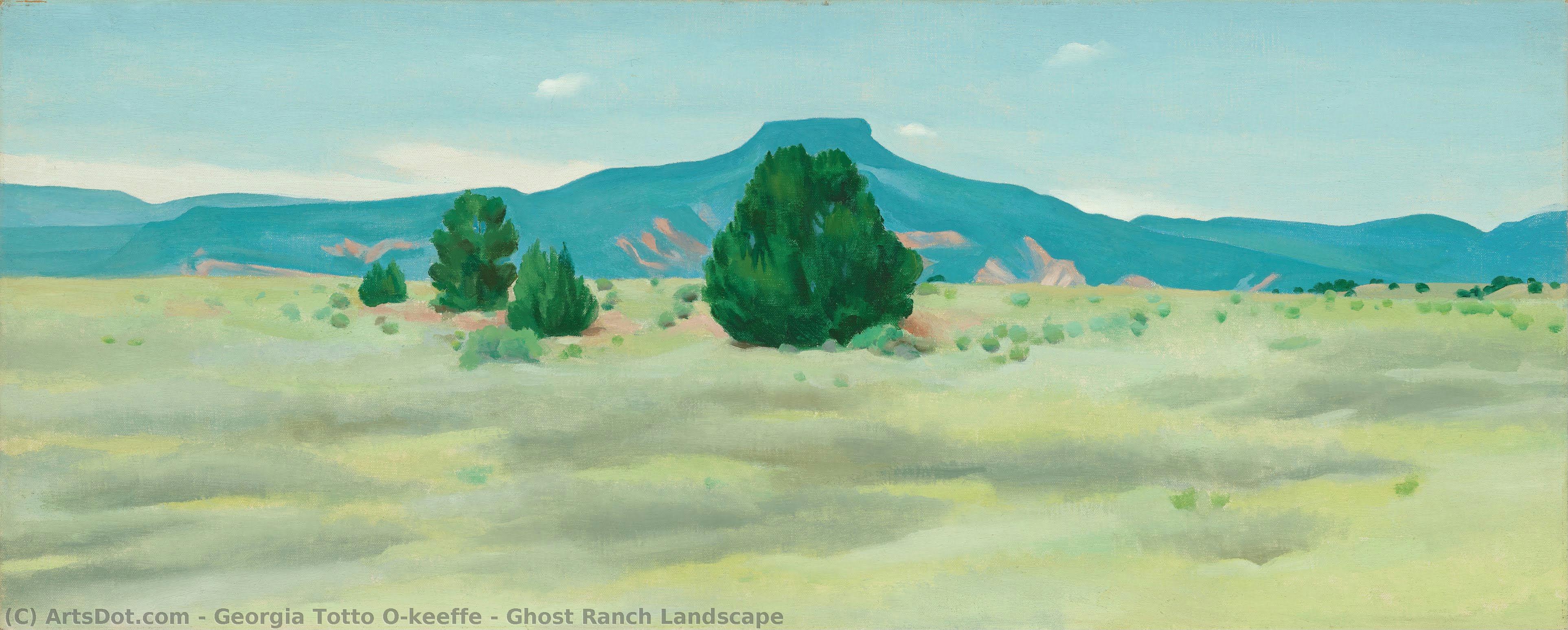
Ghost Ranch Landscape


 Ver más
La obra de arte que se muestra en esta página está protegida por las leyes de propiedad intelectual, lo que significa que no podemos crear ni vender legalmente una reproducción idéntica. Esta protección se hace cumplir en virtud de acuerdos internacionales como el Convenio de Berna y por las leyes nacionales, incluidas aquellas establecidas por el Ley de derechos de autor de los EE. UU. - Título 17.
Este método cumple plenamente con las normativas de derechos de autor, ya que no implica la copia ni la duplicación de la obra protegida. En su lugar, se trata de una reinterpretación creativa: una nueva pintura influenciada por la original, pero que no es idéntica a ella.
Giclée / Impresión de arte
Impresiones giclée o en lienzo de calidad de museo con producción rápida y opciones de acabado flexibles. ( Comprar pintura hecha a mano Cambiar a imagen digital)




P118B €10

P118H €10

P118W €10

P438Z €10

P508JH €12

P508YH €12

P805H €10

P805Z €10

P919BZ €10

P919G €10

P919XJ €10

P959ZH €10

P968JZ €12

W106C €8

W218G €10

W218JH €8

W218Y €10

W307PJ €10

W316G €10

W316PJ €8

W316Y €10

W398PJ €8

W4111J €10

W500HY €15

W500JH €15

W692G €12

W849H €8

W940BG €15

W953PJ €8




Elija entre nuestros tamaños predefinidos que respetan las proporciones originales de la obra.

Introduzca el ancho y el alto que necesite para adaptarse a su marco o pared. Una impresión solo puede recortarse, nunca hacerse más grande que la imagen original, por lo que un tamaño con una forma distinta perderá parte de la obra. Le enviaremos una maqueta digital para su aprobación antes de realizar cualquier impresión. La imagen que se muestra en esta página no refleja el recorte real; solo la maqueta lo hace.
Envío a todo el mundo () en 2 semanas en lugar de las 4/5 semanas estándar. (2 noviembre)

Envío exprés gratuito a todo el mundo

Lienzo de lino de alta calidad

Seguro de envío total

Garantía de reembolso de aranceles aduaneros

Garantía de fidelidad cromática exacta

Política de devolución de 100 días (solo por defectos)

Garantía de devolución del 100% del dinero

Descuento por cantidad
 La opción de vidrio solo está disponible en tamaños inferiores a 110 cm.

Ghost Ranch Landscape
Giclée / Impresión de arte
Dimensiones de la reproducción
-


Precio total final
€ 71
Georgia O’Keeffe's Ghost Ranch Landscape: A Meditation on Southwestern Silence
The painting “Ghost Ranch Landscape,” created in 1936 by Georgia O’Keeffe, transcends mere depiction; it embodies a profound stillness—a visual echo of the arid beauty and contemplative spirit of New Mexico. More than just capturing a vista, O’Keeffe transforms the rugged terrain into an emblem of resilience and inner peace, reflecting her own artistic philosophy rooted in simplification and observation.Subject Matter and Composition
At first glance, the landscape presents itself as deceptively serene. Dominating the lower half of the canvas is a relatively flat expanse punctuated by sparse shrubs and trees—primarily juniper bushes—that cling to the hillside. A single, mature tree stands prominently in the center, anchoring the composition and drawing the eye upwards towards Pedernal Peak, which rises majestically in the distance. This peak, a geological landmark significant to Pueblo culture and O’Keeffe herself, serves as a focal point for contemplation. The artist meticulously rendered the textures of the earth—the rough bark of the tree, the prickly foliage of the shrubs—creating an immersive experience for the viewer.Style and Technique: Minimalism Embodied
O’Keeffe's approach to painting exemplifies the tenets of American Modernism championed by artists like Arthur Wesley Dow. Rejecting academic realism, she prioritized conveying emotion through reductive forms and harmonious color palettes. The landscape is rendered in oil on canvas using a technique characterized by thick impasto—a layering of paint that builds up substantial texture—particularly around the tree trunk and branches. This tactile quality invites viewers to engage with the artwork physically, mirroring O’Keefe's desire to capture not just what she saw but how it *felt*. The color scheme is muted yet deliberate: earthy browns and ochres dominate, punctuated by subtle hints of violet and crimson—colors that evoke the hues of twilight and imbue the scene with an aura of melancholy beauty.Historical Context and Artistic Influences
Painted during O’Keeffe's formative years in New Mexico, “Ghost Ranch Landscape” reflects her growing fascination with Southwestern landscapes and Native American culture. Inspired by Dow’s teachings—specifically his emphasis on distilling visual experience into its essential elements—O’Keefe sought to distill the grandeur of the desert into a single, evocative image. The painting aligns itself with the broader modernist movement's rejection of traditional conventions and embrace of subjective expression. It anticipates O’Keeffe’s later explorations of abstraction, where she would further reduce forms and colors to convey pure emotion—a stylistic trajectory that cemented her legacy as one of America’s most influential artists.Symbolism: Resilience and Inner Reflection
Beyond its aesthetic qualities, “Ghost Ranch Landscape” carries symbolic weight. The tree represents strength and endurance—a visual metaphor for O’Keeffe's own unwavering determination to pursue her artistic vision despite obstacles. Pedernal Peak symbolizes permanence and spiritual contemplation—a reminder of the enduring beauty of the natural world and the importance of introspection. The overall stillness of the scene speaks to a deeper yearning for serenity and acceptance—themes that resonate powerfully with O’Keeffe's personal philosophy and contribute to the painting’s lasting emotional impact. It is a testament to O’Keefe’s ability to transform observation into profound artistic expression, capturing not just what she saw but what it meant to her soul.Preguntas y respuestas
¿Puedo usar la realidad aumentada para ver "Ghost Ranch Landscape" de Georgia O'Keeffe en mi habitación?
"Ghost Ranch Landscape" cuenta con una vista previa en realidad aumentada: la página de Vista previa en RA de la obra permite visualizarla en su propio espacio mediante un dispositivo compatible.
¿Qué paleta de colores utiliza "Ghost Ranch Landscape"?
Los colores de "Ghost Ranch Landscape" conforman una paleta Tonos neutros. Esta clasificación describe las familias de colores dominantes.
¿Cómo se combinan la técnica y el movimiento en "Ghost Ranch Landscape"?
"Ghost Ranch Landscape" está realizada en Óleo sobre lienzo, con el estilo Contemporary Realism.
Biografía del artista
Primeros años y formación (1887–1916)
Georgia Totto O’Keeffe, una figura fundamental del modernismo americano, nació el 15 de noviembre de 1887 en Sun Prairie, Wisconsin. Sus padres, Francis Calyxtus O'Keeffe e Ida (Totto) O'Keeffe, eran agricultores dedicados a la producción lechera de ascendencia irlandesa y húngara, respectivamente. A los diez años, Georgia ya había decidido convertirse en artista. Recibió instrucción artística de la acuarelista local Sara Mann y posteriormente asistió al Instituto de Arte de Chicago desde 1905 hasta 1906, donde estudió bajo John Vanderpoel. Su estilo único comenzó a desarrollarse durante sus estudios en la Universidad de Virginia.Carrera Artística (1917–1986)
En 1917, Alfred Stieglitz, un marchante de arte y fotógrafo, expuso las obras de O’Keeffe. Esto marcó el inicio de su carrera profesional. Se mudó a Nueva York en 1918 a petición de Stieglitz y comenzó a trabajar seriamente como artista. Su relación profesional floreció en una personal, lo que llevó a su matrimonio el 11 de diciembre de 1924. El arte abstracto de O’Keeffe, incluyendo los primeros planos de flores como Red Canna, fue frecuentemente interpretado como representaciones de vulvas, aunque ella negó consistentemente esta intención. Su trabajo también estuvo influenciado por su tiempo en el suroeste americano, lo que inspiró pinturas como Cow's Skull: Red, White, and Blue (1931) y Summer Days (1936).Influencias y Estilo
- Arthur Wesley Dow: O’Keeffe estudió con Arthur Wesley Dow, quien enfatizaba la importancia del diseño y la interpretación personal sobre la mera copia de la naturaleza. Este enfoque influyó profundamente en su estilo abstracto.
- Alfred Stieglitz: El apoyo y la promoción de Alfred Stieglitz fueron cruciales para el desarrollo y reconocimiento de O’Keeffe como artista.
- Impresionismo y Precisionismo: Aunque O'Keeffe se distanció de los movimientos artísticos tradicionales, su trabajo muestra influencias tanto del impresionismo en su uso del color como del precisionismo en su enfoque detallado y geométrico de las formas naturales.
Legado e Importancia Histórica
Tras la muerte de Stieglitz en 1946, O’Keeffe vivió en Nuevo México durante los siguientes 40 años. Su obra ha sido fundamental para definir el modernismo americano y su enfoque innovador de la abstracción y la representación de la naturaleza ha inspirado a generaciones de artistas. En 2014, su pintura Jimson Weed/White Flower No. 1 se vendió por $44,405,000, estableciendo un récord para el precio más alto pagado por una obra de arte de una artista femenina. Su legado continúa siendo celebrado en todo el mundo a través del Museo Georgia O’Keeffe y numerosas exposiciones.Obras Destacadas
- Red Canna (1924): Una vibrante representación abstracta de una flor, que generó controversia por su posible interpretación erótica.
- Cow's Skull: Red, White, and Blue (1931): Un ejemplo icónico de su trabajo inspirado en el paisaje del suroeste americano.
- Summer Days (1936): Una pintura que captura la atmósfera y los colores del verano en Nuevo México.
- Jimson Weed/White Flower No. 1 (1932): Una obra maestra que muestra una flor con un fondo abstracto, destacando su habilidad para combinar formas naturales y abstracción.

Georgia O'Keeffe
1887 - 1986 , Estados Unidos de América
Datos clave
- Artistas Que Influyeron: ['Alfred Stieglitz']
- Fecha De Fallecimiento: 6 de marzo de 1986
- Fecha De Nacimiento: 15 de noviembre de 1887
- Lugar De Nacimiento: Sun Prairie, Estados Unidos
- Movimiento Artístico: Modernismo americano
- Nacionalidad: Estadounidense
- Nombre Completo: Georgia O’Keeffe
- Obras Notables:
- Luz de Iris
- Orquídeas Orientales
- Azul y Verde Música
- Sol Pálido
- Cráneo de Vaca Roja
- Música, Rosa y Azul No. 2
- Abstracción azul
- La Cabeza de Toro
- Onda azul maine
Artículos relacionados

Paisajes Románticos: 10 Obras Maestras que Definieron un Movimiento Artístico
Descubre los 10 paisajes románticos más influyentes de artistas como Caspar David Friedrich y Turner. Explora la belleza, el simbolismo y las técnicas del movimiento romántico. Reproducciones de arte exclusivas en OriginalUniqueArt.com.

Evocations of Place: A Historical Journey Through Landscape Art
Explore the rich history of landscape art with OriginalUniqueArt. Discover renowned artists, movements like Impressionism & tonalism, and expert guidance for collecting timeless pieces. Find your perfect serene escape today!

Las 25 mejores obras de John Constable: Un viaje al corazón del paisaje inglés
Descubre las 25 obras maestras de John Constable y su alma romántica. Explora la colección completa en OriginalUniqueArt.com.

Georgia O'Keeffe: Redefining Modernism Through Symbolism & the American Landscape
Explore the captivating world of Georgia O'Keeffe! Discover her groundbreaking flower paintings, New Mexico landscapes & lasting impact on American Modernism. Expert analysis and insights.

Evocations of Place: A Historical Journey Through Landscape Art
Explore the rich history of landscape art with OriginalUniqueArt. Discover renowned artists, movements like Impressionism & Romanticism, and expert guidance for collecting timeless pieces. Find your perfect serene escape today!