Ver en contexto
 Enviar
 Compartir
 Detalles
 Guía
Guía

 Descargar
 Similares
 Radiografía
 Presentación de diapositivas
 Preguntas y respuestas
 Estadísticas
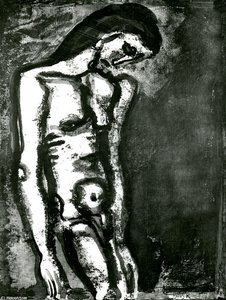
Odalisque


 Ver más
La obra de arte que se muestra en esta página está protegida por las leyes de propiedad intelectual, lo que significa que no podemos crear ni vender legalmente una reproducción idéntica. Esta protección se hace cumplir en virtud de acuerdos internacionales como el Convenio de Berna y por las leyes nacionales, incluidas aquellas establecidas por el Ley de derechos de autor de los EE. UU. - Título 17.
Este método cumple plenamente con las normativas de derechos de autor, ya que no implica la copia ni la duplicación de la obra protegida. En su lugar, se trata de una reinterpretación creativa: una nueva pintura influenciada por la original, pero que no es idéntica a ella.
Giclée / Impresión de arte
Impresiones giclée o en lienzo de calidad de museo con producción rápida y opciones de acabado flexibles. ( Comprar pintura hecha a mano Cambiar a imagen digital)




P118B €10

P118H €10

P118W €10

P438Z €10

P508JH €12

P508YH €12

P805H €10

P805Z €10

P919BZ €10

P919G €10

P919XJ €10

P959ZH €10

P968JZ €12

W106C €8

W218G €10

W218JH €8

W218Y €10

W307PJ €10

W316G €10

W316PJ €8

W316Y €10

W398PJ €8

W4111J €10

W500HY €15

W500JH €15

W692G €12

W849H €8

W940BG €15

W953PJ €8




Elija entre nuestros tamaños predefinidos que respetan las proporciones originales de la obra.

Introduzca el ancho y el alto que necesite para adaptarse a su marco o pared. Una impresión solo puede recortarse, nunca hacerse más grande que la imagen original, por lo que un tamaño con una forma distinta perderá parte de la obra. Le enviaremos una maqueta digital para su aprobación antes de realizar cualquier impresión. La imagen que se muestra en esta página no refleja el recorte real; solo la maqueta lo hace.
Envío a todo el mundo () en 2 semanas en lugar de las 4/5 semanas estándar. (7 noviembre)

Envío exprés gratuito a todo el mundo

Lienzo de lino de alta calidad

Seguro de envío total

Garantía de reembolso de aranceles aduaneros

Garantía de fidelidad cromática exacta

Política de devolución de 100 días (solo por defectos)

Garantía de devolución del 100% del dinero

Descuento por cantidad
 La opción de vidrio solo está disponible en tamaños inferiores a 110 cm.

Odalisque
Giclée / Impresión de arte
Dimensiones de la reproducción
-


Precio total final
€ 72
Odalisque: A Window into Rouault’s Soul
Georges Rouault's "Odalisque" isn’t merely a depiction of a reclining woman; it’s a profound meditation on isolation, spirituality, and the human condition. Painted in 1906, this work exemplifies Rouault’s unique artistic vision – a stark departure from the polished surfaces of Impressionism and Fauvism, instead embracing a raw, emotionally charged realism that would later influence Expressionist movements. The painting immediately draws the viewer into a space of quiet contemplation, dominated by a palette of deep blues, blacks, and grays punctuated by flashes of red and orange – colors deliberately chosen to evoke both melancholy and a sense of hidden intensity.
Rouault’s technical mastery is evident in every brushstroke. He employs thick, deliberate lines that define the figure's form with an almost sculptural quality. These aren’t delicate lines; they possess a palpable energy, conveying a deep sense of emotional turmoil. The layering and blending of paint create areas of rich texture – visible brushstrokes suggest a surface that is both solid and vulnerable. The use of light is dramatic, casting strong shadows that obscure parts of the scene while highlighting others, contributing to the overall atmosphere of mystery and introspection. Notice how the flattened perspective, absent of traditional depth cues, forces the viewer into an almost claustrophobic relationship with the subject, mirroring perhaps the feeling of confinement often associated with isolation.
Echoes of Ingres and a Spiritual Quest
Rouault’s artistic lineage is complex and fascinating. While he was influenced by the bold color palettes and expressive lines of artists like Vincent van Gogh, his roots lie firmly in the tradition of French academic painting, particularly the work of Jean-Auguste-Dominique Ingres. “Odalisque” shares a kinship with Ingres’s own iconic "Grande Odalisque," though Rouault's interpretation is far more psychologically complex. Just as Ingres used elongated proportions to convey sensuality and beauty, Rouault employs distortion to expose the vulnerability and perhaps even despair of his subject. The influence of Mannerist painters like Parmigianino – known for their distorted figures – can be seen in the exaggerated features and unsettling gaze of the odalisque.
However, “Odalisque” transcends mere imitation. Rouault’s personal journey—a devout Catholic seeking solace and meaning amidst the hardships of Parisian life—is deeply embedded within the painting's symbolism. The obscured figures in the background could represent voyeurism or a sense of being watched, reflecting perhaps the anxieties of modern urban existence. The overall mood is undeniably melancholic, yet there’s also an undeniable strength in the odalisque’s posture – a quiet resilience that speaks to the enduring human spirit.
A Masterpiece of Emotional Resonance
“Odalisque” isn't simply a beautiful painting; it’s a powerful emotional experience. Rouault’s ability to capture the essence of human vulnerability and isolation is remarkable, making this work a timeless masterpiece. Its dark palette, distorted forms, and evocative lighting combine to create an atmosphere that is both unsettling and profoundly moving. The painting invites viewers to confront uncomfortable truths about themselves and the world around them – themes that resonate deeply with the viewer long after initial observation.
This reproduction captures Rouault’s vision with exceptional detail, allowing you to experience the full impact of this iconic artwork. It's a perfect addition to any art collection or a striking focal point for interior design, bringing a touch of emotional depth and artistic sophistication to your space.
Preguntas y respuestas
¿Dónde puedo comprar reproducciones pintadas a mano de "Odalisque" de Georges Rouault?
Puede solicitar una reproducción pintada a mano de "Odalisque" de Georges Rouault directamente en su página de Reproducción al óleo pintada a mano: una reproducción al óleo pintada a mano sobre lienzo de lino, realizada bajo pedido.
¿Es "Odalisque" de dominio público?
En cuanto a los derechos de autor, "Odalisque" es aún protegido por derechos de autor.
¿Quién es el autor de "Odalisque"?
"Odalisque" fue creada por Georges Rouault. La información en esta página describe la obra original de Georges Rouault.
Biografía del artista
Primeros años y formación
Georges Henri Rouault, un pintor, dibujante e impresor francés, nació en París el 27 de mayo de 1871, en una familia humilde. Su madre fomentó su amor por las artes, y a los 14 años comenzó un aprendizaje como vidrieros y restaurador, que duró hasta 1890. Esta experiencia temprana probablemente influyó en su estilo pictórico maduro, caracterizado por el contorneado negro intenso y los colores brillantes, reminiscente del vidrio emplomado.Trayectoria artística
Durante su aprendizaje, Rouault asistió a clases nocturnas en la Escuela de Bellas Artes y posteriormente ingresó en la École des Beaux-Arts en 1891, donde estudió bajo Gustave Moreau. Los primeros trabajos de Rouault muestran un simbolismo en el uso del color, reflejando la influencia de Moreau. Tras la muerte de Moreau en 1898, Rouault fue nombrado curador del Museo Moreau en París.Fauvismo y Expresionismo
Rouault conoció a artistas notables como Henri Matisse, Albert Marquet, Henri Manguin y Charles Camoin, lo que le llevó al movimiento fauvista, con Matisse como su líder. Su uso de contrastes marcados y emotividad estuvo influenciado por Vincent van Gogh. Sus caracterizaciones de personalidades grotescas exageradas inspiraron a los pintores expresionistas.Obras destacadas y exposiciones
- En 1891, Rouault pintó *El camino del Calvario*.
- A partir de 1895, participó en importantes exhibiciones públicas, incluido el Salon d'Automne, que ayudó a fundar.
- En 1907, Rouault comenzó una serie de pinturas dedicadas a cortes, payasos y prostitutas, interpretadas como crítica moral y social.
Post-Impresionismo y Legado
Georges Rouault se dedicó a la pintura desde 1917, con la fe cristiana informando su obra. Creó diseños para el ballet *El hijo pródigo* de Diaghilev en 1929. En 1930, comenzó a exponer en países extranjeros, principalmente en Londres, Nueva York y Chicago. Rouault murió en París el 13 de febrero de 1958, dejando atrás un legado como uno de los artistas cristianos más apasionados del siglo XX. Importante: Al final de su vida, Rouault quemó 300 de sus cuadros, estimados en más de quinientos millones de francos hoy en día.
Georges Rouault
1871 - 1958 , Francia
Datos clave
- Artistas Que Influyeron:
- Gustave Moreau
- Vincent van Gogh
- Fecha De Fallecimiento: 13 de febrero de 1958
- Fecha De Nacimiento: 27 de mayo de 1871
- Influenciado Artistas: ['Expresionistas']
- Lugar De Nacimiento: París, Francia
- Movimiento Artístico: Expresionismo, Fauvismo
- Nacionalidad: Francesa
- Nombre Completo: Georges Rouault
- Obras Notables:
- El camino a Calvario
- Retratos de cortesanos
Artículos relacionados
Fauvismo: 10 Obras Maestras que Revolucionaron la Pintura |
Descubre las 10 obras maestras del Fauvismo con Matisse, Derain y Vlaminck. Explora la historia, el color y la audacia de este movimiento artístico revolucionario. Reproducciones de arte exclusivas en .

Maestría Cubista: Las 25 mejores obras de Georges Braque
Explora las 25 obras maestras de Georges Braque y el cubismo. Encuentra reproducciones de museo en OriginalUniqueArt.com.

La Mirada Fascinante: Orientalismo en el Arte del Siglo XIX – Representación, Recepción y Construcción de 'Oriente'
Explora el fascinante mundo del orientalismo en el arte del siglo XIX. Análisis profundo de su historia, representaciones artísticas y crítica cultural con Edward Said. Descubre cómo se construyó 'Oriente' en el imaginario occidental.

Georges Seurat: Las 25 Obras Maestras del Pionero Puntillista | OriginalUniqueArt
Descubre las 25 obras maestras de Georges Seurat, el innovador del puntillismo. Explora su técnica única, colores vibrantes y legado artístico en OriginalUniqueArt.com. Reproducciones de arte de museo para tu hogar.
Fauvismo Expresionista: 10 Obras Maestras que Transformaron el Arte | OriginalUniqueArt
Descubre las 10 obras maestras del fauvismo que revolucionaron el arte. Explora la pasión, el color y la expresión de Matisse, Derain y más. Reproducciones de alta calidad en OriginalUniqueArt.com.