

 Ver en contexto
 Enviar
 Compartir
 Detalles
 Guía
Guía

 Descargar
 Similares
 Radiografía
 Presentación de diapositivas
 Estadísticas
Jésus in the suburb

 Ver más
La obra de arte que se muestra en esta página está protegida por las leyes de propiedad intelectual, lo que significa que no podemos crear ni vender legalmente una reproducción idéntica. Esta protección se hace cumplir en virtud de acuerdos internacionales como el Convenio de Berna y por las leyes nacionales, incluidas aquellas establecidas por el Ley de derechos de autor de los EE. UU. - Título 17.
Este método cumple plenamente con las normativas de derechos de autor, ya que no implica la copia ni la duplicación de la obra protegida. En su lugar, se trata de una reinterpretación creativa: una nueva pintura influenciada por la original, pero que no es idéntica a ella.
Giclée / Impresión de arte
Impresiones giclée o en lienzo de calidad de museo con producción rápida y opciones de acabado flexibles. ( Comprar pintura hecha a mano Cambiar a imagen digital)




P118B €10

P118H €10

P118W €10

P438Z €10

P508JH €12

P508YH €12

P805H €10

P805Z €10

P919BZ €10

P919G €10

P919XJ €10

P959ZH €10

P968JZ €12

W106C €8

W218G €10

W218JH €8

W218Y €10

W307PJ €10

W316G €10

W316PJ €8

W316Y €10

W398PJ €8

W4111J €10

W500HY €15

W500JH €15

W692G €12

W849H €8

W940BG €15

W953PJ €8




Elija entre nuestros tamaños predefinidos que respetan las proporciones originales de la obra.

Introduzca el ancho y el alto que necesite para adaptarse a su marco o pared. Una impresión solo puede recortarse, nunca hacerse más grande que la imagen original, por lo que un tamaño con una forma distinta perderá parte de la obra. Le enviaremos una maqueta digital para su aprobación antes de realizar cualquier impresión. La imagen que se muestra en esta página no refleja el recorte real; solo la maqueta lo hace.
Envío a todo el mundo () en 2 semanas en lugar de las 4/5 semanas estándar. (27 octubre)

Envío exprés gratuito a todo el mundo

Lienzo de lino de alta calidad

Seguro de envío total

Garantía de reembolso de aranceles aduaneros

Garantía de fidelidad cromática exacta

Política de devolución de 100 días (solo por defectos)

Garantía de devolución del 100% del dinero

Descuento por cantidad
 La opción de vidrio solo está disponible en tamaños inferiores a 110 cm.

Jésus in the suburb
Giclée / Impresión de arte
Dimensiones de la reproducción
-


Precio total final
€ 70
Georges Rouault’s “Jésus in the suburb”: A Meditation on Suffering and Light
The painting "Jésus in the suburb" by Georges Rouault isn't merely an image; it’s a visceral experience—a journey into the heart of Expressionist conviction. Created around 1930, during a period marked by profound social anxieties and spiritual disillusionment following the Great Depression, this artwork transcends simple representation to deliver a powerful statement about faith amidst despair. Rouault's artistic trajectory began in humble circumstances – his family’s refuge in a cellar during the Siege of Paris—a formative experience that instilled within him an unwavering compassion for humanity’s vulnerable moments. This early influence permeated his entire artistic vision, shaping his distinctive style and thematic preoccupations.- Style & Technique: Rouault's signature technique is characterized by bold contours framing luminous color fields—a deliberate homage to medieval stained glass windows. He employed a layered approach using oil paint on canvas, applying thick impasto in certain areas to convey texture and immediacy. Visible brushstrokes aren’t merely accidental; they are integral to the artist’s intention to communicate emotional intensity directly to the viewer.
- Historical Context: The painting emerged from the turbulent backdrop of the 1930s, a time when Europe wrestled with economic hardship and existential uncertainty. Rouault's artistic response mirrored the broader cultural preoccupation with confronting suffering—a reaction against the perceived emptiness of rational optimism.
Composition & Color Palette: Darkness Embraced by Fleeting Radiance
The composition is strikingly simple yet profoundly effective. A central perspective guides the eye along a receding road, flanked by buildings rendered in muted browns and greys—a deliberate choice to convey the bleakness of urban poverty. Dominating the upper portion of the frame is a large moon, positioned against a dark sky, serving as a beacon of hope amidst pervasive gloom. Rouault’s masterful use of color reinforces this duality; while predominantly dark hues dominate the scene, splashes of crimson—perhaps symbolizing divine compassion—punctuate the darkness, creating a dynamic interplay between light and shadow.- Symbolism: The moon itself embodies spiritual illumination—a reminder that even in darkest times, faith persists. Rouault’s figures are depicted with solemn expressions, conveying vulnerability and sorrow—reflecting the artist's empathy for those burdened by hardship.
Emotional Impact & Artistic Legacy
“Jésus in the suburb” isn’t designed to elicit comfortable contemplation; rather, it compels viewers to confront uncomfortable truths about human suffering and spiritual longing. Rouault’s artistic legacy extends far beyond stylistic innovation—he championed a humanist ethos rooted in compassion for the marginalized and vulnerable. His unwavering commitment to portraying the realities of poverty and despair continues to inspire artists today, cementing his place as one of the foremost Expressionist voices of the 20th century.- Interior Design Considerations: Reproductions of Rouault’s work can inject a contemplative mood into interior spaces—particularly those featuring muted palettes and dramatic lighting. Consider framing “Jésus in the suburb” alongside pieces that explore themes of faith, resilience, and human compassion.
Concluding Thoughts: A Testament to Artistic Integrity
Ultimately, Rouault’s "Jésus in the suburb" stands as a testament to artistic integrity—a refusal to compromise on emotional honesty in pursuit of aesthetic beauty. It remains an enduring symbol of Expressionist conviction and a poignant reminder that art can serve as a conduit for confronting profound moral questions.Preguntas y respuestas
¿Con qué otros nombres o alias se conoce a Georges Rouault?
Georges Rouault también es conocido como Jorge Rouault.
¿Para qué uso se recomienda una impresión de "Jésus in the suburb"?
El uso sugerido para "Jésus in the suburb" de Georges Rouault es Mood. También puede utilizarse con otros fines.
¿Cuál es el formato de "Jésus in the suburb"?
El formato de "Jésus in the suburb" es Portrait, un dato útil para planificar la ubicación de una reproducción.
Biografía del artista
Primeros años y formación
Georges Henri Rouault, un pintor, dibujante e impresor francés, nació en París el 27 de mayo de 1871, en una familia humilde. Su madre fomentó su amor por las artes, y a los 14 años comenzó un aprendizaje como vidrieros y restaurador, que duró hasta 1890. Esta experiencia temprana probablemente influyó en su estilo pictórico maduro, caracterizado por el contorneado negro intenso y los colores brillantes, reminiscente del vidrio emplomado.Trayectoria artística
Durante su aprendizaje, Rouault asistió a clases nocturnas en la Escuela de Bellas Artes y posteriormente ingresó en la École des Beaux-Arts en 1891, donde estudió bajo Gustave Moreau. Los primeros trabajos de Rouault muestran un simbolismo en el uso del color, reflejando la influencia de Moreau. Tras la muerte de Moreau en 1898, Rouault fue nombrado curador del Museo Moreau en París.Fauvismo y Expresionismo
Rouault conoció a artistas notables como Henri Matisse, Albert Marquet, Henri Manguin y Charles Camoin, lo que le llevó al movimiento fauvista, con Matisse como su líder. Su uso de contrastes marcados y emotividad estuvo influenciado por Vincent van Gogh. Sus caracterizaciones de personalidades grotescas exageradas inspiraron a los pintores expresionistas.Obras destacadas y exposiciones
- En 1891, Rouault pintó *El camino del Calvario*.
- A partir de 1895, participó en importantes exhibiciones públicas, incluido el Salon d'Automne, que ayudó a fundar.
- En 1907, Rouault comenzó una serie de pinturas dedicadas a cortes, payasos y prostitutas, interpretadas como crítica moral y social.
Post-Impresionismo y Legado
Georges Rouault se dedicó a la pintura desde 1917, con la fe cristiana informando su obra. Creó diseños para el ballet *El hijo pródigo* de Diaghilev en 1929. En 1930, comenzó a exponer en países extranjeros, principalmente en Londres, Nueva York y Chicago. Rouault murió en París el 13 de febrero de 1958, dejando atrás un legado como uno de los artistas cristianos más apasionados del siglo XX. Importante: Al final de su vida, Rouault quemó 300 de sus cuadros, estimados en más de quinientos millones de francos hoy en día.
Georges Rouault
1871 - 1958 , Francia
Datos clave
- Artistas Que Influyeron:
- Gustave Moreau
- Vincent van Gogh
- Fecha De Fallecimiento: 13 de febrero de 1958
- Fecha De Nacimiento: 27 de mayo de 1871
- Influenciado Artistas: ['Expresionistas']
- Lugar De Nacimiento: París, Francia
- Movimiento Artístico: Expresionismo, Fauvismo
- Nacionalidad: Francesa
- Nombre Completo: Georges Rouault
- Obras Notables:
- El camino a Calvario
- Retratos de cortesanos
Artículos relacionados

Georges Seurat: Las 25 Obras Maestras del Pionero Puntillista | OriginalUniqueArt
Descubre las 25 obras maestras de Georges Seurat, el innovador del puntillismo. Explora su técnica única, colores vibrantes y legado artístico en OriginalUniqueArt.com. Reproducciones de arte de museo para tu hogar.
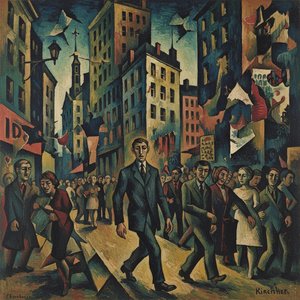
Ernst Ludwig Kirchner: Expressionism's Urban Anxiety & the Fragmentation of Modern Identity
Explore the powerful world of Ernst Ludwig Kirchner and German Expressionism. Discover his iconic paintings, Die Brücke group, and the movement's exploration of urban anxiety & modern identity. Expert analysis for collectors & enthusiasts.

Saint George in Art: A Scholarly Exploration of Iconic Masterpieces and Eternal Legends
Delve into the profound legacy of Saint George through art history. Explore iconic masterpieces by Raphael and Dürer, decoding the iconography of the dragon legend. Discover scholarly insights and bring these timeless tales to life with our museum-quality, hand-painted oil reproductions.

Georges Braque: Las 25 Obras Maestras del Cubismo y su Legado en el Arte Moderno
Descubre las 25 obras maestras de Georges Braque, pionero del cubismo. Explora su innovadora técnica, colores y el legado del arte moderno francés. Reproducciones de alta calidad en OriginalUniqueArt.com. ¡Encuentra tu inspiración!
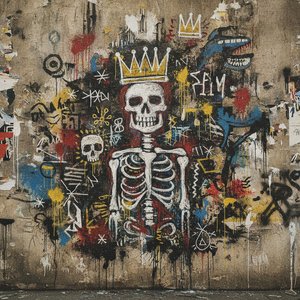
Basquiat and Raw Pop: The High-Energy Rebellion of Neo-Expressionism and the Legacy of Urban Street Art
Explore the raw energy of Jean-Michel Basquiat and the Neo-Expressionist movement. Discover how urban rebellion and SAMO© transformed 1980s New York art history through deep academic insight and visual analysis.


