Vista previa
 Compartir
 Compartir
 Ver detalles

 Descargar
 Ver similares
 Radiografía
 Presentación de diapositivas
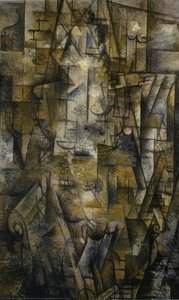
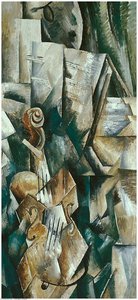
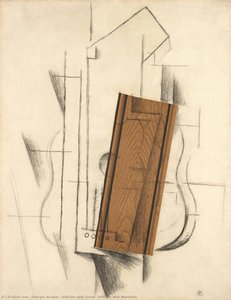
Violin and Clarinet on a Table
 Oil On Canvas
- WallArt
- Cubist Analytical
 1912
1912- Modern
 55.0 x 43.0 cm
 Leer más
Giclée / Impresión de arte
Impresiones giclée o en lienzo de calidad de museo con producción rápida y opciones de acabado flexibles. ( Cambiar a pintura hecha a mano Cambiar a imagen)




P118B $10

P118H $10

P118W $10

P438Z $10

P508JH $12

P508YH $12

P805H $10

P805Z $10

P919BZ $10

P919G $10

P919XJ $10

P959ZH $10

P968JZ $12

W106C $8

W218G $10

W218JH $8

W218Y $10

W307PJ $10

W316G $10

W316PJ $8

W316Y $10

W398PJ $8

W4111J $10

W500HY $15

W500JH $15

W692G $12

W849H $8

W940BG $15

W953PJ $8




Elija entre nuestros tamaños predefinidos que respetan las proporciones originales de la obra.

Puede introducir sus propias dimensiones para adaptarse a un marco o espacio específico. Si el tamaño seleccionado no coincide con las proporciones de la imagen original, recortaremos la obra de arte o extenderemos la imagen con un borde con efecto espejo o de color sólido. Se enviará una maqueta digital para su aprobación antes de que comience la producción.
Tenga en cuenta que la vista previa en pantalla no refleja el recorte o la extensión real. Solo la maqueta mostrará con precisión la composición final.
Aunque existen tamaños personalizados, recomendamos seleccionar una dimensión de la lista predefinida para preservar las proporciones originales.
Envío a todo el mundo () en 2 semanas en lugar de las 4/5 semanas estándar. (11 agosto)

Envío exprés gratuito a todo el mundo

Lienzo de lino de alta calidad

Seguro de envío completo

Garantía de reembolso de aranceles aduaneros

Garantía de fidelidad cromática exacta

Política de devolución de 60 días (solo por defectos)

Garantía de devolución del 100% del dinero

Oferta por volumen
 La opción de vidrio solo está disponible en tamaños inferiores a 110 cm.

Violin and Clarinet on a Table
Giclée / Impresión de arte
Tamaño de la reproducción
-


Precio total
$ 80
Descripción de la pieza
Georges Braque's Intimate Portrait of Musicality
This meticulously rendered black and white artwork, "Violin and Clarinet on a Table," offers a captivating glimpse into the world of early 20th-century artistic experimentation through the lens of Georges Braque. Executed in 1912, during a pivotal period in his career – a time when he was actively dismantling traditional representation to pave the way for Cubism – the painting transcends a simple still life; it’s a carefully constructed meditation on form, space, and human presence.
- Subject Matter: The scene is dominated by the instruments themselves – a violin and clarinet – positioned with deliberate attention to their geometric shapes. Their placement isn't accidental; Braque was intensely interested in exploring how objects could be depicted from multiple viewpoints simultaneously, challenging the viewer’s perception of depth and reality.
- Composition: The inclusion of three figures adds another layer of complexity. These individuals aren't merely background elements but contribute to the overall sense of a shared moment, perhaps a musical gathering or an intimate conversation. Their presence subtly introduces a narrative element, inviting speculation about their relationship to the instruments and each other.
- Technical Execution: Braque’s masterful use of monochrome enhances the painting's starkness and emphasizes the formal qualities of the objects. The meticulous detail in rendering the textures of the wood, the metal, and the fabrics suggests a return to the craftsmanship he learned from his father, now applied with a radically new artistic vision.
A Window into Cubist Thought
“Violin and Clarinet on a Table” is inextricably linked to Braque’s development of Cubism. Around 1912, he was collaborating closely with Pablo Picasso, and their shared explorations led to the fragmentation of objects and the presentation of multiple perspectives within a single image. Notice how the violin and clarinet are broken down into geometric planes, anticipating the key characteristics of Cubist painting. This isn’t simply a depiction of instruments; it's an intellectual exercise in deconstructing and reconstructing visual reality.
- Influence of Paul Cézanne: Braque was deeply influenced by the work of Paul Cézanne, particularly his emphasis on geometric forms and his exploration of space through simplified shapes. Cézanne’s impact is evident in Braque's careful attention to structure and his use of overlapping planes.
- Departure from Impressionism: This painting represents a decisive break with the Impressionist movement, which focused on capturing fleeting moments of light and color. Braque sought instead to create a more enduring representation of objects through formal analysis and geometric abstraction.
Symbolic Resonance and Emotional Impact
Beyond its purely formal qualities, “Violin and Clarinet on a Table” possesses a subtle emotional resonance. The instruments themselves are traditionally associated with music, passion, and creativity – themes that were central to the artistic spirit of the early 20th century. The presence of the figures suggests a sense of contemplation, perhaps even melancholy, inviting viewers to reflect on the nature of art, beauty, and human experience.
- The Clocks: The inclusion of two clocks adds another layer of meaning, potentially symbolizing the passage of time or the fleeting nature of artistic inspiration.
- Mood & Atmosphere: The monochromatic palette contributes to a sense of quiet introspection and formality, creating an atmosphere that is both contemplative and slightly enigmatic.
A Valuable Reproduction – A Timeless Masterpiece
This hand-painted reproduction captures the essence of Braque’s groundbreaking work with exceptional fidelity. Executed on high-quality canvas using traditional techniques, this artwork offers a stunning addition to any art collection or interior space. Its timeless appeal and intellectual depth make it a compelling choice for discerning collectors and design enthusiasts alike. The dimensions of 55 x 43 cm offer versatility for display in various settings – from formal living rooms to contemporary studios.
Biografía del artista
**vida temprana y formación**
georges braque, un destacado pintor francés, collageador, dibujante, grabador y escultor, nació el 13 de mayo de 1882 en Argelo, Val-d'Oise. Creció en Le Havre y inicialmente se formó para ser pintor de casas y decorador, como su padre y abuelo. Sin embargo, las inclinaciones artísticas de Braque lo llevaron a estudiar pintura en la École des Beaux-Arts en Le Havre de 1897 a 1899.**evolución artística y fauvismo**
En 1902, después de completar su aprendizaje con un decorador en París, Braque asistió a la Academia Humbert hasta 1904. Este período marcó su introducción al fauvismo, un estilo caracterizado por colores vibrantes y respuestas emocionales. Influenciado por las obras de henri matisse y andré derain, Braque adoptó un enfoque fauvista, como se ve en su pintura the patience (fauvismo, óleo sobre lienzo).**contribución al cubismo**
La colaboración de Braque con pablo picasso desde 1908 hasta 1912 llevó al desarrollo del cubismo. Sus obras cubistas analíticas, como georges braque: the patience y pablo picasso: clarinet(cubismo analítico, óleo sobre lienzo), se consideran hitos en la historia del arte.**legado y obras notables**
* Houses at l'Estaque: un testimonio del uso innovador de la geometría y la perspectiva simultánea de Braque. * The Patience(fauvismo, óleo sobre lienzo): demuestra el estilo fauvista de Braque. * Clarinet(cubismo analítico, óleo sobre lienzo): una obra cubista colaborativa con Picasso.**museos y colecciones**
* Musée d'Orsay: presenta una extensa colección de arte impresionista y postimpresionista, incluyendo obras de Braque. * Musée de l'Orangerie: exhibe una amplia gama de obras de arte, incluyendo las de Braque y otros artistas notables.- Descubra más sobre la vida y obra de Georges Braque en OriginalUniqueArt.com
- Explore la colección del Musée d'Orsay, que presenta obras de Braque y otros artistas, en Musée d'Orsay - Wikipedia
- Aprenda más sobre el fauvismo y su influencia en el desarrollo del cubismo con el movimiento artístico fauvista en OriginalUniqueArt.com
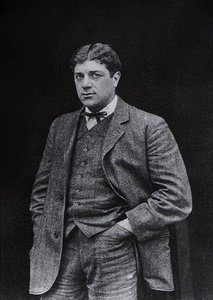
Georges Braque
1882 - 1963 , Francia
Datos clave
- Artistas Influenciados Por Este Artista: ['Pablo Picasso']
- Artistas Que Influyeron:
- Henri Matisse
- André Derain
- Paul Cézanne
- Fecha De Muerte: 31 de agosto de 1963
- Fecha De Nacimiento: 13 de mayo de 1882
- Lugar De Nacimiento: Argenteuil, Francia
- Movimiento Artístico: Cubismo, Fauvismo
- Nacionalidad: Francés
- Nombre Completo: Georges Braque
- Obras Notables:
- Casas en L'Estaque
- La paciencia (Fauvismo)
- Violin y Paleta
- Mandola
Artículos relacionados

Georges Braque: Las 25 Obras Maestras del Cubismo y su Legado en el Arte Moderno
Descubre las 25 obras maestras de Georges Braque, pionero del cubismo. Explora su innovadora técnica, colores y el legado del arte moderno francés. Reproducciones de alta calidad en OriginalUniqueArt.com. ¡Encuentra tu inspiración!

Blanco Sublime: Los 10 Cuadros Más Famosos Dominados por la Luz y el Color
Descubre los 10 cuadros blancos más emblemáticos de la historia del arte. Explora Monet, Van Gogh y Klimt, y su magistral uso de la luz y el color. Encuentra reproducciones de alta calidad e inspírate para tu decoración en .
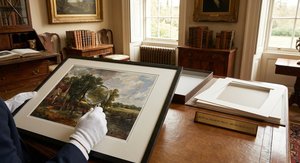
Giclée Prints: Archival Quality & Aesthetic Nuances for the Discerning Collector
Explore the world of giclée prints with OriginalUniqueArt. Learn about archival quality, aesthetic nuances & investment potential. Expert guidance for discerning art collectors seeking museum-quality reproductions and lasting value.

Las 10 Pinturas Más Famosas Dominadas por el Negro | Arte y Decoración
Descubre las 10 pinturas más impactantes dominadas por el negro. Explora obras maestras de Rembrandt, Goya y Rothko, su historia y significado. Encuentra reproducciones de arte exclusivas para transformar tu hogar en .

Monochrome Visions: Exploring the Aesthetic & Historical Significance of Black & White Photography
Explore the rich history & artistic power of black and white photography. From early techniques to iconic masters like Ansel Adams, discover why monochrome continues to captivate art lovers today. Expert insights for collectors.