

 Ver en contexto
 Enviar
 Compartir
 Detalles

 Descargar
 Similares
 Radiografía
 Presentación de diapositivas
untitled (7166)


 Ver más
Giclée / Impresión de arte
Impresiones giclée o en lienzo de calidad de museo con producción rápida y opciones de acabado flexibles. ( Comprar pintura hecha a mano Comprar imagen)




P118B $10

P118H $10

P118W $10

P438Z $10

P508JH $12

P508YH $12

P805H $10

P805Z $10

P919BZ $10

P919G $10

P919XJ $10

P959ZH $10

P968JZ $12

W106C $8

W218G $10

W218JH $8

W218Y $10

W307PJ $10

W316G $10

W316PJ $8

W316Y $10

W398PJ $8

W4111J $10

W500HY $15

W500JH $15

W692G $12

W849H $8

W940BG $15

W953PJ $8




Elija entre nuestros tamaños predefinidos que respetan las proporciones originales de la obra.

Puede introducir sus propias dimensiones para adaptarse a un marco o espacio específico. Si el tamaño seleccionado no coincide con las proporciones de la imagen original, recortaremos la obra de arte o extenderemos la imagen con un borde con efecto espejo o de color sólido. Se enviará una maqueta digital para su aprobación antes de que comience la producción.
Tenga en cuenta que la vista previa en pantalla no refleja el recorte o la extensión real. Solo la maqueta mostrará con precisión la composición final.
Aunque existen tamaños personalizados, recomendamos seleccionar una dimensión de la lista predefinida para preservar las proporciones originales.
Envío a todo el mundo () en 2 semanas en lugar de las 4/5 semanas estándar. (31 agosto)

Envío exprés gratuito a todo el mundo

Lienzo de lino de alta calidad

Seguro de envío total

Garantía de reembolso de impuestos aduaneros

Garantía de fidelidad cromática exacta

Política de devolución de 60 días (solo por defectos)

Garantía de devolución del 100% del dinero

Descuento por cantidad
 La opción de vidrio solo está disponible en tamaños inferiores a 110 cm.

untitled (7166)
Giclée / Impresión de arte
Dimensiones de la reproducción
-


Precio total final
$ 80
Georges Braque’s “Untitled (7166)” – A Fragmented Vision of Modernity
Georges Braque's "Untitled (7166)," a captivating study in blue and stark contrasts, presents a compelling enigma from the early years of 20th-century art. This seemingly simple composition—a muted blue backdrop punctuated by a fractured helmet and a dismantled airplane propeller—is far more than a mere assemblage of objects; it’s a potent distillation of the anxieties and burgeoning futurism that defined the era, reflecting Braque's pivotal role in pioneering Cubism alongside Pablo Picasso. The painting, shrouded in an air of mystery regarding its precise date and size, invites us to contemplate the fractured realities of a rapidly changing world.
The immediate impact is one of disorientation. The black helmet, rendered with sharp angles and suggesting damage or even disintegration, dominates the right side of the canvas. It’s not merely a military artifact; it embodies a sense of loss, perhaps representing the casualties of conflict or the breakdown of traditional order. Juxtaposed against this is the airplane propeller in the left foreground – a symbol of technological advancement, speed, and ultimately, the dehumanizing potential of industrial progress. The deliberate placement creates a dynamic tension, forcing the viewer to confront these opposing forces.
The Roots of Cubism: Cézanne’s Influence and Geometric Deconstruction
To fully appreciate “Untitled (7166),” one must understand Braque's artistic journey within the context of early 20th-century art. Following his training as a house painter, Braque’s innate artistic sensibility led him to formal studies at the École des Beaux-Arts in Le Havre. However, it was his encounter with the Fauvist movement – characterized by its bold use of color and emotional expression – that served as a crucial stepping stone. Crucially, Braque's subsequent immersion in the work of Paul Cézanne proved transformative. Cézanne’s emphasis on geometric forms, multiple perspectives, and the flattening of space profoundly influenced Braque’s approach to representation.
This influence is strikingly evident in “Untitled (7166).” Braque's technique mirrors Cézanne’s – a deliberate deconstruction of form into fragmented planes. The helmet isn’t depicted as a solid, unified object; instead, it’s broken down into geometric shards, suggesting multiple viewpoints simultaneously. Similarly, the propeller is similarly dissected, its whirling blades reduced to angular segments. This fragmentation wasn't simply an aesthetic choice; it was a radical attempt to represent reality in a way that captured the dynamism and complexity of modern life – a key tenet of Cubism.
Symbolic Layers: War, Technology, and the Fragmented Self
Beyond its formal innovations, “Untitled (7166)” resonates with deeper symbolic meanings. The helmet, often associated with military conflict and authority, hints at the pervasive influence of war during this period. The airplane propeller, a symbol of technological progress and modernity, simultaneously evokes anxieties about industrialization and its potential consequences – displacement, alienation, and the loss of human connection. The figure holding a gun further amplifies these themes, suggesting a world where violence and control are ever-present.
Furthermore, the painting can be interpreted as an exploration of the fragmented self—a common theme in early 20th-century art reflecting the psychological impact of rapid social change. Braque’s deconstructed forms mirror the breakdown of traditional values and the disorientation experienced by individuals navigating a rapidly evolving world. The overall effect is one of unsettling beauty, prompting viewers to question their own perceptions of reality and the nature of modern existence.
A Legacy of Innovation: Braque's Contribution to Modern Art
“Untitled (7166)” stands as a testament to Georges Braque’s pivotal role in shaping the course of 20th-century art. Alongside Pablo Picasso, he was instrumental in developing Cubism – an artistic movement that irrevocably altered the way artists represented space, form, and perspective. His meticulous study of Cézanne's principles, combined with his own innovative experimentation, resulted in a body of work characterized by its geometric precision, multiple viewpoints, and profound exploration of modern themes. Reproductions of this piece offer a unique opportunity to experience firsthand the genius of Braque’s vision – a fragmented yet powerfully evocative reflection of a world on the cusp of transformation.
Biografía del artista
**vida temprana y formación**
georges braque, un destacado pintor francés, collageador, dibujante, grabador y escultor, nació el 13 de mayo de 1882 en Argelo, Val-d'Oise. Creció en Le Havre y inicialmente se formó para ser pintor de casas y decorador, como su padre y abuelo. Sin embargo, las inclinaciones artísticas de Braque lo llevaron a estudiar pintura en la École des Beaux-Arts en Le Havre de 1897 a 1899.**evolución artística y fauvismo**
En 1902, después de completar su aprendizaje con un decorador en París, Braque asistió a la Academia Humbert hasta 1904. Este período marcó su introducción al fauvismo, un estilo caracterizado por colores vibrantes y respuestas emocionales. Influenciado por las obras de henri matisse y andré derain, Braque adoptó un enfoque fauvista, como se ve en su pintura the patience (fauvismo, óleo sobre lienzo).**contribución al cubismo**
La colaboración de Braque con pablo picasso desde 1908 hasta 1912 llevó al desarrollo del cubismo. Sus obras cubistas analíticas, como georges braque: the patience y pablo picasso: clarinet(cubismo analítico, óleo sobre lienzo), se consideran hitos en la historia del arte.**legado y obras notables**
* Houses at l'Estaque: un testimonio del uso innovador de la geometría y la perspectiva simultánea de Braque. * The Patience(fauvismo, óleo sobre lienzo): demuestra el estilo fauvista de Braque. * Clarinet(cubismo analítico, óleo sobre lienzo): una obra cubista colaborativa con Picasso.**museos y colecciones**
* Musée d'Orsay: presenta una extensa colección de arte impresionista y postimpresionista, incluyendo obras de Braque. * Musée de l'Orangerie: exhibe una amplia gama de obras de arte, incluyendo las de Braque y otros artistas notables.- Descubra más sobre la vida y obra de Georges Braque en OriginalUniqueArt.com
- Explore la colección del Musée d'Orsay, que presenta obras de Braque y otros artistas, en Musée d'Orsay - Wikipedia
- Aprenda más sobre el fauvismo y su influencia en el desarrollo del cubismo con el movimiento artístico fauvista en OriginalUniqueArt.com
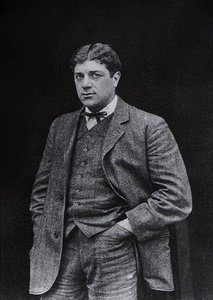
Georges Braque
1882 - 1963 , Francia
Datos clave
- Artistas Influenciados Por Este Artista: ['Pablo Picasso']
- Artistas Que Influyeron:
- Henri Matisse
- André Derain
- Paul Cézanne
- Fecha De Muerte: 31 de agosto de 1963
- Fecha De Nacimiento: 13 de mayo de 1882
- Lugar De Nacimiento: Argenteuil, Francia
- Movimiento Artístico: Cubismo, Fauvismo
- Nacionalidad: Francés
- Nombre Completo: Georges Braque
- Obras Notables:
- Casas en L'Estaque
- La paciencia (Fauvismo)
- Violin y Paleta
- Mandola
Artículos relacionados

Georges Braque: Las 25 Obras Maestras del Cubismo y su Legado en el Arte Moderno
Descubre las 25 obras maestras de Georges Braque, pionero del cubismo. Explora su innovadora técnica, colores y el legado del arte moderno francés. Reproducciones de alta calidad en OriginalUniqueArt.com. ¡Encuentra tu inspiración!

Georges Seurat: Las 25 Obras Maestras del Pionero Puntillista | OriginalUniqueArt
Descubre las 25 obras maestras de Georges Seurat, el innovador del puntillismo. Explora su técnica única, colores vibrantes y legado artístico en OriginalUniqueArt.com. Reproducciones de arte de museo para tu hogar.

Las 10 Obras Maestras del Azul Pizarra: Arte, Historia y Decoración
Descubre las 10 pinturas más famosas dominadas por el azul pizarra. Explora la historia, técnica y belleza de Monet, Van Gogh y otros maestros. Encuentra reproducciones de arte exclusivas para decorar tu hogar en .
Serene Blue Backgrounds: Discover Soulful Art to Transform Your Space with Timeless Elegance
Transform your home with soulful blue art. From serene Monet impressions to modern textured sculptures, discover curated masterpieces designed to inspire calm. Explore expert art consultations and bespoke hand-painted reproductions to create your personal sanctuary.

Cubism Unveiled: How Picasso and Braque Redefined Modern Art through Geometric Revolution
Explore the revolutionary world of Cubism. Discover how Pablo Picasso and Georges Braque dismantled perspective to redefine modern art through geometric innovation and analytical mastery. An essential guide for art students, collectors, and history enthusiasts.



