

 Ver en contexto
 Enviar
 Compartir
 Detalles

 Descargar
 Similares
 Radiografía
 Presentación de diapositivas
 Estadísticas
untitled (5689)


 Ver más
Giclée / Impresión de arte
Impresiones giclée o en lienzo de calidad de museo con producción rápida y opciones de acabado flexibles. ( Comprar pintura hecha a mano Cambiar a imagen digital)




P118B $10

P118H $10

P118W $10

P438Z $10

P508JH $12

P508YH $12

P805H $10

P805Z $10

P919BZ $10

P919G $10

P919XJ $10

P959ZH $10

P968JZ $12

W106C $8

W218G $10

W218JH $8

W218Y $10

W307PJ $10

W316G $10

W316PJ $8

W316Y $10

W398PJ $8

W4111J $10

W500HY $15

W500JH $15

W692G $12

W849H $8

W940BG $15

W953PJ $8




Elija entre nuestros tamaños predefinidos que respetan las proporciones originales de la obra.

Puede introducir sus propias dimensiones para adaptarse a un marco o espacio específico. Si el tamaño seleccionado no coincide con las proporciones de la imagen original, recortaremos la obra de arte o extenderemos la imagen con un borde con efecto espejo o de color sólido. Se enviará una maqueta digital para su aprobación antes de que comience la producción.
Tenga en cuenta que la vista previa en pantalla no refleja el recorte o la extensión real. Solo la maqueta mostrará con precisión la composición final.
Aunque existen tamaños personalizados, recomendamos seleccionar una dimensión de la lista predefinida para preservar las proporciones originales.
Envío a todo el mundo () en 2 semanas en lugar de las 4/5 semanas estándar. (9 septiembre)

Envío exprés gratuito a todo el mundo

Lienzo de lino de alta calidad

Seguro de envío total

Garantía de reembolso de impuestos aduaneros

Garantía de fidelidad cromática exacta

Política de devolución de 100 días (solo por defectos)

Garantía de devolución del 100% del dinero

Descuento por cantidad
 La opción de vidrio solo está disponible en tamaños inferiores a 110 cm.

untitled (5689)
Giclée / Impresión de arte
Dimensiones de la reproducción
-


Precio total final
$ 80
Georges Braque’s Evocative Landscape: A Study in Harmony
This captivating landscape, tentatively titled “untitled (5689),” offers a profound glimpse into the nascent vision of Georges Braque, one of the pivotal figures who helped shape the course of modern art. Painted during a period of intense experimentation and stylistic evolution, this work exemplifies Braque’s early exploration of form, space, and the relationship between nature and human intervention. The scene unfolds as a vibrant tableau – a mountainous terrain punctuated by dwellings nestled amongst its slopes, a testament to the artist's keen observation of the rural French landscape.
- Subject Matter: The painting’s subject is deceptively simple: a picturesque valley with houses and trees. However, Braque elevates this familiar scene through his deliberate composition and nuanced rendering.
- Color Palette: A rich and varied color palette dominates the canvas – earthy browns and greens of the mountains contrast beautifully with the brighter hues of the buildings and the sky. This careful use of color contributes significantly to the painting’s overall harmony.
- Composition: The arrangement of elements—the receding perspective, the placement of the bird, and the layering of structures—creates a dynamic sense of depth and invites the viewer's eye to wander through the scene.
The Dawn of Cubism
“untitled (5689)” is inextricably linked to the burgeoning movement of Cubism, which Braque was instrumental in developing alongside Pablo Picasso. While not a fully realized example of the style’s fragmentation and geometric deconstruction, it reveals the foundational principles that would soon revolutionize painting. Notice how Braque subtly breaks down forms—particularly the buildings—into interlocking planes, anticipating the radical approach of his fellow Cubists. This early experimentation with flattened perspective and multiple viewpoints demonstrates Braque's desire to represent objects from all angles simultaneously, a core tenet of Cubism’s theoretical underpinnings.
The painting reflects the intellectual climate of Paris at the turn of the 20th century, where artists were actively challenging traditional notions of representation. Braque’s work stands as a crucial bridge between Impressionism's focus on light and color and the more conceptual explorations that would define Cubism.
Technique and Materials
Braque employed a meticulous technique characterized by precise brushwork and a deep understanding of materials. The painting is executed in oil on canvas, demonstrating his mastery of layering and glazing – techniques used to build up color and create subtle variations in tone. The artist’s attention to detail is evident in the rendering of textures—the rough stone of the mountains, the weathered wood of the buildings, and the delicate plumage of the bird. This careful approach reflects Braque's background as a house painter, bringing a level of technical skill and observation to his artistic practice.
Symbolic Resonance and Emotional Impact
Beyond its formal qualities, “untitled (5689)” possesses a quiet emotional resonance. The harmonious blend of nature and human structures suggests a desire for balance and integration – a theme that would recur throughout Braque’s oeuvre. The inclusion of the bird adds an element of spontaneity and vitality to the scene, perhaps symbolizing freedom or connection to the natural world. The painting invites contemplation on the relationship between humanity and its environment, prompting viewers to consider their place within the broader landscape.
Biografía del artista
**vida temprana y formación**
georges braque, un destacado pintor francés, collageador, dibujante, grabador y escultor, nació el 13 de mayo de 1882 en Argelo, Val-d'Oise. Creció en Le Havre y inicialmente se formó para ser pintor de casas y decorador, como su padre y abuelo. Sin embargo, las inclinaciones artísticas de Braque lo llevaron a estudiar pintura en la École des Beaux-Arts en Le Havre de 1897 a 1899.**evolución artística y fauvismo**
En 1902, después de completar su aprendizaje con un decorador en París, Braque asistió a la Academia Humbert hasta 1904. Este período marcó su introducción al fauvismo, un estilo caracterizado por colores vibrantes y respuestas emocionales. Influenciado por las obras de henri matisse y andré derain, Braque adoptó un enfoque fauvista, como se ve en su pintura the patience (fauvismo, óleo sobre lienzo).**contribución al cubismo**
La colaboración de Braque con pablo picasso desde 1908 hasta 1912 llevó al desarrollo del cubismo. Sus obras cubistas analíticas, como georges braque: the patience y pablo picasso: clarinet(cubismo analítico, óleo sobre lienzo), se consideran hitos en la historia del arte.**legado y obras notables**
* Houses at l'Estaque: un testimonio del uso innovador de la geometría y la perspectiva simultánea de Braque. * The Patience(fauvismo, óleo sobre lienzo): demuestra el estilo fauvista de Braque. * Clarinet(cubismo analítico, óleo sobre lienzo): una obra cubista colaborativa con Picasso.**museos y colecciones**
* Musée d'Orsay: presenta una extensa colección de arte impresionista y postimpresionista, incluyendo obras de Braque. * Musée de l'Orangerie: exhibe una amplia gama de obras de arte, incluyendo las de Braque y otros artistas notables.- Descubra más sobre la vida y obra de Georges Braque en OriginalUniqueArt.com
- Explore la colección del Musée d'Orsay, que presenta obras de Braque y otros artistas, en Musée d'Orsay - Wikipedia
- Aprenda más sobre el fauvismo y su influencia en el desarrollo del cubismo con el movimiento artístico fauvista en OriginalUniqueArt.com
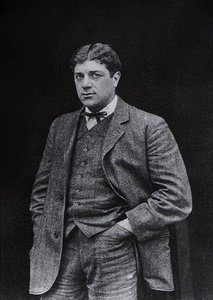
Georges Braque
1882 - 1963 , Francia
Datos clave
- Artistas Influenciados Por Este Artista: ['Pablo Picasso']
- Artistas Que Influyeron:
- Henri Matisse
- André Derain
- Paul Cézanne
- Fecha De Muerte: 31 de agosto de 1963
- Fecha De Nacimiento: 13 de mayo de 1882
- Lugar De Nacimiento: Argenteuil, Francia
- Movimiento Artístico: Cubismo, Fauvismo
- Nacionalidad: Francés
- Nombre Completo: Georges Braque
- Obras Notables:
- Casas en L'Estaque
- La paciencia (Fauvismo)
- Violin y Paleta
- Mandola
Artículos relacionados
Nature Recharged: The Definitive Guide to Bold, Vibrant Landscapes for High-Impact Modern Decor
Level up your space with high-voltage landscapes from OriginalUniqueArt.com. Discover bold, vibrant nature scenes—from hand-painted oils to premium prints. Shop high-impact, designer-grade art designed for modern interiors and maximum visual impact. Recharge your decor today.

Katsushika Hokusai: Las 25 Obras Maestras del Ukiyo-e que Transformaron el Arte Japonés | OriginalUniqueArt
Descubre las 25 obras maestras de Katsushika Hokusai, el genio del ukiyo-e. Explora 'La Gran Ola', paisajes japoneses y su impacto en el arte moderno. Reproducciones de alta calidad para tu hogar en OriginalUniqueArt.com.

Georges Braque: Las 25 Obras Maestras del Cubismo y su Legado en el Arte Moderno
Descubre las 25 obras maestras de Georges Braque, pionero del cubismo. Explora su innovadora técnica, colores y el legado del arte moderno francés. Reproducciones de alta calidad en OriginalUniqueArt.com. ¡Encuentra tu inspiración!

John Constable: Las 25 Obras Maestras del Paisaje Inglés | OriginalUniqueArt
Descubre las 25 obras maestras de John Constable, el pintor romántico inglés que capturó la belleza del paisaje. Explora su técnica, historia y significado en OriginalUniqueArt.com. Reproducciones de arte de alta calidad para tu hogar.

Paisajes Románticos: 10 Obras Maestras que Definieron un Movimiento Artístico
Descubre los 10 paisajes románticos más influyentes de artistas como Caspar David Friedrich y Turner. Explora la belleza, el simbolismo y las técnicas del movimiento romántico. Reproducciones de arte exclusivas en OriginalUniqueArt.com.


