

 Ver en contexto
 Enviar
 Compartir
 Detalles

 Descargar
 Similares
 Radiografía
 Presentación de diapositivas
 Estadísticas
untitled (1768)

 Ver más
Giclée / Impresión de arte
Impresiones giclée o en lienzo de calidad de museo con producción rápida y opciones de acabado flexibles. ( Comprar pintura hecha a mano Cambiar a imagen digital)




P118B $10

P118H $10

P118W $10

P438Z $10

P508JH $12

P508YH $12

P805H $10

P805Z $10

P919BZ $10

P919G $10

P919XJ $10

P959ZH $10

P968JZ $12

W106C $8

W218G $10

W218JH $8

W218Y $10

W307PJ $10

W316G $10

W316PJ $8

W316Y $10

W398PJ $8

W4111J $10

W500HY $15

W500JH $15

W692G $12

W849H $8

W940BG $15

W953PJ $8




Elija entre nuestros tamaños predefinidos que respetan las proporciones originales de la obra.

Puede introducir sus propias dimensiones para adaptarse a un marco o espacio específico. Si el tamaño seleccionado no coincide con las proporciones de la imagen original, recortaremos la obra de arte o extenderemos la imagen con un borde con efecto espejo o de color sólido. Se enviará una maqueta digital para su aprobación antes de que comience la producción.
Tenga en cuenta que la vista previa en pantalla no refleja el recorte o la extensión real. Solo la maqueta mostrará con precisión la composición final.
Aunque existen tamaños personalizados, recomendamos seleccionar una dimensión de la lista predefinida para preservar las proporciones originales.
Envío a todo el mundo () en 2 semanas en lugar de las 4/5 semanas estándar. (12 septiembre)

Envío exprés gratuito a todo el mundo

Lienzo de lino de alta calidad

Seguro de envío total

Garantía de reembolso de impuestos aduaneros

Garantía de fidelidad cromática exacta

Política de devolución de 100 días (solo por defectos)

Garantía de devolución del 100% del dinero

Descuento por cantidad
 La opción de vidrio solo está disponible en tamaños inferiores a 110 cm.

untitled (1768)
Giclée / Impresión de arte
Dimensiones de la reproducción
-


Precio total final
$ 80
The Quiet Revolutionary: Georges Braque’s Untitled (1768)
Georges Braque's Untitled (1768) isn’t a painting that shouts for attention; it whispers, inviting the viewer into a world of subtle observation and carefully constructed form. This work, painted in 1968 – a period when Braque was already a seasoned master of his craft – represents a fascinating intersection of his lifelong explorations with Cubism, Fauvism, and a deep-seated appreciation for the everyday. It’s a piece that rewards patient contemplation, revealing layers of meaning within its deceptively simple composition.
The image depicts a solitary figure holding a guitar, an instrument intrinsically linked to storytelling, emotion, and communal experience. He's dressed in what appears to be a hat, adding a touch of mystery and perhaps suggesting a performer or itinerant musician. A guitar case rests at his feet – a tangible symbol of his profession and the tools of his trade. The background is deliberately muted, focusing entirely on the subject and allowing the viewer’s eye to trace the contours of the figure and the instrument.
A Foundation in Craftsmanship and Artistic Vision
Born in Argenteuil, France, in 1882, Georges Braque's artistic journey began not with grand pronouncements but with a grounding in practical skills. His upbringing within a family of house painters instilled an acute awareness of materials, texture, and the fundamental building blocks of visual representation. This early exposure to craftsmanship – a rare foundation for an artist – proved invaluable as he later dismantled traditional notions of perspective and form. He initially followed his father’s trade but quickly recognized his own innate artistic inclinations, leading him to formal training at the École des Beaux-Arts in Le Havre.
Moving to Paris in 1902, Braque immersed himself in the vibrant artistic scene, encountering figures like Marie Laurencin and Francis Picabia. It was here that he began his exploration of Fauvism, a movement characterized by bold colors and expressive brushstrokes – an initial departure from the academic traditions he’d studied. This early experimentation laid the groundwork for his later revolutionary contributions to Cubism.
The Birth of Cubism: Collaboration and Innovation
Braque's pivotal role in the development of Cubism is undeniable, a movement that fundamentally altered the course of 20th-century art. Alongside Pablo Picasso, he meticulously deconstructed objects and figures into geometric forms, presenting multiple viewpoints simultaneously on a single canvas. The period between 1908 and 1912 saw an intense collaboration between Braque and Picasso, their works often becoming virtually indistinguishable for years – a testament to the shared intellectual and artistic exploration.
Untitled (1768) embodies this Cubist spirit, though with a more restrained approach than some of his most radical pieces. The figures are fragmented and reassembled, suggesting an awareness of multiple perspectives rather than a complete dissolution of form. The muted palette – dominated by earthy tones and subtle gradations – contributes to the painting’s contemplative mood, encouraging viewers to engage in a process of visual reconstruction.
Symbolism and Emotional Resonance
Beyond its formal innovations, Untitled (1768) possesses a quiet emotional resonance. The solitary figure with his guitar evokes themes of introspection, creativity, and perhaps even loneliness. The instrument itself is a potent symbol – representing music’s ability to transcend boundaries, express emotions, and connect people across generations.
Braque's masterful use of light and shadow subtly defines the form of the figure and his guitar, creating a sense of depth and volume despite the simplified representation. The painting invites us to imagine the story behind this quiet moment – perhaps a musician lost in thought, or simply capturing a fleeting glimpse of everyday life. Reproductions of this work offer a unique opportunity to bring this evocative image into your home, allowing you to appreciate Braque’s genius and its enduring power.
Biografía del artista
**vida temprana y formación**
georges braque, un destacado pintor francés, collageador, dibujante, grabador y escultor, nació el 13 de mayo de 1882 en Argelo, Val-d'Oise. Creció en Le Havre y inicialmente se formó para ser pintor de casas y decorador, como su padre y abuelo. Sin embargo, las inclinaciones artísticas de Braque lo llevaron a estudiar pintura en la École des Beaux-Arts en Le Havre de 1897 a 1899.**evolución artística y fauvismo**
En 1902, después de completar su aprendizaje con un decorador en París, Braque asistió a la Academia Humbert hasta 1904. Este período marcó su introducción al fauvismo, un estilo caracterizado por colores vibrantes y respuestas emocionales. Influenciado por las obras de henri matisse y andré derain, Braque adoptó un enfoque fauvista, como se ve en su pintura the patience (fauvismo, óleo sobre lienzo).**contribución al cubismo**
La colaboración de Braque con pablo picasso desde 1908 hasta 1912 llevó al desarrollo del cubismo. Sus obras cubistas analíticas, como georges braque: the patience y pablo picasso: clarinet(cubismo analítico, óleo sobre lienzo), se consideran hitos en la historia del arte.**legado y obras notables**
* Houses at l'Estaque: un testimonio del uso innovador de la geometría y la perspectiva simultánea de Braque. * The Patience(fauvismo, óleo sobre lienzo): demuestra el estilo fauvista de Braque. * Clarinet(cubismo analítico, óleo sobre lienzo): una obra cubista colaborativa con Picasso.**museos y colecciones**
* Musée d'Orsay: presenta una extensa colección de arte impresionista y postimpresionista, incluyendo obras de Braque. * Musée de l'Orangerie: exhibe una amplia gama de obras de arte, incluyendo las de Braque y otros artistas notables.- Descubra más sobre la vida y obra de Georges Braque en OriginalUniqueArt.com
- Explore la colección del Musée d'Orsay, que presenta obras de Braque y otros artistas, en Musée d'Orsay - Wikipedia
- Aprenda más sobre el fauvismo y su influencia en el desarrollo del cubismo con el movimiento artístico fauvista en OriginalUniqueArt.com
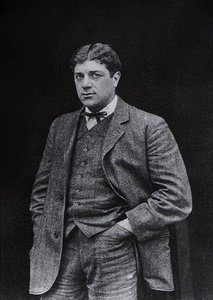
Georges Braque
1882 - 1963 , Francia
Datos clave
- Artistas Influenciados Por Este Artista: ['Pablo Picasso']
- Artistas Que Influyeron:
- Henri Matisse
- André Derain
- Paul Cézanne
- Fecha De Muerte: 31 de agosto de 1963
- Fecha De Nacimiento: 13 de mayo de 1882
- Lugar De Nacimiento: Argenteuil, Francia
- Movimiento Artístico: Cubismo, Fauvismo
- Nacionalidad: Francés
- Nombre Completo: Georges Braque
- Obras Notables:
- Casas en L'Estaque
- La paciencia (Fauvismo)
- Violin y Paleta
- Mandola
Artículos relacionados

Georges Braque: Las 25 Obras Maestras del Cubismo y su Legado en el Arte Moderno
Descubre las 25 obras maestras de Georges Braque, pionero del cubismo. Explora su innovadora técnica, colores y el legado del arte moderno francés. Reproducciones de alta calidad en OriginalUniqueArt.com. ¡Encuentra tu inspiración!
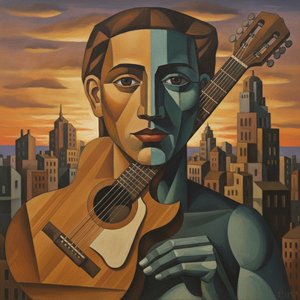
Cubism Unveiled: How Picasso and Braque Redefined Reality Through Geometric Abstraction
Explore the revolutionary world of Cubism. Discover how masters Pablo Picasso and Georges Braque dismantled reality through geometric abstraction to redefine modern art history.

Cubism Unveiled: How Picasso and Braque Redefined Modern Art through Geometric Revolution
Explore the revolutionary world of Cubism. Discover how Pablo Picasso and Georges Braque dismantled perspective to redefine modern art through geometric innovation and analytical mastery. An essential guide for art students, collectors, and history enthusiasts.

Georges Seurat: Las 25 Obras Maestras del Pionero Puntillista | OriginalUniqueArt
Descubre las 25 obras maestras de Georges Seurat, el innovador del puntillismo. Explora su técnica única, colores vibrantes y legado artístico en OriginalUniqueArt.com. Reproducciones de arte de museo para tu hogar.
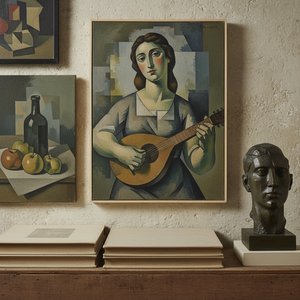
Mastering Cubism: A Collector's Guide to the Revolutionary Vision of Georges Braque
Discover the profound legacy of Georges Braque. Our expert guide explores the evolution of Cubism, from Analytic deconstruction to Synthetic innovation, offering deep insights for discerning art collectors and connoisseurs of modern masterpieces.


