- Inicio

- Impresión en lienzo
- Georges Braque
- The Patience
 Encargar reproducción Comprar imagen en alta resolución
 Enviar
 Compartir
 Detalles
 Añadir a favoritos

 Descargar
 Similares
 Radiografía
 Presentación de diapositivas
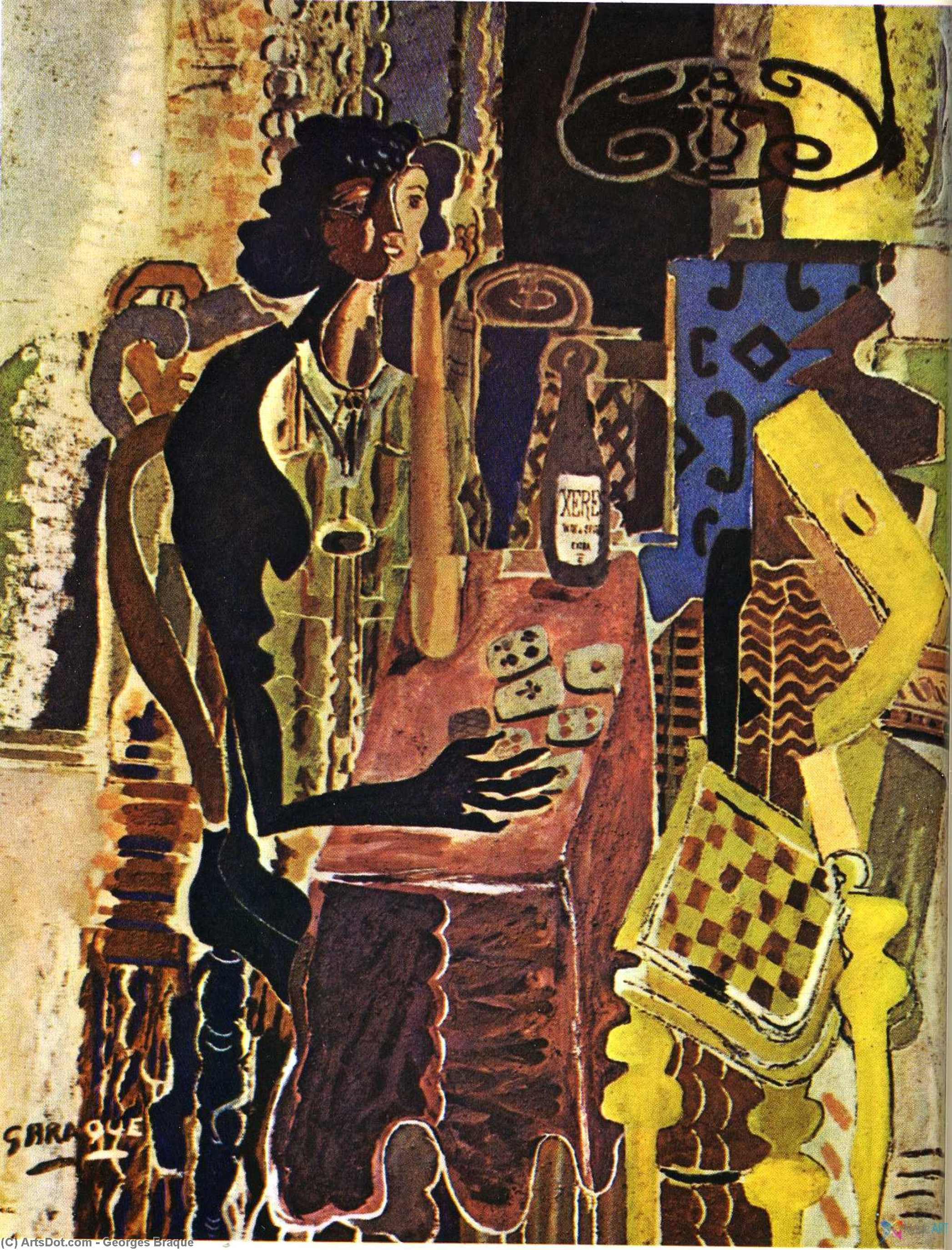
The Patience


 Ver más
Giclée / Impresión de arte
Impresión giclée o en lienzo de calidad de museo con producción rápida y opciones de acabado flexibles.




P118B $10

P118H $10

P118W $10

P438Z $10

P508JH $12

P508YH $12

P805H $10

P805Z $10

P919BZ $10

P919G $10

P919XJ $10

P959ZH $10

P968JZ $12

W106C $8

W218G $10

W218JH $8

W218Y $10

W307PJ $10

W316G $10

W316PJ $8

W316Y $10

W398PJ $8

W4111J $10

W500HY $15

W500JH $15

W692G $12

W849H $8

W940BG $15

W953PJ $8




Elija entre nuestros tamaños predefinidos que respetan las proporciones originales de la obra.

Puede introducir sus propias dimensiones para adaptarse a un marco o espacio específico. Si el tamaño seleccionado no coincide con las proporciones de la imagen original, recortaremos la obra de arte o extenderemos la imagen con un borde con efecto espejo o de color sólido. Se enviará una maqueta digital para su aprobación antes de que comience la producción.
Tenga en cuenta que la vista previa en pantalla no refleja el recorte o la extensión real. Solo la maqueta mostrará con precisión la composición final.
Aunque existen tamaños personalizados, recomendamos seleccionar una dimensión de la lista predefinida para preservar las proporciones originales.
Entrega mundial () en 2 semanas en lugar de las 4/5 semanas estándar. (20 julio)

Envío exprés gratuito a todo el mundo

Lienzo de lino de alta calidad

Seguro de envío total

Garantía de reembolso de impuestos aduaneros

Garantía de fidelidad de color

Política de devolución de 60 días (solo por defectos)

Garantía de devolución del 100% del dinero

Descuento por pedido múltiple
 La opción de vidrio solo está disponible en tamaños inferiores a 110 cm.

The Patience
Giclée / Impresión de arte
Tamaño de la reproducción
-


Precio total final
-
Descripción de la obra
Georges Braque’s “The Patience”: A Meditation on Time and Form
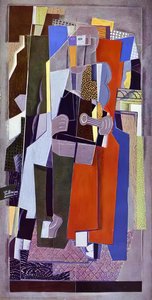
“The Patience,” painted in 1942 by Georges Braque during the tumultuous years of World War II, stands as a testament to the enduring influence of Cubism and Fauvism—movements that fundamentally reshaped the artistic landscape of the early 20th century. More than just a depiction of a woman seated at a table laden with objects, this artwork delves into profound philosophical questions about perception, stillness, and the elusive nature of time itself. Examining Braque’s approach reveals layers of intellectual and aesthetic consideration that continue to resonate with viewers today.The Cubist Vision: Fragmentation and Multiple Perspectives
Braque's artistic trajectory began in earnest alongside Pablo Picasso, forging a collaborative partnership that birthed the revolutionary Cubist style. Rejecting the conventions of Renaissance perspective—where objects appeared as single points of view—Cubism championed fractured forms and simultaneous representations. “The Patience” embodies this principle perfectly. The woman’s figure is rendered not as a unified whole but as a series of interlocking planes, mirroring the fragmented reality observed by the eye. Similarly, the table and surrounding objects are presented from multiple viewpoints simultaneously, creating an illusionistic depth that defies traditional spatial representation. This technique wasn't merely stylistic; it was a deliberate attempt to capture the complexities of experience—to convey how we perceive the world as multifaceted and constantly shifting.A Palette of Emotion: Fauvist Color Theory
While rooted in Cubist principles, “The Patience” also possesses a vibrant characteristic of Fauvism – an artistic movement that prioritized expressive color over naturalistic representation. Braque’s masterful use of hues—dominantly blues, yellows, and oranges—is far from arbitrary. Instead, these colors are deployed strategically to evoke specific moods and sensations. The intense shades contribute to the painting's overall atmosphere of quiet contemplation, mirroring the woman’s posture and suggesting a state of serene patience. Color theorists of the time recognized that hues could communicate emotions directly, bypassing intellectual comprehension; Braque skillfully harnessed this power to imbue his artwork with palpable feeling.Symbolic Resonance: Objects as Vessels of Meaning
Beyond its formal innovations, “The Patience” is rich in symbolic significance. The woman herself represents stillness and resilience—a quiet strength amidst the anxieties of wartime. The objects on the table – cups, a bottle, and a vase – are not merely decorative elements but serve as visual metaphors for sustenance, contemplation, and perhaps even memory. Crucially, the clock hanging above the table is arguably the painting’s most potent symbol. As Braque himself acknowledged, he was influenced by Surrealist ideas about the malleability of time—particularly Salvador Dali's “The Persistence of Memory,” where melting clocks depict a dreamlike distortion of temporal reality. This inclusion underscores Braque’s preoccupation with capturing not just what is seen but also what is felt – the psychological impact of confronting existential questions.A Legacy of Innovation: Influence and Inspiration
“The Patience” stands as an enduring monument to Braque's artistic genius and his contribution to modern art history. Its influence extends beyond its immediate stylistic precedents, informing subsequent generations of artists who sought to explore new ways of representing the world. By dismantling traditional conventions and embracing bold experimentation, Braque paved the way for groundbreaking developments in visual culture—a legacy that continues to inspire creativity and provoke contemplation today. A high-quality reproduction allows viewers to appreciate not only the painting’s exquisite craftsmanship but also its profound intellectual depth.Biografía del artista
**vida temprana y formación**
georges braque, un destacado pintor francés, collageador, dibujante, grabador y escultor, nació el 13 de mayo de 1882 en Argelo, Val-d'Oise. Creció en Le Havre y inicialmente se formó para ser pintor de casas y decorador, como su padre y abuelo. Sin embargo, las inclinaciones artísticas de Braque lo llevaron a estudiar pintura en la École des Beaux-Arts en Le Havre de 1897 a 1899.**evolución artística y fauvismo**
En 1902, después de completar su aprendizaje con un decorador en París, Braque asistió a la Academia Humbert hasta 1904. Este período marcó su introducción al fauvismo, un estilo caracterizado por colores vibrantes y respuestas emocionales. Influenciado por las obras de henri matisse y andré derain, Braque adoptó un enfoque fauvista, como se ve en su pintura the patience (fauvismo, óleo sobre lienzo).**contribución al cubismo**
La colaboración de Braque con pablo picasso desde 1908 hasta 1912 llevó al desarrollo del cubismo. Sus obras cubistas analíticas, como georges braque: the patience y pablo picasso: clarinet(cubismo analítico, óleo sobre lienzo), se consideran hitos en la historia del arte.**legado y obras notables**
* Houses at l'Estaque: un testimonio del uso innovador de la geometría y la perspectiva simultánea de Braque. * The Patience(fauvismo, óleo sobre lienzo): demuestra el estilo fauvista de Braque. * Clarinet(cubismo analítico, óleo sobre lienzo): una obra cubista colaborativa con Picasso.**museos y colecciones**
* Musée d'Orsay: presenta una extensa colección de arte impresionista y postimpresionista, incluyendo obras de Braque. * Musée de l'Orangerie: exhibe una amplia gama de obras de arte, incluyendo las de Braque y otros artistas notables.- Descubra más sobre la vida y obra de Georges Braque en OriginalUniqueArt.com
- Explore la colección del Musée d'Orsay, que presenta obras de Braque y otros artistas, en Musée d'Orsay - Wikipedia
- Aprenda más sobre el fauvismo y su influencia en el desarrollo del cubismo con el movimiento artístico fauvista en OriginalUniqueArt.com
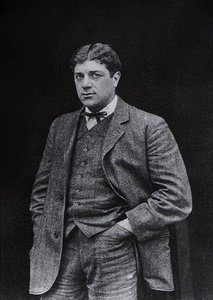
Georges Braque
1882 - 1963 , Francia
Datos clave
- Artistas Influenciados Por Este Artista: ['Pablo Picasso']
- Artistas Que Influyeron:
- Henri Matisse
- André Derain
- Paul Cézanne
- Fecha De Muerte: 31 de agosto de 1963
- Fecha De Nacimiento: 13 de mayo de 1882
- Lugar De Nacimiento: Argenteuil, Francia
- Movimiento Artístico: Cubismo, Fauvismo
- Nacionalidad: Francés
- Nombre Completo: Georges Braque
- Obras Notables:
- Casas en L'Estaque
- La paciencia (Fauvismo)
- Violin y Paleta
- Mandola
Artículos relacionados

Georges Braque: Las 25 Obras Maestras del Cubismo y su Legado en el Arte Moderno
Descubre las 25 obras maestras de Georges Braque, pionero del cubismo. Explora su innovadora técnica, colores y el legado del arte moderno francés. Reproducciones de alta calidad en OriginalUniqueArt.com. ¡Encuentra tu inspiración!

Georges Seurat: Las 25 Obras Maestras del Pionero Puntillista | OriginalUniqueArt
Descubre las 25 obras maestras de Georges Seurat, el innovador del puntillismo. Explora su técnica única, colores vibrantes y legado artístico en OriginalUniqueArt.com. Reproducciones de arte de museo para tu hogar.

Paul Cézanne: Las 25 Obras Maestras que Definieron el Arte Moderno | OriginalUniqueArt
Descubre las 25 obras maestras de Paul Cézanne que revolucionaron el arte moderno. Explora su técnica, inspiración y significado en paisajes, bodegones y retratos. Reproducciones de alta calidad para decorar tu hogar con arte inolvidable. ¡Explora la colección completa en OriginalUniqueArt.com!
Claude Monet: Las 25 Obras Maestras del Impresionismo para Decorar tu Hogar con Arte
Descubre las 25 obras maestras de Claude Monet, el padre del impresionismo. Explora la historia, técnica y belleza de sus paisajes, nenúfares y 'Impresión, sole levant'. Encuentra reproducciones de arte exclusivas en OriginalUniqueArt.com.
Gris Maestros: Los 10 Cuadros Más Famosos Dominados por el Color Gris |
Descubre los 10 cuadros más famosos dominados por el gris. Explora la historia, técnica y significado de obras maestras de Monet, Van Gogh, Hopper y otros artistas icónicos. Encuentra reproducciones de arte en .