

 Ver en contexto
 Enviar
 Compartir
 Detalles

 Descargar
 Similares
 Radiografía
 Presentación de diapositivas
Mujer ante el espejo


 Ver más
Adquiera una imagen digital de alta resolución y optimizada, muy superior a la vista previa en línea.
Cada archivo es preparado meticulosamente por nuestros especialistas internos mediante el uso de herramientas avanzadas y un experto retoque manual. Nos aseguramos de que cada imagen posea una claridad excepcional, una precisión cromática impecable y un detalle minucioso.
El archivo final se entrega por correo electrónico en un plazo de 72 horas, optimizado para su uso inmediato en entornos profesionales, editoriales y de impresión. Esta es la misma calidad en la que confían los estudios de diseño, las editoriales y las galerías de primer nivel.
Imagen Digital
Descarga un archivo de alta resolución para exhibición personal, impresión y proyectos creativos. ( Comprar impresión Comprar pintura hecha a mano)
Incluido en cada pedido de imágenes digitales
Entrega digital experta, garantizada.
Al elegir OriginalUniqueArt.com, no solo está adquiriendo una imagen; está recibiendo una obra de arte digital mejorada profesionalmente, elaborada con precisión y respaldada por una garantía de satisfacción. Esto es todo lo que incluye su pedido, automáticamente:

Entrega rápida por email
Recibirá su archivo de imagen digital en alta resolución por correo electrónico en un plazo de 72 horas tras realizar su pedido, listo para su uso inmediato.

Archivo digital optimizado por IA
Su obra de arte se optimiza profesionalmente mediante herramientas avanzadas de IA y edición manual, garantizando el máximo detalle, claridad y precisión cromática.

Reenvío gratuito de por vida
¿Has borrado o perdido tu archivo por error? No te preocupes: te lo volveremos a enviar en cualquier momento, sin coste adicional.

Sin gastos de importación, siempre
Disfrute de su obra de arte al instante sin aduanas, aranceles ni gastos de envío; las descargas digitales siempre están libres de impuestos.

Garantía de fidelidad de color
Garantizamos que su imagen digital refleje los colores originales con la mayor fidelidad posible, mediante el uso de herramientas profesionales y gestión del color.

Garantía de satisfacción de 60 días
Si no está satisfecho con su imagen digital, la revisaremos o le reembolsaremos el 100% en un plazo de 60 días, sin preguntas.

100% Garantía de devolución de dinero
¿No está satisfecho? Obtenga un reembolso completo dentro de los 60 días posteriores a la recepción de su archivo digital, sin necesidad de explicaciones.

Descuentos por pedidos grandes
Compra 3 imágenes, ahorra 10% - Compra 5, ahorra 15% - Compra 10+, ahorra 20%. Ideal para proyectos creativos, galerías y agencias.
Descripción del coleccionable
Georges Braque's *Woman at the Mirror*: A Fauvist Exploration of Reflection and Form
Georges Braque’s 1945 painting, *Woman at the Mirror*, offers a compelling glimpse into the heart of Fauvist experimentation. Executed during a period of significant artistic upheaval, this work exemplifies Braque's pivotal role in dismantling traditional representational techniques and forging new pathways for modern art. The image depicts a woman, seemingly lost in contemplation before a reflective surface, a motif that resonates with anxieties about identity and perception prevalent at the time. The painting’s power lies not just in its subject matter but in Braque's masterful manipulation of color and form – hallmarks of his groundbreaking approach.
- Bold Color Palette: The dominant hues—vibrant blues, intense yellows, and fiery reds—are characteristic of Fauvist style. Rather than using color to realistically depict the world, Braque employed it expressively, prioritizing emotional impact over objective representation. This deliberate distortion of natural color creates a heightened sense of drama and immediacy.
- Simplified Forms: Braque’s approach involved reducing forms to their essential shapes, stripping away unnecessary detail. The woman's figure is rendered with broad, gestural strokes, emphasizing her presence rather than meticulously defining her features. This simplification aligns with the Fauvist movement’s rejection of academic realism.
Historical Context and the Rise of Fauvism
Created in 1945, *Woman at the Mirror* reflects a fascinating convergence of artistic movements. Braque was deeply involved in the development of Cubism alongside Pablo Picasso, yet he ultimately pushed beyond its analytical phase towards a more expressive and emotionally charged style. The rise of Fauvism, with artists like Henri Matisse leading the charge, provided a crucial counterpoint to the intellectual rigor of Cubism. Fauves – meaning “wild beasts” – were celebrated for their unrestrained use of color and their rejection of conventional artistic norms. This period was marked by a desire to break free from the constraints of academic art and explore new ways of conveying emotion and experience.
- Post-War Reflection: The painting’s creation in 1945, following World War II, adds another layer of interpretation. The image of a woman gazing into a mirror can be seen as a metaphor for the psychological impact of war – the disorientation, uncertainty, and struggle to reconcile with one's own identity.
- Influence of Still Life: Braque’s early work was heavily influenced by still life painting, particularly his explorations of fruit. This influence is evident in the careful arrangement of objects within the composition—the bowl, cup, and bottle—which contribute to the overall dynamic tension of the scene.
Symbolism and Compositional Dynamics
Beyond its formal qualities, *Woman at the Mirror* is rich in symbolic potential. The mirror itself is a recurring motif in art history, representing not only physical reflection but also introspection, illusion, and the duality of self. The presence of another figure on the left side, though indistinct, adds to this sense of ambiguity and invites the viewer to engage actively with the painting’s narrative. The carefully positioned objects – the bowl, cup, and bottle – are not merely decorative elements; they contribute to the overall composition and potentially symbolize domesticity, sustenance, or perhaps even the complexities of human relationships.
- Dynamic Composition: Braque skillfully employs a dynamic compositional arrangement, creating a sense of movement and visual energy. The diagonal lines created by the mirror’s reflection and the placement of objects draw the viewer's eye across the canvas, enhancing the painting’s impact.
- Emotional Resonance: The overall effect is one of intense emotional resonance – a feeling of unease, contemplation, and perhaps even vulnerability. This emotional depth is precisely what makes *Woman at the Mirror* such a compelling work of art.
A Hand-Painted Reproduction for Your Collection
OriginalUniqueArt offers a meticulously crafted hand-painted reproduction of Georges Braque’s *Woman at the Mirror*, capturing the essence of this pivotal Fauvist masterpiece. Each reproduction is created by skilled artisans, ensuring an unparalleled level of detail and color accuracy. Whether you are an art collector seeking to expand your collection or an interior designer looking for a striking statement piece, this reproduction offers a beautiful and authentic way to experience the power and beauty of Braque’s vision.
Biografía del artista
**vida temprana y formación**
georges braque, un destacado pintor francés, collageador, dibujante, grabador y escultor, nació el 13 de mayo de 1882 en Argelo, Val-d'Oise. Creció en Le Havre y inicialmente se formó para ser pintor de casas y decorador, como su padre y abuelo. Sin embargo, las inclinaciones artísticas de Braque lo llevaron a estudiar pintura en la École des Beaux-Arts en Le Havre de 1897 a 1899.**evolución artística y fauvismo**
En 1902, después de completar su aprendizaje con un decorador en París, Braque asistió a la Academia Humbert hasta 1904. Este período marcó su introducción al fauvismo, un estilo caracterizado por colores vibrantes y respuestas emocionales. Influenciado por las obras de henri matisse y andré derain, Braque adoptó un enfoque fauvista, como se ve en su pintura the patience (fauvismo, óleo sobre lienzo).**contribución al cubismo**
La colaboración de Braque con pablo picasso desde 1908 hasta 1912 llevó al desarrollo del cubismo. Sus obras cubistas analíticas, como georges braque: the patience y pablo picasso: clarinet(cubismo analítico, óleo sobre lienzo), se consideran hitos en la historia del arte.**legado y obras notables**
* Houses at l'Estaque: un testimonio del uso innovador de la geometría y la perspectiva simultánea de Braque. * The Patience(fauvismo, óleo sobre lienzo): demuestra el estilo fauvista de Braque. * Clarinet(cubismo analítico, óleo sobre lienzo): una obra cubista colaborativa con Picasso.**museos y colecciones**
* Musée d'Orsay: presenta una extensa colección de arte impresionista y postimpresionista, incluyendo obras de Braque. * Musée de l'Orangerie: exhibe una amplia gama de obras de arte, incluyendo las de Braque y otros artistas notables.- Descubra más sobre la vida y obra de Georges Braque en OriginalUniqueArt.com
- Explore la colección del Musée d'Orsay, que presenta obras de Braque y otros artistas, en Musée d'Orsay - Wikipedia
- Aprenda más sobre el fauvismo y su influencia en el desarrollo del cubismo con el movimiento artístico fauvista en OriginalUniqueArt.com
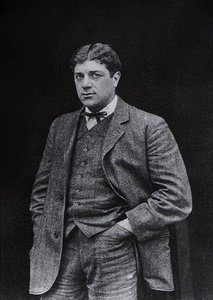
Georges Braque
1882 - 1963 , Francia
Breves datos
- Artistas Influenciados Por Este Artista: ['Pablo Picasso']
- Artistas Que Influyeron:
- Henri Matisse
- André Derain
- Paul Cézanne
- Fecha De Muerte: 31 de agosto de 1963
- Fecha De Nacimiento: 13 de mayo de 1882
- Lugar De Nacimiento: Argenteuil, Francia
- Movimiento Artístico: Cubismo, Fauvismo
- Nacionalidad: Francés
- Nombre Completo: Georges Braque
- Obras Notables:
- Casas en L'Estaque
- La paciencia (Fauvismo)
- Violin y Paleta
- Mandola

