

 Ver en contexto
 Enviar
 Compartir
 Detalles

 Descargar
 Similares
 Radiografía
 Presentación de diapositivas
Cenephore


 Ver más
Reproducción al óleo hecha a mano
Óleo sobre lienzo pintado a mano en el tamaño y marco de su elección, realizado por encargo por nuestros artistas. ( Comprar impresión Comprar imagen)




P118B $10

P118H $10

P118W $10

P438Z $10

P508JH $12

P508YH $12

P805H $10

P805Z $10

P919BZ $10

P919G $10

P919XJ $10

P959ZH $10

P968JZ $12

W106C $8

W218G $10

W218JH $8

W218Y $10

W307PJ $10

W316G $10

W316PJ $8

W316Y $10

W398PJ $8

W4111J $10

W500HY $15

W500JH $15

W692G $12

W849H $8

W940BG $15

W953PJ $8




Elija entre nuestros tamaños predefinidos que respetan las proporciones originales de la obra.

Puede ingresar sus propias dimensiones para adaptarse a un marco o espacio específico. Si el tamaño seleccionado no coincide con las proporciones de la imagen original, recortaremos la obra o extenderemos la pintura con elementos adicionales pintados a mano. Se le enviará una maqueta digital para su aprobación antes de comenzar la producción.
Tenga en cuenta que la vista previa en pantalla no refleja el recorte o la extensión reales. Solo la maqueta mostrará con precisión la composición final.
Si bien existen tamaños personalizados, recomendamos seleccionar una dimensión de la lista predefinida para preservar las proporciones originales.
Tras realizar el pedido, el equipo de OriginalUniqueArt.com enviará un correo electrónico al cliente para solicitar instrucciones y proporcionarle una vista previa del boceto.
Envío a todo el mundo () en 3-4 semanas en lugar de las 5 semanas estándar. (27 agosto). Sin comprometer la calidad.

Envío exprés gratuito a todo el mundo

Lienzo de lino de alta calidad

Seguro de envío total

Garantía de reembolso de impuestos aduaneros

Garantía de fidelidad cromática exacta

Política de devolución de 60 días (solo por defectos)

Garantía de devolución del 100% del dinero

Descuento por cantidad
 La opción de vidrio solo está disponible en tamaños inferiores a 110 cm.

Cenephore
Técnica de reproducción
Dimensiones de la reproducción
-


Precio total final
$ 300
A Symphony of Geometric Shadows
In the quiet, monochromatic realm of Georges Braque’s Cenephore, we encounter a moment frozen in the profound transition of modern art. Painted during the pivotal years of 1908-1909, this masterpiece serves as a hauntingly beautiful bridge between the tangible world and the abstract intellect. At first glance, the viewer is met with a stark, silvery palette—a deliberate choice by Braque to strip away the distractions of color, forcing an intimate confrontation with form itself. The subject, a woman poised in a state of spiritual or contemplative grace, extends her arms toward the heavens, her silhouette emerging from a sea of grey tones and interlocking planes. This is not merely a portrait; it is an exploration of how light and shadow can construct a soul through the language of geometry.
The technique employed here is nothing short of revolutionary, marking one of the earliest and most potent expressions of Cubism. Braque, working alongside his contemporary Pablo Picasso, began to dismantle the traditional illusion of depth that had dominated Western art since the Renaissance. In Cenephore, the human figure is deconstructed into a rhythmic arrangement of rectangles, triangles, and circles. There is no soft anatomical curve that escapes the artist's geometric discipline; instead, every limb and gesture is part of a larger, structural harmony. The background, featuring a subtle checkered pattern, further destabilizes our sense of space, creating a captivating visual tension where the figure seems to both emerge from and merge into the very fabric of the canvas.
The Soul Within the Structure
Beyond its technical brilliance, the emotional resonance of Cenephore lies in its ability to evoke a sense of sacred stillness. The woman’s outstretched arms suggest a gesture of prayer or perhaps an awakening, imbuing the piece with a spiritual weight that transcends its fragmented appearance. This interplay between the rigid, mathematical precision of the Cubist style and the fluid, emotional vulnerability of the subject creates a profound psychological depth. For the collector or the interior designer, this painting offers more than just aesthetic value; it provides a focal point of intellectual curiosity and meditative calm. It is a piece that demands a slow gaze, rewarding the observer with new layers of meaning each time the light hits its textured surfaces.
To possess a reproduction of such a seminal work is to bring a fragment of art history’s most transformative era into one's personal space. Cenephore embodies the spirit of the avant-garde—the courage to break, the wisdom to rebuild, and the vision to find beauty in the fractured. Whether placed in a minimalist contemporary gallery or a sophisticated, classic study, this artwork acts as a silent conductor of atmosphere, inviting all who view it to reconsider the very nature of perception and the enduring power of geometric harmony.
Biografía del artista
**vida temprana y formación**
georges braque, un destacado pintor francés, collageador, dibujante, grabador y escultor, nació el 13 de mayo de 1882 en Argelo, Val-d'Oise. Creció en Le Havre y inicialmente se formó para ser pintor de casas y decorador, como su padre y abuelo. Sin embargo, las inclinaciones artísticas de Braque lo llevaron a estudiar pintura en la École des Beaux-Arts en Le Havre de 1897 a 1899.**evolución artística y fauvismo**
En 1902, después de completar su aprendizaje con un decorador en París, Braque asistió a la Academia Humbert hasta 1904. Este período marcó su introducción al fauvismo, un estilo caracterizado por colores vibrantes y respuestas emocionales. Influenciado por las obras de henri matisse y andré derain, Braque adoptó un enfoque fauvista, como se ve en su pintura the patience (fauvismo, óleo sobre lienzo).**contribución al cubismo**
La colaboración de Braque con pablo picasso desde 1908 hasta 1912 llevó al desarrollo del cubismo. Sus obras cubistas analíticas, como georges braque: the patience y pablo picasso: clarinet(cubismo analítico, óleo sobre lienzo), se consideran hitos en la historia del arte.**legado y obras notables**
* Houses at l'Estaque: un testimonio del uso innovador de la geometría y la perspectiva simultánea de Braque. * The Patience(fauvismo, óleo sobre lienzo): demuestra el estilo fauvista de Braque. * Clarinet(cubismo analítico, óleo sobre lienzo): una obra cubista colaborativa con Picasso.**museos y colecciones**
* Musée d'Orsay: presenta una extensa colección de arte impresionista y postimpresionista, incluyendo obras de Braque. * Musée de l'Orangerie: exhibe una amplia gama de obras de arte, incluyendo las de Braque y otros artistas notables.- Descubra más sobre la vida y obra de Georges Braque en OriginalUniqueArt.com
- Explore la colección del Musée d'Orsay, que presenta obras de Braque y otros artistas, en Musée d'Orsay - Wikipedia
- Aprenda más sobre el fauvismo y su influencia en el desarrollo del cubismo con el movimiento artístico fauvista en OriginalUniqueArt.com
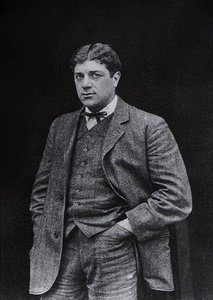
Georges Braque
1882 - 1963 , Francia
Datos clave
- Artistas Influenciados Por Este Artista: ['Pablo Picasso']
- Artistas Que Influyeron:
- Henri Matisse
- André Derain
- Paul Cézanne
- Fecha De Muerte: 31 de agosto de 1963
- Fecha De Nacimiento: 13 de mayo de 1882
- Lugar De Nacimiento: Argenteuil, Francia
- Movimiento Artístico: Cubismo, Fauvismo
- Nacionalidad: Francés
- Nombre Completo: Georges Braque
- Obras Notables:
- Casas en L'Estaque
- La paciencia (Fauvismo)
- Violin y Paleta
- Mandola
Artículos relacionados

Mastering Cubism: The Top 25 Georges Braque Artworks to Know
Journey through the revolutionary world of Georges Braque. From Analytical Cubism to iconic still lifes, explore 25 timeless masterpieces and find museum-quality art reproductions for your collection. Discover all masterpieces on OriginalUniqueArt.com.

Mastering Cubism: The 25 Greatest Georges Braque Artworks
Journey through the revolutionary world of Georges Braque. Explore 25 iconic Cubist masterpieces, from geometric abstractions to timeless textures. Find inspiration for your collection with museum-quality art reproductions and curated decor ideas. Discover all masterpieces on OriginalUniqueArt.com.
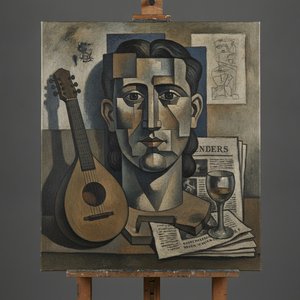
Mastering Cubism: The Top 25 Essential Georges Braque Artworks
Journey through the revolutionary world of Georges Braque. Explore 25 iconic Cubist masterpieces, from geometric abstractions to Fauvist colors. Find inspiration for your collection with museum-quality art reproductions and curated decor ideas. Discover all masterpieces on OriginalUniqueArt.com.
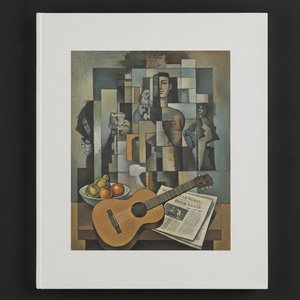
Mastering Cubism: The Top 25 Georges Braque Artworks
Journey through the revolutionary world of Georges Braque. Explore 25 iconic Cubist masterpieces, from geometric abstractions to timeless still lifes. Find inspiration for your collection with museum-quality art reproductions. Discover all masterpieces on OriginalUniqueArt.com.

Cubism Unveiled: How Picasso and Braque Redefined Modern Art through Geometric Revolution
Explore the revolutionary world of Cubism. Discover how Pablo Picasso and Georges Braque dismantled perspective to redefine modern art through geometric innovation and analytical mastery. An essential guide for art students, collectors, and history enthusiasts.



