- Inicio

- Impresión en lienzo
- Georges Braque
- Cabezas de caballo

 Preview
 Encargar reproducción Comprar imagen en alta resolución
 Enviar
 Compartir
 Detalles
 Añadir a favoritos

 Descargar
 Similares
 Radiografía
 Presentación de diapositivas
Cabezas de caballo


 Ver más
Giclée / Impresión de arte
Impresión giclée o en lienzo de calidad de museo con producción rápida y opciones de acabado flexibles.




P118B $10

P118H $10

P118W $10

P438Z $10

P508JH $12

P508YH $12

P805H $10

P805Z $10

P919BZ $10

P919G $10

P919XJ $10

P959ZH $10

P968JZ $12

W106C $8

W218G $10

W218JH $8

W218Y $10

W307PJ $10

W316G $10

W316PJ $8

W316Y $10

W398PJ $8

W4111J $10

W500HY $15

W500JH $15

W692G $12

W849H $8

W940BG $15

W953PJ $8




Elija entre nuestros tamaños predefinidos que respetan las proporciones originales de la obra.

Puede introducir sus propias dimensiones para adaptarse a un marco o espacio específico. Si el tamaño seleccionado no coincide con las proporciones de la imagen original, recortaremos la obra de arte o extenderemos la imagen con un borde con efecto espejo o de color sólido. Se enviará una maqueta digital para su aprobación antes de que comience la producción.
Tenga en cuenta que la vista previa en pantalla no refleja el recorte o la extensión real. Solo la maqueta mostrará con precisión la composición final.
Aunque existen tamaños personalizados, recomendamos seleccionar una dimensión de la lista predefinida para preservar las proporciones originales.
Entrega mundial () en 2 semanas en lugar de las 4/5 semanas estándar. (23 julio)

Envío exprés gratuito a todo el mundo

Lienzo de lino de alta calidad

Seguro de envío total

Garantía de reembolso de impuestos aduaneros

Garantía de fidelidad de color

Política de devolución de 60 días (solo por defectos)

Garantía de devolución del 100% del dinero

Descuento por pedido múltiple
 La opción de vidrio solo está disponible en tamaños inferiores a 110 cm.

Cabezas de caballo
Giclée / Impresión de arte
Tamaño de la reproducción
-


Precio total final
-
Descripción de la obra
Little horse head: Decoding Braque’s Artistic Vision
Georges Braque's *Little Horse Head*, a deceptively simple black and white photograph of a sculpture, transcends its apparent minimalism to reveal layers of intellectual exploration and artistic innovation. More than just documentation—it’s an invitation into the artist’s mind, grappling with fundamental questions about perception and representation within the burgeoning landscape of early 20th-century art. The image immediately commands attention through its stark contrast: a stylized horse's head emerging from a rough-hewn rock formation against a dark, muted background—a deliberate choice that prioritizes form and texture over realistic depiction.The Echoes of Cubism and Beyond
To truly appreciate *Little Horse Head*, one must situate it firmly within the context of Braque’s pivotal role in establishing Cubism alongside Pablo Picasso. This movement represented a radical departure from traditional artistic conventions, rejecting illusionistic perspective and embracing fragmentation as a means of conveying multiple viewpoints simultaneously. The sculpture embodies these principles—simplified forms mirroring the complexities of reality—but crucially, it possesses a poetic quality that transcends mere geometric abstraction. Braque wasn’t simply dismantling an image; he was reconstructing it, revealing new truths about how we perceive the world around us. This transitional piece speaks to the artist's ongoing engagement with natural forms while simultaneously pushing boundaries of artistic expression.A Study in Texture and Light
The photograph itself is masterful in its execution. The lighting—particularly strong contrasts—highlights the sculptural qualities of both the horse head and the rock base, emphasizing their uneven surfaces and creating dramatic shadows that accentuate contours. Braque’s decision to render the sculpture in monochrome intensifies this effect, stripping away color distractions and focusing attention on the tactile experience of observing the artwork. The rough texture of the stone—captured with remarkable detail—contrasts sharply with the stylized form of the horse head, prompting contemplation about the relationship between natural materiality and artistic interpretation.Symbolism and Artistic Intent
Beyond its technical prowess, *Little Horse Head* carries symbolic weight. The horse itself has long been associated with strength, nobility, and vitality – qualities Braque sought to convey through his reductive style. Furthermore, the juxtaposition of the horse head and rock—representing permanence versus dynamism—suggests a meditation on themes of time, change, and the enduring beauty of nature. It’s a piece that invites viewers to consider not just what they see but also what it communicates about Braque's artistic vision and his desire to capture the essence of form itself.A Legacy of Innovation
Georges Braque (1882-1963) remains one of the most influential painters of the 20th century, a pioneer of Cubism and a champion of experimentation. *Little Horse Head*, with its understated elegance and profound intellectual depth, exemplifies his commitment to challenging conventions and exploring new avenues for artistic expression—a legacy that continues to inspire artists and collectors alike.Biografía del artista
**vida temprana y formación**
georges braque, un destacado pintor francés, collageador, dibujante, grabador y escultor, nació el 13 de mayo de 1882 en Argelo, Val-d'Oise. Creció en Le Havre y inicialmente se formó para ser pintor de casas y decorador, como su padre y abuelo. Sin embargo, las inclinaciones artísticas de Braque lo llevaron a estudiar pintura en la École des Beaux-Arts en Le Havre de 1897 a 1899.**evolución artística y fauvismo**
En 1902, después de completar su aprendizaje con un decorador en París, Braque asistió a la Academia Humbert hasta 1904. Este período marcó su introducción al fauvismo, un estilo caracterizado por colores vibrantes y respuestas emocionales. Influenciado por las obras de henri matisse y andré derain, Braque adoptó un enfoque fauvista, como se ve en su pintura the patience (fauvismo, óleo sobre lienzo).**contribución al cubismo**
La colaboración de Braque con pablo picasso desde 1908 hasta 1912 llevó al desarrollo del cubismo. Sus obras cubistas analíticas, como georges braque: the patience y pablo picasso: clarinet(cubismo analítico, óleo sobre lienzo), se consideran hitos en la historia del arte.**legado y obras notables**
* Houses at l'Estaque: un testimonio del uso innovador de la geometría y la perspectiva simultánea de Braque. * The Patience(fauvismo, óleo sobre lienzo): demuestra el estilo fauvista de Braque. * Clarinet(cubismo analítico, óleo sobre lienzo): una obra cubista colaborativa con Picasso.**museos y colecciones**
* Musée d'Orsay: presenta una extensa colección de arte impresionista y postimpresionista, incluyendo obras de Braque. * Musée de l'Orangerie: exhibe una amplia gama de obras de arte, incluyendo las de Braque y otros artistas notables.- Descubra más sobre la vida y obra de Georges Braque en OriginalUniqueArt.com
- Explore la colección del Musée d'Orsay, que presenta obras de Braque y otros artistas, en Musée d'Orsay - Wikipedia
- Aprenda más sobre el fauvismo y su influencia en el desarrollo del cubismo con el movimiento artístico fauvista en OriginalUniqueArt.com
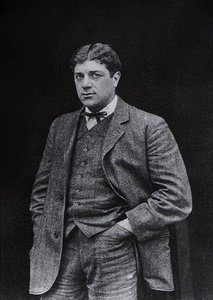
Georges Braque
1882 - 1963 , Francia
Datos clave
- Artistas Influenciados Por Este Artista: ['Pablo Picasso']
- Artistas Que Influyeron:
- Henri Matisse
- André Derain
- Paul Cézanne
- Fecha De Muerte: 31 de agosto de 1963
- Fecha De Nacimiento: 13 de mayo de 1882
- Lugar De Nacimiento: Argenteuil, Francia
- Movimiento Artístico: Cubismo, Fauvismo
- Nacionalidad: Francés
- Nombre Completo: Georges Braque
- Obras Notables:
- Casas en L'Estaque
- La paciencia (Fauvismo)
- Violin y Paleta
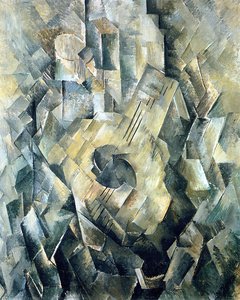
- Mandola
Artículos relacionados
Deconstruyendo la Realidad: El Impacto Revolucionario del Cubismo en el Arte del Siglo XX
Descubra el revolucionario impacto del Cubismo en el arte del siglo XX. Análisis profundo de Picasso, Braque y su legado. Guía para coleccionistas apasionados e inversores.

Las 10 Obras Maestras de Bronce que Revolucionaron la Historia del Arte | OriginalUniqueArt
Descubre las 10 esculturas de bronce más influyentes de la historia del arte. Explora obras maestras de Rodin, Degas y otros genios. Encuentra reproducciones de arte de calidad museo en OriginalUniqueArt.com.
Los 10 Maestros del Cubismo: Obras que Revolucionaron el Arte |
Descubre los 10 lienzos cubistas que revolucionaron el arte moderno. Explora la historia de Picasso, Braque y otros maestros del cubismo en . Reproducciones de alta calidad para tu hogar.
Alexander Calder: Kinetic Sculpture, Mobile Art & the Poetics of Chance
Explore the revolutionary world of Alexander Calder's kinetic sculptures & mobiles. Discover insights for collectors, acquisition advice, and the enduring legacy of this modern master. Expert analysis & art valuation.
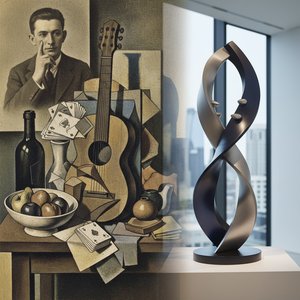
Georges Braque: Pioneering Cubism & the Evolution of Modern Form
Explore the revolutionary art of Georges Braque, a pioneer of Cubism alongside Picasso. Discover his artistic evolution, key works, and lasting impact on modern art. A guide for discerning collectors.