Ver en contexto
 Enviar
 Compartir
 Detalles
 Guía
Guía

 Descargar
 Similares
 Radiografía
 Presentación de diapositivas
 Estadísticas
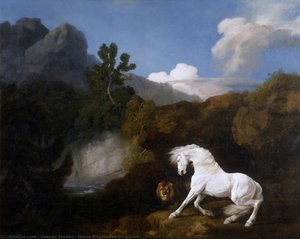
Finished study for


 Ver más
Reproducción al óleo hecha a mano
Óleo sobre lienzo pintado a mano en el tamaño y marco de su elección, realizado por encargo por nuestros artistas. ( Cambiar a impresiones Cambiar a imagen digital)




P118B €10

P118H €10

P118W €10

P438Z €10

P508JH €12

P508YH €12

P805H €10

P805Z €10

P919BZ €10

P919G €10

P919XJ €10

P959ZH €10

P968JZ €12

W106C €8

W218G €10

W218JH €8

W218Y €10

W307PJ €10

W316G €10

W316PJ €8

W316Y €10

W398PJ €8

W4111J €10

W500HY €15

W500JH €15

W692G €12

W849H €8

W940BG €15

W953PJ €8




Elija entre nuestros tamaños predefinidos que respetan las proporciones originales de la obra.

Indique el ancho y el alto que necesite para adaptarse a su marco o pared. Al tratarse de una obra pintada a mano, si requiere un tamaño con una proporción distinta, el artista puede pintar un poco más alrededor de la imagen o recortarla ligeramente; usted elige. Le enviaremos una maqueta digital para su aprobación antes de comenzar la pintura. La imagen que se muestra en esta página no refleja el resultado real; solo la maqueta lo hace.
Tras realizar el pedido, el equipo de OriginalUniqueArt.com enviará un correo electrónico al cliente para solicitar instrucciones y proporcionarle una vista previa del boceto.
Envío a todo el mundo () en 3-4 semanas en lugar de las 5 semanas estándar. (27 octubre). Sin comprometer la calidad.

Envío exprés gratuito a todo el mundo

Lienzo de lino de alta calidad

Seguro de envío total

Garantía de reembolso de aranceles aduaneros

Garantía de fidelidad cromática exacta

Política de devolución de 100 días (solo por defectos)

Garantía de devolución del 100% del dinero

Descuento por cantidad
 La opción de vidrio solo está disponible en tamaños inferiores a 110 cm.

Finished study for
Técnica de reproducción
Dimensiones de la reproducción
-


Precio total final
€ 264
George Stubbs’ Anatomical Precision: A Window into the Romantic Horse
George Stubbs' “Finished Study for The First Anatomical Table of the Muscles…of the Horse,” created in 1758, is far more than a mere scientific illustration; it’s a profound meditation on life, death, and the sublime beauty of the animal kingdom. This remarkably detailed graphite and charcoal drawing offers an intimate glimpse into the mind of one of history's most visionary artists, revealing not just the mechanics of equine anatomy but also Stubbs’ deep-seated fascination with capturing the essence of movement and emotion within his subjects.
Stubbs’ journey to this level of anatomical understanding was a deliberate one. Initially trained as a currier – a leatherworker – he recognized early on that true artistic representation demanded an intimate knowledge of the forms he sought to depict. He abandoned his family trade and, driven by an almost obsessive curiosity, apprenticed himself to Charles Atkinson, a surgeon at York County Hospital, immersing himself in the study of human anatomy. This foundational experience proved invaluable when he turned his attention to horses, creatures that had long captivated him. Stubbs’ relentless dissection of dozens of equine corpses – a practice considered somewhat morbid at the time – yielded an unparalleled understanding of muscle structure, skeletal alignment, and the subtle nuances of movement. The resulting drawings are not simply accurate representations; they are infused with a palpable sense of vitality.
A Romantic Vision of the Beast
“Finished Study” firmly places Stubbs within the burgeoning Romantic movement, a period characterized by an emphasis on emotion, imagination, and the power of nature. Unlike earlier depictions of horses that often prioritized idealized beauty or heroic narratives, Stubbs’ work focuses on the raw physicality of the animal – its strength, vulnerability, and inherent wildness. The skeletal structure is rendered with meticulous precision, yet it's not presented as a cold, lifeless arrangement. Instead, the lines suggest a dynamic tension, hinting at the potential for movement and action. The drawing anticipates the dramatic, almost theatrical compositions that would later define Romantic painting, particularly in Stubbs’ monumental equine paintings like “Whistlejacket.”
Furthermore, the choice of subject matter itself is significant. Horses were not merely beasts of burden or symbols of power; they represented a connection to the untamed wilderness – a realm of primal instinct and boundless energy. Stubbs' dedication to anatomical accuracy reflects a broader Romantic interest in understanding the natural world through scientific observation, but it’s coupled with an appreciation for the sublime—that feeling of awe and wonder inspired by confronting something vast and powerful.
Technique and Symbolism
The drawing’s power lies not only in its subject matter but also in Stubbs' masterful technique. The use of precise, linear hatching creates a remarkable sense of volume and depth, transforming the skeletal structure into a tangible presence on the page. Subtle variations in line density suggest the contours of muscle tissue beneath the bone, conveying a remarkable level of realism. The grayscale palette – devoid of color – emphasizes form and structure, lending the image an almost sculptural quality.
Beyond its technical merits, “Finished Study” carries symbolic weight. The depiction of death—represented through the skeletal remains—can be interpreted as a meditation on mortality and the cyclical nature of life. Yet, it’s not presented in a morbid light; rather, it serves to highlight the underlying beauty and inherent dignity of the animal form. The drawing ultimately celebrates the enduring power of nature and the artist's ability to capture its essence with both scientific rigor and artistic sensitivity.
A Legacy of Anatomical Mastery
George Stubbs’ “Finished Study for The First Anatomical Table of the Muscles…of the Horse” stands as a testament to his unparalleled skill and profound understanding of the animal world. It is a pivotal work in art history, bridging the gap between scientific observation and artistic expression. Reproductions of this remarkable drawing offer a unique opportunity to appreciate Stubbs’ genius and to contemplate the enduring power of nature—a timeless subject that continues to inspire artists and captivate audiences today.
Preguntas y respuestas
¿Cómo puedo ver "Finished study for" de George Stubbs en formato de presentación?
Puede ver "Finished study for" de George Stubbs en formato de diapositivas en la página de Galería de imágenes de la obra.
¿Puedo ver "Finished study for" de George Stubbs en mi propia pared antes de comprarlo?
La página de Vista previa en RA de "Finished study for" de George Stubbs utiliza realidad aumentada para mostrar la obra en su propio espacio, mediante un dispositivo compatible.
¿Para qué se recomienda una reproducción de "Finished study for" de George Stubbs?
Se recomienda una reproducción de "Finished study for" de George Stubbs para Reflective, basándose en el tema, la atmósfera y los colores de la obra.
Biografía del artista
Primeros años y formación
George Stubbs, un renombrado pintor inglés, nació el 25 de agosto de 1724 en Liverpool, Reino Unido. Su vida temprana estuvo marcada por una escasa documentación hasta la edad de 35 años, siendo la mayor parte de la información obtenida de los memorias de Ozias Humphry, basadas en conversaciones con Stubbs en 1794. Stubbs comenzó su trayectoria artística a los 15 años, trabajando inicialmente bajo la tutela de su padre, un curtidor o tratador de cuero. Posteriormente, se acercó a Hamlet Winstanley, un pintor y grabador de Lancashire, para realizar una breve pasantía. Este corto período le permitió estudiar la colección en Knowsley Hall.Desarrollo artístico y obras notables
La pasión de Stubbs por la anatomía lo llevó a trasladarse a York en 1744, donde estudió bajo el cirujano Charles Atkinson en el Hospital del Condado de York. Una de sus primeras obras sobrevivientes es un conjunto de ilustraciones para el libro de texto sobre obstetricia de John Burton, publicado en 1751. En 1756, Stubbs alquiló una granja en Lincolnshire y pasó 18 meses diseccionando caballos, asistido por su compañera común-ley, Mary Spencer. Esto condujo a la publicación de La anatomía del caballo en 1766, con dibujos originales ahora alojados en la Royal Academy. El trabajo de Stubbs pronto fue reconocido por destacados mecenas aristocráticos, incluyendo el tercer duque de Richmond, quien encargó tres grandes cuadros en 1759. Esto marcó el comienzo de su exitosa carrera, con obras producidas para varios duques y señores, culminando en la compra de una casa en Marylebone, Londres.Legado y pinturas destacadas
Su obra más famosa, Whistlejacket, una pintura de un caballo troton que se eleva sobre sus patas traseras, encargada por el segundo marqués de Rockingham, ahora se encuentra alojada en la National Gallery de Londres. Esta, junto con otras dos pinturas para Rockingham, rompe con la convención de presentar fondos anodinos.- Whistlejacket, un caballo de raza pura que se eleva sobre sus patas traseras, muestra las incomparables habilidades de Stubbs para capturar la esencia de los caballos.
Influencias y estilo
El profundo interés de Stubbs por la anatomía es evidente en su trabajo, que se caracteriza por una precisión científica sin precedentes en la representación de animales. Su estudio exhaustivo de la anatomía equina le permitió capturar con gran detalle la musculatura, los huesos y el movimiento del caballo. Aunque influenciado por artistas anteriores como James Seymour y John Wootton, Stubbs desarrolló un estilo único que se distingue por su realismo detallado, sus fondos a menudo minimalistas y su uso magistral de la luz y la sombra. Su obra también muestra una influencia del arte clásico, particularmente en su interés por la representación precisa de la forma humana y animal.Significado histórico
George Stubbs es considerado uno de los pintores más importantes de la historia británica. Sus obras no solo son ejemplos excepcionales de habilidad artística, sino que también ofrecen una valiosa visión de la cultura y la sociedad del siglo XVIII. Su enfoque científico en la representación de animales influyó en generaciones posteriores de artistas, y su legado continúa inspirando a artistas y amantes del arte en todo el mundo.- Explore la obra de Stubbs en https://OriginalUniqueArt.com/@/george_stubbs
- Descubra la colección de la National Gallery en Londres, que presenta las notables obras de Stubbs, en /es/art/show/art-8xyffg-es/
- Aprenda más sobre la vida y obra de Stubbs en Wikipedia en https://es.wikipedia.org/wiki/George_Stubbs
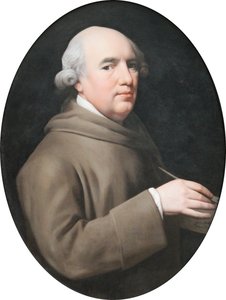
George Stubbs
1724 - 1806 , Reino Unido
Datos clave
- Artistas Que Influyeron: ['Hamlet Winstanley']
- Estilo Artístico: Romanticismo
- Fecha De Muerte: 10 de julio de 1806
- Fecha De Nacimiento: 25 de agosto de 1724
- Influenciado A Artistas:
- Charles Towne
- George Morland
- Thomas Phillips
- Lugar De Nacimiento: Liverpool, Reino Unido
- Nacionalidad: Británico
- Nombre Completo: George Stubbs
- Obras Notables:
- Whistlejacket
- León atacando a un caballo
- The Grosvenor Hunt
Artículos relacionados
George Stubbs: Anatomical Precision & Romantic Vision in 18th-Century British Art
Explore the captivating world of George Stubbs, the 18th-century master renowned for his anatomical precision & Romantic animal paintings. Discover his legacy and investment potential.

Georges Seurat: Las 25 Obras Maestras del Pionero Puntillista | OriginalUniqueArt
Descubre las 25 obras maestras de Georges Seurat, el innovador del puntillismo. Explora su técnica única, colores vibrantes y legado artístico en OriginalUniqueArt.com. Reproducciones de arte de museo para tu hogar.
The Noble Steed on Canvas: A Historical & Artistic Exploration of Horse Painting Across Cultures
Explore the rich history of horse painting! Discover masterpieces from Stubbs to Munnings & learn about symbolism, techniques & artists. Find museum-quality reproductions at OriginalUniqueArt.

Georges Braque: Las 25 Obras Maestras del Cubismo y su Legado en el Arte Moderno
Descubre las 25 obras maestras de Georges Braque, pionero del cubismo. Explora su innovadora técnica, colores y el legado del arte moderno francés. Reproducciones de alta calidad en OriginalUniqueArt.com. ¡Encuentra tu inspiración!
Frederick Bridgman: Anatomical Mastery & the Evolution of Figure Drawing Instruction
Explore the anatomical mastery of George B. Bridgman & his revolutionary figure drawing techniques. Discover how his methods transformed art instruction and continue to inspire artists today. Learn more at OriginalUniqueArt.