

 Vista previa
 Compartir
 Compartir
 Ver detalles
 Guía
Guía

 Descargar
 Ver artículos similares
 Radiografía
 Presentación de diapositivas
 Estadísticas
Frederick R. Spark (1831–1919), JP
 Óleo sobre lienzo
- Arte de pared
- Canadian Romanticism
 1907
1907- Siglo XIX
 102.0 x 84.0 cm
 Galería de Arte de Leeds
 Leer más
Giclée / Impresión de arte
Impresiones giclée o en lienzo de calidad de museo con producción rápida y opciones de acabado flexibles. ( Encargar reproducción pintada a mano Ver versión en imagen digital)




P118B $10

P118H $10

P118W $10

P438Z $10

P508JH $12

P508YH $12

P805H $10

P805Z $10

P919BZ $10

P919G $10

P919XJ $10

P959ZH $10

P968JZ $12

W106C $8

W218G $10

W218JH $8

W218Y $10

W307PJ $10

W316G $10

W316PJ $8

W316Y $10

W398PJ $8

W4111J $10

W500HY $15

W500JH $15

W692G $12

W849H $8

W940BG $15

W953PJ $8




Elija entre nuestros tamaños predefinidos que respetan las proporciones originales de la obra.

Puede introducir sus propias dimensiones para adaptarse a un marco o espacio específico. Si el tamaño seleccionado no coincide con las proporciones de la imagen original, recortaremos la obra de arte o extenderemos la imagen con un borde con efecto espejo o de color sólido. Se enviará una maqueta digital para su aprobación antes de que comience la producción.
Tenga en cuenta que la vista previa en pantalla no refleja el recorte o la extensión real. Solo la maqueta mostrará con precisión la composición final.
Aunque existen tamaños personalizados, recomendamos seleccionar una dimensión de la lista predefinida para preservar las proporciones originales.
Envío a todo el mundo () en 2 semanas en lugar de las 4/5 semanas estándar. (25 septiembre)

Envío exprés gratuito a todo el mundo

Lienzo de lino de alta calidad

Seguro de envío completo

Garantía de reembolso de impuestos aduaneros

Garantía de fidelidad cromática exacta

Política de devolución de 100 días (solo por defectos)

Garantía de devolución del 100% del dinero

Oferta por volumen
 La opción de vidrio solo está disponible en tamaños inferiores a 110 cm.

Frederick R. Spark (1831–1919), JP
Giclée / Impresión de arte
Tamaño de la reproducción
-


Precio total
$ 80
A Moment of Quietude: The Soul of Frederick R. Spark
In the soft, diffused light of 1907, George Reid captured more than just a likeness; he bottled a moment of profound stillness. His portrait of Frederick R. Spark, JP, serves as a breathtaking window into the heart of Canadian Impressionism, offering a glimpse into a life defined by intellectual depth and civic duty. As we gaze upon this masterwork, we are not merely observing a prominent Justice of Peace from Wingham, Ontario; we are invited to share in his contemplative repose. The painting transcends the boundaries of traditional portraiture, moving beyond the mere documentation of a man’s features to explore the very psychological landscape of his character. There is an unmistakable aura of serenity that radiates from the canvas, a hallmark of Reid’s ability to communicate inner peace through the subtle interplay of light and shadow.
The composition is a masterclass in deliberate arrangement and spatial hierarchy. Spark is positioned with a dignified grace, seated comfortably in an armchair that anchors him within the frame. The presence of another chair, placed slightly behind him, creates a sense of depth and social context, suggesting a life lived within the structured layers of community and responsibility. A book rests gently upon his lap, acting as a visual anchor that symbolizes his scholarly pursuits and the weight of his legal vocation. Every element, from the way his hands are clasped in a gesture of composure to the subtle gleam on his spectacles, works in harmony to tell a story of wisdom earned through years of dedicated service.
The Impressionist Touch: Light, Texture, and Technique
To behold this painting is to witness the delicate dance of alla prima technique. Eschewing the rigid, photographic realism of the academic tradition, Reid embraced the fluid beauty of Impressionism, utilizing loose, visible brushstrokes to capture the ephemeral qualities of atmosphere. He applied pigments directly onto the canvas, allowing colors to blend with a vibrancy that imbues the scene with an organic warmth. This approach is particularly evident in the rendering of light; a soft, natural illumination bathes Spark’s face and upper torso, highlighting the delicate textures of his skin and the fine folds of his formal attire.
The artist’s palette is a sophisticated study in muted tones—rich browns, soft greys, and creamy highlights—which lends the work an air of timelessness and authority. While the background dissolves into a soft, dark blur to ensure the subject remains the undisputed focus, the edges of the figure possess an ethereal quality. This skillful blending creates a sense of movement within the stillness, as if the very air around the subject is alive with the quiet energy of thought. For the discerning collector or interior designer, this technique offers a remarkable visual depth that can transform a room, providing a focal point that feels both historically significant and strikingly modern.
A Legacy of Dignity for the Modern Collector
Beyond its technical brilliance, Frederick R. Spark, JP carries an emotional resonance that is deeply moving. It stands at the fascinating crossroads of late Victorian restraint and the emerging modernist sensibility of the early twentieth century. The painting evokes a sense of nostalgia for an era of steadfastness and intellectual gravitas, making it an ideal acquisition for those who seek art that inspires reflection and provides a sense of calm within a contemporary space. Whether placed in a private study, a sophisticated library, or a curated gallery wall, this reproduction brings with it the weight of history and the lightness of peace.
Owning a high-quality reproduction of this piece allows one to integrate the profound dignity of Reid’s vision into the modern home. It is an invitation to slow down, to look closer, and to find beauty in the quiet moments of reflection that define our own lives. For those looking to decorate with purpose, this artwork offers more than just aesthetic appeal; it offers a window into a soul, a testament to a life well-lived, and a permanent anchor of tranquility.
Biografía del artista
Vida Temprana y Educación
- George Agnew Reid nació en Wingham, Canadá Oeste (ahora Ontario), el 18 de febrero de 1860.
- Recibió su formación artística inicial en la Central Ontario School of Art en Toronto en 1879, estudiando bajo la tutela de Robert Harris.
- Reid continuó su educación en la Pennsylvania Academy of the Fine Arts en Filadelfia desde 1882 hasta 1885, donde se convirtió en protegido de Thomas Eakins y conoció a su futura esposa, Mary Hiester Reid.
- Estudios adicionales lo llevaron a París, donde asistió a las Academias Julian y Colarossi, y también pasó tiempo en el Museo del Prado en Madrid (1888-1889).
Desarrollo Artístico y Estilo
- Inicialmente enfocado en el retrato, Reid hizo la transición a la pintura de género durante sus viajes europeos.
- The Foreclosure of the Mortgage (1893) es un ejemplo notable de su trabajo narrativo temprano que le valió reconocimiento.
- Combinó la precisión académica parisina con toques impresionistas en sus pinturas, particularmente aquellas que representan la vida de Ontario.
- El estilo de Reid a menudo se centró en escenas y narrativas emocionalmente resonantes, capturando las experiencias cotidianas de las comunidades rurales.
- Su obra demuestra una aguda observación de la luz y la atmósfera, contribuyendo al realismo y la profundidad emocional de sus composiciones.
Carrera y Logros Principales
- Reid fue elegido miembro de la Royal Canadian Academy of Arts en 1889, consolidando su posición dentro de la comunidad artística canadiense.
- Sirvió como Director de la Central Ontario School of Art and Design (más tarde OCAD University) desde 1912 hasta 1918, influyendo significativamente en la educación artística en Canadá.
- Obras notables incluyen pinturas de género como The Foreclosure of the Mortgage, así como murales y piezas encargadas para edificios públicos, incluido el tercer Ayuntamiento de Toronto.
- En 1922, se casó con la también artista Mary E. Wrinch, formando una colaboración artística.
- Las contribuciones de Reid se extendieron más allá de la pintura para incluir proyectos arquitectónicos influenciados por el movimiento Arts and Crafts.
Influencias e Importancia Histórica
- Thomas Eakins, su mentor en la Pennsylvania Academy, impactó profundamente el enfoque de Reid hacia el realismo y la precisión anatómica.
- Su tiempo en París lo expuso a las tendencias artísticas europeas, incluido el Impresionismo, que integró en su propio estilo.
- Reid desempeñó un papel crucial en el establecimiento de una identidad artística canadiense distintiva a través de sus representaciones del paisaje de Ontario y la vida rural.
- Como educador y administrador, fomentó el desarrollo de numerosos artistas canadienses y contribuyó al crecimiento de las instituciones artísticas.
- El legado de George Agnew Reid reside en su capacidad para combinar la formación académica con la sensibilidad emocional, creando obras que resuenan en los espectadores y reflejan las realidades sociales de su tiempo. Es recordado como una figura fundamental en el desarrollo del arte y la educación canadienses.
Vida Posterior y Legado
- Reid continuó pintando y exponiendo a lo largo de su vida, manteniendo una presencia activa en la escena artística canadiense.
- Permaneció comprometido con proyectos de arte público e iniciativas educativas hasta su muerte en 1947.
- Sus obras se encuentran en numerosas colecciones públicas y privadas en todo Canadá, incluida la Art Gallery of Ontario y la National Gallery of Canada.
- Hoy en día, George Agnew Reid es reconocido como una figura significativa en la historia del arte canadiense, celebrado por sus pinturas de género, murales y contribuciones a la educación artística.

george reid
1860 - 1947 , Canadá
Datos clave
- Artistas Que Influyeron: ['Thomas Eakins']
- Fecha De Fallecimiento: 23 de agosto de 1947
- Fecha De Nacimiento: 18 de febrero de 1860
- Lugar De Nacimiento: Wingham, Canadá
- Movimiento Artístico: Pintura de género, Realismo
- Nacionalidad: Canadiense
- Nombre Completo: George Agnew Reid
- Obras Notables:
- The Foreclosure...
- Marsh Marigolds
Artículos relacionados

George Agnew Reid: A Canadian Impressionist's Pursuit of Light, Colour, and National Identity
Explore the life & work of George Agnew Reid, a pivotal figure in Canadian Impressionism. Discover his genre paintings, mural commissions, and lasting influence on art education & national identity. A comprehensive guide for collectors & enthusiasts.

The Enduring Legacy of Formal Portraiture: Power, Identity & Artistic Exploration
Explore the rich history of formal portraiture & its enduring power to capture identity and shape perception. Discover investment-worthy artworks, expert appraisals, and custom reproduction services at OriginalUniqueArt.

Paul Cézanne: Las 25 Obras Maestras que Definieron el Arte Moderno | OriginalUniqueArt
Descubre las 25 obras maestras de Paul Cézanne que revolucionaron el arte moderno. Explora su técnica, inspiración y significado en paisajes, bodegones y retratos. Reproducciones de alta calidad para decorar tu hogar con arte inolvidable. ¡Explora la colección completa en OriginalUniqueArt.com!

Impresionismo: 10 Obras Maestras que Capturan la Luz y el Momento
Descubre 10 obras maestras del impresionismo de Monet, Renoir y Degas. Explora la luz, el color y las historias detrás de estos icónicos cuadros. Reproducciones de arte en OriginalUniqueArt.com para decorar tu hogar con estilo.
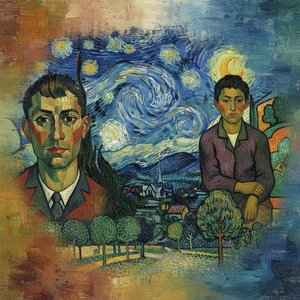
Beyond Impressionism: Exploring Emotional Depth & Formal Innovation in Post-Impressionist Art
Explore the profound emotional depth & formal innovations of Post-Impressionism with our expert guide. Discover Cézanne, Van Gogh, Gauguin & more. Learn about art history, collecting, and investing in this pivotal movement.


