
 Vista previa
 Compartir
 Compartir
 Ver detalles

 Descargar
 Ver similares
 Radiografía
 Presentación de diapositivas
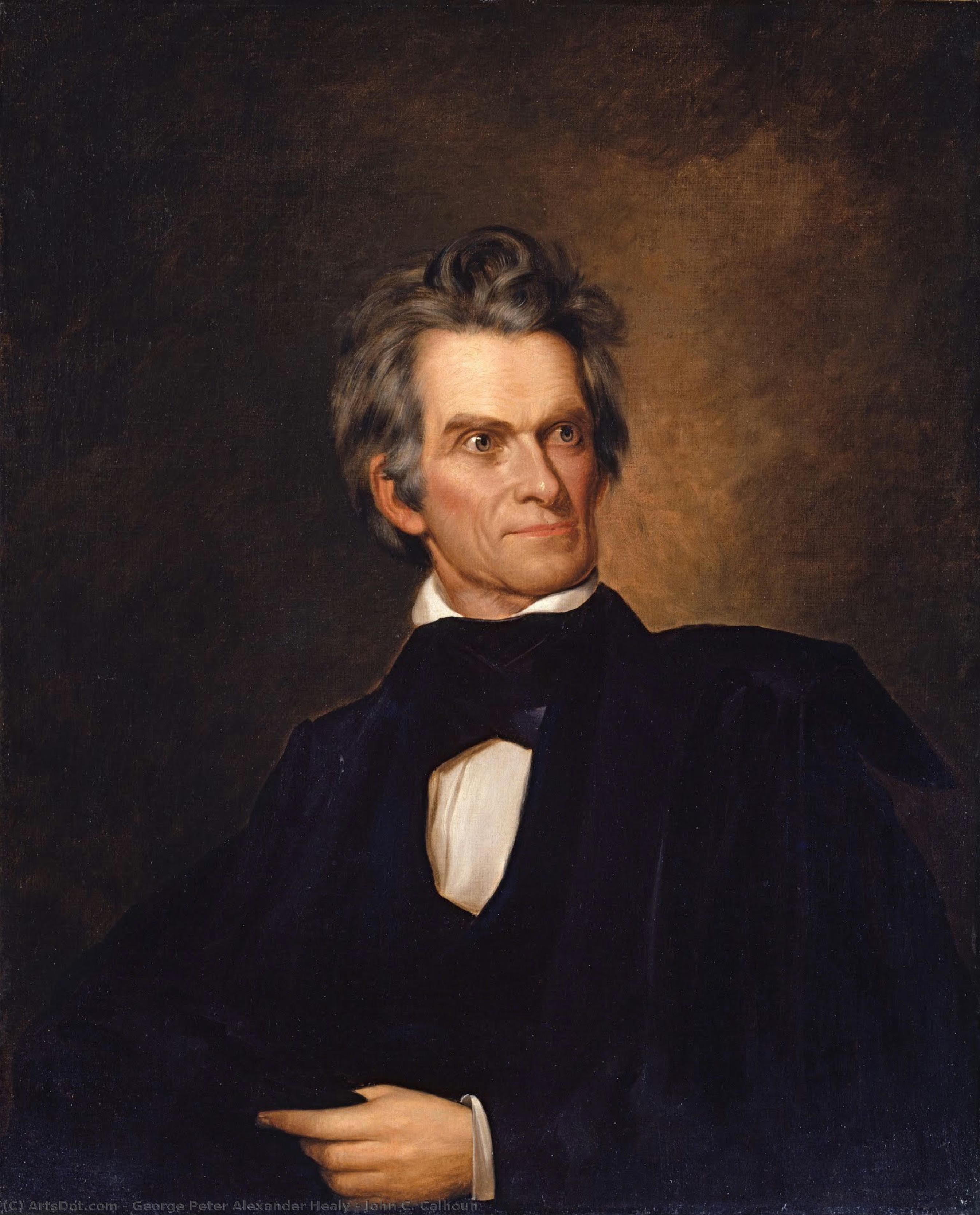
John C. Calhoun
 Oil On Canvas
- WallArt
- Historical Portraiture
 1845
1845 74.0 x 91.0 cm
 National Portrait Gallery
 Leer más
Giclée / Impresión de arte
Impresiones giclée o en lienzo de calidad de museo con producción rápida y opciones de acabado flexibles. ( Encargar reproducción pintada a mano Comprar descarga)




P118B $10

P118H $10

P118W $10

P438Z $10

P508JH $12

P508YH $12

P805H $10

P805Z $10

P919BZ $10

P919G $10

P919XJ $10

P959ZH $10

P968JZ $12

W106C $8

W218G $10

W218JH $8

W218Y $10

W307PJ $10

W316G $10

W316PJ $8

W316Y $10

W398PJ $8

W4111J $10

W500HY $15

W500JH $15

W692G $12

W849H $8

W940BG $15

W953PJ $8




Elija entre nuestros tamaños predefinidos que respetan las proporciones originales de la obra.

Puede introducir sus propias dimensiones para adaptarse a un marco o espacio específico. Si el tamaño seleccionado no coincide con las proporciones de la imagen original, recortaremos la obra de arte o extenderemos la imagen con un borde con efecto espejo o de color sólido. Se enviará una maqueta digital para su aprobación antes de que comience la producción.
Tenga en cuenta que la vista previa en pantalla no refleja el recorte o la extensión real. Solo la maqueta mostrará con precisión la composición final.
Aunque existen tamaños personalizados, recomendamos seleccionar una dimensión de la lista predefinida para preservar las proporciones originales.
Envío a todo el mundo () en 2 semanas en lugar de las 4/5 semanas estándar. (14 agosto)

Envío exprés gratuito a todo el mundo

Lienzo de lino de alta calidad

Seguro de envío completo

Garantía de reembolso de aranceles aduaneros

Garantía de fidelidad cromática exacta

Política de devolución de 60 días (solo por defectos)

Garantía de devolución del 100% del dinero

Oferta por volumen
 La opción de vidrio solo está disponible en tamaños inferiores a 110 cm.

John C. Calhoun
Giclée / Impresión de arte
Tamaño de la reproducción
-


Precio total
$ 80
Descripción de la pieza
A Portrait of Power and Shadow: George Peter Alexander Healy’s John C. Calhoun
George Peter Alexander Healy's 1845 portrait of John C. Calhoun is more than simply a likeness; it’s a carefully constructed visual argument, a window into the complex and often troubling currents of antebellum American politics. Painted during a period of intense debate over slavery and states’ rights, the image captures Calhoun not as a man, but as an embodiment of a particular ideology – one that simultaneously commanded respect and fueled division.
Healy, a prolific portraitist known for his meticulous attention to detail and ability to imbue his subjects with personality, employed a classic, formal style reminiscent of the mid-19th century. The composition is deliberately restrained, focusing entirely on Calhoun himself. He sits in a simple chair, draped in dark, somber attire – a deep brown suit accented by a black tie – colors that immediately evoke seriousness and authority. His hands are clasped gently before him, projecting an image of quiet contemplation, yet also conveying a sense of contained power. The backdrop is equally understated: a muted wall and a book suggest intellectualism and the weight of accumulated knowledge, subtly reinforcing Calhoun’s position as a learned statesman.
The Weight of States' Rights
Calhoun’s posture and expression are key to understanding Healy’s intent. He isn’t smiling; there’s no overt warmth in his gaze. Instead, the portrait suggests a man deeply engaged in thought, wrestling with weighty issues. The slight furrow of his brow hints at the intellectual rigor required to defend his fiercely held beliefs. This is a man accustomed to debate and deliberation, yet also capable of unwavering conviction. The painting’s historical context is crucial: Calhoun was a leading voice for states' rights and nullification – doctrines that argued against federal overreach and asserted the sovereignty of individual states. Healy masterfully captures this intellectual stance, presenting Calhoun as a formidable advocate for a system increasingly threatened by the rising tide of abolitionism.
Symbolism and the Shadow of Slavery
While the portrait primarily focuses on Calhoun’s physical presence, subtle details offer glimpses into the ideological landscape he represented. The book in the background, though not explicitly identified, likely references legal texts – a testament to his extensive knowledge of constitutional law. However, it's important to acknowledge the uncomfortable truth that Calhoun’s defense of states’ rights was inextricably linked to the institution of slavery. His staunch advocacy for white supremacy and the economic necessity of slavery in the South is a dark undercurrent within this portrait. Healy doesn’t directly address this aspect, but by presenting Calhoun as a figure of authority and intellect, he implicitly legitimizes his views – a troubling consequence of the era's political climate.
A Legacy in Oil on Canvas
Measuring 74 x 91 cm, the painting is currently housed at the National Portrait Gallery in London. Healy’s masterful use of oil paints creates a rich and textured surface, capturing the nuances of Calhoun’s face – the lines etched by age and thought, the subtle shifts in expression. The lighting is carefully controlled, emphasizing Calhoun's features and casting shadows that contribute to the portrait’s somber mood. Healy’s work reflects the artistic trends of his time while simultaneously offering a poignant reflection on a pivotal period in American history – a period defined by both ambition and moral compromise.
Collecting a Piece of History
Reproductions of Healy's John C. Calhoun offer an opportunity to own a tangible connection to this complex and consequential figure. Whether displayed in a study, a library, or a room dedicated to American history, this portrait serves as a powerful reminder of the debates that shaped our nation – debates that continue to resonate today. It’s not merely a painting; it's a historical document, a visual testament to the enduring power of ideas and the lasting legacy of John C. Calhoun.
Biografía del artista
Primeros Años y Formación
- Nacimiento: Boston, Estados Unidos de América (15 de julio de 1813)
- Fallecimiento: 1894
Estancia Europea y Desarrollo Artístico
- Estudios: Antoine-Jean Gros (París), Thomas Couture (Roma)
- Salones: Recibió una medalla de tercera clase en el Salón de París en 1840
- Membresía en la Academia: Fue elegido como académico honorario en la National Academy of Design en 1843
Obras Principales y Significado Histórico
- Retratos Notables: John C. Calhoun, James Buchanan, Presidentes de los Estados Unidos (Adams a Grant)
- Pintura Histórica: The Peacemakers (1868) – Representa una sesión estratégica de Lincoln y otros en 1865.
- Retratos de Presidentes Estadounidenses: Healy pintó retratos de todos los presidentes estadounidenses desde John Quincy Adams hasta Ulysses Grant para la Corcoran Gallery en Washington, D.C., demostrando su prominencia y acceso a figuras influyentes.
Vida Posterior y Legado
- Regreso a Chicago: 1892
- Autobiografía: Reminiscencias de un Pintor de Retratos (publicada póstumamente en 1894)
- Sepultura: Cementerio Calvary, Evanston, Illinois

George Peter Alexander Healy
1813 - 1894 , Estados Unidos de América
Datos clave
- Artistas Que Influyeron:
- Antoine-Jean Gros
- Thomas Couture
- Thomas Sully
- Fecha De Fallecimiento: 24 de junio de 1894
- Fecha De Nacimiento: 15 de julio de 1813
- Lugar De Nacimiento: Boston, Estados Unidos
- Movimiento Artístico: Pintura académica, Realismo
- Nacionalidad: Estadounidense
- Nombre Completo: George Peter Alexander Healy
- Obras Notables:
- The Peacemakers
- Retratos presidenciales
Artículos relacionados

John Singer Sargent: Las 25 Obras Maestras del Retrato y la Belle Époque | OriginalUniqueArt
Descubre las 25 obras maestras de John Singer Sargent, el maestro del retrato y la Belle Époque. Explora su técnica impresionista, historias fascinantes y encuentra reproducciones de arte exclusivas para decorar tu hogar con elegancia en OriginalUniqueArt.com.

John Constable: Las 25 Obras Maestras del Paisaje Inglés | OriginalUniqueArt
Descubre las 25 obras maestras de John Constable, el pintor romántico inglés que capturó la belleza del paisaje. Explora su técnica, historia y significado en OriginalUniqueArt.com. Reproducciones de arte de alta calidad para tu hogar.

Grant Wood & American Regionalism: Identity, Myth & the Rural Landscape
Explore the world of Grant Wood & American Regionalism with OriginalUniqueArt. Discover the symbolism behind 'American Gothic', recurring themes, and the movement's lasting impact on art history. High-quality reproductions available.
Ecos del Lugar: Regionalismo e Identidad Americana en el Arte Entre Guerras
Descubra el Regionalismo americano: un movimiento artístico que capturó la esencia de la identidad rural y la vida en Estados Unidos entre guerras. Análisis experto, obras clave y legado cultural.

Realismo Estadounidense: 10 Obras Maestras que Cambiaron el Arte y la Decoración
Descubre 10 obras maestras del Realismo Estadounidense: Winslow Homer, Edward Hopper y más. Explora la historia, técnica y emoción de estos icónicos cuadros. Encuentra reproducciones de arte de museo en OriginalUniqueArt.com.

