
 Vista previa
 Compartir
 Compartir
 Ver detalles

 Descargar
 Ver similares
 Radiografía
 Presentación de diapositivas
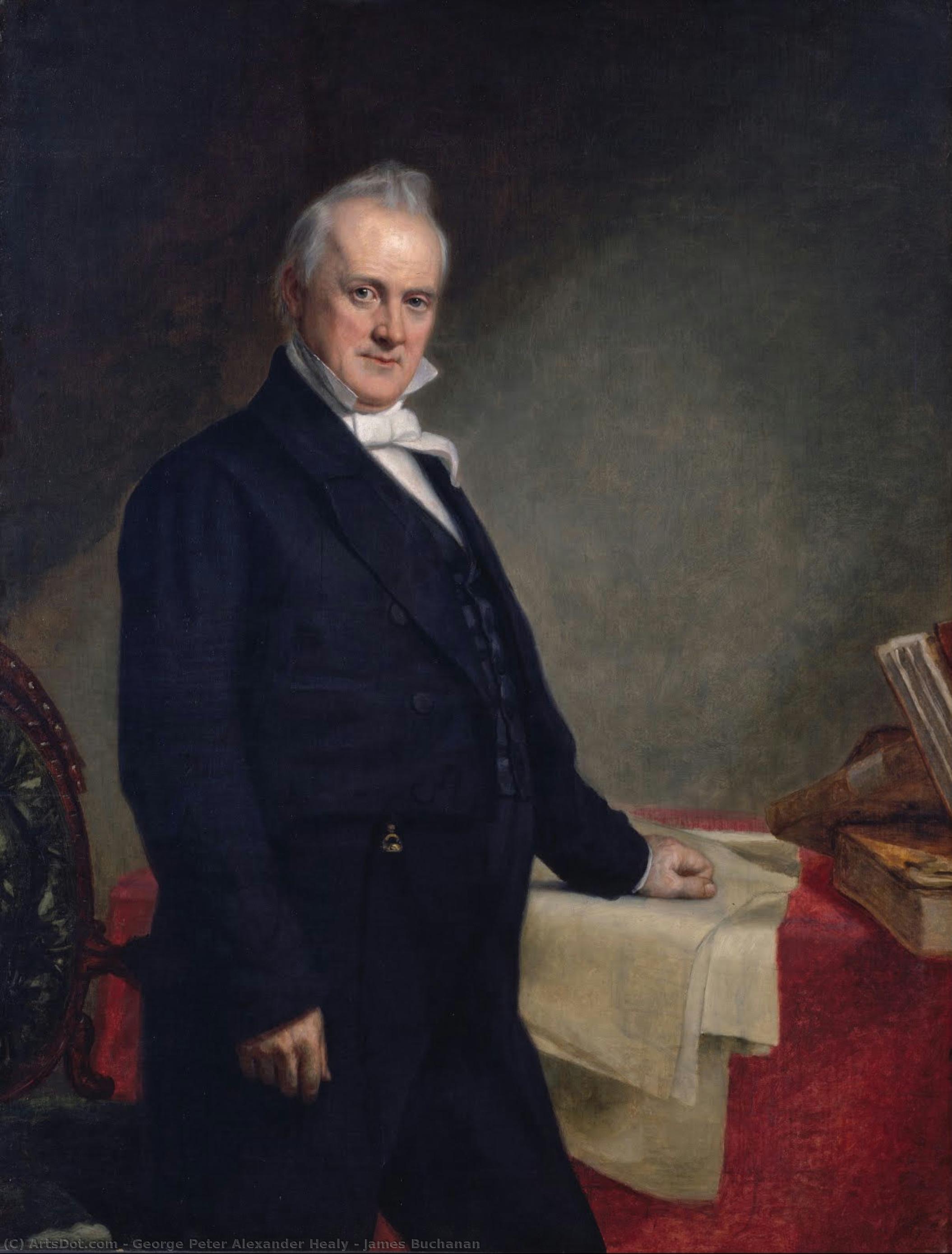
James Buchanan
 Acrylic On Canvas
- WallArt
- 19th-century American Portraiture
 1859
1859 119.0 x 155.0 cm
 National Portrait Gallery
 Leer más
Reproducción al óleo hecha a mano
Óleo sobre lienzo pintado a mano en el tamaño y marco de su elección, realizado por encargo por nuestros artistas. ( Cambiar a impresión Cambiar a imagen)




P118B $10

P118H $10

P118W $10

P438Z $10

P508JH $12

P508YH $12

P805H $10

P805Z $10

P919BZ $10

P919G $10

P919XJ $10

P959ZH $10

P968JZ $12

W106C $8

W218G $10

W218JH $8

W218Y $10

W307PJ $10

W316G $10

W316PJ $8

W316Y $10

W398PJ $8

W4111J $10

W500HY $15

W500JH $15

W692G $12

W849H $8

W940BG $15

W953PJ $8




Elija entre nuestros tamaños predefinidos que respetan las proporciones originales de la obra.

Puede ingresar sus propias dimensiones para adaptarse a un marco o espacio específico. Si el tamaño seleccionado no coincide con las proporciones de la imagen original, recortaremos la obra o extenderemos la pintura con elementos adicionales pintados a mano. Se le enviará una maqueta digital para su aprobación antes de comenzar la producción.
Tenga en cuenta que la vista previa en pantalla no refleja el recorte o la extensión reales. Solo la maqueta mostrará con precisión la composición final.
Si bien existen tamaños personalizados, recomendamos seleccionar una dimensión de la lista predefinida para preservar las proporciones originales.
Tras realizar el pedido, el equipo de OriginalUniqueArt.com enviará un correo electrónico al cliente para solicitar instrucciones y proporcionarle una vista previa del boceto.
Envío a todo el mundo () en 3-4 semanas en lugar de las 5 semanas estándar. (9 agosto). Sin comprometer la calidad.

Envío exprés gratuito a todo el mundo

Lienzo de lino de alta calidad

Seguro de envío completo

Garantía de reembolso de aranceles aduaneros

Garantía de fidelidad cromática exacta

Política de devolución de 60 días (solo por defectos)

Garantía de devolución del 100% del dinero

Oferta por volumen
 La opción de vidrio solo está disponible en tamaños inferiores a 110 cm.

James Buchanan
Técnica de reproducción
Tamaño de la reproducción
-


Precio total
$ 300
Descripción de la obra
The Weight of an Era
George Peter Alexander Healy’s 1859 portrait of James Buchanan is more than just a likeness; it's a meticulously rendered distillation of a nation grappling with profound and unsettling change. Painted during the twilight years of Buchanan’s presidency, as the specter of secession loomed large over the United States, the image captures not merely the physical features of the 15th president but also the palpable tension and uncertainty that permeated the era. The painting isn't a celebration of leadership; instead, it presents a man burdened by responsibility, his gaze fixed with a quiet intensity that suggests both resolve and a deep awareness of the perilous path ahead. The muted palette—dominated by somber browns, grays, and deep blues—reflects the prevailing mood of anxiety and foreboding, while the carefully arranged details – the books, the piano, the chair – speak to a life dedicated to contemplation and governance.
A Master of Realism and Detail
Healy, a prominent figure in 19th-century American portraiture, was renowned for his ability to capture the essence of his subjects with remarkable accuracy and psychological depth. Trained initially under Thomas Sully, Healy honed his skills in Europe, absorbing the techniques of academic painting while developing a distinctly American style characterized by its realism and attention to detail. This portrait exemplifies his mastery—the subtle nuances of Buchanan’s expression, the texture of his clothing, the arrangement of objects within the room – all are rendered with painstaking precision. The artist's use of light is particularly noteworthy; it’s soft and diffused, casting gentle shadows that accentuate the lines of Buchanan’s face and conveying a sense of quiet dignity despite the underlying anxieties.
Technically, Healy employed oil paints on canvas, utilizing layering techniques to build up depth and texture. The brushstrokes are generally smooth and controlled, contributing to the overall sense of formality and seriousness. The composition is carefully balanced, with Buchanan positioned centrally within a modestly furnished room, suggesting both his importance and the constraints imposed upon him by the office he held.
Symbolism in a Time of Division
Beyond its technical merits, the portrait is rich in symbolic meaning. The books on the table – legal texts and volumes of history – underscore Buchanan’s background as a lawyer and his deep engagement with the law and governance. The piano, a symbol of domesticity and refinement, hints at a life lived within the confines of the White House, far removed from the turbulent political landscape. However, it's the man himself who carries the most significant weight. His stern expression, coupled with the slight furrow in his brow, suggests a man wrestling with difficult decisions and bearing the burden of leadership during a period of intense division.
The setting itself—a relatively simple room—contrasts sharply with the grandeur typically associated with presidential portraits. This deliberate choice underscores the sense that Buchanan’s presidency was marked by austerity and a lack of decisive action, further contributing to the painting's overall mood of unease. The inclusion of the chair suggests contemplation and decision-making, but also perhaps a feeling of isolation.
A Window into an Uncertain Future
Painted just months before the outbreak of the American Civil War, James Buchanan’s portrait serves as a poignant reminder of a nation on the brink. It's not a celebration of power or success, but rather a quiet meditation on responsibility, uncertainty, and the profound challenges faced by a leader navigating turbulent times. Reproductions of this iconic image offer a valuable glimpse into the anxieties and complexities of 1859 America, inviting viewers to contemplate the legacy of Buchanan’s presidency and the enduring questions surrounding states' rights, slavery, and the preservation of the Union. It remains a powerful testament to Healy’s artistic skill and his ability to capture the spirit of an era.
Biografía del artista
Primeros Años y Formación
- Nacimiento: Boston, Estados Unidos de América (15 de julio de 1813)
- Fallecimiento: 1894
Estancia Europea y Desarrollo Artístico
- Estudios: Antoine-Jean Gros (París), Thomas Couture (Roma)
- Salones: Recibió una medalla de tercera clase en el Salón de París en 1840
- Membresía en la Academia: Fue elegido como académico honorario en la National Academy of Design en 1843
Obras Principales y Significado Histórico
- Retratos Notables: John C. Calhoun, James Buchanan, Presidentes de los Estados Unidos (Adams a Grant)
- Pintura Histórica: The Peacemakers (1868) – Representa una sesión estratégica de Lincoln y otros en 1865.
- Retratos de Presidentes Estadounidenses: Healy pintó retratos de todos los presidentes estadounidenses desde John Quincy Adams hasta Ulysses Grant para la Corcoran Gallery en Washington, D.C., demostrando su prominencia y acceso a figuras influyentes.
Vida Posterior y Legado
- Regreso a Chicago: 1892
- Autobiografía: Reminiscencias de un Pintor de Retratos (publicada póstumamente en 1894)
- Sepultura: Cementerio Calvary, Evanston, Illinois

George Peter Alexander Healy
1813 - 1894 , Estados Unidos de América
Datos clave
- Artistas Que Influyeron:
- Antoine-Jean Gros
- Thomas Couture
- Thomas Sully
- Fecha De Fallecimiento: 24 de junio de 1894
- Fecha De Nacimiento: 15 de julio de 1813
- Lugar De Nacimiento: Boston, Estados Unidos
- Movimiento Artístico: Pintura académica, Realismo
- Nacionalidad: Estadounidense
- Nombre Completo: George Peter Alexander Healy
- Obras Notables:
- The Peacemakers
- Retratos presidenciales
Artículos relacionados

James Abbott McNeill Whistler: Las 25 Obras Maestras del Maestro del Arte y la Atmósfera | OriginalUniqueArt
Descubre las 25 obras maestras de James Abbott McNeill Whistler, el maestro del impresionismo y la armonía en arte. Explora retratos icónicos, nocturnos evocadores y su innovadora paleta de colores. Reproducciones de arte exclusivas en OriginalUniqueArt.com.
James Otto Lewis: Navigating American Modernism Through Regional Identity & Stylistic Innovation
Explore the captivating portraits of James Otto Lewis, a pivotal figure bridging 19th-century realism & American Modernism. Discover his groundbreaking work documenting Native American culture and regional identity.

Alfred Munnings: Las 25 Obras Maestras del Pintor de Caballos | OriginalUniqueArt
Descubre las 25 obras maestras de Alfred Munnings, el pintor británico de caballos por excelencia. Explora su impresionismo inglés, escenas campestres y técnica única. Encuentra reproducciones de arte de alta calidad en OriginalUniqueArt.com.

James Bard: Navigating Light & Landscape in American Impressionism
Explore the captivating world of James Bard (1815-1897), a meticulous chronicler of 19th-century American maritime life. Discover his detailed steamboat paintings and lasting legacy within the American Impressionism movement.
El Siglo XIX en el Arte: 10 Obras Maestras para Decorar con Historia y Estilo
Descubre 10 obras maestras del siglo XIX: Monet, Goya y más. Explora el impresionismo, realismo y romanticismo que definieron una época. Encuentra reproducciones de arte exclusivas para decorar tu hogar con estilo en OriginalUniqueArt.com.

