

 Vista previa
 Compartir
 Compartir
 Ver detalles
 Guía
Guía

 Descargar
 Ver artículos similares
 Radiografía
 Presentación de diapositivas
 Estadísticas
Suicide
 Acrylic On Canvas
- WallArt
- Expressionist Satire
 1916
1916- 19th Century
 100.0 x 77.0 cm
 Leer más
La obra de arte que se muestra en esta página está protegida por las leyes de propiedad intelectual, lo que significa que no podemos crear ni vender legalmente una reproducción idéntica. Esta protección se hace cumplir en virtud de acuerdos internacionales como el Convenio de Berna y por las leyes nacionales, incluidas aquellas establecidas por el Ley de derechos de autor de los EE. UU. - Título 17.
Este método cumple plenamente con las normativas de derechos de autor, ya que no implica la copia ni la duplicación de la obra protegida. En su lugar, se trata de una reinterpretación creativa: una nueva pintura influenciada por la original, pero que no es idéntica a ella.
Giclée / Impresión de arte
Impresiones giclée o en lienzo de calidad de museo con producción rápida y opciones de acabado flexibles. ( Encargar reproducción pintada a mano Ver versión en imagen digital)




P118B €10

P118H €10

P118W €10

P438Z €10

P508JH €12

P508YH €12

P805H €10

P805Z €10

P919BZ €10

P919G €10

P919XJ €10

P959ZH €10

P968JZ €12

W106C €8

W218G €10

W218JH €8

W218Y €10

W307PJ €10

W316G €10

W316PJ €8

W316Y €10

W398PJ €8

W4111J €10

W500HY €15

W500JH €15

W692G €12

W849H €8

W940BG €15

W953PJ €8




Elija entre nuestros tamaños predefinidos que respetan las proporciones originales de la obra.

Introduzca el ancho y el alto que necesite para adaptarse a su marco o pared. Una impresión solo puede recortarse, nunca hacerse más grande que la imagen original, por lo que un tamaño con una forma distinta perderá parte de la obra. Le enviaremos una maqueta digital para su aprobación antes de realizar cualquier impresión. La imagen que se muestra en esta página no refleja el recorte real; solo la maqueta lo hace.
Envío a todo el mundo () en 2 semanas en lugar de las 4/5 semanas estándar. (22 octubre)

Envío exprés gratuito a todo el mundo

Lienzo de lino de alta calidad

Seguro de envío completo

Garantía de reembolso de impuestos aduaneros

Garantía de fidelidad cromática exacta

Política de devolución de 100 días (solo por defectos)

Garantía de devolución del 100% del dinero

Oferta por volumen
 La opción de vidrio solo está disponible en tamaños inferiores a 110 cm.

Suicide
Giclée / Impresión de arte
Tamaño de la reproducción
-


Precio total
€ 70
A Descent into Despair: George Grosz's "Suicide"
George Grosz’s “Suicide,” painted in 1916, is not merely a depiction of death; it’s a raw, unflinching scream against the moral and societal collapse engulfing Germany during the tumultuous years preceding World War I. Executed on canvas measuring 100 x 77 cm, this work embodies Grosz's signature style – a brutal synthesis of social satire and Expressionist fervor. The scene unfolds with a chilling realism: a man lies prone, head buried in his hands, suggesting an act of self-destruction, while surrounding figures react with varying degrees of apathy, grief, or morbid curiosity. This isn’t a romanticized tragedy; it's a stark confrontation with the anxieties and disillusionment that permeated Weimar Berlin.
The Anatomy of Disillusionment: Style and Technique
Grosz’s technique is immediately recognizable – characterized by jagged lines, distorted forms, and a deliberately unsettling palette dominated by somber browns, greys, and muted reds. He employs a heavily textured surface, achieved through thick impasto application of paint, which adds to the painting's visceral impact. The figures are rendered with an almost caricature-like quality, exaggerating features to amplify their emotional states. Notice the meticulous detail in the open umbrella held by one figure – a seemingly insignificant element that subtly underscores the scene’s bleakness and perhaps hints at a futile attempt to shield oneself from the storm of despair. The use of strong diagonals creates a sense of unease and instability, mirroring the fractured state of society depicted.
Historical Context: Weimar Berlin and the Seeds of Destruction
"Suicide" was created during a period of profound social and political upheaval in Germany. The Weimar Republic, born from the ashes of the German Empire, struggled to establish itself amidst economic instability, hyperinflation, and rampant political extremism. Grosz’s art served as a scathing critique of this era, exposing the corruption, moral decay, and disillusionment that fueled the rise of fascism. The presence of the two dogs adds another layer of interpretation – perhaps symbolizing loyalty betrayed or the primal instincts unleashed by societal breakdown. The year 1916 was particularly fraught with tension, marked by ongoing war efforts and growing social unrest, making this painting a potent reflection of the anxieties of the time.
Symbolism and Emotional Resonance
Beyond its immediate depiction of suicide, “Suicide” is laden with symbolic weight. The figures represent not just individuals but broader societal forces – the indifference of the wealthy, the paralysis of bureaucracy, and the destructive consequences of unchecked ambition. The overall atmosphere is one of profound sadness and hopelessness, a feeling intensified by Grosz’s masterful use of light and shadow. This artwork continues to resonate with viewers today, serving as a timeless reminder of the fragility of human existence and the enduring power of art to confront uncomfortable truths. It's a powerful statement on the human condition, rendered with unflinching honesty and artistic brilliance.
Preguntas y respuestas
¿Qué tan saturada es la paleta de "Suicide"?
La paleta de "Suicide" tiene una saturación Balanced Soft.
¿Qué técnica se utilizó para "Suicide" de George Grosz?
"Suicide" está ejecutada en Acrylic On Canvas.
¿Existe una ficha informativa sobre "Suicide" de George Grosz para estudiantes?
La página Guía de "Suicide" de George Grosz ofrece una ficha informativa imprimible de dos hojas: la obra con su tabla de identidad, una línea de tiempo por décadas que la sitúa en la vida del artista, otras obras del mismo autor, la paleta de colores medida y citas listas para copiar en cuatro estilos diferentes.
Biografía del artista
Primeros años e influencias
George Grosz, cuyo nombre original era Georg Ehrenfried Gross, nació el 26 de julio de 1893 en Berlín, Alemania. Creció en una familia luterana devota, donde su padre era dueño de un pub. Tras la muerte de su padre en 1901, la madre de Grosz se convirtió en encargada del salón de oficiales de los husares locales, lo que expuso al joven artista a un ambiente social complejo y a menudo decadente.Desarrollo artístico
La formación artística de Grosz comenzó bajo la tutela de un pintor local llamado Grot, quien le enseñó las bases técnicas de la pintura. Posteriormente, perfeccionó sus habilidades copiando meticulosamente escenas de consumo de alcohol e imaginarias batallas de Eduard von Grützner. Estudió en la Academia de Bellas Artes de Dresde (1909-1911) y luego en el Colegio de Artes y Oficios de Berlín, donde se expuso a diversas corrientes artísticas y desarrolló su propio estilo distintivo.Estilo y obras destacadas
Grosz es reconocido principalmente por sus caricaturas mordaces y pinturas que retratan la vida berlinesa durante los años 20. Fue un miembro destacado del movimiento Dadaísta de Berlín y del grupo de la Nueva Objetividad (Neue Sachlichkeit). Su obra se caracteriza por una crítica satírica de la sociedad burguesa alemana, la política y el auge del fascismo. Algunas de sus obras más notables incluyen:- La Cova (Die Fuge): Una representación caótica y expresionista que refleja la turbulencia social y moral de la época.
- El Agitador (Der Redner): Un ejemplo de su estilo dadaísta, caracterizado por el uso de colores vibrantes y una composición dinámica.
- Los Pilares de la Sociedad (Die Gesellschaft): Una crítica mordaz a las élites sociales y políticas alemanas.
- Caimán o Hitler en el Infierno (Kaiman oder Hitler im Inferno): Una poderosa obra anti-fascista que denuncia los horrores del régimen nazi.
Exilio y legado
Con el ascenso del nazismo en Alemania, Grosz emigró a los Estados Unidos en 1933, donde se naturalizó como ciudadano estadounidense en 1938. Se estableció en Nueva York y enseñó arte en la Art Students League durante muchos años. A pesar de abandonar su estilo anterior, continuó exhibiendo su trabajo hasta su regreso a Berlín en 1959, poco antes de su fallecimiento el 6 de julio del mismo año. El legado de Grosz perdura como uno de los artistas más importantes del siglo XX, cuya obra sigue siendo relevante por su crítica social y política incisiva. Sus obras se encuentran en prestigiosas colecciones museísticas, como las Kunstsammlungen und Museen Augsburg y la Kunsthalle Bielefeld, testimonio de su impacto duradero en el arte moderno.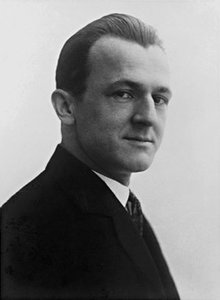
George Grosz
1893 - 1959 , Alemania
Datos clave
- Artistas Que Influyeron: ['Eduard von Grützner']
- Fecha De Fallecimiento: 6 de julio de 1959
- Fecha De Nacimiento: 26 de julio de 1893
- Lugar De Nacimiento: Berlín, Alemania
- Movimiento Artístico: Dadaísmo, Nueva Objetividad
- Nacionalidad: Alemán-Estadounidense
- Nombre Completo: George Grosz
- Obras Notables:
- El Agitador
- La Cova
- Los Pilares de la Sociedad
- Caimán o Hitler en el Infierno
Artículos relacionados

OriginalUniqueArt.com F.A.Q.: Elevate Your Decor with Premium Textured Giclée Prints
Discover the distinction of OriginalUniqueArt.com premium textured Giclée prints. Expertly crafted with archival 12-color pigments and museum-grade substrates, our prints offer unparalleled vividness for the discerning collector seeking luxury, durability, and timeless elegance.


