Text size

() ·

A painting made for you, by hand

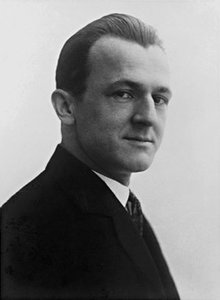
Max Schmeling the Boxer

Reproducción al óleo hecha a mano

Óleo sobre lienzo pintado a mano en el tamaño y marco de su elección, realizado por encargo por nuestros artistas. ( Cambiar a impresiones Cambiar a imagen digital)

Descripción del objeto

Biografía del artista

Descubre a George Grosz (1893-1959), figura clave del Dadaísmo de Berlín y la Nueva Objetividad. Sus pinturas satíricas critican la sociedad alemana, la política y el auge del fascismo. Explora sus poderosos caricaturescos.

from ·

Chapter 1

How large should it be?

Slide to change the size; the picture on the left shows the frame at its real width. The proportions of the original are kept.

Tamaño estándar
a medida
CM
INCH

Elija entre nuestros tamaños predefinidos que respetan las proporciones originales de la obra.

ancho
altura

Indique el ancho y el alto que necesite para adaptarse a su marco o pared. Al tratarse de una obra pintada a mano, si requiere un tamaño con una proporción distinta, el artista puede pintar un poco más alrededor de la imagen o recortarla ligeramente; usted elige. Le enviaremos una maqueta digital para su aprobación antes de comenzar la pintura. La imagen que se muestra en esta página no refleja el resultado real; solo la maqueta lo hace.

Chapter 2

How should it arrive?

Choose the edges of the stretched canvas

Choose your frame

Corner sample of the WhiteWrap canvas edge finish, stretched on madera maciza bars
White €1
Corner sample of the BlurSideWrap canvas edge finish, stretched on madera maciza bars
Blurside €1
Corner sample of the ExtendedWrap canvas edge finish, stretched on madera maciza bars
Extended €1
Corner sample of the P118B picture frame: poliestireno moldeado, 5 cm wide and 3 cm thick
P118B €10
Corner sample of the P118H picture frame: poliestireno moldeado, 5 cm wide and 3 cm thick
P118H €10
Corner sample of the P118W picture frame: poliestireno moldeado, 5 cm wide and 3 cm thick
P118W €10
Corner sample of the P438Z picture frame: poliestireno moldeado, 5.5 cm wide and 3.5 cm thick
P438Z €10
Corner sample of the P508JH picture frame: poliestireno moldeado, 7 cm wide and 3.5 cm thick
P508JH €12
Corner sample of the P508YH picture frame: poliestireno moldeado, 7 cm wide and 3.5 cm thick
P508YH €12
Corner sample of the P805H picture frame: poliestireno moldeado, 5 cm wide and 3.5 cm thick
P805H €10
Corner sample of the P805Z picture frame: poliestireno moldeado, 5 cm wide and 3.5 cm thick
P805Z €10
Corner sample of the P919BZ picture frame: poliestireno moldeado, 7 cm wide and 3.5 cm thick
P919BZ €10
Corner sample of the P919G picture frame: poliestireno moldeado, 7 cm wide and 3.5 cm thick
P919G €10
Corner sample of the P919XJ picture frame: poliestireno moldeado, 7 cm wide and 3.5 cm thick
P919XJ €10
Corner sample of the P959ZH picture frame: poliestireno moldeado, 5 cm wide and 3 cm thick
P959ZH €10
Corner sample of the P968JZ picture frame: poliestireno moldeado, 6 cm wide and 4 cm thick
P968JZ €12
Corner sample of the W106C picture frame: madera maciza, 5 cm wide and 3 cm thick
W106C €8
Corner sample of the W218G picture frame: madera maciza, 5 cm wide and 3 cm thick
W218G €10
Corner sample of the W218JH picture frame: madera maciza, 5 cm wide and 3 cm thick
W218JH €8
Corner sample of the W218Y picture frame: madera maciza, 5 cm wide and 3 cm thick
W218Y €10
Corner sample of the W307PJ picture frame: madera maciza, 6 cm wide and 3 cm thick
W307PJ €10
Corner sample of the W316G picture frame: madera maciza, 6 cm wide and 3 cm thick
W316G €10
Corner sample of the W316PJ picture frame: madera maciza, 6 cm wide and 3 cm thick
W316PJ €8
Corner sample of the W316Y picture frame: madera maciza, 6 cm wide and 3 cm thick
W316Y €10
Corner sample of the W398PJ picture frame: madera maciza, 5 cm wide and 3 cm thick
W398PJ €8
Corner sample of the W4111J picture frame: madera maciza, 6.5 cm wide and 3.5 cm thick
W4111J €10
Corner sample of the W500HY picture frame: madera maciza, 7 cm wide and 5 cm thick
W500HY €15
Corner sample of the W500JH picture frame: madera maciza, 7 cm wide and 5 cm thick
W500JH €15
Corner sample of the W692G picture frame: madera maciza, 8 cm wide and 4 cm thick
W692G €12
Corner sample of the W849H picture frame: madera maciza, 5 cm wide and 3 cm thick
W849H €8
Corner sample of the W940BG picture frame: madera maciza, 7.5 cm wide and 4.5 cm thick
W940BG €15
Corner sample of the W953PJ picture frame: madera maciza, 6 cm wide and 3.5 cm thick
W953PJ €8
Corner sample of the H24-GOLD picture frame: madera tallada con estuco, 10 cm wide and 6 cm thick
H24-GOLD €30
Corner sample of the H24-SILVER picture frame: madera tallada con estuco, 10 cm wide and 6 cm thick
H24-SILVER €30
Corner sample of the H36-GOLD picture frame: madera tallada con estuco, 15 cm wide and 6.5 cm thick
H36-GOLD €45
Corner sample of the H36-SILVER picture frame: madera tallada con estuco, 15 cm wide and 6.5 cm thick
H36-SILVER €45

Moulding: . Overall size with the frame: .

Chapter 3

Who paints it, and should anything change?

Examples of what can be changed: Replace face with customer photo; Add pet (e.g., replace cat with dog); Include hidden message in background; Change background landscape or elements.
After order, OriginalUniqueArt.com team will email client for instructions and provide a mockup preview

Envío a todo el mundo () en 3-4 semanas en lugar de las 5 semanas estándar. (2 noviembre). Sin comprometer la calidad.

Chapter 4

The finishing touches

A nameplate, as in a museum?

Detalles de la placa de bronce grabada

This elegant plaque features the artist's name and the title of the artwork, finely engraved for a timeless presentation.

It is made from bronze with a refined, elegant finish. The text is precisely laser-engraved for a sharp and permanent result. Measuring 9x2 cm, the plaque is compact yet easy to read. It's built to be durable and scratch-resistant, offering a professional, museum-quality look. Mounting is simple thanks to the included adhesive backing.

Detalles de la placa de acrílico transparente

The plaque includes essential engraved details such as the artist's name, the title of the artwork, the date it was created, the type of media used-like oil on canvas or watercolor-a brief description of the piece, and a QR code that links to the complete artwork information.

It is crafted from clear acrylic, offering a sleek, modern appearance. The text is UV-engraved in black to ensure strong visual contrast. With a size of 10x15 cm, it ensures optimal readability. It comes equipped with two metal hooks for secure wall mounting. The plaque is designed to be weather-resistant, making it suitable for various environments, and it includes interactive features that work seamlessly with smartphone scanning.

Detalles de la placa de acrílico negro

This elegant plaque includes engraved information such as the artist's name, the title of the artwork, the date it was created, the type of media used (like oil on canvas or watercolor), a short description of the artwork, and a QR code for quick access to more information.

The plaque itself is made from refined black acrylic with a premium finish. The text is laser-engraved in white for high contrast and readability. Its size is 10x15 cm, designed to be easy to read. It comes with two metal hooks for professional mounting. The design is sleek and fits any interior style. It is also weather-resistant and durable, with built-in digital integration for mobile compatibility.

A protective varnish?

When do you need it?

Chapter 5

Your painting, as you ordered it

Max Schmeling the Boxer

Técnica de reproducción

Dimensiones de la reproducción

-

Selección de artistas premium

Mayor nivel de detalle, delicadeza y tiempo de producción adicional

-

Enmarcado de reproducción

-

-

Para obras de arte o reproducciones que midan más de 105 cm (aproximadamente 41 pulgadas) en cualquiera de sus lados, el marco se enviará como un kit desmontado. Este método garantiza una entrega segura y evita daños durante el transporte.

Se requiere montaje profesional: este no es un producto para hacer usted mismo (DIY).
El kit debe ser ensamblado y el lienzo tensado por un enmarcador profesional con experiencia, utilizando cola para madera (no incluida), una tenaza para tensar lienzos y sargentos para mantener los bastidores alineados mientras la cola se seca. Un montaje incorrecto o una tensión desigual del lienzo pueden dañar la obra de arte de forma permanente y no están cubiertos por nuestra garantía.

  • Se incluyen todos los listones de madera maciza, cortados con precisión según las medidas.

  • Se ensambla con los tornillos incluidos, además de cola para madera para las uniones de las esquinas, la cual no se incluye y debe ser proporcionada por su enmarcador.

  • Se requieren herramientas profesionales que no están incluidas: un alicate para tensar lienzos (tensor) y abrazaderas para mantener los bastidores alineados mientras se seca el pegamento.

Importante:
Las uniones de las esquinas requieren cola para madera, los listones deben sujetarse con prensas hasta que la cola esté completamente seca, y para tensar el lienzo en el bastidor ensamblado se requiere una pinza para tensar lienzos. Ninguno de estos elementos está incluido en el kit. Por favor, contacte con un profesional del enmarcado con experiencia antes de realizar un pedido de este tamaño.

Cartela

-

-

Barniz protector

Barniz brillante (realza los colores y protege contra la luz y la humedad)

-

Personalizar mi obra

Ejemplos de lo que se puede personalizar: sustituir el rostro por una foto del cliente; añadir una mascota (por ejemplo, cambiar un gato por un perro); incluir un mensaje oculto en el fondo; cambiar el paisaje o los elementos del fondo.

-

Envío urgente

Envío a todo el mundo () en 3 o 4 semanas, en lugar de las 5 semanas habituales. (2 noviembre). Sin comprometer la calidad.

-

Envío urgente

Envío internacional () en 5 semanas. (9 noviembre).

Incluido

Precio total final

€ 267

Precio total € 267

La opción de vidrio solo está disponible en tamaños inferiores a 110 cm.

Included with every order

  • Envío exprés gratuito a todo el mundo
  • Lienzo de lino de alta calidad
  • Seguro de envío total
  • Garantía de reembolso de aranceles aduaneros
  • Garantía de fidelidad cromática exacta
  • Política de devolución de 100 días (solo por defectos)
  • Garantía de devolución del 100% del dinero
  • Descuento por cantidad
The painting Max Schmeling the Boxer by George Grosz is a quintessential representation of the Verism movement, characterized by its unflinching portrayal of reality. Created in 1926, this oil on canvas painting measures 109 x 79 cm and showcases the artist's unique style and technique.

The Artist and His Style

George Grosz was a German artist known for his bold and satirical works, often critiquing the social and political climate of his time. His use of Verism allowed him to portray his subjects in a raw and unapologetic manner, revealing the harsh realities of life. As seen in his other works, such as Self Portrait, Admonishing and Portrait of the Writer Walter Mehring, Grosz was a master of capturing the essence of his subjects.

The Painting

The painting Max Schmeling the Boxer depicts the boxer Max Schmeling with his arms crossed, posing for the portrait. He wears a blue belt around his waist, symbolizing his profession and status as a boxer. The use of oil on canvas allows for a rich and vibrant color palette, bringing the subject to life.
  • The painting is characterized by its bold brushstrokes and vivid colors, typical of the Verism style.
  • The subject's facial expression is stern and confident, reflecting his profession as a boxer.
  • The blue belt around his waist adds a touch of elegance to the overall composition.
Verism was a key element in Grosz's work, allowing him to portray his subjects in a raw and unapologetic manner. This style is also evident in other works by Grosz, such as Self Portrait, Admonishing and Portrait of the Writer Walter Mehring. The The Museum The University of Reading in the UK also features works by various artists, including Paul Guiragossian, who was known for his oil on canvas paintings.
The painting Max Schmeling the Boxer is a testament to George Grosz's skill as an artist and his ability to capture the essence of his subjects. As a masterpiece of Verism, it continues to inspire and intrigue art lovers to this day. For more information on George Grosz and his works, visit OriginalUniqueArt.com.

Preguntas y respuestas

¿Quién es el autor de "Max Schmeling the Boxer" y a qué movimiento pertenece?

George Grosz creó "Max Schmeling the Boxer" dentro del movimiento Verism.

¿Quién es el autor y en qué fecha se creó "Max Schmeling the Boxer"?

"Max Schmeling the Boxer" es una obra de George Grosz, realizada en 1926.

¿Qué color predomina en la composición de "Max Schmeling the Boxer" de George Grosz?

El Khaki (#f2f39a) es el color predominante de "Max Schmeling the Boxer" de George Grosz.

More about this painting

Ver en contexto Vista previa en RA Cambiar a impresiones Cambiar a imagen digital Enviar
Detalles Guía Añadir a favoritos Descargar Similares Radiografía Presentación de diapositivas Q&A Estadísticas

In numbers

  • 1926the year it was painted
  • 29frames to choose from
  • standard sizes, in its own proportions
  • 5weeks to paint and deliver it

About the original

Dimensiones
109.0 x 79.0 cm
George Grosz

George Grosz

1893 - 1959, Alemania

Quick facts about George Grosz

  • Artistas Que Influyeron: ['Eduard von Grützner']
  • Fecha De Fallecimiento: 6 de julio de 1959
  • Fecha De Nacimiento: 26 de julio de 1893
  • Lugar De Nacimiento: Berlín, Alemania
  • Movimiento Artístico: Dadaísmo, Nueva Objetividad
  • Nacionalidad: Alemán-Estadounidense
  • Nombre Completo: George Grosz
  • Obras Notables:
    • El Agitador
    • La Cova
    • Los Pilares de la Sociedad
    • Caimán o Hitler en el Infierno

Biografía del artista

Primeros años e influencias

George Grosz, cuyo nombre original era Georg Ehrenfried Gross, nació el 26 de julio de 1893 en Berlín, Alemania. Creció en una familia luterana devota, donde su padre era dueño de un pub. Tras la muerte de su padre en 1901, la madre de Grosz se convirtió en encargada del salón de oficiales de los husares locales, lo que expuso al joven artista a un ambiente social complejo y a menudo decadente.

Desarrollo artístico

La formación artística de Grosz comenzó bajo la tutela de un pintor local llamado Grot, quien le enseñó las bases técnicas de la pintura. Posteriormente, perfeccionó sus habilidades copiando meticulosamente escenas de consumo de alcohol e imaginarias batallas de Eduard von Grützner. Estudió en la Academia de Bellas Artes de Dresde (1909-1911) y luego en el Colegio de Artes y Oficios de Berlín, donde se expuso a diversas corrientes artísticas y desarrolló su propio estilo distintivo.

Estilo y obras destacadas

Grosz es reconocido principalmente por sus caricaturas mordaces y pinturas que retratan la vida berlinesa durante los años 20. Fue un miembro destacado del movimiento Dadaísta de Berlín y del grupo de la Nueva Objetividad (Neue Sachlichkeit). Su obra se caracteriza por una crítica satírica de la sociedad burguesa alemana, la política y el auge del fascismo. Algunas de sus obras más notables incluyen:
  • La Cova (Die Fuge): Una representación caótica y expresionista que refleja la turbulencia social y moral de la época.
  • El Agitador (Der Redner): Un ejemplo de su estilo dadaísta, caracterizado por el uso de colores vibrantes y una composición dinámica.
  • Los Pilares de la Sociedad (Die Gesellschaft): Una crítica mordaz a las élites sociales y políticas alemanas.
  • Caimán o Hitler en el Infierno (Kaiman oder Hitler im Inferno): Una poderosa obra anti-fascista que denuncia los horrores del régimen nazi.
Su estilo se distingue por líneas jagged, figuras distorsionadas y una aguda observación de la realidad social.

Exilio y legado

Con el ascenso del nazismo en Alemania, Grosz emigró a los Estados Unidos en 1933, donde se naturalizó como ciudadano estadounidense en 1938. Se estableció en Nueva York y enseñó arte en la Art Students League durante muchos años. A pesar de abandonar su estilo anterior, continuó exhibiendo su trabajo hasta su regreso a Berlín en 1959, poco antes de su fallecimiento el 6 de julio del mismo año. El legado de Grosz perdura como uno de los artistas más importantes del siglo XX, cuya obra sigue siendo relevante por su crítica social y política incisiva. Sus obras se encuentran en prestigiosas colecciones museísticas, como las Kunstsammlungen und Museen Augsburg y la Kunsthalle Bielefeld, testimonio de su impacto duradero en el arte moderno.