

 Ver en contexto
 Enviar
 Compartir
 Detalles
 Guía
Guía

 Descargar
 Similares
 Radiografía
 Presentación de diapositivas
 Q&A
Q&A Estadísticas
John the Murderer
 Oil On Canvas
- WallArt
- Cubist
 1918
1918 81.0 x 86.0 cm
 Ver más
La obra de arte que se muestra en esta página está protegida por las leyes de propiedad intelectual, lo que significa que no podemos crear ni vender legalmente una reproducción idéntica. Esta protección se hace cumplir en virtud de acuerdos internacionales como el Convenio de Berna y por las leyes nacionales, incluidas aquellas establecidas por el Ley de derechos de autor de los EE. UU. - Título 17.
Este método cumple plenamente con las normativas de derechos de autor, ya que no implica la copia ni la duplicación de la obra protegida. En su lugar, se trata de una reinterpretación creativa: una nueva pintura influenciada por la original, pero que no es idéntica a ella.
Giclée / Impresión de arte
Impresiones giclée o en lienzo de calidad de museo con producción rápida y opciones de acabado flexibles. ( Comprar pintura hecha a mano Cambiar a imagen digital)




P118B €10

P118H €10

P118W €10

P438Z €10

P508JH €12

P508YH €12

P805H €10

P805Z €10

P919BZ €10

P919G €10

P919XJ €10

P959ZH €10

P968JZ €12

W106C €8

W218G €10

W218JH €8

W218Y €10

W307PJ €10

W316G €10

W316PJ €8

W316Y €10

W398PJ €8

W4111J €10

W500HY €15

W500JH €15

W692G €12

W849H €8

W940BG €15

W953PJ €8




Elija entre nuestros tamaños predefinidos que respetan las proporciones originales de la obra.

Introduzca el ancho y el alto que necesite para adaptarse a su marco o pared. Una impresión solo puede recortarse, nunca hacerse más grande que la imagen original, por lo que un tamaño con una forma distinta perderá parte de la obra. Le enviaremos una maqueta digital para su aprobación antes de realizar cualquier impresión. La imagen que se muestra en esta página no refleja el recorte real; solo la maqueta lo hace.
Envío a todo el mundo () en 2 semanas en lugar de las 4/5 semanas estándar. (31 octubre)

Envío exprés gratuito a todo el mundo

Lienzo de lino de alta calidad

Seguro de envío total

Garantía de reembolso de aranceles aduaneros

Garantía de fidelidad cromática exacta

Política de devolución de 100 días (solo por defectos)

Garantía de devolución del 100% del dinero

Descuento por cantidad
 La opción de vidrio solo está disponible en tamaños inferiores a 110 cm.

John the Murderer
Giclée / Impresión de arte
Dimensiones de la reproducción
-


Precio total final
€ 71
A Glimpse into Moral Ambiguity: George Grosz's "John the Murderer"
To stand before George Grosz’s John the Murderer is not merely to observe a painting; it is to confront a raw, unsettling moment of human frailty. Created in the charged atmosphere of 1918, this oil on canvas piece transcends simple portraiture or narrative scene-setting. Instead, it plunges the viewer into a world steeped in moral ambiguity and societal decay. The composition itself—a man holding a woman suspended above him, observed by another figure in the background—is immediately arresting, forcing an uncomfortable intimacy upon all who gaze upon it. Grosz, ever the unflinching chronicler of his time, uses this visceral tableau to dissect the underbelly of human nature.
The Language of Cubism and Fragmentation
Technically, the painting is a masterful deployment of Cubist elements. This style, which allowed artists like Picasso to shatter conventional perspectives, serves here not just as an aesthetic choice but as a profound commentary on reality itself. The fragmentation inherent in the technique mirrors the fractured social order that defined post-war Berlin. Grosz refuses the viewer the comfort of a single, stable viewpoint; instead, we are presented with multiple angles simultaneously, contributing to an overall feeling of unease and psychological tension. This visual disorder is key to understanding the painting's emotional weight.
Symbolism in the Domesticated Horror
What elevates John the Murderer beyond mere sensationalism is Grosz’s meticulous placement of seemingly innocuous objects. Scattered throughout the scene are vases and a potted plant—symbols traditionally associated with domesticity, order, and fragile beauty. These elements act as a devastating counterpoint to the violence unfolding at the center. They whisper of normalcy in the face of atrocity, suggesting that the capacity for brutality can bloom unexpectedly within the most mundane settings. This juxtaposition forces us to question where the line between civilization and savagery truly lies.
A Reflection on Weimar Turmoil
George Grosz’s biography paints him as a satirist who lived through epochs of profound political upheaval, particularly the volatile Weimar Republic. John the Murderer is steeped in this historical context; it functions as a furious indictment rendered with jagged lines and grotesque caricature. It speaks to the moral rot that permeated the era—a time when societal structures seemed brittle enough to shatter under the weight of ideological fervor. Owning or displaying a reproduction of this work is therefore not just an aesthetic choice for one's interior, but a sophisticated nod to 20th-century social critique.
Bringing the Edge Home
For those who appreciate art that demands contemplation rather than passive admiration, this piece offers unparalleled depth. The combination of Grosz’s biting satire, the intellectual rigor of Cubism, and the unsettling symbolism of everyday objects makes John the Murderer a powerful focal point for any discerning collector or designer. It is an artwork that does not whisper its message; it confronts you with it, ensuring that every viewing becomes a charged moment of reflection on morality, power, and the fragile veneer of civilization.
Preguntas y respuestas
¿Qué sensación transmiten los colores de "John the Murderer" de George Grosz?
En "John the Murderer", los colores de Dark acompañan a un sentimiento Tense.
¿Cómo se relaciona el tema de "John the Murderer" con la temática habitual de George Grosz?
"John the Murderer" representa cubism, violence, social critique, nudity, figurative art, berlin art, human nature, mientras que los temas recurrentes de George Grosz son cubist fragmentation of modern life, critique of weimar society's decay, political satire on human depravity, early grosz social commentary. Al comparar ambos, se observa cómo la obra se relaciona con los temas habituales del artista.
¿Es "John the Murderer" de George Grosz de dominio público?
"John the Murderer" de George Grosz es de aún protegido por derechos de autor. Este estado determina cómo se puede reproducir la imagen de la obra.
Biografía del artista
Primeros años e influencias
George Grosz, cuyo nombre original era Georg Ehrenfried Gross, nació el 26 de julio de 1893 en Berlín, Alemania. Creció en una familia luterana devota, donde su padre era dueño de un pub. Tras la muerte de su padre en 1901, la madre de Grosz se convirtió en encargada del salón de oficiales de los husares locales, lo que expuso al joven artista a un ambiente social complejo y a menudo decadente.Desarrollo artístico
La formación artística de Grosz comenzó bajo la tutela de un pintor local llamado Grot, quien le enseñó las bases técnicas de la pintura. Posteriormente, perfeccionó sus habilidades copiando meticulosamente escenas de consumo de alcohol e imaginarias batallas de Eduard von Grützner. Estudió en la Academia de Bellas Artes de Dresde (1909-1911) y luego en el Colegio de Artes y Oficios de Berlín, donde se expuso a diversas corrientes artísticas y desarrolló su propio estilo distintivo.Estilo y obras destacadas
Grosz es reconocido principalmente por sus caricaturas mordaces y pinturas que retratan la vida berlinesa durante los años 20. Fue un miembro destacado del movimiento Dadaísta de Berlín y del grupo de la Nueva Objetividad (Neue Sachlichkeit). Su obra se caracteriza por una crítica satírica de la sociedad burguesa alemana, la política y el auge del fascismo. Algunas de sus obras más notables incluyen:- La Cova (Die Fuge): Una representación caótica y expresionista que refleja la turbulencia social y moral de la época.
- El Agitador (Der Redner): Un ejemplo de su estilo dadaísta, caracterizado por el uso de colores vibrantes y una composición dinámica.
- Los Pilares de la Sociedad (Die Gesellschaft): Una crítica mordaz a las élites sociales y políticas alemanas.
- Caimán o Hitler en el Infierno (Kaiman oder Hitler im Inferno): Una poderosa obra anti-fascista que denuncia los horrores del régimen nazi.
Exilio y legado
Con el ascenso del nazismo en Alemania, Grosz emigró a los Estados Unidos en 1933, donde se naturalizó como ciudadano estadounidense en 1938. Se estableció en Nueva York y enseñó arte en la Art Students League durante muchos años. A pesar de abandonar su estilo anterior, continuó exhibiendo su trabajo hasta su regreso a Berlín en 1959, poco antes de su fallecimiento el 6 de julio del mismo año. El legado de Grosz perdura como uno de los artistas más importantes del siglo XX, cuya obra sigue siendo relevante por su crítica social y política incisiva. Sus obras se encuentran en prestigiosas colecciones museísticas, como las Kunstsammlungen und Museen Augsburg y la Kunsthalle Bielefeld, testimonio de su impacto duradero en el arte moderno.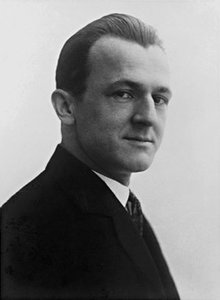
George Grosz
1893 - 1959 , Alemania
Datos clave
- Artistas Que Influyeron: ['Eduard von Grützner']
- Fecha De Fallecimiento: 6 de julio de 1959
- Fecha De Nacimiento: 26 de julio de 1893
- Lugar De Nacimiento: Berlín, Alemania
- Movimiento Artístico: Dadaísmo, Nueva Objetividad
- Nacionalidad: Alemán-Estadounidense
- Nombre Completo: George Grosz
- Obras Notables:
- El Agitador
- La Cova
- Los Pilares de la Sociedad
- Caimán o Hitler en el Infierno
Artículos relacionados

Georges Seurat: Las 25 Obras Maestras del Pionero Puntillista | OriginalUniqueArt
Descubre las 25 obras maestras de Georges Seurat, el innovador del puntillismo. Explora su técnica única, colores vibrantes y legado artístico en OriginalUniqueArt.com. Reproducciones de arte de museo para tu hogar.

Giclée Prints: Archival Quality & Aesthetic Nuances for the Discerning Collector
Explore the world of giclée prints with OriginalUniqueArt. Learn about archival quality, aesthetic nuances & investment potential. Expert guidance for discerning art collectors seeking museum-quality reproductions and lasting value.

The Enduring Legacy of Fine Art Prints: Technique, History & Aesthetic Impact
Explore the rich history & techniques of fine art prints. Discover investment potential, assess authenticity, and learn how to preserve your collection with expert guidance. Trusted insights for discerning collectors.

Echoes of Time: Exploring the Enduring Appeal & Historical Context of Vintage Art Prints
Explore the captivating world of vintage art prints! Discover their history, collecting tips & enduring appeal. Expert insights on chromolithography and building a legacy collection with OriginalUniqueArt.

Maestría Cubista: Las 25 mejores obras de Georges Braque
Explora las 25 obras maestras de Georges Braque y el cubismo. Encuentra reproducciones de museo en OriginalUniqueArt.com.


