Vista previa
 Compartir
 Compartir
 Ver detalles
 Guía
Guía

 Descargar
 Ver artículos similares
 Radiografía
 Presentación de diapositivas
 Estadísticas
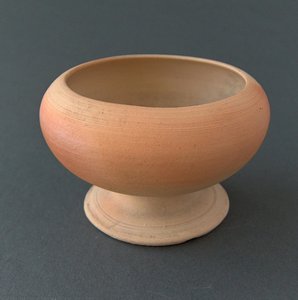
El Mug


 Leer más
Reproducción al óleo hecha a mano
Óleo sobre lienzo pintado a mano en el tamaño y marco de su elección, realizado por encargo por nuestros artistas. ( Cambiar a formato impreso Ver versión en imagen digital)




P118B €10

P118H €10

P118W €10

P438Z €10

P508JH €12

P508YH €12

P805H €10

P805Z €10

P919BZ €10

P919G €10

P919XJ €10

P959ZH €10

P968JZ €12

W106C €8

W218G €10

W218JH €8

W218Y €10

W307PJ €10

W316G €10

W316PJ €8

W316Y €10

W398PJ €8

W4111J €10

W500HY €15

W500JH €15

W692G €12

W849H €8

W940BG €15

W953PJ €8




Elija entre nuestros tamaños predefinidos que respetan las proporciones originales de la obra.

Escriba el ancho y el alto que necesite para adaptarse a su marco o a su pared. Al ser una obra pintada a mano, para un tamaño con una forma distinta, el artista puede pintar un poco más alrededor de la imagen o recortar un poco; usted elige. Le enviaremos una maqueta digital para su aprobación antes de comenzar la pintura. La imagen que se muestra en esta página no refleja el resultado real; solo la maqueta lo hace.
Tras realizar el pedido, el equipo de OriginalUniqueArt.com enviará un correo electrónico al cliente para solicitar instrucciones y proporcionarle una vista previa del boceto.
Envío a todo el mundo () en 3-4 semanas en lugar de las 5 semanas estándar. (22 octubre). Sin comprometer la calidad.

Envío exprés gratuito a todo el mundo

Lienzo de lino de alta calidad

Seguro de envío completo

Garantía de reembolso de impuestos aduaneros

Garantía de fidelidad cromática exacta

Política de devolución de 100 días (solo por defectos)

Garantía de devolución del 100% del dinero

Oferta por volumen
 La opción de vidrio solo está disponible en tamaños inferiores a 110 cm.

El Mug
Técnica de reproducción
Tamaño de la reproducción
-


Precio total
€ 263
George Edgar Ohr: El Potter Loco de Biloxi y la Revolución Silenciosa de la Cerámica
La cerámica estadounidense nunca había conocido una figura tan singular como George Edgar Ohr (1857-1918), un hombre cuyo espíritu creativo desafió las convenciones estéticas y técnicas de su época. Nacido en Biloxi, Mississippi, hijo de inmigrantes alemanes que buscaban nuevas oportunidades, Ohr desarrolló una pasión por la cerámica desde temprana edad gracias al entorno rico en arcilla de esa ciudad costera. Esta fascinación lo impulsaría a crear obras maestras que hoy día son consideradas precursoras del movimiento Abstract Expressionismo estadounidense y ejemplos excepcionales de arte folclórico innovador. Una Figura Disruptiva en el Arte Cerámico Estadounidense Ohr no era simplemente un artesano; era un explorador obsesionado con la forma, la textura y el brillo de la cerámica. Abandonó las técnicas tradicionales para abrazar una estética libre y experimental que rechazaba cualquier regla establecida. Este enfoque poco ortodoxo lo llevó a acuñar el nombre de “El Potter Loco de Biloxi”, no como una declaración de derrota sino como un orgullo por su independencia artística y una afirmación constante de libertad creativa. Esta actitud desafiante fue reflejada en su estilo único, caracterizado por la incorporación deliberada de elementos considerados defectuosos o rechazados por otros artistas, convirtiéndose así en un icono de la innovación artística. La Innovación Técnica y Estética: Una Nueva Visión del Arte Cerámico Ohr revolucionó el proceso creativo cerámica mediante técnicas como el slip-trailing (vertido continuo), que permitía crear diseños complejos y fluidos directamente sobre la superficie del barro crudo. Esta técnica, junto con otros métodos poco convencionales como el uso de materiales reciclados y la incorporación de elementos naturales como piedras y hojas, reflejaba una profunda sensibilidad estética y una voluntad de experimentar con nuevos materiales y procesos. Además, Ohr rechazó cualquier intento de controlar o imponer orden a sus obras, dejando que la naturaleza del barro y el proceso creativo guiaran su inspiración artística. Esta libertad expresiva fue fundamental para desarrollar un estilo propio que trascendía las tendencias dominantes de su tiempo. El Museo Ohr-O’Keefe: Un Legado Preservado en Biloxi La fortuna de Ohr cambió drásticamente después de la destrucción provocada por el incendio de 1894 que arrasó Biloxi, donde había establecido su estudio. Tras perder casi toda su obra anterior, Ohr retomó su trabajo con renovada energía y determinación, impulsado por una profunda conexión emocional con la cerámica como medio de expresión artística. Esta pasión lo llevó a crear más de 20 mil piezas durante su vida, muchas de las cuales permanecieron ocultas en un almacén hasta que Jim Carpenter descubrió la colección en 1970 y adquirió gran parte de ellas. Gracias al apoyo del Museo Ohr-O’Keefe, diseñado por el arquitecto Frank Gehry, cuyo edificio armoniza con los árboles centenarios de Biloxi, las obras maestras de Ohr fueron restauradas y exhibidas al público, asegurando así que este legado artístico único perdure para futuras generaciones. Ahora se reconoce como una figura clave en la historia del arte estadounidense y un ejemplo excepcional de cómo la creatividad puede desafiar las normas establecidas y abrir nuevos caminos hacia la innovación estética.Preguntas y respuestas
¿Se encuentra "El Mug" en el país de su creador?
No; la obra se encuentra en el extranjero. "El Mug" se encuentra en Estados Unidos, mientras que El Potter Loco de Biloxi nació en Estados Unidos de América.
¿Cómo puedo descubrir obras de arte similares a "El Mug" de El Potter Loco de Biloxi?
La página de Similares de "El Mug" de El Potter Loco de Biloxi presenta obras relacionadas.
¿Qué origen nacional sustenta el Abstract Expressionism de "El Mug"?
"El Mug" conecta el movimiento Abstract Expressionism con Estados Unidos de América a través del lugar de nacimiento de su creador.
Biografía del artista
The Singular Vision of George Edgar Ohr: The Mad Potter of Biloxi
George Edgar Ohr, a name synonymous with innovation and eccentricity in the world of American ceramics, was born on July 12, 1857, in the coastal city of Biloxi, Mississippi. His parents, German immigrants seeking new opportunities, instilled in him a strong work ethic and perhaps a touch of the Old World’s artistic sensibility. However, it was the unique environment of Biloxi – a melting pot of cultures and a source of readily available clay – that truly nurtured his burgeoning talent. Ohr wasn’t simply a potter; he was an explorer of form, texture, and glaze, relentlessly pushing the boundaries of what ceramic art could be. He embraced the moniker “Mad Potter of Biloxi,” not as a dismissal, but as a proud declaration of his unconventional approach and unwavering dedication to artistic freedom.
Early Influences and Artistic Awakening
Ohr’s journey into ceramics began somewhat serendipitously. After a restless youth spent trying various trades in New Orleans, he found himself apprenticed to Joseph Fortune Meyer, a potter with connections to the Arts & Crafts movement. This apprenticeship provided Ohr with a solid foundation in traditional techniques, but it was his subsequent travels – a sixteen-state tour of American potteries – that ignited his creative spark. He absorbed diverse methods and styles, yet he wasn’t content to merely replicate; he sought to transcend convention. He returned to Biloxi determined to forge his own path, establishing his “Biloxi Art and Novelty Pottery” where he could fully realize his artistic vision. The clay from the nearby Tchoutacabouffa River became his medium, and his hands, his instruments of transformation.
A Revolution in Clay: Technique and Innovation
Ohr’s work stands apart due to its radical departure from prevailing ceramic norms. While many potters focused on functionality and symmetrical forms, Ohr embraced asymmetry, distortion, and a deliberate rejection of perfection. He pioneered techniques like twisting, crumpling, folding, and stretching the clay while still wet, creating vessels that seemed to defy gravity and challenge expectations. His glazes were equally experimental – vibrant, unpredictable, and often resembling molten metal or iridescent jewels. He wasn’t interested in simply decorating pottery; he was sculpting with color and light. He thinned his walls to an almost impossible degree, achieving a delicacy rarely seen in ceramics. This daring approach, combined with his unique glazes, resulted in pieces that were both visually stunning and structurally audacious. His work foreshadowed the abstract expressionist movement decades before it fully emerged, demonstrating a willingness to prioritize form and emotion over representational accuracy.
Years of Isolation and Rediscovery
Despite his innovative spirit, Ohr struggled for recognition during his lifetime. The public wasn’t always ready for his radical designs, and he often found himself at odds with prevailing tastes. Frustrated by the lack of appreciation and unwilling to compromise his artistic integrity, he ceased production around 1910, meticulously packing away thousands of pieces in his studio. He requested that his family leave the collection untouched for fifty years after his death, believing that future generations would be more receptive to his work. Sadly, Ohr passed away on April 7, 1918, during the influenza pandemic, largely unknown outside of Biloxi. It wasn’t until the late 1960s and early 1970s that his genius was finally recognized. James Carpenter, an antiques dealer, discovered the hidden trove of pottery and began to champion Ohr's work, introducing it to a wider audience. The rediscovery sparked a renewed interest in American ceramics and cemented Ohr’s place as a visionary artist.
Legacy and Enduring Influence
Today, George Edgar Ohr is celebrated as one of the most important figures in American ceramic history. His pioneering spirit continues to inspire artists around the world. His work can be found in major museums, including the Smithsonian Institution and the Metropolitan Museum of Art, and a dedicated museum – the Ohr–O'Keefe Museum of Art in Biloxi – stands as a testament to his enduring legacy.
- Ohr’s influence extends beyond ceramics.
- His willingness to challenge conventions resonates with artists across disciplines.
- He demonstrated that true artistic expression requires courage, independence, and an unwavering commitment to one's vision.

El Potter Loco de Biloxi
1857 - 1918 , Estados Unidos de América
Datos clave
- Artistic Movement Or Style: Expresionismo abstracto
- Artists Or Movements Influenced By This Artist: ['Cerámica estadounidense']
- Artists Who Influenced This Artist: ['Joseph Fortune Meyer']
- Date Of Birth: 12 julio 1857
- Date Of Death: 7 abril 1918
- Full Name: George Edgar Ohr
- Nationality: Americano
- Notable Artworks:
- Mug
- Teapot
- Bowl
- Place Of Birth: Biloxi, EEUU
Artículos relacionados
The Art of Ceramics: A Guide to Mastery, Texture, and Timeless Form for the Discerning Collector
Explore the profound elegance of ceramic art. From master glazes to sculptural forms, our expert guide offers discerning collectors deep insights into the mastery, texture, and timeless value of fine ceramics for sophisticated collections and luxury interiors.

Georges Braque: Las 25 Obras Maestras del Cubismo y su Legado en el Arte Moderno
Descubre las 25 obras maestras de Georges Braque, pionero del cubismo. Explora su innovadora técnica, colores y el legado del arte moderno francés. Reproducciones de alta calidad en OriginalUniqueArt.com. ¡Encuentra tu inspiración!

The Alchemy of Clay: A Collector's Guide to the Mastery, Texture, and Timeless Form of Ceramic Art
Discover the profound beauty of ceramic art. Our expert guide explores the alchemy of clay, texture, and glaze, offering collectors deep insights into mastering earth and fire to create timeless, sculptural masterpieces for any curated collection.
George Stubbs: Anatomical Precision & Romantic Vision in 18th-Century British Art
Explore the captivating world of George Stubbs, the 18th-century master renowned for his anatomical precision & Romantic animal paintings. Discover his legacy and investment potential.

Georges Seurat: Las 25 Obras Maestras del Pionero Puntillista | OriginalUniqueArt
Descubre las 25 obras maestras de Georges Seurat, el innovador del puntillismo. Explora su técnica única, colores vibrantes y legado artístico en OriginalUniqueArt.com. Reproducciones de arte de museo para tu hogar.