Vista previa
 Compartir
 Compartir
 Ver detalles
 Guía
Guía

 Descargar
 Ver artículos similares
 Radiografía
 Presentación de diapositivas
 Estadísticas
Crema


 Leer más
Giclée / Impresión de arte
Impresiones giclée o en lienzo de calidad de museo con producción rápida y opciones de acabado flexibles. ( Encargar reproducción pintada a mano Ver versión en imagen digital)




P118B €10

P118H €10

P118W €10

P438Z €10

P508JH €12

P508YH €12

P805H €10

P805Z €10

P919BZ €10

P919G €10

P919XJ €10

P959ZH €10

P968JZ €12

W106C €8

W218G €10

W218JH €8

W218Y €10

W307PJ €10

W316G €10

W316PJ €8

W316Y €10

W398PJ €8

W4111J €10

W500HY €15

W500JH €15

W692G €12

W849H €8

W940BG €15

W953PJ €8




Elija entre nuestros tamaños predefinidos que respetan las proporciones originales de la obra.

Introduzca el ancho y el alto que necesite para adaptarse a su marco o pared. Una impresión solo puede recortarse, nunca hacerse más grande que la imagen original, por lo que un tamaño con una forma distinta perderá parte de la obra. Le enviaremos una maqueta digital para su aprobación antes de realizar cualquier impresión. La imagen que se muestra en esta página no refleja el recorte real; solo la maqueta lo hace.
Envío a todo el mundo () en 2 semanas en lugar de las 4/5 semanas estándar. (23 octubre)

Envío exprés gratuito a todo el mundo

Lienzo de lino de alta calidad

Seguro de envío completo

Garantía de reembolso de impuestos aduaneros

Garantía de fidelidad cromática exacta

Política de devolución de 100 días (solo por defectos)

Garantía de devolución del 100% del dinero

Oferta por volumen
 La opción de vidrio solo está disponible en tamaños inferiores a 110 cm.

Crema
Giclée / Impresión de arte
Tamaño de la reproducción
-


Precio total
€ 70
George Edgar Ohr y la Audaz Innovación Cerámica
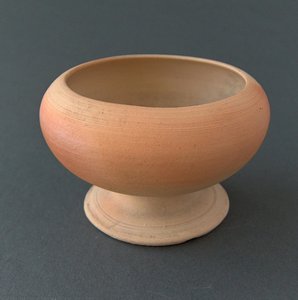
La obra maestra que tenemos ante nosotros, “Creamer” de George Edgar Ohr (1857-1918), representa un punto culminante en el desarrollo del arte cerámico estadounidense a principios del siglo XX. Más allá de una simple pieza utilitaria, este pequeño recipiente es una declaración artística audaz que desafía las convenciones estéticas dominantes de la época y celebra la libertad creativa como principio fundamental. Ohr, conocido cariñosamente como “El Potter Loco de Biloxi”, rechazó sistemáticamente las normas académicas tradicionales para abrazar un enfoque experimental que lo convertiría en uno de los artistas más originales e influyentes de su generación.Un Estilo Singular: El Surrealismo Cerámico
Ohr no buscaba replicar fielmente la realidad; sino que quería expresar emociones y conceptos abstractos a través del lenguaje específico de la cerámica. Su estilo puede describirse como surrealista, aunque Ohr mismo rechazó esta etiqueta, pues creía que reflejaba mejor su visión artística. Inspirado por movimientos vanguardistas como el cubismo y el futurismo, Ohr desarrolló una técnica innovadora basada en la construcción libre y la aplicación deliberada de glazes multicolores sobre piezas de cerámica previamente cocidas. Esta metodología permitía obtener efectos visuales sorprendentes, como manchas brillantes y ondulaciones cromáticas que evocaban imágenes mentales y sensoriales más allá del mundo objetivo. Los resultados eran obras maestras de textura y color que desafiaban cualquier intento de categorización convencional.La Técnica Innovadora: Construcción Libre y Glazes Molten Metal
La ejecución de “Creamer” ejemplifica perfectamente esta filosofía artística. Ohr empleó una técnica conocida como construcción libre, donde la pieza cerámica se ensambló sin utilizar moldes tradicionales, ofreciendo al artista total libertad para experimentar con formas y tamaños diversos. Posteriormente, aplicaba glazes especiales hechos a mano que Ohr llamaba "glazes de metal fundido", utilizando pigmentos brillantes y complejos para crear superficies luminosas y efectos cromáticos excepcionales. Estos glazes eran aplicados en capas sucesivas hasta obtener una textura rica y brillante que imitaba la apariencia del metal líquido, generando una sensación de movimiento y energía visual sorprendente. Esta técnica fue pionera en el arte cerámico estadounidense y abrió nuevas vías para la expresión artística.El Contexto Histórico: Biloxi y la Renovación Artística
Biloxi, Mississippi, donde Ohr desarrolló su actividad artística, fue un lugar clave en el nacimiento del surrealismo americano. La ciudad contaba con una importante comunidad artesanal y cerámica, pero también estaba abierta a nuevas influencias culturales provenientes de Europa, especialmente Francia, donde movimientos como el cubismo y el futurismo estaban revolucionando el arte occidental. Ohr absorbió estas tendencias vanguardistas con entusiasmo, rechazando las normas académicas tradicionales y buscando inspiración en fuentes inesperadas como la poesía surrealista y los sueños. Esta actitud desafiadora fue esencial para impulsar la renovación artística de principios del siglo XX y convertir a Ohr en un icono de la libertad creativa.Simbolismo y Emoción: Una Declaración de Libertad Creativa
“Creamer” no solo posee una estética innovadora sino también una profunda carga simbólica. La cerámica misma representa la conexión entre el hombre y la tierra, mientras que los colores brillantes y las texturas onduladas evocan emociones como la alegría, la energía y la espontaneidad. Ohr buscaba transmitir estos sentimientos a través de su obra, desafiando cualquier intento de interpretación racional y ofreciendo al espectador una experiencia estética sensorialmente rica y emocionalmente conmovedora. Esta pieza refleja el espíritu libre y creativo del artista, celebrando la belleza inherente en lo inesperado y abrazando la diversidad de perspectivas artísticas.Preguntas y respuestas
¿A qué etapa de la trayectoria de El Potter Loco de Biloxi pertenece "Crema"?
"Crema" representa el Mature Period de El Potter Loco de Biloxi.
¿Dónde se recomienda exhibir el formato Formato vertical de "Crema"?
El formato (Formato vertical) y el espacio recomendado (Salón principal) son los dos datos de colocación registrados para "Crema" de El Potter Loco de Biloxi.
¿Existe una ficha informativa sobre "Crema" de El Potter Loco de Biloxi para estudiantes?
La página Guía de "Crema" de El Potter Loco de Biloxi ofrece una ficha informativa imprimible de dos hojas: la obra con su tabla de identidad, una línea de tiempo por décadas que la sitúa en la vida del artista, otras obras del mismo autor, la paleta de colores medida y citas listas para copiar en cuatro estilos diferentes.
Biografía del artista
The Singular Vision of George Edgar Ohr: The Mad Potter of Biloxi
George Edgar Ohr, a name synonymous with innovation and eccentricity in the world of American ceramics, was born on July 12, 1857, in the coastal city of Biloxi, Mississippi. His parents, German immigrants seeking new opportunities, instilled in him a strong work ethic and perhaps a touch of the Old World’s artistic sensibility. However, it was the unique environment of Biloxi – a melting pot of cultures and a source of readily available clay – that truly nurtured his burgeoning talent. Ohr wasn’t simply a potter; he was an explorer of form, texture, and glaze, relentlessly pushing the boundaries of what ceramic art could be. He embraced the moniker “Mad Potter of Biloxi,” not as a dismissal, but as a proud declaration of his unconventional approach and unwavering dedication to artistic freedom.
Early Influences and Artistic Awakening
Ohr’s journey into ceramics began somewhat serendipitously. After a restless youth spent trying various trades in New Orleans, he found himself apprenticed to Joseph Fortune Meyer, a potter with connections to the Arts & Crafts movement. This apprenticeship provided Ohr with a solid foundation in traditional techniques, but it was his subsequent travels – a sixteen-state tour of American potteries – that ignited his creative spark. He absorbed diverse methods and styles, yet he wasn’t content to merely replicate; he sought to transcend convention. He returned to Biloxi determined to forge his own path, establishing his “Biloxi Art and Novelty Pottery” where he could fully realize his artistic vision. The clay from the nearby Tchoutacabouffa River became his medium, and his hands, his instruments of transformation.
A Revolution in Clay: Technique and Innovation
Ohr’s work stands apart due to its radical departure from prevailing ceramic norms. While many potters focused on functionality and symmetrical forms, Ohr embraced asymmetry, distortion, and a deliberate rejection of perfection. He pioneered techniques like twisting, crumpling, folding, and stretching the clay while still wet, creating vessels that seemed to defy gravity and challenge expectations. His glazes were equally experimental – vibrant, unpredictable, and often resembling molten metal or iridescent jewels. He wasn’t interested in simply decorating pottery; he was sculpting with color and light. He thinned his walls to an almost impossible degree, achieving a delicacy rarely seen in ceramics. This daring approach, combined with his unique glazes, resulted in pieces that were both visually stunning and structurally audacious. His work foreshadowed the abstract expressionist movement decades before it fully emerged, demonstrating a willingness to prioritize form and emotion over representational accuracy.
Years of Isolation and Rediscovery
Despite his innovative spirit, Ohr struggled for recognition during his lifetime. The public wasn’t always ready for his radical designs, and he often found himself at odds with prevailing tastes. Frustrated by the lack of appreciation and unwilling to compromise his artistic integrity, he ceased production around 1910, meticulously packing away thousands of pieces in his studio. He requested that his family leave the collection untouched for fifty years after his death, believing that future generations would be more receptive to his work. Sadly, Ohr passed away on April 7, 1918, during the influenza pandemic, largely unknown outside of Biloxi. It wasn’t until the late 1960s and early 1970s that his genius was finally recognized. James Carpenter, an antiques dealer, discovered the hidden trove of pottery and began to champion Ohr's work, introducing it to a wider audience. The rediscovery sparked a renewed interest in American ceramics and cemented Ohr’s place as a visionary artist.
Legacy and Enduring Influence
Today, George Edgar Ohr is celebrated as one of the most important figures in American ceramic history. His pioneering spirit continues to inspire artists around the world. His work can be found in major museums, including the Smithsonian Institution and the Metropolitan Museum of Art, and a dedicated museum – the Ohr–O'Keefe Museum of Art in Biloxi – stands as a testament to his enduring legacy.
- Ohr’s influence extends beyond ceramics.
- His willingness to challenge conventions resonates with artists across disciplines.
- He demonstrated that true artistic expression requires courage, independence, and an unwavering commitment to one's vision.

El Potter Loco de Biloxi
1857 - 1918 , Estados Unidos de América
Datos clave
- Artistic Movement Or Style: Expresionismo abstracto
- Artists Or Movements Influenced By This Artist: ['Cerámica estadounidense']
- Artists Who Influenced This Artist: ['Joseph Fortune Meyer']
- Date Of Birth: 12 julio 1857
- Date Of Death: 7 abril 1918
- Full Name: George Edgar Ohr
- Nationality: Americano
- Notable Artworks:
- Mug
- Teapot
- Bowl
- Place Of Birth: Biloxi, EEUU
Artículos relacionados
The Art of Ceramics: A Guide to Mastery, Texture, and Timeless Form for the Discerning Collector
Explore the profound elegance of ceramic art. From master glazes to sculptural forms, our expert guide offers discerning collectors deep insights into the mastery, texture, and timeless value of fine ceramics for sophisticated collections and luxury interiors.

Georges Braque: Las 25 Obras Maestras del Cubismo y su Legado en el Arte Moderno
Descubre las 25 obras maestras de Georges Braque, pionero del cubismo. Explora su innovadora técnica, colores y el legado del arte moderno francés. Reproducciones de alta calidad en OriginalUniqueArt.com. ¡Encuentra tu inspiración!

Expresionismo Abstracto: 10 Obras Maestras que Transformaron el Arte |
Descubre las 10 obras maestras del Expresionismo Abstracto: Pollock, Rothko y más. Explora la historia, técnica y significado de estos lienzos icónicos. Reproducciones de arte exclusivas en .

The Alchemy of Clay: A Collector's Guide to the Mastery, Texture, and Timeless Form of Ceramic Art
Discover the profound beauty of ceramic art. Our expert guide explores the alchemy of clay, texture, and glaze, offering collectors deep insights into mastering earth and fire to create timeless, sculptural masterpieces for any curated collection.

Georges Seurat: Las 25 Obras Maestras del Pionero Puntillista | OriginalUniqueArt
Descubre las 25 obras maestras de Georges Seurat, el innovador del puntillismo. Explora su técnica única, colores vibrantes y legado artístico en OriginalUniqueArt.com. Reproducciones de arte de museo para tu hogar.