
 Vista previa
 Compartir
 Compartir
 Ver detalles

 Descargar
 Ver similares
 Radiografía
 Presentación de diapositivas
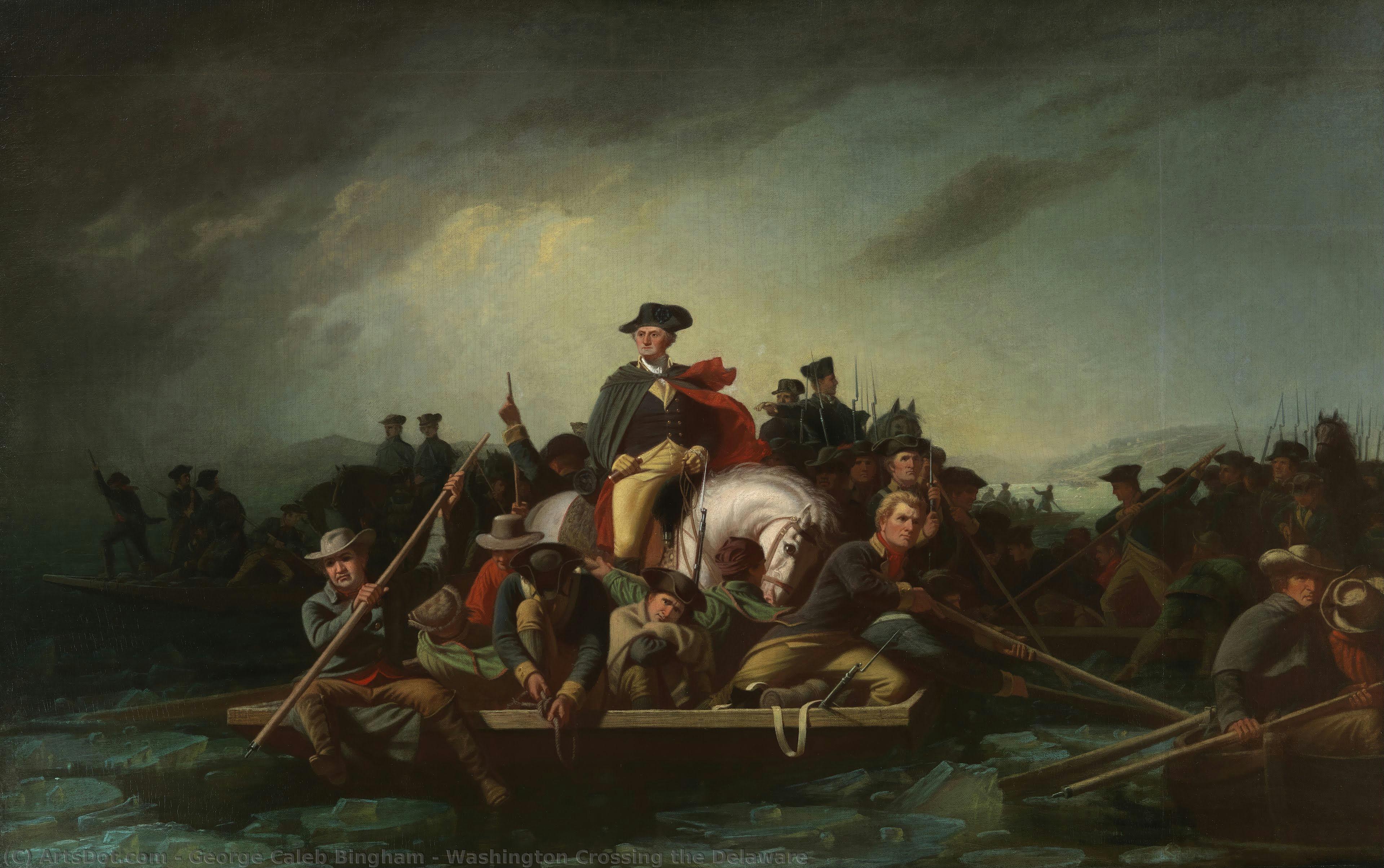
Washington Crossing the Delaware
 Acrylic On Canvas
- WallArt
- American Realism
 93.0 x 146.0 cm
 Museo de Arte Chrysler
 Leer más
Reproducción al óleo hecha a mano
Óleo sobre lienzo pintado a mano en el tamaño y marco de su elección, realizado por encargo por nuestros artistas. ( Pedir impresión Comprar descarga)




P118B $10

P118H $10

P118W $10

P438Z $10

P508JH $12

P508YH $12

P805H $10

P805Z $10

P919BZ $10

P919G $10

P919XJ $10

P959ZH $10

P968JZ $12

W106C $8

W218G $10

W218JH $8

W218Y $10

W307PJ $10

W316G $10

W316PJ $8

W316Y $10

W398PJ $8

W4111J $10

W500HY $15

W500JH $15

W692G $12

W849H $8

W940BG $15

W953PJ $8




Elija entre nuestros tamaños predefinidos que respetan las proporciones originales de la obra.

Puede ingresar sus propias dimensiones para adaptarse a un marco o espacio específico. Si el tamaño seleccionado no coincide con las proporciones de la imagen original, recortaremos la obra o extenderemos la pintura con elementos adicionales pintados a mano. Se le enviará una maqueta digital para su aprobación antes de comenzar la producción.
Tenga en cuenta que la vista previa en pantalla no refleja el recorte o la extensión reales. Solo la maqueta mostrará con precisión la composición final.
Si bien existen tamaños personalizados, recomendamos seleccionar una dimensión de la lista predefinida para preservar las proporciones originales.
Tras realizar el pedido, el equipo de OriginalUniqueArt.com enviará un correo electrónico al cliente para solicitar instrucciones y proporcionarle una vista previa del boceto.
Envío a todo el mundo () en 3-4 semanas en lugar de las 5 semanas estándar. (19 agosto). Sin comprometer la calidad.

Envío exprés gratuito a todo el mundo

Lienzo de lino de alta calidad

Seguro de envío completo

Garantía de reembolso de aranceles aduaneros

Garantía de fidelidad cromática exacta

Política de devolución de 60 días (solo por defectos)

Garantía de devolución del 100% del dinero

Oferta por volumen
 La opción de vidrio solo está disponible en tamaños inferiores a 110 cm.

Washington Crossing the Delaware
Técnica de reproducción
Tamaño de la reproducción
-


Precio total
$ 300
Descripción de la obra
Washington Crossing the Delaware – A Testament to American Heroism
- George Caleb Bingham’s “Washington Crossing the Delaware” isn't merely a depiction of a pivotal moment in American history; it’s an embodiment of the nation’s foundational ideals. Painted in 1851, this artwork captures the dramatic scene of General George Washington leading his troops across the icy Delaware River on Christmas night, 1776 – a daring surprise attack that shifted the momentum of the Revolutionary War. Bingham's interpretation, inspired by Emanuel Leutze’s iconic rendition, elevates the historical event into a timeless symbol of courage and leadership, resonating powerfully with viewers even today.
- The painting’s strength lies not just in its subject matter but also in Bingham’s masterful use of genre painting techniques. He eschews the grand, heroic scale often associated with historical paintings, opting instead for a more intimate and accessible portrayal. The figures are rendered with remarkable detail and realism, capturing the weariness of the soldiers and the stoicism of Washington himself. Bingham's brushwork is characterized by broad, confident strokes, creating a sense of movement and immediacy that draws the viewer into the heart of the action.
A Portrait of American Identity
Bingham’s background profoundly shaped his artistic vision. Born in Augusta County, Virginia, he witnessed firsthand the challenges and opportunities presented by westward expansion – a theme that permeates much of his work. This experience instilled within him an understanding of the American spirit: resilience, determination, and a belief in self-governance. Washington himself becomes more than just a military commander; he transforms into an archetype of American virtue, representing the values upon which the nation was founded.
The composition is deliberately powerful. Washington, positioned prominently at the center, exudes authority and resolve. His posture, his gaze, all contribute to an impression of unwavering leadership. The soldiers surrounding him are not presented as anonymous figures but as individuals – each contributing to the collective effort. This emphasis on the common man underscores the democratic ideals that fueled the American Revolution.
Symbolism and Technique
- The icy waters of the Delaware River symbolize the immense challenges faced by Washington’s troops. The cold, turbulent conditions mirror the precariousness of their situation – a desperate gamble against overwhelming odds. The mountains in the background serve as a dramatic backdrop, emphasizing the scale of the undertaking and reinforcing the sense of grandeur.
- Bingham's palette is dominated by cool blues and grays, reflecting the winter landscape and evoking a mood of solemnity and determination. The use of light and shadow adds to the painting’s dramatic effect, highlighting Washington’s figure and creating a sense of depth within the scene. The meticulous attention to detail in rendering clothing, weaponry, and facial expressions further enhances the realism of the composition.
Dimensions & Impact
This exceptional reproduction measures 93 x 146 cm (37 x 57.5 inches), making it a substantial piece suitable for both grand and more intimate spaces. “Washington Crossing the Delaware” transcends its historical context, continuing to inspire awe and admiration for the courage and sacrifice that shaped the United States. It’s an artwork that speaks to the enduring values of freedom, democracy, and leadership – qualities that remain central to the American identity.
Biografía del artista
Primeros años y comienzos artísticos
George Caleb Bingham, un artista estadounidense, nació en Augusta County, Virginia, en 1811. Fue el segundo de siete hijos de Mary Amend y Henry Vest Bingham. Tras la difícil situación financiera de su familia, se mudaron a Franklin, Missouri, donde comenzó el viaje artístico de Bingham. A los nueve años, asistió a Chester Harding, un famoso retratista estadounidense, durante su breve estancia en Franklin.Desarrollo artístico y estilo
Bingham fue en gran medida autodidacta, con sus primeros trabajos influenciados por sus aprendizajes con los fabricantes de gabinetes Jesse Green y Justinian Williams. A los diecinueve años, pintaba retratos por 20 dólares cada uno, a menudo completándolos en un solo día. Su sólido dibujo y su capacidad para capturar rasgos impresionaron a los mecenas, lo que le llevó a viajar a St. Louis para continuar su oficio.Obras destacadas y redescubrimiento
El trabajo de Bingham ejemplifica el estilo luminista, capturando la vida estadounidense a lo largo del río Missouri. Entre sus obras más destacadas se encuentran:- Order at the Border (1850), que muestra su mezcla única de realismo y luminismo.
- The County Election (1844), una representación esencial de la vida fronteriza estadounidense.
- St. Louis Jockey, on the Battlefield (1862), que destaca su capacidad para capturar la esencia de la cultura estadounidense.
Legado e influencia
La influencia de Bingham en el arte estadounidense es innegable. Su estilo luminista ha inspirado a generaciones de artistas, incluidos los que aparecen en las populares obras de arte de OriginalUniqueArt. Explore más trabajos de Bingham y el movimiento luminista en la plataforma de OriginalUniqueArt.- Descubra la extensa colección de George Caleb Bingham en la página de George Caleb Bingham de OriginalUniqueArt.
- Aprenda más sobre el estilo luminista y su influencia en el arte estadounidense.

George Caleb Bingham
1811 - 1879 , Estados Unidos de América
Datos clave
- Artistas Influenciados: ['Artistas de WahooArt']
- Artistas Que Influyeron:
- Chester Harding
- Jesse Green
- Justinian Williams
- Fecha De Fallecimiento: 7 de julio de 1879
- Fecha De Nacimiento: 20 de marzo de 1811
- Lugar De Nacimiento: Augusta County, EE. UU.
- Movimiento Artístico: Luminismo y Realismo Americano
- Nacionalidad: Estadounidense
- Nombre Completo: George Caleb Bingham
- Obras Notables:
- Order at the Border
- The County Election
- St. Louis Jockey, on the Battlefield
Artículos relacionados
Giclée Prints: Archival Quality & Aesthetic Nuances for the Discerning Collector
Explore the world of giclée prints with OriginalUniqueArt. Learn about archival quality, aesthetic nuances & investment potential. Expert guidance for discerning art collectors seeking museum-quality reproductions and lasting value.

Los 10 Maestros del Río Hudson: Obras que Definieron un Movimiento Artístico
Descubre los 10 lienzos más emblemáticos de la Escuela del Río Hudson. Explora las obras maestras de Thomas Cole, Church y Bierstadt que capturan la belleza del paisaje americano. Encuentra reproducciones de arte exclusivas en OriginalUniqueArt.com.
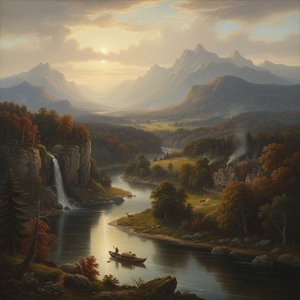
Capturing the American Spirit: A Journey Through Iconic Landscapes and the Legacy of the Hudson River School
Explore the profound beauty of American art history. From the Hudson River School to iconic landscapes, discover a curated journey through the masterpieces that defined a nation's spirit and the enduring legacy of American Romanticism.

Grant Wood & American Regionalism: Identity, Myth & the Rural Landscape
Explore the world of Grant Wood & American Regionalism with OriginalUniqueArt. Discover the symbolism behind 'American Gothic', recurring themes, and the movement's lasting impact on art history. High-quality reproductions available.

The Enduring Legacy of Fine Art Prints: Technique, History & Aesthetic Impact
Explore the rich history & techniques of fine art prints. Discover investment potential, assess authenticity, and learn how to preserve your collection with expert guidance. Trusted insights for discerning collectors.



