
 Ver en contexto
 Enviar
 Compartir
 Detalles
 Guía
Guía

 Descargar
 Similares
 Radiografía
 Presentación de diapositivas
 Preguntas y respuestas
 Estadísticas
On outpost
 Ver más
Giclée / Impresión de arte
Impresiones giclée o en lienzo de calidad de museo con producción rápida y opciones de acabado flexibles. ( Comprar pintura hecha a mano Cambiar a imagen digital)




































Elija entre nuestros tamaños predefinidos que respetan las proporciones originales de la obra.

Introduzca el ancho y el alto que necesite para adaptarse a su marco o pared. Una impresión solo puede recortarse, nunca hacerse más grande que la imagen original, por lo que un tamaño con una forma distinta perderá parte de la obra. Le enviaremos una maqueta digital para su aprobación antes de realizar cualquier impresión. La imagen que se muestra en esta página no refleja el recorte real; solo la maqueta lo hace.
Envío a todo el mundo () en 2 semanas en lugar de las 4/5 semanas estándar. (15 noviembre)

Envío exprés gratuito a todo el mundo

Lienzo de lino de alta calidad

Seguro de envío total

Garantía de reembolso de aranceles aduaneros

Garantía de fidelidad cromática exacta

Política de devolución de 100 días (solo por defectos)

Garantía de devolución del 100% del dinero

Descuento por cantidad
 La opción de vidrio solo está disponible en tamaños inferiores a 110 cm.

On outpost
Giclée / Impresión de arte
Dimensiones de la reproducción
-


Precio total final
€ 72
Biografía del artista
El observador silencioso: La vida y el legado de Georg Friedrich Kersting
En el gran tapiz del Romanticismo alemán, donde las cumbres dramáticas y los cielos tempestuosos suelen dominar la narrativa visual, existe una belleza más íntima y susurrada que se encuentra en las obras de Georg Friedrich Kersting. Nacido en 1785 en la modesta aldea de Gostendorf, hijo de un vidriero, el viaje de Kersting desde sus humildes comienzos hasta las cumbres del prestigio artístico prusiano es un testimonio de una vida dedicada a la observación profunda de lo cotidiano. Su formación temprana en la Academia de Copenhague, entre 1805 y 1808, le proporcionó una base de claridad estilística y un dibujo meticuloso, lo que le valió una medalla de plata e inculcó en él una precisión que se convertiría en su sello artístico.
La vida de Kersting no fue meramente una de contemplación tranquila en el estudio; estuvo profundamente entrelazada con las turbulentas corrientes políticas de su época. Al trasladarse a Dresde en 1808, se unió al Cuerpo Libre de Lützow, una unidad de voluntarios patrióticos, encarnando el espíritu de reforma y servicio nacional. Este periodo de participación militar probablemente agudizó su ojo para el detalle y el carácter humano, experiencias que más tarde informarían la profundidad psicológica presente en sus pinturas. Fue durante esta era cuando forjó uno de los vínculos artísticos más significativos del siglo XIX a través de su relación con Caspar David Friedrich. Caminando juntos por los accidentados paisajes de las montañas Riesengebirge, Kersting actuó tanto de compañero como de colaborador, produciendo dibujos preparatorios que servirían como inspiraciones vitales para los paisajes más monumentales y sublimes de Friedrich.
El arte de lo íntimo: Estilo y técnica
Mientras su mentor, Friedrich, buscaba capturar lo infinito y lo divino a través de fenómenos naturales abrumadores, Kersting encontró su vocación en la tradición Biedermeier, un estilo caracterizado por el retiro hacia lo doméstico, lo acogedor y lo tranquilo. Dominó el género de las escenas de interiores, transformando habitaciones sencillas en escenarios para un drama humano silencioso. Su técnica era una sofisticada mezcla de sensibilidad romántica y una reverencia por los maestros holandesos del siglo XVII. Al emplear sutiles matices de luz y color, Kersting lograba dar vida a un rincón iluminado por el sol o a un estudio en sombras, dotando a la domesticidad de un sentido de dignidad y atemporalidad.
Su obra se define por varios elementos artísticos fundamentales:
- Realismo meticuloso: Una dedicación a la representación precisa de las texturas, desde la veta de los muebles de madera hasta los suaves pliegues de las telas.
- Profundidad psicológica: La capacidad de capturar momentos fugaces de contemplación o interacción silenciosa, sugiriendo una rica vida interior en sus sujetos.
- Atmósfera luminosa: Un uso magistral de la luz para crear una sensación de calidez y paz, centrándose a menudo en la forma en que la luz natural entra en un espacio doméstico.
- La belleza de lo ordinario: Un enfoque elevado en los objetos y escenas cotidianas, encontrando un significado profundo en los aspectos mundanos de la vida.
Importancia histórica y perdurabilidad artística
La importancia histórica de Georg Friedrich Kersting reside en su capacidad para tender un puente entre el emocionalismo expansivo del Romanticismo y el realismo observacional y fundamentado del periodo Biedermeier. Proporcionó un contrapunto necesario a los movimientos más grandiosos de la época, ofreciendo una ventana al alma de la clase media alemana y a la santidad de la esfera privada. Sus colaboraciones y su habilidad para traducir el espíritu de su tiempo en poesía visual íntima aseguran su lugar como una figura vital en la historia del arte europeo.
A través de sus pinturas, Kersting nos invita a reducir nuestro ritmo y encontrar el asombro en la quietud. Nos recuerda que la grandeza no solo se encuentra en lo épico o lo extraordinario, sino en los momentos tranquilos y llenos de luz de nuestra experiencia humana compartida. Su legado permanece como una profunda celebración de la belleza hallada dentro de los límites del hogar y del corazón.

Georg Friedrich Kersting
1785 - 1847 , Alemania
Datos clave
- Artistic Movement Or Style: Biedermeier
- Artists Who Influenced This Artist: Caspar David Friedrich
- Date Of Birth: 31 octubre 1785
- Date Of Death: 1 julio 1847
- Full Name: Georg Friedrich Kersting
- Nationality: Alemania
- Notable Artworks:
- El bordador
- La mañana en los Riesegebirge
- Place Of Birth: Göstendorf, Alemania
Artículos relacionados
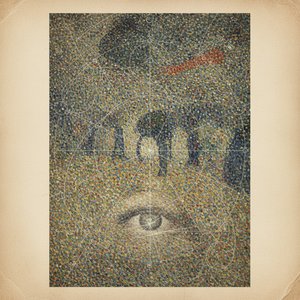
Georges Seurat: Pointillism, Perception & the Scientific Foundations of Modern Art
Explore the revolutionary art of Georges Seurat and the science behind Pointillism. Discover chromoluminarism, optical mixing, and the lasting impact of Neo-Impressionism on modern art history.


