
 Ver en contexto
 Enviar
 Compartir
 Detalles
 Guía
Guía

 Descargar
 Similares
 Radiografía
 Presentación de diapositivas
 Preguntas y respuestas
 Estadísticas
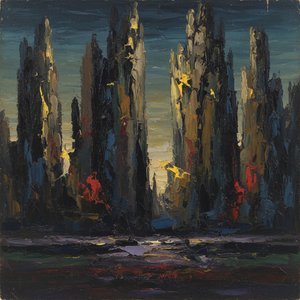
Torn Poster, No. 3a

- 44.0 x 57.0 cm


 Ver más
La obra de arte que se muestra en esta página está protegida por las leyes de propiedad intelectual, lo que significa que no podemos crear ni vender legalmente una reproducción idéntica. Esta protección se hace cumplir en virtud de acuerdos internacionales como el Convenio de Berna y por las leyes nacionales, incluidas aquellas establecidas por el Ley de derechos de autor de los EE. UU. - Título 17.
Este método cumple plenamente con las normativas de derechos de autor, ya que no implica la copia ni la duplicación de la obra protegida. En su lugar, se trata de una reinterpretación creativa: una nueva pintura influenciada por la original, pero que no es idéntica a ella.
Giclée / Impresión de arte
Impresiones giclée o en lienzo de calidad de museo con producción rápida y opciones de acabado flexibles. ( Comprar pintura hecha a mano Cambiar a imagen digital)




































Elija entre nuestros tamaños predefinidos que respetan las proporciones originales de la obra.

Introduzca el ancho y el alto que necesite para adaptarse a su marco o pared. Una impresión solo puede recortarse, nunca hacerse más grande que la imagen original, por lo que un tamaño con una forma distinta perderá parte de la obra. Le enviaremos una maqueta digital para su aprobación antes de realizar cualquier impresión. La imagen que se muestra en esta página no refleja el recorte real; solo la maqueta lo hace.
Envío a todo el mundo () en 2 semanas en lugar de las 4/5 semanas estándar. (16 noviembre)

Envío exprés gratuito a todo el mundo

Lienzo de lino de alta calidad

Seguro de envío total

Garantía de reembolso de aranceles aduaneros

Garantía de fidelidad cromática exacta

Política de devolución de 100 días (solo por defectos)

Garantía de devolución del 100% del dinero

Descuento por cantidad
 La opción de vidrio solo está disponible en tamaños inferiores a 110 cm.

Torn Poster, No. 3a
Giclée / Impresión de arte
Dimensiones de la reproducción
-


Precio total final
€ 72
Biografía del artista
Una vida grabada en la textura: El mundo de Fritz Blumenthal
Fritz Blumenthal, nacido como Friedrich Salomon Perls en 1913, fue un artista cuyo viaje vital reflejó las turbulentas corrientes del siglo XX. Aunque quizás sea más conocido bajo su nombre adoptado, la identidad artística de Blumenthal emergió de un crisol de desplazamiento y reinvención. Su historia no comienza con pinceles y lienzos, sino con la vibrante atmósfera intelectual de Berlín en los primeros años de la República de Weimar. La familia de Perls era judía y, a medida que el clima político se oscurecía con el ascenso del nazismo, su camino se desvió drásticamente de las aspiraciones académicas que inicialmente se habían previsto para él. Obligado a huir de Alemania en 1936, encontró refugio primero en Inglaterra y, finalmente, en los Estados Unidos, estableciéndose en la ciudad de Nueva York en 1941. Esta experiencia de exilio moldeó profundamente su visión artística, infundiendo un sentido de urgencia y una profunda empatía por la condición humana que permearía su obra. Eligió deliberadamente “Blumenthal” como su nombre profesional, despojándose de su nombre de nacimiento como un acto simbólico de la creación de un nuevo ser en medio de la pérdida y la agitación.De los estudios iniciales al expresionismo abstracto
La formación artística formal de Blumenthal se vio fragmentada por las exigencias de la guerra y la migración. Recibió algo de instrucción en la Escuela Reimann de Berlín antes de su partida, pero gran parte de su desarrollo temprano fue autodidacta, impulsado por una curiosidad insaciable y una experimentación implacable con los materiales. Atraído inicialmente por el trabajo figurativo, rápidamente fue más allá de la precisión representativa, abrazando la abstracción como un medio para transmitir verdades emocionales que las palabras no podían capturar. Su primer periodo en Nueva York lo vio inmerso en el floreciente movimiento del expresionismo abstracto. Aunque nunca se alineó totalmente con ninguna escuela en particular, Blumenthal absorbió la energía y la innovación de artistas como Jackson Pollock, Mark Rothko y Willem de Kooning. Sin embargo, su obra se distinguió por un énfasis único en la textura, no simplemente como un elemento estético, sino como un portador fundamental de significado. Construyó superficies capa tras capa, incorporando arena, gesso y otros materiales para crear pinturas que eran casi escultóricas en su fisicidad.El lenguaje de la superficie: Técnica y simbolismo
La técnica distintiva de Blumenthal consistía en la meticulosa aplicación de un impasto grueso, utilizando a menudo espátulas en lugar de pinceles. Este proceso no se trataba simplemente de crear una superficie visualmente interesante; era un acto de excavación, que revelaba profundidades ocultas y sugería capas de memoria y experiencia. Sus pinturas presentan frecuentemente paletas de tonos apagados —ocres, grises, marrones y negros— que evocan una sensación de melancolía e introspección. Dentro de estos tonos sombríos, sin embargo, suelen emerger sutiles destellos de color y luz, que representan destellos de esperanza o resiliencia. Los Retratos, aunque abstractos, permanecieron como un tema central a lo largo de su carrera. No le interesaba capturar el parecido físico; más bien, buscaba transmitir la vida interior de sus sujetos: sus vulnerabilidades, ansiedades y su dignidad silenciosa. Las propias superficies texturizadas se convirtieron en metáforas de las complejidades de la personalidad humana, sugiriendo las cicatrices y las capas que se acumulan con el tiempo. Los Momentos de quietud, escenas de la vida cotidiana representadas con una profunda sensibilidad, también pueblan su obra, ofreciendo reflexiones conmovedoras sobre la soledad, la pérdida y la búsqueda de sentido en un mundo fragmentado.Grandes logros y legado artístico
Si bien Blumenthal disfrutó de reconocimiento crítico a lo largo de su carrera —exhibiendo ampliamente en galerías y museos de Nueva York—, se mantuvo algo al margen del mercado del arte convencional. Fue incluido en importantes exposiciones colectivas como “Abstract Expressionists at the American Academy of Arts and Letters” y “The Second Generation Abstract Expressionists”, consolidando su posición dentro del panorama artístico de la posguerra. Su obra, sin embargo, a menudo desafiaba cualquier categorización fácil, mezclando elementos de abstracción, figuración y un simbolismo profundamente personal.- La exploración constante de la textura por parte de Blumenthal como un medio de expresión emocional lo distinguió de muchos de sus contemporáneos.
- Navegó con éxito los desafíos de la reinvención artística tras su exilio de Alemania, forjando una voz única que reflejaba tanto su historia personal como las ansiedades más amplias de la era de la posguerra.
- Sus pinturas continúan resonando en los espectadores actuales debido a su honestidad cruda, profundidad psicológica y relevancia perdurable.
Significado histórico: Un testigo de una era
El arte de Fritz Blumenthal es más que una simple colección de superficies estéticamente agradables; es un testimonio de la resiliencia del espíritu humano frente a la adversidad. Su obra sirve como un poderoso recordatorio del trauma y el desplazamiento experimentados por tantos durante el siglo XX, ofreciendo simultáneamente un mensaje de esperanza y renovación. No fue un artista que buscara escandalizar o provocar; más bien, aspiraba a crear pinturas que fueran profundamente contemplativas y emocionalmente resonantes. En un mundo definido cada vez más por la superficialidad y la gratificación instantánea, el arte de Blumenthal nos invita a detenernos, mirar de cerca y comprometernos con las complejidades de la experiencia humana. Su legado no reside en grandes proclamas o innovaciones estilísticas, sino en el poder silencioso de sus superficies texturizadas: superficies que dan testimonio de una vida grabada en la pérdida, la memoria y, en última instancia, la belleza perdurable. Falleció en 2002, dejando tras de sí un cuerpo de trabajo que continúa inspirando y desafiando a los espectadores a mirar más allá de la superficie y conectar con las verdades más profundas de la condición humana.
Fritz Blumenthal
1913 - 2002 , Alemania
Datos clave
- Artistic Movement Or Style: Expresionismo
- Artists Or Movements Influenced By This Artist: ['Terapia Gestalt']
- Artists Who Influenced This Artist: ['Fritz von Uhde']
- Date Of Birth: 1913
- Date Of Death: 2002
- Full Name: Fritz Blumenthal
- Nationality: Alemán
- Notable Artworks:
- Vida Marina
- Póster Rasgado, No. 3a
- Mujer Inclinada
- Place Of Birth: Mainz, Alemania
Artículos relacionados

Chromatic Tension and Distorted Forms: The Psychological Depth of the Expressionist Movement
Explore the psychological depth of Expressionism through masters like Munch and Kirchner. Discover the power of color and form today.

The Anatomy of Agony: How Expressionism Translates Psychological Trauma into Visual Form
Explore how Expressionist masters used color and form to depict psychological trauma. Dive into the history of art's darkest emotions now.

The Anatomy of Anxiety: Decoding Tension and Psychological Depth in Expressionist Art
Decode the psychological tension of Expressionism through Kandinsky and Schiele. Explore the raw power of modern masters now.

Finding Meaning in the Void: Capturing Existentialism Through Masterpiece Artworks
Explore the profound depths of Expressionism and existentialism through iconic masterpieces. Discover how artists like Edvard Munch capture raw human emotion and find meaning within the void through soulful, hand-painted art reproductions and custom commissions.
Clyfford Still's Abstract Expressionism: A Study of Color, Form & the Existential Landscape
Explore the profound world of Clyfford Still's Abstract Expressionism with OriginalUniqueArt. Discover his unique style, existential themes & investment potential. Expert analysis for discerning collectors.