

 Vista previa
 Compartir
 Compartir
 Ver detalles
 Guía
Guía

 Descargar
 Ver artículos similares
 Radiografía
 Presentación de diapositivas
 Estadísticas
Landscape
 Oil On Canvas
- WallArt
- British Landscape Painting
 96.0 x 146.0 cm
 The Hepworth Wakefield
 Leer más
Reproducción al óleo hecha a mano
Óleo sobre lienzo pintado a mano en el tamaño y marco de su elección, realizado por encargo por nuestros artistas. ( Cambiar a formato impreso Ver versión en imagen digital)




P118B €10

P118H €10

P118W €10

P438Z €10

P508JH €12

P508YH €12

P805H €10

P805Z €10

P919BZ €10

P919G €10

P919XJ €10

P959ZH €10

P968JZ €12

W106C €8

W218G €10

W218JH €8

W218Y €10

W307PJ €10

W316G €10

W316PJ €8

W316Y €10

W398PJ €8

W4111J €10

W500HY €15

W500JH €15

W692G €12

W849H €8

W940BG €15

W953PJ €8




Elija entre nuestros tamaños predefinidos que respetan las proporciones originales de la obra.

Escriba el ancho y el alto que necesite para adaptarse a su marco o a su pared. Al ser una obra pintada a mano, para un tamaño con una forma distinta, el artista puede pintar un poco más alrededor de la imagen o recortar un poco; usted elige. Le enviaremos una maqueta digital para su aprobación antes de comenzar la pintura. La imagen que se muestra en esta página no refleja el resultado real; solo la maqueta lo hace.
Tras realizar el pedido, el equipo de OriginalUniqueArt.com enviará un correo electrónico al cliente para solicitar instrucciones y proporcionarle una vista previa del boceto.
Envío a todo el mundo () en 3-4 semanas en lugar de las 5 semanas estándar. (23 octubre). Sin comprometer la calidad.

Envío exprés gratuito a todo el mundo

Lienzo de lino de alta calidad

Seguro de envío completo

Garantía de reembolso de impuestos aduaneros

Garantía de fidelidad cromática exacta

Política de devolución de 100 días (solo por defectos)

Garantía de devolución del 100% del dinero

Oferta por volumen
 La opción de vidrio solo está disponible en tamaños inferiores a 110 cm.

Landscape
Técnica de reproducción
Tamaño de la reproducción
-


Precio total
€ 264
A Window on the English Countryside: Frederick Waters Watts’ “Landscape”
Frederick Waters Watts' "Landscape," a captivating oil painting from around 1860, isn’t merely a depiction of a rural scene; it’s an invitation into a meticulously rendered world brimming with quiet observation and a profound connection to the English countryside. The piece immediately draws the viewer in with its harmonious palette – a symphony of greens, blues, and browns that evoke the serenity of a late summer afternoon. It's a landscape steeped in Constablean influence, prioritizing atmospheric perspective and a subtle, almost melancholic beauty over dramatic grandeur.
The composition itself is deceptively simple yet remarkably effective. A meandering river dominates the midground, its waters reflecting the sky above with an ethereal quality. A dirt path, barely discernible, leads the eye into the distance, hinting at journeys and possibilities. Scattered amongst the trees are a few figures – likely farmers or laborers – engaged in quiet activities, their presence adding a touch of human scale to the vastness of the scene without disrupting the overall sense of tranquility. The rolling hills in the background, painted with delicate brushstrokes, fade into a hazy blue, creating an illusion of depth and distance that is characteristic of Watts’ style.
The Painter's Hand: Technique and Style
Watts was deeply influenced by John Constable, and this influence is readily apparent in "Landscape." He masterfully employed *plein air* painting techniques – working directly from nature – to capture the fleeting effects of light and atmosphere. Notice the subtle variations in color across the foliage, the way shadows fall on the ground, and the delicate rendering of water surfaces. The brushwork is loose yet controlled, creating a sense of movement and texture that brings the landscape to life. The artist’s attention to detail is remarkable; individual leaves are suggested rather than meticulously rendered, allowing the eye to fill in the gaps and contributing to the painting's overall impressionistic quality.
Furthermore, Watts skillfully utilized atmospheric perspective – *sfumato* – to create a sense of depth. Objects further away appear paler and less distinct, while those closer are richer in color and detail. This technique is particularly evident in the distant hills, which seem to dissolve into the hazy blue sky. The use of muted tones and subtle gradations of color contributes significantly to the painting’s overall mood of quiet contemplation.
A Victorian Vision: Historical Context
"Landscape" reflects the artistic sensibilities of the mid-19th century – a period when landscape painting was experiencing a resurgence in popularity. Following the Romantic movement, artists began to turn their attention to the beauty and sublimity of nature, seeking solace and inspiration in the countryside. Watts’ work aligns with this trend, capturing the idealized vision of rural England that was so prevalent during the Victorian era.
The painting also speaks to a broader cultural shift – a growing appreciation for the natural world and a desire to escape the pressures of urban life. The Victorian period witnessed significant industrialization and urbanization, leading many people to seek refuge in the countryside. Landscape art provided a means of reconnecting with nature and celebrating its enduring beauty. Watts’ painting embodies this sentiment, offering a glimpse into a simpler, more harmonious way of life.
Symbolism and Emotional Resonance
Beyond its technical merits, “Landscape” is imbued with subtle symbolism. The meandering river can be interpreted as a metaphor for the passage of time, while the figures in the foreground represent humanity’s connection to the land. The overall mood of the painting – serene, contemplative, and slightly melancholic – reflects the Victorian fascination with mortality and the fleeting nature of beauty. It's not simply a pretty picture; it invites reflection on our relationship with the natural world and our place within it.
The painting’s enduring appeal lies in its ability to evoke a sense of nostalgia for a bygone era – a time when life moved at a slower pace and people were more attuned to the rhythms of nature. “Landscape” is a testament to Watts' skill as an artist and his profound understanding of the English countryside, offering viewers a moment of respite from the complexities of modern life.
Preguntas y respuestas
¿Es "Landscape" más bien clara o más bien oscura en su conjunto?
"Landscape" de Frederick Waters Watts presenta un nivel de brillo de bright, con una luminancia de Gentle Luminance.
¿Los colores de "Landscape" de Frederick Waters Watts son saturados o tenues?
"Landscape" de Frederick Waters Watts está registrado con una saturación de Balanced Soft.
¿Qué tipo de obra es "Landscape"?
"Landscape" es una pieza de WallArt.
Biografía del artista
Una visión de lo pastoral inglés: La vida y el legado de Frederick Waters Watts
En los anales del arte victoriano, pocos nombres evocan la esencia tranquila y palpitante de la campiña inglesa como Frederick Waters Watts. Nacido en la histórica ciudad de Bath en 1800, Watts surgió como un pintor cuya obra sirvió como un profundo puente entre el naturalismo robusto de principios del siglo XIX y el refinado esteticismo de la era victoriana tardía. Aunque gran parte de su historia personal permanece envuelta en las suaves brumas del tiempo —con detalles biográficos sobre su ascendencia y su fecha exacta de muerte siendo a menudo objeto de debate entre historiadores—, su presencia artística es inconfundible. Fue un artista que no se limitó a pintar paisajes; capturó el alma misma del entorno rural, impregnando cada recodo de los ríos y cada prado bañado por el sol con una sensación de paz perdurable.
El fundamento de la grandeza de Watts residía en su profunda, casi espiritual, conexión con las obras de John Constable. Al ingresar en las Royal Academy Schools de Londres en 1817, Watts buscó dominar las sutiles complejidades de la luz y la atmósfera que habían definido la tradición constableiana. Sus primeros triunfos, incluyendo medallas de plata obtenidas entre 1819 y 1821, señalaron la llegada de un talento capaz de una observación profunda. Adoptó la práctica de pintar en plein air, trabajando directamente desde la naturaleza para traducir los matices fugaces de una nube pasajera o el reflejo trémulo en un arroyo al óleo y al lienzo permanentes. Esta dedicación a la observación directa le permitió ir más allá de la mera imitación, desarrollando un estilo que se sentía íntimamente conectado con la tierra y, a la vez, elevado por una sensibilidad poética.
Maestría de la luz y el paisaje inglés
La obra de Watts, que comprende aproximadamente 380 pinturas, funciona como una vasta galería de los momentos más idílicos de Inglaterra. Su destreza técnica es más evidente en su capacidad para manipular la luz y crear profundidad y resonancia emocional. Ya sea representando las aguas tranquilas del río Medway o la belleza agreste de Cumberland, Watts utilizó una paleta que celebraba los tonos orgánicos del mundo natural. Sus composiciones suelen presentar:
- Profundidad atmosférica: Un uso magistral de la bruma y la luz para sugerir los confines infinitos del horizonte inglés.
- Serenidad ribereña: Representaciones intrincadas del agua, donde el movimiento de las corrientes y el juego de los reflejos crean una sensación de movimiento vivo.
- Encanto bucólico: La inclusión de sutiles elementos humanos —una figura distante, una vaca pastando o un puente rústico— que anclan sus grandes paisajes en una realidad pastoral y cercana.
Más allá de lo puramente naturalista, existe un trasfondo de simbolismo en su trabajo que sugiere un espíritu más profundo y contemplativo. Algunos estudiosos ven sus exploraciones tardías a través del prisma del Esteticismo, señalando cómo sus paisajes pueden trascender la mera topografía para convertirse en meditaciones alegóricas sobre la paz, la esperanza y la naturaleza cíclica de la vida. Esta dualidad —la capacidad de ser tanto un observador preciso de la naturaleza como un soñador de verdades poéticas— es lo que distingue su obra de la de sus contemporáneos.
Significancia histórica e influencia perdurable
A lo largo de su larga carrera, durante la cual exhibió en la Royal Academy y la British Institution hasta la década de 1860, Watts mantuvo una presencia constante en la escena artística de Londres. Su habilidad para navegar los gustos cambiantes de la era victoriana —desde el pesado romanticismo del inicio del siglo hasta los enfoques más delicados y simbólicos de los años finales— aseguró su relevancia duradera. Aunque vivió un periodo de rápida industrialización que amenazaba los mismos paisajes que amaba, sus pinturas permanecen como un santuario de una Inglaterra preindustrial perdida.
Hoy en día, el legado de Frederick Waters Watts perdura en las colecciones de instituciones prestigiosas como la Tate, donde sus obras continúan inspirando asombro. Sigue siendo una figura vital para cualquiera que busque comprender la evolución de la pintura de paisaje británica. La obra de su vida se erige como un testimonio del poder de la observación y de la belleza perdurable del mundo natural, recordándonos que incluso en el momento más fugaz de luz sobre un río, existe una dignidad profunda y eterna.

Frederick Waters Watts
1800 - 1870 , Reino Unido
Datos clave
- Artistic Movement Or Style: Romantic Landscape Painting
- Artists Who Influenced This Artist: ['John Constable']
- Date Of Birth: October 7, 1800
- Full Name: Frederick Waters Watts
- Nationality: British
- Notable Artworks:
- At The Old Forge
- Untitled (1392)
- Place Of Birth: Bath, United Kingdom
Artículos relacionados
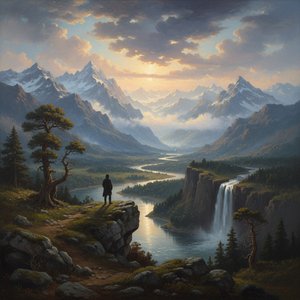
Frederick William Hayes: Transcendental Landscapes & the American Sublime
Explore the captivating landscapes of Frederick William Hayes, a Victorian artist influenced by the Hudson River School & literary utopias. Discover his legacy and artistic techniques at OriginalUniqueArt.

John Constable: Las 25 Obras Maestras del Paisaje Inglés | OriginalUniqueArt
Descubre las 25 obras maestras de John Constable, el pintor romántico inglés que capturó la belleza del paisaje. Explora su técnica, historia y significado en OriginalUniqueArt.com. Reproducciones de arte de alta calidad para tu hogar.
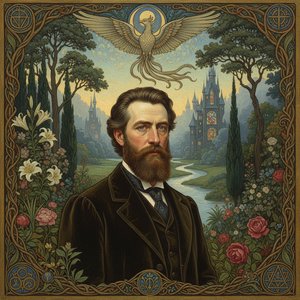
Frederick Waters Watts: A Victorian Vision of Aestheticism & Spiritual Symbolism
Explore the captivating world of Frederick Watts, a key Victorian painter blending aestheticism & spiritual symbolism. Discover his allegorical masterpieces like 'Hope' and delve into his artistic journey with OriginalUniqueArt.

Arboreal Echoes: A Historical & Artistic Exploration of Trees in Painting
Explore the rich history of trees in painting! Discover symbolism, Romantic masterpieces by Caspar David Friedrich & beyond. A curated journey for art enthusiasts.

Paisajes Románticos: 10 Obras Maestras que Definieron un Movimiento Artístico
Descubre los 10 paisajes románticos más influyentes de artistas como Caspar David Friedrich y Turner. Explora la belleza, el simbolismo y las técnicas del movimiento romántico. Reproducciones de arte exclusivas en OriginalUniqueArt.com.

