 Vista previa
 Compartir
 Compartir
 Ver detalles

 Descargar
 Ver similares
 Radiografía
 Presentación de diapositivas
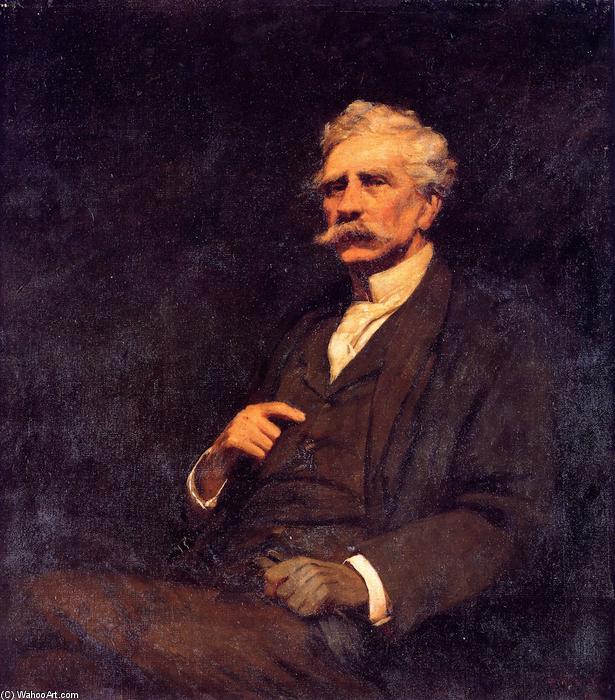
J. A. Panton, Esq. M.P.


 Leer más
Giclée / Impresión de arte
Impresiones giclée o en lienzo de calidad de museo con producción rápida y opciones de acabado flexibles. ( Encargar reproducción pintada a mano Comprar descarga)




P118B $10

P118H $10

P118W $10

P438Z $10

P508JH $12

P508YH $12

P805H $10

P805Z $10

P919BZ $10

P919G $10

P919XJ $10

P959ZH $10

P968JZ $12

W106C $8

W218G $10

W218JH $8

W218Y $10

W307PJ $10

W316G $10

W316PJ $8

W316Y $10

W398PJ $8

W4111J $10

W500HY $15

W500JH $15

W692G $12

W849H $8

W940BG $15

W953PJ $8




Elija entre nuestros tamaños predefinidos que respetan las proporciones originales de la obra.

Puede introducir sus propias dimensiones para adaptarse a un marco o espacio específico. Si el tamaño seleccionado no coincide con las proporciones de la imagen original, recortaremos la obra de arte o extenderemos la imagen con un borde con efecto espejo o de color sólido. Se enviará una maqueta digital para su aprobación antes de que comience la producción.
Tenga en cuenta que la vista previa en pantalla no refleja el recorte o la extensión real. Solo la maqueta mostrará con precisión la composición final.
Aunque existen tamaños personalizados, recomendamos seleccionar una dimensión de la lista predefinida para preservar las proporciones originales.
Envío a todo el mundo () en 2 semanas en lugar de las 4/5 semanas estándar. (18 agosto)

Envío exprés gratuito a todo el mundo

Lienzo de lino de alta calidad

Seguro de envío completo

Garantía de reembolso de aranceles aduaneros

Garantía de fidelidad cromática exacta

Política de devolución de 60 días (solo por defectos)

Garantía de devolución del 100% del dinero

Oferta por volumen
 La opción de vidrio solo está disponible en tamaños inferiores a 110 cm.

J. A. Panton, Esq. M.P.
Giclée / Impresión de arte
Tamaño de la reproducción
-


Precio total
$ 80
Descripción de la pieza
A Portrait of Victorian Esteem: J. A. Panton, Esq. M.P. by Frederick McCubbin
Frederick McCubbin’s 1904 painting, “J. A. Panton, Esq. M.P.,” is more than a simple likeness; it's a carefully constructed tableau of Victorian society, imbued with a subtle melancholy and a poignant awareness of the passage of time. The portrait depicts a distinguished gentleman, identified as J.A. Panton, a prominent figure in colonial administration – an Esquire and Member of Parliament – seated within a richly appointed interior that speaks volumes about his status and the era he represents. McCubbin’s masterful use of light and shadow, combined with a restrained palette dominated by browns, ochres, and muted greens, immediately establishes a mood of quiet contemplation.
McCubbin's style leans heavily into the tenets of the Heidelberg School, a movement that sought to capture the essence of Australian life – its landscapes, its people, and its spirit – with an emphasis on direct observation and emotional resonance. He eschews overly polished surfaces, favoring instead a slightly rougher texture achieved through visible brushstrokes. This technique lends a sense of immediacy and authenticity to the scene, as if we are witnessing a fleeting moment captured in time. The composition is deliberately balanced, drawing our eye across Panton’s face – his thoughtful gaze, the subtle lines etched around his eyes hinting at years of experience – and then outwards to the details of the room, each element contributing to the overall narrative.
The Setting: A Window into Victorian Life
The interior itself is a crucial component of the painting’s meaning. It's not a lavishly opulent space designed to proclaim wealth, but rather a comfortably furnished room that suggests quiet success and established position. The dark wood panelling, the heavy curtains, and the carefully arranged furniture all speak to a man accustomed to respectability and authority. A globe sits prominently on a table, symbolizing Panton’s engagement with both his local community and the wider world – a reflection of the colonial mindset prevalent at the time. A small writing desk suggests a life dedicated to correspondence and administrative duties, while a partially visible bookcase hints at an appreciation for learning and culture.
Notably, McCubbin subtly incorporates elements that hint at the realities beneath the veneer of Victorian respectability. The shadows cast by the furniture are deep and suggestive, creating a sense of enclosure and perhaps even unease. The muted colors contribute to this feeling, preventing the scene from becoming overly bright or cheerful. This restrained approach is characteristic of McCubbin’s work – he doesn't shy away from depicting the complexities and ambiguities of human experience.
Symbolism and Emotional Resonance
Beyond its realistic depiction of a Victorian gentleman, “J. A. Panton, Esq. M.P.” carries significant symbolic weight. The portrait can be interpreted as an exploration of identity – the tension between public persona and private self. Panton’s thoughtful expression suggests a man wrestling with his responsibilities and perhaps even contemplating the legacy he will leave behind. The painting's quietness invites introspection, prompting us to consider the burdens of leadership and the fleeting nature of earthly achievements.
McCubbin was deeply interested in portraying the Australian landscape and its impact on human life. While this portrait is primarily focused on a single individual, it’s important to remember that McCubbin's work often explores themes of isolation, loss, and the relationship between humanity and nature. The subtle hints of the outdoors – glimpsed through the window – serve as a reminder of the vastness of the Australian continent and the challenges faced by those who sought to carve out a life within it.
A Legacy of Australian Art
“J. A. Panton, Esq. M.P.” stands as a testament to Frederick McCubbin’s enduring contribution to Australian art. It's a painting that rewards careful observation and invites multiple interpretations. Reproductions of this iconic work offer a valuable window into the Victorian era, capturing not only the appearance of a prominent figure but also the spirit of a nation grappling with its identity and forging its own path. The painting’s quiet dignity and subtle emotional depth continue to resonate with viewers today, cementing McCubbin's place as one of Australia’s most beloved artists.
Biografía del artista
Frederick McCubbin: Pionero del Impresionismo Australiano
- Nacido: Melbourne, Australia (25 de febrero de 1855)
- Fallecido: 20 de diciembre de 1917
Frederick McCubbin se erige como una figura clave en la historia del arte australiano, reconocido por sus contribuciones al movimiento Heidelberg School y sus evocadoras representaciones de la vida australiana. Nacido en una familia de panaderos, su temprana vida estuvo marcada por diversas experiencias, desde trabajar como empleado de un abogado hasta repartir pan antes de dedicarse por completo a la pintura.
Vida Temprana y Formación Artística
- Educación Temprana: Asistió a la Escuela Común West Melbourne de William Willmett y a la Escuela St. Paul’s.
- Inicios Artísticos: Demostró una temprana aptitud para el dibujo, lo que llevó a breves períodos en varias profesiones antes de inscribirse en la Escuela de Diseño de la Galería Nacional de Victoria.
- Mentores: Estudió bajo artistas notables como Eugene von Guerard y George Folingsby, perfeccionando sus habilidades en la pintura de paisajes.
- Colaboración con Tom Roberts: Se formó una amistad crucial con el artista Tom Roberts, lo que llevó al establecimiento del Campamento Artístico de Box Hill en 1885, un pilar fundamental del movimiento Heidelberg School.
La Escuela Heidelberg y Narrativas Nacionales
- Movimiento Heidelberg School: McCubbin jugó un papel central en este movimiento artístico al aire libre, que buscaba capturar la esencia de la vida australiana y los paisajes.
- Enfoque en la Identidad Australiana: Sus obras de este período, como Down on His Luck (1889), On the Wallaby Track (1896) y The Pioneer (1904), son representaciones icónicas de la vida pionera y la interacción entre los colonos europeos y el bush australiano.
- Temas de Melancolía: Las pinturas de McCubbin a menudo exploraban temas de soledad, dificultad y los desafíos que enfrentaron los primeros colonos en un paisaje vasto e implacable.
Evolución del Estilo y Obras Posteriores
- Influencia Europea (1907): Un viaje a Europa lo expuso a las obras de J.M.W. Turner y los impresionistas franceses, lo que provocó un cambio hacia una pincelada más libre y colores más claros.
- Cambio en la Técnica: Sus pinturas posteriores demostraron un estilo más abstracto, evidente en obras como An Interior, que muchos críticos consideran entre sus logros artísticos más fuertes.
- Continuación de la Exploración de Temas: A pesar de los cambios estilísticos, McCubbin continuó explorando temas de identidad australiana y la condición humana.
Legado e Influencia
- Reconocimiento y Museos: Sus obras se encuentran en colecciones prestigiosas como la Galería Nacional de Victoria y la Art Gallery of Ballarat.
- Impacto en el Arte Australiano: La contribución de McCubbin a establecer una identidad artística australiana distintiva es innegable, influyendo en generaciones de artistas.
- Significado Duradero: Sigue siendo celebrado como uno de los pintores más importantes y queridos de Australia, cuyas obras continúan resonando con el público hoy en día.

Frederick McCubbin
1855 - 1917 , Australia
Datos clave
- Artistas Que Influyeron:
- Eugene von Guerard
- Tom Roberts
- J. M. W. Turner
- Fecha De Fallecimiento: 20 de diciembre de 1917
- Fecha De Nacimiento: 25 de febrero de 1855
- Lugar De Nacimiento: Melbourne, Australia
- Movimiento Artístico: Heidelberg School/Impresionismo Australiano
- Nacionalidad: Australiano
- Nombre Completo: Frederick McCubbin
- Obras Notables:
- Down on His Luck
- On the Wallaby Track
- The Pioneer
Artículos relacionados

Blanco Sublime: Los 10 Cuadros Más Famosos Dominados por la Luz y el Color
Descubre los 10 cuadros blancos más emblemáticos de la historia del arte. Explora Monet, Van Gogh y Klimt, y su magistral uso de la luz y el color. Encuentra reproducciones de alta calidad e inspírate para tu decoración en .
Los 10 Paisajes Más Icónicos de la Historia del Arte | OriginalUniqueArt
Descubre los 10 paisajes más emblemáticos de la historia del arte, desde Monet a Van Gogh. Explora su significado, técnica y belleza atemporal. Encuentra reproducciones de alta calidad e inspira tu hogar con OriginalUniqueArt.com.

Las 10 Pinturas Más Famosas Dominadas por el Negro | Arte y Decoración
Descubre las 10 pinturas más impactantes dominadas por el negro. Explora obras maestras de Rembrandt, Goya y Rothko, su historia y significado. Encuentra reproducciones de arte exclusivas para transformar tu hogar en .

Paisajes Románticos: 10 Obras Maestras que Definieron un Movimiento Artístico
Descubre los 10 paisajes románticos más influyentes de artistas como Caspar David Friedrich y Turner. Explora la belleza, el simbolismo y las técnicas del movimiento romántico. Reproducciones de arte exclusivas en OriginalUniqueArt.com.

John Constable: Las 25 Obras Maestras del Paisaje Inglés | OriginalUniqueArt
Descubre las 25 obras maestras de John Constable, el pintor romántico inglés que capturó la belleza del paisaje. Explora su técnica, historia y significado en OriginalUniqueArt.com. Reproducciones de arte de alta calidad para tu hogar.