Enviar
 Compartir
 Detalles

 Descargar
 Similares
 Presentación de diapositivas
The Cheyenne


 Ver más
Reproducción al óleo hecha a mano
Óleo sobre lienzo pintado a mano en el tamaño y marco de su elección, realizado por encargo por nuestros artistas. ( Comprar impresión Comprar imagen)




































Elija entre nuestros tamaños predefinidos que respetan las proporciones originales de la obra.

Puede ingresar sus propias dimensiones para adaptarse a un marco o espacio específico. Si el tamaño seleccionado no coincide con las proporciones de la imagen original, recortaremos la obra o extenderemos la pintura con elementos adicionales pintados a mano. Se le enviará una maqueta digital para su aprobación antes de comenzar la producción.
Tenga en cuenta que la vista previa en pantalla no refleja el recorte o la extensión reales. Solo la maqueta mostrará con precisión la composición final.
Si bien existen tamaños personalizados, recomendamos seleccionar una dimensión de la lista predefinida para preservar las proporciones originales.
Tras realizar el pedido, el equipo de OriginalUniqueArt.com enviará un correo electrónico al cliente para solicitar instrucciones y proporcionarle una vista previa del boceto.
Envío a todo el mundo () en 3-4 semanas en lugar de las 5 semanas estándar. (23 agosto). Sin comprometer la calidad.

Envío exprés gratuito a todo el mundo

Lienzo de lino de alta calidad

Seguro de envío total

Garantía de reembolso de impuestos aduaneros

Garantía de fidelidad cromática exacta

Política de devolución de 60 días (solo por defectos)

Garantía de devolución del 100% del dinero

Descuento por cantidad
 La opción de vidrio solo está disponible en tamaños inferiores a 110 cm.

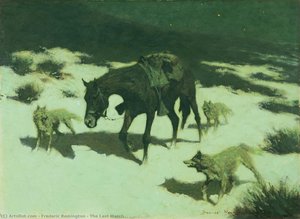
The Cheyenne
Técnica de reproducción
Dimensiones de la reproducción
-


Precio total final
$ 300
Descripción de la obra
The Cheyenne: A Bronze Chronicle of the American West
Frederic Remington’s “The Cheyenne” stands as more than just a bronze sculpture; it's a powerful testament to a vanishing world, a meticulously crafted narrative frozen in time. Completed in 1906, this iconic piece captures the raw energy and stoic dignity of a Native American warrior on horseback, a subject that would define Remington’s career and solidify his place as one of America’s foremost chroniclers of the late 19th-century West. The sculpture's immediate impact stems from its dynamic composition – a rider in mid-gallop, lance poised for action, embodying the spirit of both fierce combat and profound connection to the land.
- Subject Matter: The central figure is a Cheyenne warrior, representative of the Native American tribes who inhabited the vast territories of the American West. Remington’s intention was not simply to depict a portrait but to capture an archetype – the skilled hunter, the courageous warrior, and ultimately, a symbol of resistance against encroaching civilization.
- Technique: The sculpture's remarkable physicality is rooted in the lost-wax casting process, a technique that allowed Remington unprecedented control over his creation. This method, perfected over centuries, involved creating a wax model, then encasing it in clay to form a mold. Molten bronze was poured into the mold, and once cooled, the resulting cast was carefully removed, revealing the final form. The use of the buffalo robe as a support structure wasn't merely aesthetic; it cleverly facilitated the casting process by providing a conduit for the molten metal, enabling the creation of the horse’s dramatic rearing stance.
A Study in Realism and Detail
Remington’s artistic vision is firmly rooted in Realism, rejecting the romanticized depictions prevalent at the time. He sought an accurate representation of the subject, paying meticulous attention to anatomical detail – particularly evident in the musculature of the horse and the warrior's posture. The rough, granular texture achieved through the sculpting process isn’t a flaw but a deliberate choice, reflecting the harsh realities of frontier life and adding a palpable sense of authenticity to the piece. Subtle lighting enhances these textures, casting delicate shadows that emphasize the contours of the figures and the base, contributing to a dramatic and weighty atmosphere.
Symbolism and Historical Context
“The Cheyenne” is deeply embedded within its historical context – the late 19th century, a period of profound transformation in the American West. The sculpture reflects the complex relationship between Native Americans and the expanding United States, capturing a moment of both conflict and cultural exchange. The straightened right rear fetlock of number 12, a concession made to the foundry due to casting difficulties, subtly highlights the compromises inherent in this era. The choice speaks volumes about the practical constraints Remington faced while striving for artistic perfection.
Emotional Resonance and Artistic Legacy
Beyond its technical brilliance and historical significance, “The Cheyenne” possesses a powerful emotional resonance. The sculpture evokes feelings of power, determination, and perhaps even melancholy – a poignant reminder of a way of life that was rapidly disappearing. Its placement on a simple, dark-colored base further emphasizes the subject matter, creating a focal point that draws the viewer in. Frederic Remington’s “The Cheyenne” remains a seminal work, not just for its technical mastery but for its enduring portrayal of a pivotal moment in American history and the spirit of the West.
Biografía del artista
Primeros Años y Educación
- Nacimiento y Familia: Frederic Sackrider Remington nació el 4 de octubre de 1861 en Canton, Nueva York. Su familia tenía ascendencia vasca francesa.
- Influencia Militar: Su padre, Coronel Seth Pierrepont Remington, propietario de una ferretería y veterano de la Guerra Civil, influyó significativamente en su vida temprana. La exposición a temas militares más tarde daría forma a su arte.
- Educación Temprana: Asistió al Instituto Episcopal de Vermont, una escuela militar donde comenzó a dibujar. Posteriormente se trasladó a otra academia militar, pero finalmente persiguió el arte en lugar de una carrera militar debido a la falta de enfoque.
Carrera Artística y Estilo
- Primeras Ilustraciones: Su primera ilustración publicada fue un caricatura para el Yale Courant, demostrando una aptitud temprana para representar escenas de acción.
- Enfoque en el Oeste: Un viaje crucial a Montana en 1881 despertó su fascinación por el Oeste americano, convirtiéndose en el tema central de su carrera artística.
- Temática: Su obra presentaba prominentemente vaqueros, nativos americanos y la Caballería estadounidense, capturando el espíritu y los desafíos de la vida fronteriza.
- Estilo Artístico: Remington desarrolló un estilo distintivo caracterizado por composiciones dinámicas, pinceladas enérgicas y un enfoque en el realismo mezclado con un toque dramático. A menudo utilizaba bocetos rápidos para capturar movimiento y emoción.
Obras Notables y Logros
- Pinturas Destacadas: Varias obras se destacan como ejemplos significativos de su talento:
- Mi Ranch – Muestra el estilo único de Remington y su perspectiva sobre el Oeste.
- Esperando a la luz de la luna – Demuestra su habilidad para capturar la esencia del Oeste americano a través de imágenes evocadoras.
- Ridden Down (1905) - Una poderosa representación de un ataque de caballería.
- The Long-Horn Cattle Sign (1908) – Captura la vitalidad de la vida del vaquero.
- Ilustraciones y Escultura: Más allá de la pintura, Remington también fue un prolífico ilustrador para revistas como Harper's Weekly y Collier’s. También creó esculturas, demostrando aún más su versatilidad artística.
- Reconocimiento: Su trabajo obtuvo un amplio reconocimiento durante su vida, estableciéndolo como una figura destacada en el arte del Oeste americano.
Legado e Influencia
- Impacto en el Arte del Oeste: Las contribuciones de Frederic Remington a la representación del Oeste americano son innegables. Ayudó a definir el género y popularizó imágenes de vaqueros, nativos americanos y vida fronteriza.
- Influencia en Otros Artistas: Su trabajo inspiró a numerosos artistas, incluyendo a N.C. Wyeth y Zane Grey.
- Museo Frederic Remington: El Museo Frederic Remington en Ogdensburg, Nueva York, preserva su legado a través de una extensa colección de pinturas, bocetos y esculturas.
- Significado Histórico: El arte de Remington proporciona valiosos conocimientos sobre la historia, la cultura y la mitología del Oeste americano durante un período de cambio y conflicto significativos. Sus representaciones, aunque a veces romantizadas, ofrecen una visión de una era crucial en la historia estadounidense.
Últimos Años y Fallecimiento
- Producción Artística Continua: Remington continuó produciendo arte prolíficamente hasta su muerte.
- Deterioro de la Salud: En 1909, sufrió apendicitis mientras estaba en una asignación en Florida.
- Fallecimiento: Frederic Remington murió el 26 de octubre de 1909, en Bronxville, Nueva York, a la edad de 48 años. Su legado como un artista estadounidense significativo continúa inspirando y cautivando al público hoy en día.

Frederic Remington
1861 - 1909 , Estados Unidos de América
Datos clave
- Artistas Influenciados:
- N. C. Wyeth
- Zane Grey
- Fecha De Fallecimiento: 26 de diciembre de 1909
- Fecha De Nacimiento: 4 de octubre de 1861
- Lugar De Nacimiento: Canton, Estados Unidos
- Movimiento Artístico: Realismo pictórico
- Nacionalidad: Estadounidense
- Nombre Completo: Frederic Sackrider Remington
- Obras Notables:
- Mi Rancho
- Esperando a la luz de luna
- Ridden Down
- The Long-Horn Cattle Sign
- El Trooper
- La señal de humo
Artículos relacionados

Las 10 Obras Maestras de Bronce que Revolucionaron la Historia del Arte | OriginalUniqueArt
Descubre las 10 esculturas de bronce más influyentes de la historia del arte. Explora obras maestras de Rodin, Degas y otros genios. Encuentra reproducciones de arte de calidad museo en OriginalUniqueArt.com.

Esculturas de Bronce Legendarias: 10 Obras Maestras que Transformaron el Arte | OriginalUniqueArt
Descubre las 10 esculturas de bronce más legendarias que revolucionaron el arte. Explora la historia de Rodin, Degas y otros maestros del bronce. Encuentra reproducciones de alta calidad e inspiración para tu hogar en OriginalUniqueArt.com.

The Enduring Legacy of Bronze: A Historical & Artistic Exploration for the Collector
Explore the rich history & enduring appeal of bronze sculpture with expert insights for collectors at OriginalUniqueArt. Learn about casting techniques, iconic artists, collecting tips & contemporary interpretations.
The Enduring Legacy of Bronze: History, Technique & Artistic Expression for the Collector
Explore the rich history & enduring appeal of bronze sculpture with expert insights for collectors at OriginalUniqueArt. Learn about casting techniques, iconic artists, and collecting tips.
The Enduring Legacy of Bronze Sculpture: A Collector's Guide to Form & Cultural Significance
Explore the rich history & enduring appeal of bronze sculpture with expert insights for collectors at OriginalUniqueArt. Learn about casting techniques, iconic artists, and collecting tips to build a discerning art collection.