Vista previa
 Compartir
 Compartir
 Ver detalles

 Descargar
 Ver similares
 Radiografía
 Presentación de diapositivas
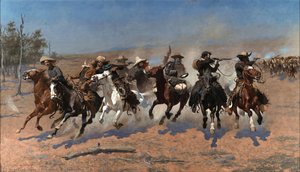
A Hunting Outfit


 Leer más
Giclée / Impresión de arte
Impresiones giclée o en lienzo de calidad de museo con producción rápida y opciones de acabado flexibles. ( Encargar reproducción pintada a mano Comprar descarga)




P118B $10

P118H $10

P118W $10

P438Z $10

P508JH $12

P508YH $12

P805H $10

P805Z $10

P919BZ $10

P919G $10

P919XJ $10

P959ZH $10

P968JZ $12

W106C $8

W218G $10

W218JH $8

W218Y $10

W307PJ $10

W316G $10

W316PJ $8

W316Y $10

W398PJ $8

W4111J $10

W500HY $15

W500JH $15

W692G $12

W849H $8

W940BG $15

W953PJ $8




Elija entre nuestros tamaños predefinidos que respetan las proporciones originales de la obra.

Puede introducir sus propias dimensiones para adaptarse a un marco o espacio específico. Si el tamaño seleccionado no coincide con las proporciones de la imagen original, recortaremos la obra de arte o extenderemos la imagen con un borde con efecto espejo o de color sólido. Se enviará una maqueta digital para su aprobación antes de que comience la producción.
Tenga en cuenta que la vista previa en pantalla no refleja el recorte o la extensión real. Solo la maqueta mostrará con precisión la composición final.
Aunque existen tamaños personalizados, recomendamos seleccionar una dimensión de la lista predefinida para preservar las proporciones originales.
Envío a todo el mundo () en 2 semanas en lugar de las 4/5 semanas estándar. (20 agosto)

Envío exprés gratuito a todo el mundo

Lienzo de lino de alta calidad

Seguro de envío completo

Garantía de reembolso de aranceles aduaneros

Garantía de fidelidad cromática exacta

Política de devolución de 60 días (solo por defectos)

Garantía de devolución del 100% del dinero

Oferta por volumen
 La opción de vidrio solo está disponible en tamaños inferiores a 110 cm.

A Hunting Outfit
Giclée / Impresión de arte
Tamaño de la reproducción
-


Precio total
$ 80
Descripción de la pieza
A Portrait of Frontier Life: Frederic Remington’s “A Hunting Outfit”
Frederic Remington's "A Hunting Outfit," painted in 1880, isn’t merely a depiction of a man and his rifle; it’s a carefully constructed tableau that embodies the burgeoning mythology of the American West. This oil-on-canvas work, now housed within the Frederic Remington Art Museum in Ogdensburg, New York, offers a glimpse into a specific moment – a quiet pause amidst the relentless pursuit of frontier life, yet brimming with unspoken narratives and symbolic weight.
The scene unfolds on the shores of Lake George, a location that provided Remington with endless inspiration during his time in the Adirondacks. The central figure, a ruggedly handsome man clad in a worn hunting outfit – a tweed jacket, flannel shirt, and sturdy boots – sits patiently beside a small wooden boat. His posture is relaxed, almost contemplative, suggesting a seasoned outdoorsman comfortable in his surroundings. Beside him stands a young guide, likely of Native American descent, holding a fishing rod with practiced ease. The composition immediately establishes a connection between the man and the land, highlighting the symbiotic relationship forged through generations of hunting and survival.
The Painter’s Technique: Realism Infused with Romanticism
Remington's style is often categorized as “American West realism,” but it transcends simple representation. He meticulously observed the details of his subjects – the texture of the clothing, the weathered wood of the boat, the subtle play of light on the water – yet he imbued these observations with a romantic sensibility. His brushwork is loose and expressive, capturing not just the physical appearance of the scene but also the atmosphere and mood. Notice how Remington uses dappled sunlight to create depth and shadow, drawing the viewer’s eye across the canvas. The color palette leans towards earthy tones – browns, greens, and blues – reflecting the natural environment, while subtle hints of red in the man's jacket add a touch of warmth and vitality.
Remington was particularly adept at capturing the essence of his subjects, imbuing them with personality. The hunter’s gaze is direct and confident, suggesting experience and self-reliance. The guide’s posture conveys quiet competence and a deep understanding of the wilderness. These aren't simply figures; they are embodiments of the frontier spirit – resourceful, independent, and deeply connected to their surroundings.
Symbolism and Historical Context
“A Hunting Outfit” emerged during a pivotal period in American history—the late 19th century—a time of rapid westward expansion and profound cultural change. Remington’s work played a significant role in shaping the public's perception of the West, often romanticizing its ruggedness and portraying Native Americans with varying degrees of accuracy (a complex aspect of his legacy). The image speaks to the era’s fascination with self-sufficiency, masculinity, and the allure of the untamed wilderness. The hunting outfit itself is laden with symbolism: it represents a man's ability to provide for himself and his family, a cornerstone value in frontier society.
Furthermore, the inclusion of the Native American guide subtly acknowledges the presence of indigenous populations within this landscape – a recognition that was often absent from dominant narratives. The scene suggests a shared understanding between the hunter and his guide, hinting at a more nuanced relationship than simply one of master and servant.
Emotional Resonance and Artistic Legacy
Beyond its historical context, “A Hunting Outfit” possesses a powerful emotional resonance. It evokes a sense of tranquility and connection to nature—a quiet moment of contemplation amidst the demands of frontier life. The painting’s composition invites us to step into the scene, to imagine ourselves alongside these figures, sharing their experience of the wilderness. Remington's ability to capture this feeling is what continues to captivate viewers today.
Reproductions of “A Hunting Outfit” offer a remarkable opportunity to bring this iconic image into any interior space. Its evocative imagery and timeless themes make it a perfect addition to homes, offices, or galleries—a testament to the enduring legacy of Frederic Remington and his masterful portrayal of the American West.
Biografía del artista
Primeros Años y Educación
- Nacimiento y Familia: Frederic Sackrider Remington nació el 4 de octubre de 1861 en Canton, Nueva York. Su familia tenía ascendencia vasca francesa.
- Influencia Militar: Su padre, Coronel Seth Pierrepont Remington, propietario de una ferretería y veterano de la Guerra Civil, influyó significativamente en su vida temprana. La exposición a temas militares más tarde daría forma a su arte.
- Educación Temprana: Asistió al Instituto Episcopal de Vermont, una escuela militar donde comenzó a dibujar. Posteriormente se trasladó a otra academia militar, pero finalmente persiguió el arte en lugar de una carrera militar debido a la falta de enfoque.
Carrera Artística y Estilo
- Primeras Ilustraciones: Su primera ilustración publicada fue un caricatura para el Yale Courant, demostrando una aptitud temprana para representar escenas de acción.
- Enfoque en el Oeste: Un viaje crucial a Montana en 1881 despertó su fascinación por el Oeste americano, convirtiéndose en el tema central de su carrera artística.
- Temática: Su obra presentaba prominentemente vaqueros, nativos americanos y la Caballería estadounidense, capturando el espíritu y los desafíos de la vida fronteriza.
- Estilo Artístico: Remington desarrolló un estilo distintivo caracterizado por composiciones dinámicas, pinceladas enérgicas y un enfoque en el realismo mezclado con un toque dramático. A menudo utilizaba bocetos rápidos para capturar movimiento y emoción.
Obras Notables y Logros
- Pinturas Destacadas: Varias obras se destacan como ejemplos significativos de su talento:
- Mi Ranch – Muestra el estilo único de Remington y su perspectiva sobre el Oeste.
- Esperando a la luz de la luna – Demuestra su habilidad para capturar la esencia del Oeste americano a través de imágenes evocadoras.
- Ridden Down (1905) - Una poderosa representación de un ataque de caballería.
- The Long-Horn Cattle Sign (1908) – Captura la vitalidad de la vida del vaquero.
- Ilustraciones y Escultura: Más allá de la pintura, Remington también fue un prolífico ilustrador para revistas como Harper's Weekly y Collier’s. También creó esculturas, demostrando aún más su versatilidad artística.
- Reconocimiento: Su trabajo obtuvo un amplio reconocimiento durante su vida, estableciéndolo como una figura destacada en el arte del Oeste americano.
Legado e Influencia
- Impacto en el Arte del Oeste: Las contribuciones de Frederic Remington a la representación del Oeste americano son innegables. Ayudó a definir el género y popularizó imágenes de vaqueros, nativos americanos y vida fronteriza.
- Influencia en Otros Artistas: Su trabajo inspiró a numerosos artistas, incluyendo a N.C. Wyeth y Zane Grey.
- Museo Frederic Remington: El Museo Frederic Remington en Ogdensburg, Nueva York, preserva su legado a través de una extensa colección de pinturas, bocetos y esculturas.
- Significado Histórico: El arte de Remington proporciona valiosos conocimientos sobre la historia, la cultura y la mitología del Oeste americano durante un período de cambio y conflicto significativos. Sus representaciones, aunque a veces romantizadas, ofrecen una visión de una era crucial en la historia estadounidense.
Últimos Años y Fallecimiento
- Producción Artística Continua: Remington continuó produciendo arte prolíficamente hasta su muerte.
- Deterioro de la Salud: En 1909, sufrió apendicitis mientras estaba en una asignación en Florida.
- Fallecimiento: Frederic Remington murió el 26 de octubre de 1909, en Bronxville, Nueva York, a la edad de 48 años. Su legado como un artista estadounidense significativo continúa inspirando y cautivando al público hoy en día.

Frederic Remington
1861 - 1909 , Estados Unidos de América
Datos clave
- Artistas Influenciados:
- N. C. Wyeth
- Zane Grey
- Fecha De Fallecimiento: 26 de diciembre de 1909
- Fecha De Nacimiento: 4 de octubre de 1861
- Lugar De Nacimiento: Canton, Estados Unidos
- Movimiento Artístico: Realismo pictórico
- Nacionalidad: Estadounidense
- Nombre Completo: Frederic Sackrider Remington
- Obras Notables:
- Mi Rancho
- Esperando a la luz de luna
- Ridden Down
- The Long-Horn Cattle Sign
- El Trooper
- La señal de humo
Artículos relacionados
Los 10 Paisajes Más Icónicos de la Historia del Arte | OriginalUniqueArt
Descubre los 10 paisajes más emblemáticos de la historia del arte, desde Monet a Van Gogh. Explora su significado, técnica y belleza atemporal. Encuentra reproducciones de alta calidad e inspira tu hogar con OriginalUniqueArt.com.
Charles Marion Russell: Capturing the American West Through a Romantic Lens
Explore the captivating world of Charles Marion Russell, 'the cowboy artist.' Discover his life, iconic paintings, advocacy for Native Americans, and investment potential. A guide for discerning art collectors.

Albert Bierstadt: Luminosity, Landscape & the American Ideal
Explore the breathtaking landscapes of Albert Bierstadt, master of the American West & a leading figure in the Hudson River School. Discover his luminous style and iconic paintings – a timeless investment for art lovers.

Grant Wood & American Regionalism: Identity, Myth & the Rural Landscape
Explore the world of Grant Wood & American Regionalism with OriginalUniqueArt. Discover the symbolism behind 'American Gothic', recurring themes, and the movement's lasting impact on art history. High-quality reproductions available.

Evocations of Place: A Historical Journey Through Landscape Art
Explore the rich history of landscape art with OriginalUniqueArt. Discover renowned artists, movements like Impressionism & Romanticism, and expert guidance for collecting timeless pieces. Find your perfect serene escape today!