Cambiar a impresiones
 Ver más







































 Para obras de arte o reproducciones que midan más de 105 cm (aproximadamente 41 pulgadas) en cualquiera de sus lados, el marco se enviará como un kit desmontado. Este método garantiza una entrega segura y evita daños durante el transporte.


A Vision of Rebirth: The Ethereal Essence of Franz Ritter von Stuck
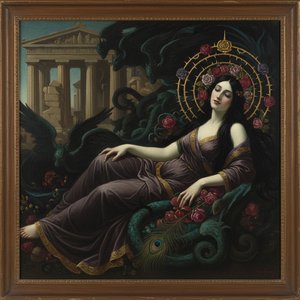
In the delicate interplay of light and shadow within The Spring, one finds more than a mere depiction of a season; one encounters a profound visual poem. Completed in 1902, this masterpiece by the German Symbolist master Franz Ritter von Stuck serves as an immersive gateway into the soul of renewal. The painting presents a young woman, poised with a grace that feels both ancient and immediate, bathed in an ethereal glow that seems to emanate from within the canvas itself. As she rests amidst the skeletal beauty of bare branches, her presence acts as a catalyst for life, signaling the transition from winter's slumber to the vibrant awakening of the natural world. For the discerning collector or interior designer, this work offers a rare emotional depth, bringing a sense of serene vitality and timeless elegance to any curated space.
The composition is a masterful study in Symbolist intrigue and Impressionistic sensitivity. Stuck utilizes a shallow perspective that draws the viewer into an intimate encounter with the subject, focusing our gaze on the soft contours of her face and the lush texture of her flowing hair. The organic lines of the surrounding flora mirror the natural curves of the female form, creating a rhythmic harmony that suggests an unbreakable bond between humanity and the earth. While the painting is anchored in the symbolic traditions of the late 19th century, Stuck’s technique breathes with a modern vitality; his use of impasto—the thick, tactile application of oil paint—builds a rich surface that captures the fleeting nuances of light. This textural depth ensures that the artwork remains dynamic, shifting in character as light hits the canvas from different angles.
Symbolism and the Language of Nature
Every element within The Spring is laden with intentional meaning, designed to evoke a sense of abundance and purity. The subject’s nudity is not merely an aesthetic choice but a profound symbol of vulnerability and an unadorned connection to the primordial world. This theme of innocence is further enriched by the presence of plump grapes held within her grasp, a classical motif representing fertility, plenty, and the cyclical nature of life. Against a backdrop of hazy azure skies and muted earth tones, these symbols resonate with a quiet power, inviting contemplation on the eternal cycles of growth and decay.
For those seeking to integrate fine art into a sophisticated interior, this piece provides a versatile emotional anchor. Its palette—a harmonious blend of cool blues, verdant greens, and warm browns—complements both contemporary minimalist settings and more opulent, classical decors. The painting does not merely occupy a wall; it transforms an environment, infusing it with a dreamlike atmosphere that encourages stillness and reflection. To possess a reproduction of such a significant work is to invite the spirit of the Belle Époque into the modern home, celebrating a moment in art history where myth, nature, and human emotion converged in perfect, luminous balance.
Preguntas y respuestas
¿Es "The Spring" de Franz Ritter Von Stuck una obra de tonos claros u oscuros?
"The Spring" presenta un brillo general de balanced y una luminancia de Gentle Luminance.
¿Dónde puedo encontrar estadísticas sobre "The Spring" de Franz Ritter Von Stuck?
Las estadísticas sobre "The Spring" de Franz Ritter Von Stuck se encuentran en la página de Estadísticas de la obra: visitas mensuales de la pieza, visitas a las obras del artista y desgloses por país e idioma de los visitantes recientes.
¿A quién se le puede regalar "The Spring" y para qué ocasión?
"The Spring" de Franz Ritter Von Stuck se recomienda como regalo para Seasonal Gift, especialmente para Accent. Una reproducción de la obra puede entregarse como obsequio.
 Ver en contexto
 Enviar
 Compartir
 Detalles
 Guía
Guía

 Descargar
 Similares
 Radiografía
 Presentación de diapositivas
 Preguntas y respuestas
 Estadísticas