 Vista previa
 Compartir
 Compartir
 Ver detalles

 Descargar
 Ver similares
 Radiografía
 Presentación de diapositivas
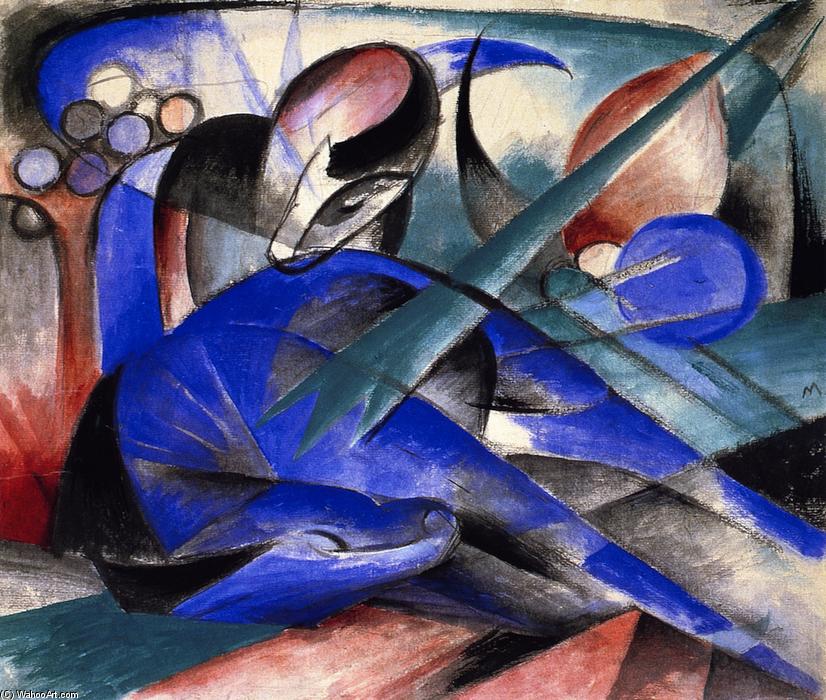
Sueños con Caballos


 Leer más
Giclée / Impresión de arte
Impresiones giclée o en lienzo de calidad de museo con producción rápida y opciones de acabado flexibles. ( Cambiar a pintura hecha a mano Cambiar a imagen)




P118B $10

P118H $10

P118W $10

P438Z $10

P508JH $12

P508YH $12

P805H $10

P805Z $10

P919BZ $10

P919G $10

P919XJ $10

P959ZH $10

P968JZ $12

W106C $8

W218G $10

W218JH $8

W218Y $10

W307PJ $10

W316G $10

W316PJ $8

W316Y $10

W398PJ $8

W4111J $10

W500HY $15

W500JH $15

W692G $12

W849H $8

W940BG $15

W953PJ $8




Elija entre nuestros tamaños predefinidos que respetan las proporciones originales de la obra.

Puede introducir sus propias dimensiones para adaptarse a un marco o espacio específico. Si el tamaño seleccionado no coincide con las proporciones de la imagen original, recortaremos la obra de arte o extenderemos la imagen con un borde con efecto espejo o de color sólido. Se enviará una maqueta digital para su aprobación antes de que comience la producción.
Tenga en cuenta que la vista previa en pantalla no refleja el recorte o la extensión real. Solo la maqueta mostrará con precisión la composición final.
Aunque existen tamaños personalizados, recomendamos seleccionar una dimensión de la lista predefinida para preservar las proporciones originales.
Envío a todo el mundo () en 2 semanas en lugar de las 4/5 semanas estándar. (9 agosto)

Envío exprés gratuito a todo el mundo

Lienzo de lino de alta calidad

Seguro de envío completo

Garantía de reembolso de aranceles aduaneros

Garantía de fidelidad cromática exacta

Política de devolución de 60 días (solo por defectos)

Garantía de devolución del 100% del dinero

Oferta por volumen
 La opción de vidrio solo está disponible en tamaños inferiores a 110 cm.

Sueños con Caballos
Giclée / Impresión de arte
Tamaño de la reproducción
-


Precio total
$ 80
Descripción de la pieza
El Sueño de los Caballos: Un Viaje Espiritual en la Vanguardia Expressionista
Franz Marc’s “Sueño de los Caballos” (Dreaming Horses), painted in 1913, isn't merely a depiction of animals; it’s an immersion into the soul of a movement – early 20th-century Expressionism. This powerful work, now residing within the hallowed halls of the Solomon R. Guggenheim Museum in New York City, transcends simple representation to become a profound meditation on spirituality, nature, and the elusive connection between humanity and the animal world. Marc, a pivotal figure in German art, believed that animals possessed an inherent wisdom and purity, untouched by the complexities and anxieties of human existence. He sought to capture this essence, not through realistic portrayal, but through a deeply emotive language of color and form.
The painting immediately captivates with its dominant palette: a rich, enveloping blue dominates the canvas, evoking tranquility, introspection, and a sense of the infinite. This profound blue isn’t merely decorative; it represents Marc's belief in the spiritual realm, suggesting a world beyond the tangible. Juxtaposed against this serenity is the vibrant red of the horses’ manes – a bold declaration of passion, energy, and primal instinct. The careful placement of these contrasting hues creates a dynamic tension, mirroring the interplay between the earthly and the divine within Marc's vision.
La Técnica y la Simplificación de las Formas
Marc’s artistic approach is characterized by a deliberate simplification of form. The horses are rendered with broad, sweeping brushstrokes, their bodies reduced to essential shapes – circles, ovals, and elongated forms that prioritize feeling over meticulous detail. This stylistic choice isn't an act of carelessness; it’s a conscious decision to strip away the superficial and focus on the underlying emotional core of the subject. The figures are not portraits in the traditional sense, but embodiments of their essence. The artist employs a technique reminiscent of Fauvism, utilizing color as a primary expressive tool, yet grounding his work within the nascent principles of Cubism through its fragmented perspective and flattened planes.
Notice how Marc subtly incorporates human figures into the composition – two shadowy forms in the background. These aren’t intended to be central subjects but rather symbolic elements that underscore the painting's theme of harmony between humanity and nature. They represent a potential for connection, a suggestion that we too can tap into this primal spiritual awareness. The placement is deliberate; they are distant, almost ethereal, reinforcing the horses’ otherworldly state.
Simbolismo y Contexto Histórico
“Sueño de los Caballos” was painted during a period of immense social and political upheaval in Europe – the cusp of World War I. Marc's work reflects this atmosphere of uncertainty and anxiety, yet simultaneously offers a refuge from it through its exploration of timeless themes. The painting’s symbolism is layered and open to interpretation, inviting viewers to engage with its deeper meaning. The blue, as mentioned before, represents spirituality, but also evokes the vastness of the sky and the mysteries of the universe. The horses themselves are often interpreted as symbols of innocence, vulnerability, and a connection to the earth.
Marc’s artistic journey was deeply influenced by his early interest in theology, which he ultimately abandoned for a career dedicated to art. This background informs his work with a persistent questioning about the nature of existence and the possibility of finding spiritual truth through artistic expression. His exploration of color and form became a means of communicating these profound questions, creating works that resonate with viewers on an emotional level long after they’ve left the gallery.
Reproducciones de Alta Calidad: Capturando la Esencia del Sueño
OriginalUniqueArt offers meticulously crafted reproductions of “Sueño de los Caballos,” allowing you to bring this iconic masterpiece into your home or office. Our hand-painted reproductions faithfully capture Marc’s vibrant colors, expressive brushstrokes, and the painting's profound emotional depth. We utilize archival-quality materials and techniques to ensure that each reproduction retains the integrity and beauty of the original. Whether you are an art enthusiast, a collector, or simply seeking a stunning piece of décor, our reproductions provide an authentic and accessible way to experience the power and allure of Franz Marc’s “Sueño de los Caballos.” Consider this artwork not just as decoration, but as a portal into a world of spiritual contemplation and artistic innovation.
Biografía del artista
Franz Marc: Un Pionero del Expresionismo Alemán
Primeros Años y Educación
- Franz Moritz Wilhelm Marc nació el 8 de febrero de 1880, en Múnich, Alemania.
- Su padre, Wilhelm Marc, era pintor de paisajes que inicialmente influyó en las inclinaciones artísticas de su hijo.
- Marc consideró la teología brevemente antes de dedicarse al arte, estudiando en la Academia de Bellas Artes de Múnich después de asistir a la Universidad de Múnich.
- Los primeros estudios incluían copiar a los maestros antiguos y explorar diversas técnicas artísticas.
Desarrollo Artístico e Influencias
- Inicialmente, el trabajo de Marc estuvo influenciado por el Impresionismo y los estilos de pintura académica.
- Un momento decisivo llegó durante las visitas a París donde conoció la obra de Vincent van Gogh, impactando profundamente su uso del color y la expresión emocional.
- Experimentó con diferentes grupos artísticos como la Neue Künstlervereinigung München antes de cofundar Der Blaue Reiter.
- La obra de Robert Delaunay también influyó en la exploración de formas abstractas y colores vibrantes de Marc.
Der Blaue Reiter y Obras Clave
- En 1911, Marc cofundó Der Blaue Reiter (El Caballo Azul) con Wassily Kandinsky, un periódico y grupo artístico que se convirtió en el centro del movimiento expresionista alemán.
- Este grupo buscaba significado espiritual en el arte y rechazaba las convenciones artísticas tradicionales.
- Obras notables de este período incluyen:
- El Tigre (1912) – mostrando su estilo en evolución y el uso simbólico de los animales.
- Ciervo Rojo (1912) - demostrando un enfoque creciente en los temas animales.
- La Torre de Caballos Azules, Los Zorros y el Destino de los Animales (1913) – representando la culminación de su visión artística.
Temas y Estilo Artístico
- El arte de Marc se caracteriza por sus colores vibrantes, formas simplificadas y representación simbólica de los animales.
- Creía que los animales poseían una pureza y una conexión espiritual con la naturaleza que los humanos habían perdido.
- Su uso del color no era meramente descriptivo sino expresivo, transmitiendo emociones e estados internos.
- Buscaba representar la esencia de sus sujetos en lugar de representaciones realistas.
Primera Guerra Mundial y Trágico Final
- Con el estallido de la Primera Guerra Mundial en 1914, Marc fue inscrito en el ejército alemán.
- A pesar de buscar exención debido a su estatus artístico, sirvió como caballería.
- Murió trágicamente el 4 de marzo de 1916, en la Batalla del Vardo.
- Su muerte truncó una prometedora carrera pero consolidó su lugar en la historia del arte.
Legado e Importancia Histórica
- La obra de Franz Marc sigue siendo altamente influyente por su uso expresivo del color, imágenes simbólicas y profundidad espiritual.
- Se considera una figura clave en el desarrollo del Expresionismo Alemán y un precursor del arte abstracto.
- Sus pinturas se exhiben en importantes museos de todo el mundo, incluido el Lenbachhaus en Múnich, que alberga una extensa colección de su obra.
- La visión artística de Marc continúa inspirando a los artistas e intrigando al público hoy en día.

Franz Marc
1880 - 1916 , Alemania
Datos clave
- Artistas Que Influyeron:
- Vincent van Gogh
- Robert Delaunay
- Fecha De Muerte: 4 de marzo de 1916
- Fecha De Nacimiento: 8 de febrero de 1880
- Lugar De Nacimiento: Múnich, Alemania
- Movimiento Artístico: Expresionismo Alemán
- Movimientos Influenciados: ['Arte abstracto']
- Nacionalidad: Alemán
- Nombre Completo: Franz Marc
- Obras Notables:
- El Tigre
- Ciervo Rojo
- La Torre de Caballos Azules
- Los Zorros y el Destino
Artículos relacionados

Expresionismo Alemán: 10 Obras Maestras que Transformaron el Arte | OriginalUniqueArt
Descubre las 10 obras maestras del Expresionismo Alemán: Kirchner, Munch y más. Explora la historia, técnica y emoción detrás de estos lienzos icónicos. Reproducciones de arte de museo en OriginalUniqueArt.com. ¡Inspira tu hogar con arte!
Marc Chagall: Las 25 Obras Maestras del Sueño y el Color | OriginalUniqueArt
Descubre las 25 obras maestras de Marc Chagall, el pintor del sueño y la fantasía. Explora su arte moderno, surrealismo y vibrante paleta de colores en OriginalUniqueArt.com. Reproducciones de alta calidad para decorar tu hogar con belleza.

Franz Marc: Expressionism, Spirituality & the Animal Symbolism of a Modern Master
Explore the profound world of Franz Marc's Expressionist paintings. Discover his spiritual connection to animals, innovative use of color, and lasting impact on modern art history. Learn more at OriginalUniqueArt.

Animalia: Explorando la Presencia Duradera de los Animales en el Arte y el Diseño de Interiores
Descubre la fascinante historia de los animales en el arte y cómo inspirar tu hogar con su simbolismo. Expertos en reproducciones y asesoramiento artístico.
The Noble Steed: A Historical and Artistic Exploration of Horses in Fine Art
Explore the rich history of horses in fine art! From ancient depictions to Renaissance masterpieces & beyond, discover iconic artworks and artists. Learn about symbolism, techniques, and find museum-quality reproductions at OriginalUniqueArt.