Text size

() ·

A painting made for you, by hand

Reproducción al óleo hecha a mano

Óleo sobre lienzo pintado a mano en el tamaño y marco de su elección, realizado por encargo por nuestros artistas. ( Cambiar a impresiones Cambiar a imagen digital)

Descripción del objeto

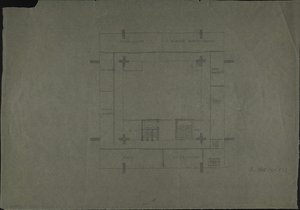
Admire el plano arquitectónico de Franz Ehrlich 'ESQUEMAS DE DESARROLLO', que muestra un detalle meticuloso y precisión geométrica: un testimonio de los principios de la Bauhaus e ideales comunistas.

Biografía del artista

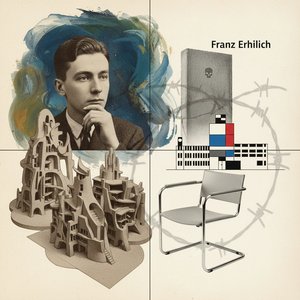
Explora el arte de Franz Ehrlich: arquitecto, calígrafo y diseñador gráfico alemán. Descubre su influencia de la Bauhaus, sus afiliaciones comunistas y sus diseños innovadores.

from ·

Chapter 1

How large should it be?

Slide to change the size; the picture on the left shows the frame at its real width. The proportions of the original are kept.

Tamaño estándar
a medida
CM
INCH

Elija entre nuestros tamaños predefinidos que respetan las proporciones originales de la obra.

ancho
altura

Indique el ancho y el alto que necesite para adaptarse a su marco o pared. Al tratarse de una obra pintada a mano, si requiere un tamaño con una proporción distinta, el artista puede pintar un poco más alrededor de la imagen o recortarla ligeramente; usted elige. Le enviaremos una maqueta digital para su aprobación antes de comenzar la pintura. La imagen que se muestra en esta página no refleja el resultado real; solo la maqueta lo hace.

Chapter 2

How should it arrive?

Choose the edges of the stretched canvas

Choose your frame

Corner sample of the WhiteWrap canvas edge finish, stretched on madera maciza bars
White €1
Corner sample of the BlurSideWrap canvas edge finish, stretched on madera maciza bars
Blurside €1
Corner sample of the ExtendedWrap canvas edge finish, stretched on madera maciza bars
Extended €1
Corner sample of the P118B picture frame: poliestireno moldeado, 5 cm wide and 3 cm thick
P118B €10
Corner sample of the P118H picture frame: poliestireno moldeado, 5 cm wide and 3 cm thick
P118H €10
Corner sample of the P118W picture frame: poliestireno moldeado, 5 cm wide and 3 cm thick
P118W €10
Corner sample of the P438Z picture frame: poliestireno moldeado, 5.5 cm wide and 3.5 cm thick
P438Z €10
Corner sample of the P508JH picture frame: poliestireno moldeado, 7 cm wide and 3.5 cm thick
P508JH €12
Corner sample of the P508YH picture frame: poliestireno moldeado, 7 cm wide and 3.5 cm thick
P508YH €12
Corner sample of the P805H picture frame: poliestireno moldeado, 5 cm wide and 3.5 cm thick
P805H €10
Corner sample of the P805Z picture frame: poliestireno moldeado, 5 cm wide and 3.5 cm thick
P805Z €10
Corner sample of the P919BZ picture frame: poliestireno moldeado, 7 cm wide and 3.5 cm thick
P919BZ €10
Corner sample of the P919G picture frame: poliestireno moldeado, 7 cm wide and 3.5 cm thick
P919G €10
Corner sample of the P919XJ picture frame: poliestireno moldeado, 7 cm wide and 3.5 cm thick
P919XJ €10
Corner sample of the P959ZH picture frame: poliestireno moldeado, 5 cm wide and 3 cm thick
P959ZH €10
Corner sample of the P968JZ picture frame: poliestireno moldeado, 6 cm wide and 4 cm thick
P968JZ €12
Corner sample of the W106C picture frame: madera maciza, 5 cm wide and 3 cm thick
W106C €8
Corner sample of the W218G picture frame: madera maciza, 5 cm wide and 3 cm thick
W218G €10
Corner sample of the W218JH picture frame: madera maciza, 5 cm wide and 3 cm thick
W218JH €8
Corner sample of the W218Y picture frame: madera maciza, 5 cm wide and 3 cm thick
W218Y €10
Corner sample of the W307PJ picture frame: madera maciza, 6 cm wide and 3 cm thick
W307PJ €10
Corner sample of the W316G picture frame: madera maciza, 6 cm wide and 3 cm thick
W316G €10
Corner sample of the W316PJ picture frame: madera maciza, 6 cm wide and 3 cm thick
W316PJ €8
Corner sample of the W316Y picture frame: madera maciza, 6 cm wide and 3 cm thick
W316Y €10
Corner sample of the W398PJ picture frame: madera maciza, 5 cm wide and 3 cm thick
W398PJ €8
Corner sample of the W4111J picture frame: madera maciza, 6.5 cm wide and 3.5 cm thick
W4111J €10
Corner sample of the W500HY picture frame: madera maciza, 7 cm wide and 5 cm thick
W500HY €15
Corner sample of the W500JH picture frame: madera maciza, 7 cm wide and 5 cm thick
W500JH €15
Corner sample of the W692G picture frame: madera maciza, 8 cm wide and 4 cm thick
W692G €12
Corner sample of the W849H picture frame: madera maciza, 5 cm wide and 3 cm thick
W849H €8
Corner sample of the W940BG picture frame: madera maciza, 7.5 cm wide and 4.5 cm thick
W940BG €15
Corner sample of the W953PJ picture frame: madera maciza, 6 cm wide and 3.5 cm thick
W953PJ €8
Corner sample of the H24-GOLD picture frame: madera tallada con estuco, 10 cm wide and 6 cm thick
H24-GOLD €30
Corner sample of the H24-SILVER picture frame: madera tallada con estuco, 10 cm wide and 6 cm thick
H24-SILVER €30
Corner sample of the H36-GOLD picture frame: madera tallada con estuco, 15 cm wide and 6.5 cm thick
H36-GOLD €45
Corner sample of the H36-SILVER picture frame: madera tallada con estuco, 15 cm wide and 6.5 cm thick
H36-SILVER €45

Moulding: . Overall size with the frame: .

Chapter 3

Who paints it, and should anything change?

Examples of what can be changed: Replace face with customer photo; Add pet (e.g., replace cat with dog); Include hidden message in background; Change background landscape or elements.
After order, OriginalUniqueArt.com team will email client for instructions and provide a mockup preview

Envío a todo el mundo () en 3-4 semanas en lugar de las 5 semanas estándar. (1 noviembre). Sin comprometer la calidad.

Chapter 4

The finishing touches

A nameplate, as in a museum?

Detalles de la placa de bronce grabada

This elegant plaque features the artist's name and the title of the artwork, finely engraved for a timeless presentation.

It is made from bronze with a refined, elegant finish. The text is precisely laser-engraved for a sharp and permanent result. Measuring 9x2 cm, the plaque is compact yet easy to read. It's built to be durable and scratch-resistant, offering a professional, museum-quality look. Mounting is simple thanks to the included adhesive backing.

Detalles de la placa de acrílico transparente

The plaque includes essential engraved details such as the artist's name, the title of the artwork, the date it was created, the type of media used-like oil on canvas or watercolor-a brief description of the piece, and a QR code that links to the complete artwork information.

It is crafted from clear acrylic, offering a sleek, modern appearance. The text is UV-engraved in black to ensure strong visual contrast. With a size of 10x15 cm, it ensures optimal readability. It comes equipped with two metal hooks for secure wall mounting. The plaque is designed to be weather-resistant, making it suitable for various environments, and it includes interactive features that work seamlessly with smartphone scanning.

Detalles de la placa de acrílico negro

This elegant plaque includes engraved information such as the artist's name, the title of the artwork, the date it was created, the type of media used (like oil on canvas or watercolor), a short description of the artwork, and a QR code for quick access to more information.

The plaque itself is made from refined black acrylic with a premium finish. The text is laser-engraved in white for high contrast and readability. Its size is 10x15 cm, designed to be easy to read. It comes with two metal hooks for professional mounting. The design is sleek and fits any interior style. It is also weather-resistant and durable, with built-in digital integration for mobile compatibility.

A protective varnish?

When do you need it?

Chapter 5

Your painting, as you ordered it

ESQUEMAS DE DESARROLLO. Edificios existentes / desarrollo según lo previsto actualmente / desarrollo como debería ser previsto

Técnica de reproducción

Dimensiones de la reproducción

-

Selección de artistas premium

Mayor nivel de detalle, delicadeza y tiempo de producción adicional

-

Enmarcado de reproducción

-

-

Para obras de arte o reproducciones que midan más de 105 cm (aproximadamente 41 pulgadas) en cualquiera de sus lados, el marco se enviará como un kit desmontado. Este método garantiza una entrega segura y evita daños durante el transporte.

Se requiere montaje profesional: este no es un producto para hacer usted mismo (DIY).
El kit debe ser ensamblado y el lienzo tensado por un enmarcador profesional con experiencia, utilizando cola para madera (no incluida), una tenaza para tensar lienzos y sargentos para mantener los bastidores alineados mientras la cola se seca. Un montaje incorrecto o una tensión desigual del lienzo pueden dañar la obra de arte de forma permanente y no están cubiertos por nuestra garantía.

  • Se incluyen todos los listones de madera maciza, cortados con precisión según las medidas.

  • Se ensambla con los tornillos incluidos, además de cola para madera para las uniones de las esquinas, la cual no se incluye y debe ser proporcionada por su enmarcador.

  • Se requieren herramientas profesionales que no están incluidas: un alicate para tensar lienzos (tensor) y abrazaderas para mantener los bastidores alineados mientras se seca el pegamento.

Importante:
Las uniones de las esquinas requieren cola para madera, los listones deben sujetarse con prensas hasta que la cola esté completamente seca, y para tensar el lienzo en el bastidor ensamblado se requiere una pinza para tensar lienzos. Ninguno de estos elementos está incluido en el kit. Por favor, contacte con un profesional del enmarcado con experiencia antes de realizar un pedido de este tamaño.

Cartela

-

-

Barniz protector

Barniz brillante (realza los colores y protege contra la luz y la humedad)

-

Personalizar mi obra

Ejemplos de lo que se puede personalizar: sustituir el rostro por una foto del cliente; añadir una mascota (por ejemplo, cambiar un gato por un perro); incluir un mensaje oculto en el fondo; cambiar el paisaje o los elementos del fondo.

-

Envío urgente

Envío a todo el mundo () en 3 o 4 semanas, en lugar de las 5 semanas habituales. (1 noviembre). Sin comprometer la calidad.

-

Envío urgente

Envío internacional () en 5 semanas. (8 noviembre).

Incluido

Precio total final

€ 267

Precio total € 267

La opción de vidrio solo está disponible en tamaños inferiores a 110 cm.

Included with every order

  • Envío exprés gratuito a todo el mundo
  • Lienzo de lino de alta calidad
  • Seguro de envío total
  • Garantía de reembolso de aranceles aduaneros
  • Garantía de fidelidad cromática exacta
  • Política de devolución de 100 días (solo por defectos)
  • Garantía de devolución del 100% del dinero
  • Descuento por cantidad

Esquemas de Desarrollo de Franz Ehrlich: Un Plano para la Visión

Este dibujo arquitectónico meticulosamente elaborado por Franz Ehrlich, de fecha desconocida pero originario de mediados del siglo XX, trasciende la mera documentación técnica; encarna una profunda reflexión de los ideales modernistas y la ambición de remodelar los paisajes urbanos. Ejecutada en tinta negra sobre papel —un testimonio de las técnicas tradicionales de dibujo—, la obra presenta una narrativa visual impactante que dice mucho sobre la sensibilidad artística de su creador y su compromiso intelectual con el floreciente campo de la planificación arquitectónica.
  • Temática: El dibujo se centra directamente en el desarrollo urbano, representando planes detallados para la construcción de nuevos edificios junto a estructuras existentes. No se trata simplemente de construcción; se trata de reimaginar espacios e integrarlos armoniosamente en el paisaje urbano más amplio.
  • Estilo y Técnica: Ehrlich se adhiere a un estilo de dibujo arquitectónico distintivo, caracterizado por la proyección ortogonal y la prioridad de la precisión dimensional sobre el embellecimiento artístico. El uso de patrones de sombreado mediante tramas transmite sutilmente la profundidad y las sombras, otorgando una ilusión de realismo a la representación esquemática. Líneas precisas delinean los contornos de los edificios y los elementos estructurales, reflejando la meticulosa atención al detalle que exigen los arquitectos profesionales.
  • Contexto Histórico: Producido durante un período marcado por una significativa experimentación arquitectónica —particularmente influenciado por el movimiento Bauhaus—, el dibujo encarna el espíritu modernista de funcionalidad, simplicidad y diseño racional. El énfasis de la Bauhaus en unir el arte y la artesanía buscaba liberar a la arquitectura de la ornamentación y elevarla a un nivel superior de expresión estética.
  • Composición y Elementos Visuales: La imagen está dominada por tres filas horizontales de diseños de edificios dispuestos en un formato de cuadrícula, una elección deliberada que subraya la planificación sistemática inherente a los esquemas de desarrollo urbano. Un borde rectangular enmarca la obra, reforzando su carácter formal y transmitiendo una sensación de seriedad.
  • Simbolismo e Impacto Emocional: Más allá de su precisión técnica, el dibujo evoca un poderoso sentimiento de orden, control y optimismo, reflejando la creencia de que la arquitectura podría contribuir a la creación de entornos más eficientes y estéticamente agradables. Es un manifiesto visual para dar forma a las ciudades según principios ilustrados.

Examen Detallado de las Técnicas de Dibujo

El uso magistral del tramado por parte de Ehrlich es particularmente notable. En lugar de depender de gradientes de sombreado, emplea líneas densas para simular variaciones tonales dentro de las fachadas de los edificios, una técnica que maximiza la claridad y minimiza la distorsión visual. La densidad del tramado corresponde directamente al nivel percibido de iluminación, creando una ilusión convincente de profundidad sin recurrir a las convenciones de la perspectiva. Esta elección estilística deliberada subraya el compromiso de Ehrlich con la transmisión precisa de la información espacial, manteniendo al mismo tiempo una sensibilidad estética sobria.

Explorando Conexiones con los Ideales de la Bauhaus

El linaje estilístico del dibujo puede rastrearse directamente hasta la escuela Bauhaus en Dessau, donde Ehrlich perfeccionó sus habilidades artísticas durante un período formativo de experimentación e innovación. Al igual que otros arquitectos de la Bauhaus, Ehrlich defendió el concepto de “Gesamtkunstwerk” —un enfoque holístico del diseño que integra diversas formas de arte en una experiencia estética unificada— rechazando los excesos decorativos de la arquitectura victoriana. Este compromiso con la funcionalidad y la simplicidad se alinea perfectamente con el mensaje central del dibujo: la arquitectura debe servir a las necesidades de la humanidad mientras eleva su belleza visual.

Un Legado de Precisión y Visión

“Esquemas de Desarrollo” de Franz Ehrlich sigue siendo un ejemplo fascinante del dibujo arquitectónico modernista, un testimonio de su talento artístico y curiosidad intelectual. Su atractivo perdurable reside no solo en su exactitud técnica, sino también en su capacidad para comunicar una visión poderosa para dar forma a los espacios urbanos; una visión arraigada en la creencia de que la arquitectura puede contribuir significativamente a mejorar la vida humana y fomentar una relación más armoniosa entre el arte y la sociedad.

Preguntas y respuestas

¿Qué representa "ESQUEMAS DE DESARROLLO. Edificios existentes / desarrollo según lo previsto actualmente / desarrollo como debería ser previsto" y qué atmósfera transmite?

"ESQUEMAS DE DESARROLLO. Edificios existentes / desarrollo según lo previsto actualmente / desarrollo como debería ser previsto" de Franz Ehrlich representa planificación urbana, plano, arquitectura, diseño en cuadrícula, ilustración técnica, formas geométricas, diseño esquemático, con un ambiente Sereno. El tema y la atmósfera describen juntos la obra.

¿Qué sentimiento y emoción transmite "ESQUEMAS DE DESARROLLO. Edificios existentes / desarrollo según lo previsto actualmente / desarrollo como debería ser previsto" de Franz Ehrlich?

El estado de ánimo que transmite "ESQUEMAS DE DESARROLLO. Edificios existentes / desarrollo según lo previsto actualmente / desarrollo como debería ser previsto" de Franz Ehrlich es Sereno, y su tono emocional es Reflexivo.

¿Cuáles son los derechos de reproducción de "ESQUEMAS DE DESARROLLO. Edificios existentes / desarrollo según lo previsto actualmente / desarrollo como debería ser previsto" en Bauhaus Dessau Foundation?

El estado de los derechos de autor de "ESQUEMAS DE DESARROLLO. Edificios existentes / desarrollo según lo previsto actualmente / desarrollo como debería ser previsto" de Franz Ehrlich es claro: la obra es aún protegido por derechos de autor. Su presencia en Bauhaus Dessau Foundation no cambia dicho estado.

More about this painting

Ver en contexto Vista previa en RA Cambiar a impresiones Cambiar a imagen digital Enviar
Detalles Guía Añadir a favoritos Descargar Similares Radiografía Presentación de diapositivas Q&A Estadísticas

In numbers

  • 29frames to choose from
  • standard sizes, in its own proportions
  • 5weeks to paint and deliver it

About the original

Dimensiones
47.0 x 36.0 cm
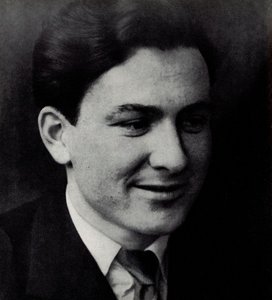
Franz Ehrlich

Franz Ehrlich

1907 - 1984, Alemania

Quick facts about Franz Ehrlich

  • Artistic Movement Or Style: Bauhaus, Expresionismo
  • Artists Or Movements Influenced By This Artist:
    • El Bauhaus
    • La Liga Comunista Joven
  • Artists Who Influenced This Artist:
    • Walter Gropius
    • László Moholy-Nagy
    • Klee
    • Joost Schmidt
  • Date Of Birth: 1907
  • Full Name: Franz Ehrlich
  • Nationality: Germano
  • Notable Artworks:
    • 800 YRS. FRAMEWORK WALL 3
    • Untitled (HKB I o II)
    • Painting con Violín
  • Place Of Birth: Reuth, Alemania

Biografía del artista

Early Life and Education

Franz Ehrlich, a name synonymous with both architectural innovation and poignant historical experience, was born in 1907 in Reuth, Germany – a small town nestled within the landscape of Bavaria. From his earliest years, a deep-seated passion for the arts ignited within him, a spark that propelled him towards formal training. He wasn’t simply drawn to aesthetics; there seemed to be an innate understanding of form and structure, a desire to translate visual concepts into tangible realities. This inclination led him to enroll at the prestigious Bauhaus in Dessau, a crucible of modern art and design, from 1927 to 1930. The Bauhaus wasn’t merely a school; it was a revolutionary movement, a laboratory for experimentation where traditional artistic boundaries were relentlessly challenged. Here, under the tutelage of masters like Walter Gropius, László Moholy-Nagy, Paul Klee, and Joost Schmidt, Ehrlich honed his skills in architecture, graphic design, and sculpture, absorbing the principles of functionalism, geometric abstraction, and a profound belief in art’s ability to serve humanity. The Bauhaus experience fundamentally shaped his artistic perspective, instilling within him a commitment to both beauty and social responsibility – values that would profoundly influence his subsequent work.

Artistic Career and Communist Affiliation

Ehrlich's artistic journey was inextricably linked to the turbulent political climate of Weimar Germany. His affiliation with the communist party proved to be a defining moment, one that dramatically altered the course of his life and career. In 1935, he faced arrest and imprisonment by the rising Nazi regime, an event that forced him into hiding and ultimately led to a period of profound hardship and displacement. Despite these immense challenges, Ehrlich refused to abandon his artistic pursuits. He continued to create, driven by a deep sense of conviction and a desire to express his beliefs through his art. This resilience in the face of adversity is perhaps one of the most remarkable aspects of his biography. His work during this period reflects a heightened awareness of social injustice and political oppression – themes that would continue to resonate throughout his career. The experience of persecution instilled within him a profound empathy for those marginalized by society, informing his design choices and artistic vision.

Notable Works

Ehrlich’s oeuvre is characterized by a remarkable blend of architectural innovation, graphic design expertise, and sculptural experimentation. Several projects stand out as particularly significant contributions to the world of art and design. “800 YRS. FRAMEWORK WALL 3” (Leipzig Trade Fair), for example, showcases his ability to integrate form and function in a striking display rack, demonstrating a mastery of spatial relationships and material manipulation. His execution plan for Professor Dr. Baumann’s house exemplifies his meticulous attention to detail and his understanding of architectural principles. Perhaps most intriguing is “1933” – a photo-sculptural advertising project that brilliantly combined photography with sculpture, creating a unique visual language that captured the spirit of the era. These projects, along with others such as the design for the entrance gate inscription at Auschwitz (“Jedem das Seine”), reveal a complex and deeply thoughtful artist grappling with profound social and political issues.

Museums and Collections

Ehrlich’s artistic legacy is preserved in several key institutions around the world. The OriginalUniqueArt.com website offers an extensive collection of his works, providing a valuable resource for researchers and art enthusiasts alike. Furthermore, the Bauhaus Dessau Foundation (Dessau-Roßlau, Germany) serves as a vital repository of his architectural drawings, models, and other archival materials, offering invaluable insights into his creative process. The foundation’s commitment to preserving and interpreting the Bauhaus legacy ensures that Ehrlich's contributions to modern design continue to be recognized and celebrated. His work is also featured in various exhibitions and collections internationally, solidifying his place as a significant figure in 20th-century art and architecture.

Legacy and Impact

Franz Ehrlich’s life story is more than just the chronicle of an artist; it's a poignant reflection of Germany’s tumultuous history during the first half of the 20th century. His experiences – from his formative years at the Bauhaus to his imprisonment under the Nazi regime and his subsequent work in East Germany – offer a powerful lens through which to examine the intersection of art, politics, and social justice. He wasn't simply an architect or designer; he was a witness to history, a participant in resistance movements, and a creator whose work bore testament to both the beauty and the brutality of his time. His legacy endures not only through his architectural designs and graphic works but also as a symbol of resilience, creativity, and unwavering commitment to human dignity.

Datos clave

  • Subject or theme: Planificación urbana
  • Location: Colección privada
  • Title: ESQUEMAS DE DESARROLLO. Edificios existentes / desarrollo según lo previsto actualmente / desarrollo como debería ser previsto
  • Medium: Tinta sobre papel
  • Notable elements or techniques: Proyección ortográfica; Tramado