
 Vista previa
 Compartir
 Compartir
 Ver detalles

 Descargar
 Ver similares
 Radiografía
 Presentación de diapositivas
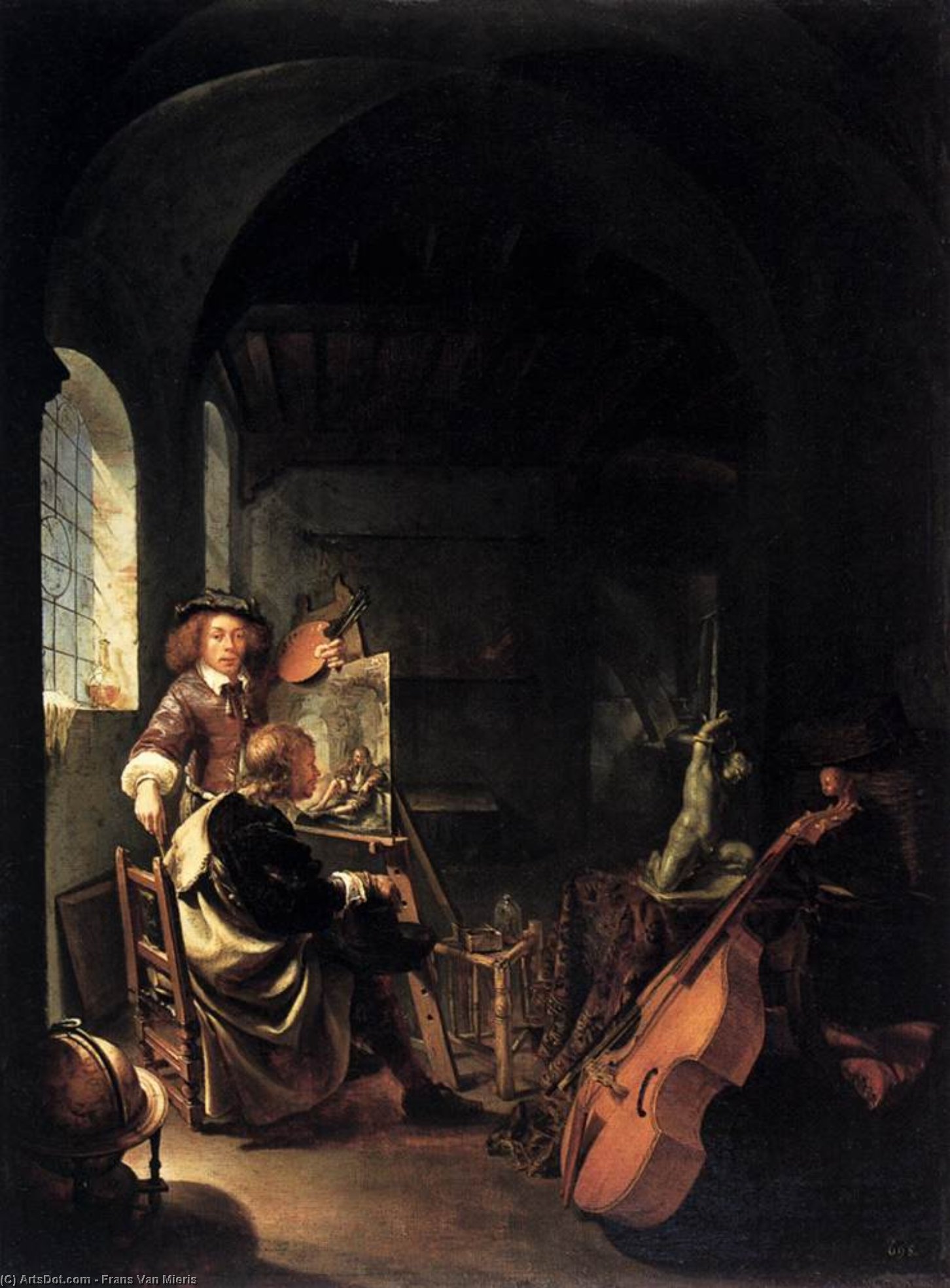
The Painter's Studio
 Oil On Canvas
- WallArt
- Dutch Golden Age Realism
 1659
1659- Late Medieval
 60.0 x 47.0 cm
 Galería de Pinturas Antiguas
 Leer más
Giclée / Impresión de arte
Impresiones giclée o en lienzo de calidad de museo con producción rápida y opciones de acabado flexibles. ( Cambiar a pintura hecha a mano Cambiar a imagen)




P118B $10

P118H $10

P118W $10

P438Z $10

P508JH $12

P508YH $12

P805H $10

P805Z $10

P919BZ $10

P919G $10

P919XJ $10

P959ZH $10

P968JZ $12

W106C $8

W218G $10

W218JH $8

W218Y $10

W307PJ $10

W316G $10

W316PJ $8

W316Y $10

W398PJ $8

W4111J $10

W500HY $15

W500JH $15

W692G $12

W849H $8

W940BG $15

W953PJ $8




Elija entre nuestros tamaños predefinidos que respetan las proporciones originales de la obra.

Puede introducir sus propias dimensiones para adaptarse a un marco o espacio específico. Si el tamaño seleccionado no coincide con las proporciones de la imagen original, recortaremos la obra de arte o extenderemos la imagen con un borde con efecto espejo o de color sólido. Se enviará una maqueta digital para su aprobación antes de que comience la producción.
Tenga en cuenta que la vista previa en pantalla no refleja el recorte o la extensión real. Solo la maqueta mostrará con precisión la composición final.
Aunque existen tamaños personalizados, recomendamos seleccionar una dimensión de la lista predefinida para preservar las proporciones originales.
Envío a todo el mundo () en 2 semanas en lugar de las 4/5 semanas estándar. (11 agosto)

Envío exprés gratuito a todo el mundo

Lienzo de lino de alta calidad

Seguro de envío completo

Garantía de reembolso de aranceles aduaneros

Garantía de fidelidad cromática exacta

Política de devolución de 60 días (solo por defectos)

Garantía de devolución del 100% del dinero

Oferta por volumen
 La opción de vidrio solo está disponible en tamaños inferiores a 110 cm.

The Painter's Studio
Giclée / Impresión de arte
Tamaño de la reproducción
-


Precio total
$ 80
Descripción de la pieza
The Painter’s Studio: A Window into Dutch Golden Age Life
Gustave Courbet's "The Painter's Studio," completed in 1855, isn’t merely a depiction of an artist at work; it’s a vibrant, layered allegory of the artistic and social landscape of mid-19th century France. More than just a snapshot of a studio scene, this monumental canvas invites us into a microcosm of society – a carefully constructed tableau populated by figures representing diverse walks of life, each contributing to the dynamic energy of Courbet’s creative world. The painting immediately captivates with its rich palette and meticulous detail, hallmarks of the Realist movement that Courbet championed, rejecting the idealized forms and mythological subjects favored by earlier artistic traditions.
At first glance, the scene unfolds as a typical artist's studio – an easel holding a landscape in progress, a nude model posing gracefully, and a young boy playfully interacting with a white cat. However, a closer examination reveals a complex web of symbolism woven throughout the composition. The left side of the painting is dominated by a series of ordinary individuals: a Jewish man, an Irishwoman, and a laborer – figures representing the everyday people who served as inspiration for Courbet’s art. A partially obscured figure on the floor, often interpreted as a crucified form, serves as a poignant reminder of the sacrifices made in pursuit of artistic expression, while simultaneously acknowledging the potential demise of traditional academic art. The central focus remains firmly on Courbet himself, diligently working on his painting of the Loue River valley – a deliberate homage to his homeland and a testament to the enduring power of nature.
A Gathering of Influences: The Right Side of the Canvas
The right side of "The Painter's Studio" transforms into a gathering of Parisian elite, each figure representing a key influence on Courbet’s artistic journey. Prominent among them are Alfred Bruyas, a wealthy patron who provided crucial financial support; Champfleury, a literary critic and fellow Realist whose writings profoundly shaped Courbet’s artistic philosophy; Pierre-Joseph Proudhon, the radical philosopher and economist; and Charles Baudelaire, the celebrated poet whose aesthetic sensibilities resonated deeply with Courbet's own. The inclusion of these figures isn’t simply decorative; it underscores the interconnectedness of art, society, and intellectual discourse during this transformative period. The portraits are not idealized representations but rather carefully observed studies, capturing each individual’s unique personality and bearing – a testament to Courbet’s keen observational skills.
The Language of Detail: Technique and Symbolism
Courbet's masterful technique is evident in every brushstroke. He employs a meticulous approach, rendering textures with astonishing realism – from the velvet folds of clothing to the rough grain of wood. The use of light and shadow creates a dramatic atmosphere, drawing the viewer’s eye across the canvas and highlighting key elements within the composition. The partially finished paintings on the back wall—a deliberate act of artistic defiance—symbolize the unfinished nature of creative endeavors and the constant pursuit of perfection. These abandoned works hint at the immense scale of Courbet's ambition and his willingness to challenge conventional artistic norms.
A Legacy of Realism: Context and Interpretation
"The Painter’s Studio" stands as a pivotal work in the history of art, encapsulating the spirit of the Realist movement. It rejects romantic idealism and embraces a commitment to portraying the world as it truly is – with all its complexities, contradictions, and social inequalities. Courbet's painting wasn't merely an artistic statement; it was a bold declaration of independence from the established art establishment. The work’s enduring appeal lies in its ability to resonate with viewers across generations, prompting reflection on the nature of creativity, the role of society, and the power of art to shape our understanding of the world. Reproductions of this iconic painting offer a remarkable opportunity to bring this vibrant tableau into your own home, serving as a constant reminder of Courbet’s revolutionary vision.
Biografía del artista
Frans van Mieris el Viejo: Una Vida en Detalle
- Nacimiento: Leiden, Países Bajos (1635)
- Fallecimiento: 1681
Frans van Mieris el Viejo fue un destacado pintor de género neerlandés del Siglo de Oro conocido por su meticuloso detalle y estilo refinado. Nacido en Leiden, hijo de Jan Bastiaensz van Mieris, un orfebre, Frans inicialmente demostró aptitud para el dibujo en lugar de seguir los pasos de su padre. La formación temprana bajo Abraham Toorenvliet, seguida de la instrucción por Gerrit Dou, moldearon sus bases artísticas.
Desarrollo Artístico y Estilo
- Primeras Influencias: Gerrit Dou y Abraham van den Tempel influyeron significativamente en las primeras obras de Frans.
- Técnica "Fijnschilder": Van Mieris se convirtió en un maestro del estilo "fijnschilder", caracterizado por detalles extremadamente finos, pinceladas suaves y un enfoque en pinturas a pequeña escala. Esta técnica enfatizaba el realismo e intrincadas representaciones de texturas como satén y terciopelo.
- Temática: Representó con frecuencia escenas de la sociedad adinerada – interiores elaborados, reuniones elegantes y retratos – ilustrando los hábitos y la vestimenta de las clases altas. Los motivos recurrentes incluían almuerzos de ostras, médicos examinando a pacientes y mujeres dedicadas a actividades domésticas.
- Evolución del Estilo: Si bien inicialmente emuló el estilo de Gerrit Dou, Van Mieris desarrolló gradualmente su propio enfoque distintivo, alejándose del detalle excesivo hacia una mayor énfasis en la interacción de personajes y la narrativa dentro de sus escenas. Sus obras posteriores a veces exhibían tonos más oscuros en comparación con sus piezas anteriores, más brillantes.
Logros Destacados y Obras Notables
- Visita del Médico (1657): Considerada una de sus obras datadas más tempranas y significativas, que muestra su independencia emergente del estilo de Dou.
- Autorretrato con una Citerna: Un autorretrato convincente que demuestra su habilidad para representar atuendos opulentos y capturar un sentido de personalidad.
- Retrato de la Esposa del Artista, Cunera van der Cock: Un ejemplo impresionante de retrato que destaca el realismo y el claroscuro.
- Pinturas Alegóricas: Van Mieris también produjo obras alegóricas, como una que representa vicios como beber, fumar y jugar, demostrando su versatilidad.
Legado y Significado Histórico
- Legado Familiar: La influencia de Frans van Mieris se extendió a su familia; su hijo Willem van Mieris (1662–1747) y su nieto Frans van Mieris el Joven (1689–1763) también se convirtieron en pintores de género consumados, continuando la tradición familiar.
- Imitaciones: La popularidad del estilo de Van Mieris condujo a numerosas imitaciones, más notablemente por A. D. Snaphaan, quien trabajó en Leipzig y fue patronado por la corte de Anhalt-Dessau.
- Contribución a la Pintura Neerlandesa del Siglo de Oro: Frans van Mieris jugó un papel crucial en dar forma al movimiento "fijnschilder" dentro de la pintura neerlandesa del Siglo de Oro, contribuyendo significativamente al enfoque de la época en el detalle meticuloso y las representaciones realistas de la vida cotidiana y la sociedad de clase alta. Sus obras son valoradas por su habilidad técnica y su retrato perspicaz de la cultura del siglo XVII.
Años Posteriores y Redescubrimiento
- Patronato: Van Mieris disfrutó del patrocinio de figuras prominentes, incluyendo al Archiduque Leopoldo y Cosimo III de' Medici.
- Obra Robada: Un autorretrato fue robado de la Galería de Arte de Nueva Gales del Sur en Sydney, Australia, destacando el valor y atractivo perdurables de sus obras.
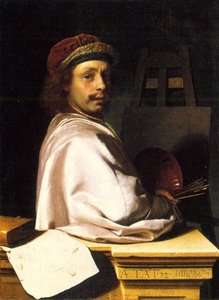
Frans van Mieris
1635 - 1681 , Países Bajos
Datos clave
- Artistas Influenciados:
- Willem van Mieris
- Frans van Mieris el Joven
- Artistas Que Influyeron:
- Gerrit Dou
- Abraham van den Tempel
- Fecha De Nacimiento: 1635
- Lugar De Nacimiento: Leiden, Países Bajos
- Movimiento Artístico: Fijnschilder
- Nacionalidad: Holandés
- Nombre Completo: Frans van Mieris el Viejo
- Obras Notables:
- Visita del Doctor
- Autorretrato con cítara
- Retrato de su esposa
- Mujer frente al espejo
Artículos relacionados
Las 25 Obras Maestras de Van Gogh: Un Viaje Emocional a Través del Arte
Descubre las 25 obras maestras de Van Gogh, desde 'La Noche Estrellada' hasta sus icónicos girasoles. Explora su vida, técnica impresionista y el profundo significado de cada cuadro. Reproducciones de arte de museo en OriginalUniqueArt.com.

Los 10 Maestros del Siglo de Oro Holandés: Arte, Historia y Decoración Exclusiva
Descubre los 10 imprescindibles del Siglo de Oro Holandés: Rembrandt, Vermeer y más. Explora la historia, técnica y belleza de estos lienzos clásicos. Encuentra reproducciones de arte exclusivas para decorar tu hogar en .

Golden Light & Dutch Skies: The Timeless Magic of Dutch Golden Age Landscapes
Discover the breathtaking beauty of Dutch Golden Age landscapes. Explore the mastery of light, chiaroscuro, and 17th-century realism through an expert art history lens, celebrating the enduring legacy of the Dutch Masters for discerning collectors and art lovers.

Rembrandt van Rijn: Las 25 Obras Maestras que Definen un Genio | Arte, Historia y Decoración
Descubre las 25 obras maestras de Rembrandt van Rijn, el genio del barroco holandés. Explora su historia, técnica y simbolismo en retratos icónicos como 'La Ronda Nocturna'. Encuentra reproducciones de arte exclusivas para decorar tu hogar con OriginalUniqueArt.com.

La Luz y la República: Innovación Artística en el Siglo de Oro Neerlandés
Descubra la innovación artística del Siglo de Oro Neerlandés. Explore las obras maestras de Rembrandt y Vermeer, técnicas revolucionarias y el legado perdurable de este florecimiento cultural. ¡Sumérjase en la luz y la belleza!



