

 Ver en contexto
 Enviar
 Compartir
 Detalles

 Descargar
 Similares
 Radiografía
 Presentación de diapositivas
The Lacemaker


 Ver más
Giclée / Impresión de arte
Impresiones giclée o en lienzo de calidad de museo con producción rápida y opciones de acabado flexibles. ( Comprar pintura hecha a mano Comprar imagen)




P118B $10

P118H $10

P118W $10

P438Z $10

P508JH $12

P508YH $12

P805H $10

P805Z $10

P919BZ $10

P919G $10

P919XJ $10

P959ZH $10

P968JZ $12

W106C $8

W218G $10

W218JH $8

W218Y $10

W307PJ $10

W316G $10

W316PJ $8

W316Y $10

W398PJ $8

W4111J $10

W500HY $15

W500JH $15

W692G $12

W849H $8

W940BG $15

W953PJ $8




Elija entre nuestros tamaños predefinidos que respetan las proporciones originales de la obra.

Puede introducir sus propias dimensiones para adaptarse a un marco o espacio específico. Si el tamaño seleccionado no coincide con las proporciones de la imagen original, recortaremos la obra de arte o extenderemos la imagen con un borde con efecto espejo o de color sólido. Se enviará una maqueta digital para su aprobación antes de que comience la producción.
Tenga en cuenta que la vista previa en pantalla no refleja el recorte o la extensión real. Solo la maqueta mostrará con precisión la composición final.
Aunque existen tamaños personalizados, recomendamos seleccionar una dimensión de la lista predefinida para preservar las proporciones originales.
Envío a todo el mundo () en 2 semanas en lugar de las 4/5 semanas estándar. (6 septiembre)

Envío exprés gratuito a todo el mundo

Lienzo de lino de alta calidad

Seguro de envío total

Garantía de reembolso de impuestos aduaneros

Garantía de fidelidad cromática exacta

Política de devolución de 100 días (solo por defectos)

Garantía de devolución del 100% del dinero

Descuento por cantidad
 La opción de vidrio solo está disponible en tamaños inferiores a 110 cm.

The Lacemaker
Giclée / Impresión de arte
Dimensiones de la reproducción
-


Precio total final
$ 80
A Symphony of Silence and Skill
In the quiet corners of the Dutch Golden Age, there exists a profound beauty found not in grand spectacles, but in the rhythmic, meditative pulse of everyday life. The Lacemaker serves as a breathtaking window into this era of domestic tranquility. The painting captures a young woman lost in the delicate, painstaking labor of her craft, her focus so absolute that the world around her seems to dissolve into a soft, atmospheric haze. As she sits before her work, the viewer is invited to share in her solitude, experiencing a moment of stillness that feels both timeless and deeply intimate. This is not merely a portrait of a worker; it is an invitation to appreciate the dignity found in concentration and the quiet grace of a life lived with purpose.
The composition is a masterclass in the fijnschilder style, a technique synonymous with the legendary Dutch masters of Leiden. Every inch of the canvas vibrates with meticulous detail, from the intricate patterns of the lace to the heavy, tactile presence of the crimson and black patterned cloth draped across the table. The artist employs a sophisticated use of light—a soft, diffused glow that seems to emanebate from an unseen window, casting gentle shadows that lend a remarkable three-dimensionality to the scene. This subtle manipulation of luminosity creates a sense of depth, pulling the viewer into the room and making the textures of fabric, porcelain, and skin feel almost touchable. For the discerning collector or interior designer, this level of technical brilliance offers a piece that commands attention through its subtlety rather than through loud, jarring colors.
Symbolism and the Art of Observation
Beyond its surface beauty, The Lacemaker is rich with the symbolic language of the 17th century. The act of lacemaking itself was often viewed as a metaphor for virtue, patience, and the careful weaving of one's destiny. The woman’s composed posture and downward gaze reflect a sense of moral fortitude and intellectual engagement, suggesting that even the most humble domestic tasks can be elevated to an art form. The presence of the mirror on the table adds a layer of introspective depth, reflecting her image back to us and creating a psychological loop that emphasizes themes of self-reflection and the duality of public duty versus private thought.
The color palette is intentionally balanced to evoke a sense of calm yet sophisticated elegance. The vibrant red of the tablecloth provides a striking counterpoint to the muted, pearlescent tones of the woman’s attire, ensuring that the eye is drawn naturally toward her hands—the very site of her creative struggle and triumph. This careful orchestration of color and light makes the painting an ideal centerpiece for a curated space, offering a sense of historical weight and refined taste. Whether placed in a sunlit study or a more formal gallery setting, a high-quality reproduction of this masterpiece brings with it an aura of serenity and a profound connection to the enduring legacy of Dutch excellence.
Biografía del artista
Frans van Mieris el Viejo: Una Vida en Detalle
- Nacimiento: Leiden, Países Bajos (1635)
- Fallecimiento: 1681
Frans van Mieris el Viejo fue un destacado pintor de género neerlandés del Siglo de Oro conocido por su meticuloso detalle y estilo refinado. Nacido en Leiden, hijo de Jan Bastiaensz van Mieris, un orfebre, Frans inicialmente demostró aptitud para el dibujo en lugar de seguir los pasos de su padre. La formación temprana bajo Abraham Toorenvliet, seguida de la instrucción por Gerrit Dou, moldearon sus bases artísticas.
Desarrollo Artístico y Estilo
- Primeras Influencias: Gerrit Dou y Abraham van den Tempel influyeron significativamente en las primeras obras de Frans.
- Técnica "Fijnschilder": Van Mieris se convirtió en un maestro del estilo "fijnschilder", caracterizado por detalles extremadamente finos, pinceladas suaves y un enfoque en pinturas a pequeña escala. Esta técnica enfatizaba el realismo e intrincadas representaciones de texturas como satén y terciopelo.
- Temática: Representó con frecuencia escenas de la sociedad adinerada – interiores elaborados, reuniones elegantes y retratos – ilustrando los hábitos y la vestimenta de las clases altas. Los motivos recurrentes incluían almuerzos de ostras, médicos examinando a pacientes y mujeres dedicadas a actividades domésticas.
- Evolución del Estilo: Si bien inicialmente emuló el estilo de Gerrit Dou, Van Mieris desarrolló gradualmente su propio enfoque distintivo, alejándose del detalle excesivo hacia una mayor énfasis en la interacción de personajes y la narrativa dentro de sus escenas. Sus obras posteriores a veces exhibían tonos más oscuros en comparación con sus piezas anteriores, más brillantes.
Logros Destacados y Obras Notables
- Visita del Médico (1657): Considerada una de sus obras datadas más tempranas y significativas, que muestra su independencia emergente del estilo de Dou.
- Autorretrato con una Citerna: Un autorretrato convincente que demuestra su habilidad para representar atuendos opulentos y capturar un sentido de personalidad.
- Retrato de la Esposa del Artista, Cunera van der Cock: Un ejemplo impresionante de retrato que destaca el realismo y el claroscuro.
- Pinturas Alegóricas: Van Mieris también produjo obras alegóricas, como una que representa vicios como beber, fumar y jugar, demostrando su versatilidad.
Legado y Significado Histórico
- Legado Familiar: La influencia de Frans van Mieris se extendió a su familia; su hijo Willem van Mieris (1662–1747) y su nieto Frans van Mieris el Joven (1689–1763) también se convirtieron en pintores de género consumados, continuando la tradición familiar.
- Imitaciones: La popularidad del estilo de Van Mieris condujo a numerosas imitaciones, más notablemente por A. D. Snaphaan, quien trabajó en Leipzig y fue patronado por la corte de Anhalt-Dessau.
- Contribución a la Pintura Neerlandesa del Siglo de Oro: Frans van Mieris jugó un papel crucial en dar forma al movimiento "fijnschilder" dentro de la pintura neerlandesa del Siglo de Oro, contribuyendo significativamente al enfoque de la época en el detalle meticuloso y las representaciones realistas de la vida cotidiana y la sociedad de clase alta. Sus obras son valoradas por su habilidad técnica y su retrato perspicaz de la cultura del siglo XVII.
Años Posteriores y Redescubrimiento
- Patronato: Van Mieris disfrutó del patrocinio de figuras prominentes, incluyendo al Archiduque Leopoldo y Cosimo III de' Medici.
- Obra Robada: Un autorretrato fue robado de la Galería de Arte de Nueva Gales del Sur en Sydney, Australia, destacando el valor y atractivo perdurables de sus obras.
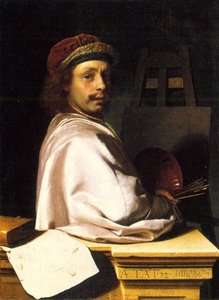
Frans van Mieris
1635 - 1681 , Países Bajos
Datos clave
- Artistas Influenciados:
- Willem van Mieris
- Frans van Mieris el Joven
- Artistas Que Influyeron:
- Gerrit Dou
- Abraham van den Tempel
- Fecha De Nacimiento: 1635
- Lugar De Nacimiento: Leiden, Países Bajos
- Movimiento Artístico: Fijnschilder
- Nacionalidad: Holandés
- Nombre Completo: Frans van Mieris el Viejo
- Obras Notables:
- Visita del Doctor
- Autorretrato con cítara
- Retrato de su esposa
- Mujer frente al espejo
Artículos relacionados

Los 10 Maestros del Siglo de Oro Holandés: Arte, Historia y Decoración Exclusiva
Descubre los 10 imprescindibles del Siglo de Oro Holandés: Rembrandt, Vermeer y más. Explora la historia, técnica y belleza de estos lienzos clásicos. Encuentra reproducciones de arte exclusivas para decorar tu hogar en .

Golden Light & Dutch Skies: The Timeless Magic of Dutch Golden Age Landscapes
Discover the breathtaking beauty of Dutch Golden Age landscapes. Explore the mastery of light, chiaroscuro, and 17th-century realism through an expert art history lens, celebrating the enduring legacy of the Dutch Masters for discerning collectors and art lovers.

Johannes Vermeer: Light, Intimacy & the Dutch Golden Age – A Comprehensive Exploration
Explore the life, techniques & enduring legacy of Johannes Vermeer, a master of Dutch Golden Age painting. Discover symbolism in his iconic works like 'The Milkmaid' and learn about his revolutionary use of light.

Reflejos de una Época Dorada: La Pintura Barroca Holandesa y la Innovación Cultural
Descubra la riqueza y el detalle de la pintura barroca holandesa del Siglo de Oro. Explore las obras maestras de Rembrandt, Vermeer y otros artistas clave. Análisis experto e historia cultural.

La Luz y la República: Innovación Artística en el Siglo de Oro Neerlandés
Descubra la innovación artística del Siglo de Oro Neerlandés. Explore las obras maestras de Rembrandt y Vermeer, técnicas revolucionarias y el legado perdurable de este florecimiento cultural. ¡Sumérjase en la luz y la belleza!

