

 Ver en contexto
 Enviar
 Compartir
 Detalles

 Descargar
 Similares
 Radiografía
 Presentación de diapositivas
The Cloth Shop
 Oil On Copper
- WallArt
- Dutch Golden Age
 1660
1660- Early Modern
 55.0 x 43.0 cm
 Kunsthistorisches Museum
 Ver más
Giclée / Impresión de arte
Impresiones giclée o en lienzo de calidad de museo con producción rápida y opciones de acabado flexibles. ( Comprar pintura hecha a mano Comprar imagen)




P118B $10

P118H $10

P118W $10

P438Z $10

P508JH $12

P508YH $12

P805H $10

P805Z $10

P919BZ $10

P919G $10

P919XJ $10

P959ZH $10

P968JZ $12

W106C $8

W218G $10

W218JH $8

W218Y $10

W307PJ $10

W316G $10

W316PJ $8

W316Y $10

W398PJ $8

W4111J $10

W500HY $15

W500JH $15

W692G $12

W849H $8

W940BG $15

W953PJ $8




Elija entre nuestros tamaños predefinidos que respetan las proporciones originales de la obra.

Puede introducir sus propias dimensiones para adaptarse a un marco o espacio específico. Si el tamaño seleccionado no coincide con las proporciones de la imagen original, recortaremos la obra de arte o extenderemos la imagen con un borde con efecto espejo o de color sólido. Se enviará una maqueta digital para su aprobación antes de que comience la producción.
Tenga en cuenta que la vista previa en pantalla no refleja el recorte o la extensión real. Solo la maqueta mostrará con precisión la composición final.
Aunque existen tamaños personalizados, recomendamos seleccionar una dimensión de la lista predefinida para preservar las proporciones originales.
Envío a todo el mundo () en 2 semanas en lugar de las 4/5 semanas estándar. (26 agosto)

Envío exprés gratuito a todo el mundo

Lienzo de lino de alta calidad

Seguro de envío total

Garantía de reembolso de impuestos aduaneros

Garantía de fidelidad cromática exacta

Política de devolución de 60 días (solo por defectos)

Garantía de devolución del 100% del dinero

Descuento por cantidad
 La opción de vidrio solo está disponible en tamaños inferiores a 110 cm.

The Cloth Shop
Giclée / Impresión de arte
Dimensiones de la reproducción
-


Precio total final
$ 80
Descripción de la pieza
A Masterpiece of Meticulous Detail
In the quiet, luminous world of the Dutch Golden Age, few artists captured the intimate textures of life with as much reverence as Frans van Mieris the Elder. His 1660 masterpiece, The Cloth Shop, is not merely a depiction of commerce; it is a breathtaking window into the soul of seventeenth-century Leiden. Executed on a gilt copper panel—a surface that allows for an almost supernatural level of precision—the painting serves as a pinnacle of the fijnschilder movement. This "fine painter" technique, characterized by incredibly smooth brushwork and microscopic detail, transforms a simple retail setting into a shimmering, tactile experience where every thread of fabric and every glint of light feels tangibly real.
The scene unfolds within a room that breathes with a warm, atmospheric glow. A large chandelier hangs suspended from the ceiling, acting as the primary source of illumination that dances across the polished surfaces of the shop. As the eye wanders through the composition, one is struck by the artist's masterful use of chiaroscuro. The dramatic interplay between deep, velvety shadows and brilliant highlights does more than just create depth; it sculpts the figures, lending them a monumental presence within their modest surroundings. For the discerning collector or interior designer, this play of light offers a sophisticated focal point that can imbue any space with a sense of historical grandeur and quiet drama.
Symbolism and the Social Fabric
Beyond its technical brilliance, The Cloth Shop is a complex narrative tableau rich with social commentary and subtle psychological tension. At the heart of the composition, an elderly gentleman, draped in opulent, heavy robes, engages with a younger man. The positioning of these figures is far from accidental; the elevation of the elder figure subtly reinforces the rigid social hierarchies of the era. Yet, Van Mieris introduces a layer of human intimacy that transcends mere transaction. A subtle, almost fleeting gesture—the gentleman’s hand brushing near his companion—hints at an unspoken connection, perhaps even a touch of eroticism or hidden desire, tucked away within the mundane act of inspecting fabric bolts.
The very subject matter—the cloth itself—serves as a powerful metaphor. The bolts of silk, satin, and wool displayed on the shelves are not just commodities; they represent wealth, status, and the interconnectedness of the Dutch Republic's global trade. To gaze upon this painting is to witness the intersection of private emotion and public prosperity. The meticulous rendering of these textiles invites the viewer to reach out and touch the canvas, making the artwork an immersive sensory experience that bridges the gap between the seventeenth century and the modern day.
An Eternal Inspiration for the Modern Interior
For those looking to curate a collection or design a room of distinction, a high-quality reproduction of The Cloth Shop offers much more than mere decoration. It brings with it an aura of intellectual depth and classical elegance. The painting’s warm palette and rich textures harmonize beautifully with both traditional period furnishings and contemporary minimalist settings, providing a sophisticated anchor for a well-curated interior. It is a piece that rewards repeated viewing, revealing new details—the glint of a brass fixture, the soft fold of a sleeve, or the quiet intensity in a subject's gaze—each time the light hits it differently.
Owning a reproduction of such a significant work allows one to celebrate the legacy of the Dutch masters. It is an invitation to surround oneself with the beauty of the fijnschilder tradition, bringing a sense of history, storytelling, and unparalleled craftsmanship into the home. Whether placed in a sunlit study or a moody dining room, this artwork remains a timeless testament to the power of art to capture the fleeting, beautiful moments of human existence.
Biografía del artista
Frans van Mieris el Viejo: Una Vida en Detalle
- Nacimiento: Leiden, Países Bajos (1635)
- Fallecimiento: 1681
Frans van Mieris el Viejo fue un destacado pintor de género neerlandés del Siglo de Oro conocido por su meticuloso detalle y estilo refinado. Nacido en Leiden, hijo de Jan Bastiaensz van Mieris, un orfebre, Frans inicialmente demostró aptitud para el dibujo en lugar de seguir los pasos de su padre. La formación temprana bajo Abraham Toorenvliet, seguida de la instrucción por Gerrit Dou, moldearon sus bases artísticas.
Desarrollo Artístico y Estilo
- Primeras Influencias: Gerrit Dou y Abraham van den Tempel influyeron significativamente en las primeras obras de Frans.
- Técnica "Fijnschilder": Van Mieris se convirtió en un maestro del estilo "fijnschilder", caracterizado por detalles extremadamente finos, pinceladas suaves y un enfoque en pinturas a pequeña escala. Esta técnica enfatizaba el realismo e intrincadas representaciones de texturas como satén y terciopelo.
- Temática: Representó con frecuencia escenas de la sociedad adinerada – interiores elaborados, reuniones elegantes y retratos – ilustrando los hábitos y la vestimenta de las clases altas. Los motivos recurrentes incluían almuerzos de ostras, médicos examinando a pacientes y mujeres dedicadas a actividades domésticas.
- Evolución del Estilo: Si bien inicialmente emuló el estilo de Gerrit Dou, Van Mieris desarrolló gradualmente su propio enfoque distintivo, alejándose del detalle excesivo hacia una mayor énfasis en la interacción de personajes y la narrativa dentro de sus escenas. Sus obras posteriores a veces exhibían tonos más oscuros en comparación con sus piezas anteriores, más brillantes.
Logros Destacados y Obras Notables
- Visita del Médico (1657): Considerada una de sus obras datadas más tempranas y significativas, que muestra su independencia emergente del estilo de Dou.
- Autorretrato con una Citerna: Un autorretrato convincente que demuestra su habilidad para representar atuendos opulentos y capturar un sentido de personalidad.
- Retrato de la Esposa del Artista, Cunera van der Cock: Un ejemplo impresionante de retrato que destaca el realismo y el claroscuro.
- Pinturas Alegóricas: Van Mieris también produjo obras alegóricas, como una que representa vicios como beber, fumar y jugar, demostrando su versatilidad.
Legado y Significado Histórico
- Legado Familiar: La influencia de Frans van Mieris se extendió a su familia; su hijo Willem van Mieris (1662–1747) y su nieto Frans van Mieris el Joven (1689–1763) también se convirtieron en pintores de género consumados, continuando la tradición familiar.
- Imitaciones: La popularidad del estilo de Van Mieris condujo a numerosas imitaciones, más notablemente por A. D. Snaphaan, quien trabajó en Leipzig y fue patronado por la corte de Anhalt-Dessau.
- Contribución a la Pintura Neerlandesa del Siglo de Oro: Frans van Mieris jugó un papel crucial en dar forma al movimiento "fijnschilder" dentro de la pintura neerlandesa del Siglo de Oro, contribuyendo significativamente al enfoque de la época en el detalle meticuloso y las representaciones realistas de la vida cotidiana y la sociedad de clase alta. Sus obras son valoradas por su habilidad técnica y su retrato perspicaz de la cultura del siglo XVII.
Años Posteriores y Redescubrimiento
- Patronato: Van Mieris disfrutó del patrocinio de figuras prominentes, incluyendo al Archiduque Leopoldo y Cosimo III de' Medici.
- Obra Robada: Un autorretrato fue robado de la Galería de Arte de Nueva Gales del Sur en Sydney, Australia, destacando el valor y atractivo perdurables de sus obras.
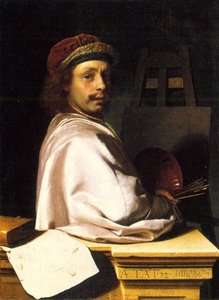
Frans van Mieris
1635 - 1681 , Países Bajos
Datos clave
- Artistas Influenciados:
- Willem van Mieris
- Frans van Mieris el Joven
- Artistas Que Influyeron:
- Gerrit Dou
- Abraham van den Tempel
- Fecha De Nacimiento: 1635
- Lugar De Nacimiento: Leiden, Países Bajos
- Movimiento Artístico: Fijnschilder
- Nacionalidad: Holandés
- Nombre Completo: Frans van Mieris el Viejo
- Obras Notables:
- Visita del Doctor
- Autorretrato con cítara
- Retrato de su esposa
- Mujer frente al espejo
Artículos relacionados

Los 10 Maestros del Siglo de Oro Holandés: Arte, Historia y Decoración Exclusiva
Descubre los 10 imprescindibles del Siglo de Oro Holandés: Rembrandt, Vermeer y más. Explora la historia, técnica y belleza de estos lienzos clásicos. Encuentra reproducciones de arte exclusivas para decorar tu hogar en .

Golden Light & Dutch Skies: The Timeless Magic of Dutch Golden Age Landscapes
Discover the breathtaking beauty of Dutch Golden Age landscapes. Explore the mastery of light, chiaroscuro, and 17th-century realism through an expert art history lens, celebrating the enduring legacy of the Dutch Masters for discerning collectors and art lovers.
Adriaen van Ostade: A Master of Dutch Genre Painting & Social Commentary
Explore the life & work of Adriaen van Ostade, a leading Dutch Golden Age painter. Discover his realistic genre scenes, social commentary, and lasting influence on art history. Learn more at OriginalUniqueArt.
Pintura de Género Holandesa: Un Reflejo Íntimo de la Vida Cotidiana y los Valores Sociales del Siglo de Oro
Descubra la riqueza de la pintura de género holandesa del Siglo de Oro. Explore las obras maestras de Vermeer y Brueghel, su simbolismo y el reflejo de la vida cotidiana en esta época dorada. ¡Conozca más!

Rembrandt van Rijn: Las 25 Obras Maestras que Definen un Genio | Arte, Historia y Decoración
Descubre las 25 obras maestras de Rembrandt van Rijn, el genio del barroco holandés. Explora su historia, técnica y simbolismo en retratos icónicos como 'La Ronda Nocturna'. Encuentra reproducciones de arte exclusivas para decorar tu hogar con OriginalUniqueArt.com.



