
 Vista previa
 Compartir
 Compartir
 Ver detalles

 Descargar
 Ver similares
 Radiografía
 Presentación de diapositivas
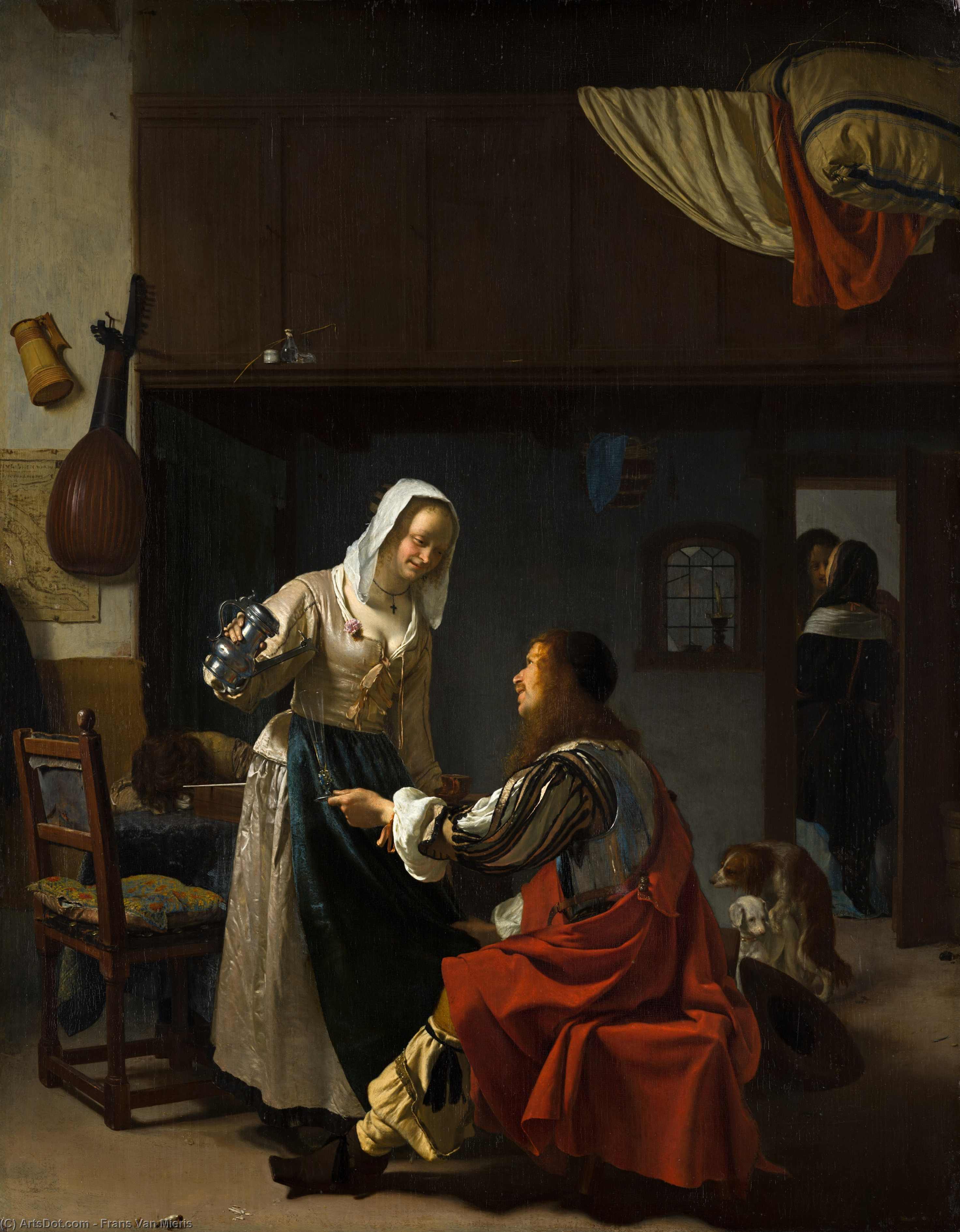
Brothel Scene
 Oil
Oil- WallArt
- Dutch Golden Age
 1658
1658- Early Modern
 43.0 x 33.0 cm
 Mauritshuis
 Leer más
Adquiera una imagen digital de alta resolución y optimizada, muy superior a la vista previa en línea.
Cada archivo es preparado meticulosamente por nuestros especialistas internos mediante el uso de herramientas avanzadas y un experto retoque manual. Nos aseguramos de que cada imagen posea una claridad excepcional, una precisión cromática impecable y un detalle minucioso.
El archivo final se entrega por correo electrónico en un plazo de 72 horas, optimizado para su uso inmediato en entornos profesionales, editoriales y de impresión. Esta es la misma calidad en la que confían los estudios de diseño, las editoriales y las galerías de primer nivel.
Imagen Digital
Descarga un archivo de alta resolución para exhibición personal, impresión y proyectos creativos. ( Pedir impresión Encargar reproducción pintada a mano)
Incluido en cada compra de imágenes digitales
Entrega digital experta, garantizada.
Al elegir OriginalUniqueArt.com, no solo está adquiriendo una imagen; está recibiendo una obra de arte digital mejorada profesionalmente, elaborada con precisión y respaldada por una garantía de satisfacción. Esto es todo lo que incluye su pedido, automáticamente:

Entrega rápida por email
Recibirá su archivo de imagen digital en alta resolución por correo electrónico en un plazo de 72 horas tras realizar su pedido, listo para su uso inmediato.

Archivo digital optimizado por IA
Su obra de arte se optimiza profesionalmente mediante herramientas avanzadas de IA y edición manual, garantizando el máximo detalle, claridad y precisión cromática.

Reenvío gratuito de por vida
¿Has borrado o perdido tu archivo por error? No te preocupes: te lo volveremos a enviar en cualquier momento, sin coste adicional.

Sin gastos de importación, siempre
Disfrute de su obra de arte al instante sin aduanas, aranceles ni gastos de envío; las descargas digitales siempre están libres de impuestos.

Garantía de precisión de color
Garantizamos que su imagen digital refleje los colores originales con la mayor fidelidad posible, mediante el uso de herramientas profesionales y gestión del color.

Garantía de satisfacción de 60 días
Si no está satisfecho con su imagen digital, la revisaremos o le reembolsaremos el 100% en un plazo de 60 días, sin preguntas.

100% Garantía de devolución de dinero
¿No está satisfecho? Obtenga un reembolso completo dentro de los 60 días posteriores a la recepción de su archivo digital, sin necesidad de explicaciones.

Descuentos por volumen
Compra 3 imágenes, ahorra 10% - Compra 5, ahorra 15% - Compra 10+, ahorra 20%. Ideal para proyectos creativos, galerías y agencias.
Descripción del coleccionable
An Intimate Encounter in the Dutch Golden Age
In the quiet, shadowed corners of seventeenth-century Leiden, there existed a world defined by both extreme refinement and raw human impulse. Frans van Mieris the Elder, a master of the fijnschilder technique, captures this duality with breathtaking precision in his 1658 masterpiece, Brothel Scene. The painting invites the viewer into a private, almost voyeuristic moment, where a man kneels before a seated woman, their bodies positioned in a way that suggests a whispered confidence or a shared secret. This is not merely a depiction of a setting; it is a window into the psychological tension of an era caught between moral piety and the allure of earthly pleasures.
The composition is a masterclass in narrative intimacy. As the eye wanders through the room, it encounters the domestic markers of a life lived in the shadows: a sturdy chair, the soft folds of a bed in the background, and even the presence of a dog, often used in Dutch art to symbolize fidelity or, in more provocative contexts, base instincts. The inclusion of two bottles—one positioned to the left and another toward the right—hints at the indulgence that often accompanied such clandestine meetings. Every element, from the ticking clock on the wall to the subtle play of light on fabric, serves to ground this fleeting interaction in a tangible, breathing reality.
The Mastery of the Fijnschilder Technique
To behold a work by Van Mieris is to witness the pinnacle of Dutch technical virtuosity. As a student of Gerrit Dou, Van Mieris inherited the mantle of the fijnschilders, or "fine painters," whose primary goal was the erasure of the brushstroke itself. In Brothel Scene, this meticulous approach creates a surface so smooth and detailed that it feels almost photographic to the modern eye. The texture of the woman's garments, the glint of light on glass, and the soft warmth of skin are rendered with such care that the viewer can almost feel the atmosphere of the room.
For the discerning collector or interior designer, this painting offers more than just visual beauty; it offers a profound sense of depth and texture. The way the light falls across the scene creates a chiaroscuro effect that lends a dramatic weight to the subject matter. This level of detail makes a high-quality reproduction an extraordinary centerpiece for any curated space, providing a focal point that rewards prolonged contemplation. Whether placed in a contemporary gallery setting or a classic study, the painting’s ability to command attention through subtle nuance is unparalleled.
A Timeless Allure for Modern Spaces
Beyond its historical significance, Brothel Scene resonates with a timeless emotional complexity. It explores themes of desire, secrecy, and the human condition that remain deeply relevant today. The painting does not shout; it whispers, drawing the observer into its quiet drama through a sophisticated use of color and composition. This understated power makes it an ideal choice for those looking to infuse their interiors with a sense of history, intellect, and soulful elegance.
Integrating such a piece into a home or professional design project allows for a dialogue between the past and the present. The rich, earthy tones and the dramatic interplay of light and shadow provide a sophisticated palette that complements both traditional and modern decor. Owning a reproduction of this caliber is an invitation to celebrate the enduring legacy of the Dutch Golden Age, bringing a piece of art history into the intimate sanctuary of one's own surroundings.
Biografía del artista
Frans van Mieris el Viejo: Una Vida en Detalle
- Nacimiento: Leiden, Países Bajos (1635)
- Fallecimiento: 1681
Frans van Mieris el Viejo fue un destacado pintor de género neerlandés del Siglo de Oro conocido por su meticuloso detalle y estilo refinado. Nacido en Leiden, hijo de Jan Bastiaensz van Mieris, un orfebre, Frans inicialmente demostró aptitud para el dibujo en lugar de seguir los pasos de su padre. La formación temprana bajo Abraham Toorenvliet, seguida de la instrucción por Gerrit Dou, moldearon sus bases artísticas.
Desarrollo Artístico y Estilo
- Primeras Influencias: Gerrit Dou y Abraham van den Tempel influyeron significativamente en las primeras obras de Frans.
- Técnica "Fijnschilder": Van Mieris se convirtió en un maestro del estilo "fijnschilder", caracterizado por detalles extremadamente finos, pinceladas suaves y un enfoque en pinturas a pequeña escala. Esta técnica enfatizaba el realismo e intrincadas representaciones de texturas como satén y terciopelo.
- Temática: Representó con frecuencia escenas de la sociedad adinerada – interiores elaborados, reuniones elegantes y retratos – ilustrando los hábitos y la vestimenta de las clases altas. Los motivos recurrentes incluían almuerzos de ostras, médicos examinando a pacientes y mujeres dedicadas a actividades domésticas.
- Evolución del Estilo: Si bien inicialmente emuló el estilo de Gerrit Dou, Van Mieris desarrolló gradualmente su propio enfoque distintivo, alejándose del detalle excesivo hacia una mayor énfasis en la interacción de personajes y la narrativa dentro de sus escenas. Sus obras posteriores a veces exhibían tonos más oscuros en comparación con sus piezas anteriores, más brillantes.
Logros Destacados y Obras Notables
- Visita del Médico (1657): Considerada una de sus obras datadas más tempranas y significativas, que muestra su independencia emergente del estilo de Dou.
- Autorretrato con una Citerna: Un autorretrato convincente que demuestra su habilidad para representar atuendos opulentos y capturar un sentido de personalidad.
- Retrato de la Esposa del Artista, Cunera van der Cock: Un ejemplo impresionante de retrato que destaca el realismo y el claroscuro.
- Pinturas Alegóricas: Van Mieris también produjo obras alegóricas, como una que representa vicios como beber, fumar y jugar, demostrando su versatilidad.
Legado y Significado Histórico
- Legado Familiar: La influencia de Frans van Mieris se extendió a su familia; su hijo Willem van Mieris (1662–1747) y su nieto Frans van Mieris el Joven (1689–1763) también se convirtieron en pintores de género consumados, continuando la tradición familiar.
- Imitaciones: La popularidad del estilo de Van Mieris condujo a numerosas imitaciones, más notablemente por A. D. Snaphaan, quien trabajó en Leipzig y fue patronado por la corte de Anhalt-Dessau.
- Contribución a la Pintura Neerlandesa del Siglo de Oro: Frans van Mieris jugó un papel crucial en dar forma al movimiento "fijnschilder" dentro de la pintura neerlandesa del Siglo de Oro, contribuyendo significativamente al enfoque de la época en el detalle meticuloso y las representaciones realistas de la vida cotidiana y la sociedad de clase alta. Sus obras son valoradas por su habilidad técnica y su retrato perspicaz de la cultura del siglo XVII.
Años Posteriores y Redescubrimiento
- Patronato: Van Mieris disfrutó del patrocinio de figuras prominentes, incluyendo al Archiduque Leopoldo y Cosimo III de' Medici.
- Obra Robada: Un autorretrato fue robado de la Galería de Arte de Nueva Gales del Sur en Sydney, Australia, destacando el valor y atractivo perdurables de sus obras.
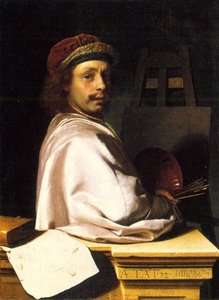
Frans van Mieris
1635 - 1681 , Países Bajos
Datos clave
- Artistas Influenciados:
- Willem van Mieris
- Frans van Mieris el Joven
- Artistas Que Influyeron:
- Gerrit Dou
- Abraham van den Tempel
- Fecha De Nacimiento: 1635
- Lugar De Nacimiento: Leiden, Países Bajos
- Movimiento Artístico: Fijnschilder
- Nacionalidad: Holandés
- Nombre Completo: Frans van Mieris el Viejo
- Obras Notables:
- Visita del Doctor
- Autorretrato con cítara
- Retrato de su esposa
- Mujer frente al espejo

