Ver en contexto
 Enviar
 Compartir
 Detalles

 Descargar
 Similares
 Radiografía
 Presentación de diapositivas
Santa Ursula


 Ver más
Giclée / Impresión de arte
Impresiones giclée o en lienzo de calidad de museo con producción rápida y opciones de acabado flexibles. ( Comprar pintura hecha a mano Comprar imagen)




P118B $10

P118H $10

P118W $10

P438Z $10

P508JH $12

P508YH $12

P805H $10

P805Z $10

P919BZ $10

P919G $10

P919XJ $10

P959ZH $10

P968JZ $12

W106C $8

W218G $10

W218JH $8

W218Y $10

W307PJ $10

W316G $10

W316PJ $8

W316Y $10

W398PJ $8

W4111J $10

W500HY $15

W500JH $15

W692G $12

W849H $8

W940BG $15

W953PJ $8




Elija entre nuestros tamaños predefinidos que respetan las proporciones originales de la obra.

Puede introducir sus propias dimensiones para adaptarse a un marco o espacio específico. Si el tamaño seleccionado no coincide con las proporciones de la imagen original, recortaremos la obra de arte o extenderemos la imagen con un borde con efecto espejo o de color sólido. Se enviará una maqueta digital para su aprobación antes de que comience la producción.
Tenga en cuenta que la vista previa en pantalla no refleja el recorte o la extensión real. Solo la maqueta mostrará con precisión la composición final.
Aunque existen tamaños personalizados, recomendamos seleccionar una dimensión de la lista predefinida para preservar las proporciones originales.
Envío a todo el mundo () en 2 semanas en lugar de las 4/5 semanas estándar. (29 agosto)

Envío exprés gratuito a todo el mundo

Lienzo de lino de alta calidad

Seguro de envío total

Garantía de reembolso de impuestos aduaneros

Garantía de fidelidad cromática exacta

Política de devolución de 60 días (solo por defectos)

Garantía de devolución del 100% del dinero

Descuento por cantidad
 La opción de vidrio solo está disponible en tamaños inferiores a 110 cm.

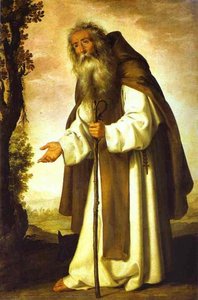
Santa Ursula
Giclée / Impresión de arte
Dimensiones de la reproducción
-


Precio total final
$ 80
A Vision of Devotion: The Piercing Gaze of Saint Ursula
In the quiet intensity of Francisco de Zurbarán’s 1650 masterpiece, Saint Ursula, the viewer is not merely an observer but a participant in a profound spiritual encounter. This monumental oil on canvas serves as a breathtaking window into the heart of the Spanish Baroque, capturing a moment where the earthly and the divine intersect. The saint herself stands as a pillar of resolute faith, her presence commanding the space with an unwavering gaze that confronts the onlooker directly. Holding aloft a spear—a potent symbol of both her martyrdom and her role as a protector—she embodies a sense of vigilant courage. To look upon this work is to feel the weight of her sanctity, a sensation that makes it an extraordinary centerpiece for any collection seeking to evoke contemplation and strength.The technical brilliance of Zurbarán lies in his mastery of tenebrismo, a dramatic technique of light and shadow that breathes life into the canvas. Much like his contemporary Caravaggio, Zurbariente uses deep, enveloping shadows to sculpt the saint’s form, allowing sudden bursts of light to illuminate the textures of her garments and the sharp edge of her spear. This stark contrast does more than create depth; it fosters a meditative atmosphere, drawing the eye inward toward the luminous details of the subject. The meticulous layering of paint creates an illusionistic richness, where every subtle gradation of color contributes to the painting's palpable emotional weight. For the discerning collector or interior designer, this interplay of light and dark offers a sophisticated visual rhythm that can anchor a room with both drama and grace.
Historical Resonance and Symbolic Depth
Born from the religious fervor of Spain’s Counter-Reformation, Saint Ursula is a product of an era defined by a desire to reaffirm Catholic dogma through powerful, emotive imagery. Likely commissioned during a period of intense spiritual renewal, the painting reflects the values of the Jesuit Order and the broader Spanish society, which sought solace and moral fortitude in the lives of the saints. Saint Ursula, revered as a patron against epidemics and a symbol of purity, carries within her image the collective hopes of a people navigating turbulent political and religious landscapes. The spear she wields is not merely a weapon of defense but a testament to the resilience of the spirit in the face of adversity.
Beyond its historical significance, the painting offers a profound emotional impact that transcends time. There is a certain austerity in Zurbarán’s approach—a rejection of flamboyant ornamentation in favor of a solemn grandeur that speaks directly to the soul. The composition, while balanced and focused on the central figure, hints at a larger world through subtle background details, yet it never loses its intimate connection with the viewer. Whether displayed in a private study or a grand gallery, a high-quality reproduction of this work brings with it an aura of timelessness, offering anyone who encounters it a moment of stillness and a reminder of the enduring power of conviction.
Biografía del artista
vida temprana y formación
francisco de zurbarán, un destacado pintor español, nació en 1598 en Extremadura, España. Su viaje artístico comenzó bajo la guía de alejandro de la mina, pero fue su tiempo con alonso de najera quien verdaderamente moldeó su estilo barroco.carrera artística y obras notables
La obra de Zurbarán se caracteriza por el uso dramático de la luz y la sombra, una técnica conocida como tenebrismo. Esto puede verse en el sudario de Santa Verónica, un cuadro que muestra su maestría sobre el medio. *- La Inmaculada Concepción (c. 1635), un ejemplo primario del trabajo temprano de Zurbarán, se encuentra ahora en el Museo de Bellas Artes, Bilbao.
- El Águila Divina (c. 1640), un poderoso símbolo de devoción religiosa, forma parte de la colección del Metropolitan Museum of Art.
- El tema apócrifo de la aparición de la Virgen a San Juan, otra pieza notable, demuestra su capacidad para equilibrar la luz y la oscuridad.
legado e influencia
La influencia de Zurbarán en el barroco español es innegable. Su uso del claroscuro ha inspirado a generaciones de artistas. El círculo de Francisco de Zurbarán, un grupo de artistas influenciado por su obra, continuó ampliando los límites del tenebrismo. * puntos clave: * Activo en Sevilla, España, desde 1614. * Conocido por la iluminación dramática y la intensa profundidad emocional. * Influyó en numerosos pintores barrocos españoles.conclusión
El legado de Francisco Zurbarán es un testimonio del poder perdurable del arte barroco. Su innovador uso de la luz y la sombra ha dejado una marca indeleble en el mundo del arte, inspirando a innumerables artistas y consolidando su lugar en la historia. * lectura adicional: * [https://OriginalUniqueArt.com/@/francisco-zurbaran](https://OriginalUniqueArt.com/@/francisco-zurbaran) - explore más obras de Zurbarán en OriginalUniqueArt. * [https://wikipedia.org/wiki/francisco_de_zurbarán](https://wikipedia.org/wiki/francisco_de_zurbarán) - profundice en la vida y las influencias del artista.
Francisco de Zurbarán
1598 - 1664 , España
Datos clave
- Artistas Que Influyeron:
- Alejandro de la Mina
- Alonso de Najera
- Juan Sánchez Cotán
- Estilo Artístico: Barroco
- Fecha De Muerte: 1664
- Fecha De Nacimiento: 1598
- Influencia En Artistas: Círculo de Zurbarán
- Lugar De Nacimiento: Fuente de Cantos, España
- Nacionalidad: Española
- Nombre Completo: Francisco de Zurbarán
- Obras Notables:
- Inmaculada Concepción
- Agnus Dei
- Sudario de Santa Verónica
Artículos relacionados
The Golden Age Reforged: Dramatic Realism & Religious Zeal in Spanish Baroque Art
Explore the dramatic world of Spanish Baroque art! Discover masters like Zurbarán & the powerful influence of religious zeal on painting techniques – a guide for collectors and enthusiasts.

The Dramatic Flourish: Exploring the Baroque Movement's Enduring Legacy in Art History
Explore the dramatic world of Baroque art! Discover iconic artists like Caravaggio & Rubens, defining techniques, and its lasting impact on art history. Expert insights for collectors & enthusiasts at OriginalUniqueArt.

The Visceral Stage: Exploring Dramatic Narratives & Emotional Intensity in Baroque Art
Explore the dramatic world of Baroque art! Discover iconic masters like Caravaggio & Rembrandt, their techniques, and the movement's lasting impact. Expert insights for collectors & enthusiasts at OriginalUniqueArt.

Barroco Sublime: 10 Obras Maestras que Definieron una Época |
Descubre las 10 obras maestras del Barroco que marcaron una época. Caravaggio, Bernini y Velázquez cobran vida en . Reproducciones de arte de calidad museo para decorar tu hogar con elegancia. ¡Explora la colección online!
Chiaroscuro & Emotional Resonance: Exploring Dramatic Light in Western Painting
Explore the captivating world of chiaroscuro & tenebrism! Discover Caravaggio's influence, Baroque masters, and the enduring power of dramatic lighting in art history. Learn about these techniques with OriginalUniqueArt.