

 Vista previa
 Compartir
 Compartir
 Ver detalles

 Descargar
 Ver similares
 Radiografía
 Presentación de diapositivas
Tres Estudios de Lucian Freud, centro


 Leer más
Giclée / Impresión de arte
Impresiones giclée o en lienzo de calidad de museo con producción rápida y opciones de acabado flexibles. ( Encargar reproducción pintada a mano Comprar descarga)




P118B $10

P118H $10

P118W $10

P438Z $10

P508JH $12

P508YH $12

P805H $10

P805Z $10

P919BZ $10

P919G $10

P919XJ $10

P959ZH $10

P968JZ $12

W106C $8

W218G $10

W218JH $8

W218Y $10

W307PJ $10

W316G $10

W316PJ $8

W316Y $10

W398PJ $8

W4111J $10

W500HY $15

W500JH $15

W692G $12

W849H $8

W940BG $15

W953PJ $8




Elija entre nuestros tamaños predefinidos que respetan las proporciones originales de la obra.

Puede introducir sus propias dimensiones para adaptarse a un marco o espacio específico. Si el tamaño seleccionado no coincide con las proporciones de la imagen original, recortaremos la obra de arte o extenderemos la imagen con un borde con efecto espejo o de color sólido. Se enviará una maqueta digital para su aprobación antes de que comience la producción.
Tenga en cuenta que la vista previa en pantalla no refleja el recorte o la extensión real. Solo la maqueta mostrará con precisión la composición final.
Aunque existen tamaños personalizados, recomendamos seleccionar una dimensión de la lista predefinida para preservar las proporciones originales.
Envío a todo el mundo () en 2 semanas en lugar de las 4/5 semanas estándar. (22 agosto)

Envío exprés gratuito a todo el mundo

Lienzo de lino de alta calidad

Seguro de envío completo

Garantía de reembolso de aranceles aduaneros

Garantía de fidelidad cromática exacta

Política de devolución de 60 días (solo por defectos)

Garantía de devolución del 100% del dinero

Oferta por volumen
 La opción de vidrio solo está disponible en tamaños inferiores a 110 cm.

Tres Estudios de Lucian Freud, centro
Giclée / Impresión de arte
Tamaño de la reproducción
-


Precio total
$ 80
Descripción de la pieza
Unraveling the Psychological Landscape: Francis Bacon’s “Three Studies of Lucian Freud”
Francis Bacon’s “Three Studies of Lucian Freud,” painted in 1969, isn't merely a portrait; it’s an excavation of the human psyche. This central panel from the iconic triptych plunges us into a world of unsettling intimacy, where the celebrated artist confronts his friend and fellow painter, Lucian Freud, within a meticulously constructed cage of geometric precision. The image immediately arrests the viewer with its stark contrasts: the raw, almost brutal physicality of Freud’s body against the rigid, unwavering lines of the surrounding structure. Bacon masterfully employs muted tones – ochres, browns, and hints of orange – to create an atmosphere of profound detachment, a sense that we are observing this moment from a considerable distance, both emotionally and visually.
The composition itself is a key element in understanding Bacon’s intent. The cube-like framework, reminiscent of a prison or perhaps a stage set, immediately evokes feelings of confinement and isolation. It's not simply a backdrop; it actively shapes Freud’s presence, forcing him into a state of perpetual introspection. Bacon’s signature technique – bold outlines, exaggerated features, and a deliberate flattening of perspective – amplifies this effect. The lines aren’t merely delineating form; they are asserting control, imposing a structure upon the organic chaos of the human body. This juxtaposition between the rigid geometry and the yielding flesh is at the heart of Bacon's artistic power, forcing us to confront uncomfortable truths about vulnerability and existence.
A Dialogue of Rivalry and Friendship
Painted during a pivotal period in both artists’ careers – 1969 – “Three Studies of Lucian Freud” reflects the complex relationship between Bacon and Freud. Introduced by Graham Sutherland in 1945, their connection evolved from initial fascination to a deep friendship punctuated by periods of intense rivalry. This triptych stands as a testament to that creative kinship, capturing a moment of shared understanding and perhaps even unspoken tension. The fact that this particular panel was created after a falling out between the two artists adds another layer of poignancy to the work; it’s a visual record of their evolving dynamic, a silent dialogue etched in paint.
The historical context is crucial to appreciating the piece's significance. Bacon was working at the Royal College of Art during this time, benefiting from the space and resources afforded by its large studio. The triptych’s creation coincided with a broader shift in artistic sensibilities – a move away from representational art towards more abstract and emotionally driven forms. Bacon’s work, along with Freud's, became emblematic of this era, pushing the boundaries of portraiture and exploring the darker recesses of the human condition.
Symbolism and the Weight of Emotion
Beyond its formal qualities, “Three Studies of Lucian Freud” is laden with symbolic meaning. The geometric cage can be interpreted as representing societal constraints, psychological entrapment, or perhaps even the limitations of perception itself. Freud’s slumped posture and melancholic expression – subtly emphasized by Bacon's masterful use of shading – convey a sense of profound sadness and isolation. The muted color palette contributes to this atmosphere of detachment, creating a visual echo of the figure’s internal state.
Consider the deliberate flatness of the image; it denies depth and perspective, further isolating Freud within his constructed world. This flattening effect isn't simply stylistic; it serves to heighten the emotional impact, forcing us to confront the subject directly without the distraction of illusionistic space. “Three Studies of Lucian Freud” is a powerful meditation on loneliness, vulnerability, and the enduring complexities of human relationships – a work that continues to resonate with viewers decades after its creation.
Biografía del artista
**vida temprana y carrera**
francis bacon, un pintor figurativo irlandés nacido en Gran Bretaña, nació el 28 de octubre de 1909 en Dublín, Irlanda. Su vida temprana estuvo marcada por una serie de traslados debido a la búsqueda de su familia de un clima adecuado para la salud de su madre. Esta infancia itinerante influiría más tarde en el enfoque artístico de Bacon.**estilo artístico y temas**
Bacon es conocido por sus imágenes audaces, emocionalmente cargadas y a menudo grotescas. Sus figuras abstractas suelen estar aisladas en espacios geométricos y similares a jaulas, contra fondos planos e indiferentes. Este estilo único ha sido tanto elogiado como criticado por los críticos de arte.- retrato de isabel rawsthorne de pie en la calle Soho, una obra seminal que muestra la capacidad de Bacon para capturar la esencia de sus sujetos en un entorno aparentemente abstracto.
- número vii de ocho estudios para un retrato, ejemplificando la exploración del artista sobre la forma humana a través de una serie de estudios.
**influencias y legado**
La obra de Bacon ha sido influenciada por diversas fuentes, incluyendo los autorretratos de margarita helena vieira da silva y el expresionismo abstracto de piet mondrian. Su legado continúa inspirando a nuevas generaciones de artistas, con su estilo audaz e innegable siendo un pilar fundamental del arte moderno.**exposiciones notables y colecciones**
- la sociedad del museo de arte fino (Reino Unido, que ha exhibido las obras de Bacon junto con otras artistas británicas destacadas. - la galería nacional (Noruega, presentando una colección exhaustiva del arte europeo, incluyendo obras de Bacon. **obras clave y colecciones:** - francis bacon: retrato de isabel rawsthorne de pie en la calle Soho - francis bacon: número vii de ocho estudios para un retrato **museos y galerías de arte:** - la sociedad del museo de arte fino (Reino Unido - la galería nacional (Noruega**conclusión**
La vida turbulenta y el enfoque innovador de Francis Bacon en la pintura figurativa han dejado una marca indeleble en el mundo del arte. Su legado, caracterizado por imágenes audaces y emocionalmente cargadas, continúa influyendo a los artistas contemporáneos e intrigando al público. **lecturas recomendadas:** - biografía de francis bacon - wikipedia: francis bacon (artista)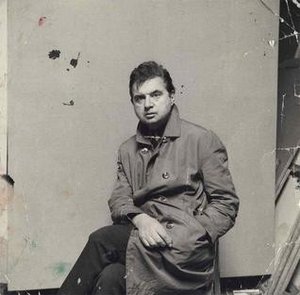
Francis Bacon
1909 - 1992 , irlanda
Datos clave
- Artistas Que Influyeron:
- Pablo Picasso
- Egon Schiele
- Diego Velázquez
- Fecha De Muerte: 28 de abril de 1992
- Fecha De Nacimiento: 28 de octubre de 1909
- Influencia En Artistas:
- Adrian Ghenie
- Robert Priseman
- Lugar De Nacimiento: Dublín, Irlanda
- Movimiento Artístico: Expresionismo, Figurativo
- Nacionalidad: Irlandés-Británico
- Nombre Completo: Francis Bacon
- Obras Notables:
- Tres estudios para una crucifixión
- Retrato de Isabel Rawsthorne
- Estudio tras Velázquez
- Autorretrato, espejo
Artículos relacionados
Francis Bacon: Las 25 Obras Maestras del Expresionismo y su Impacto en el Arte Moderno
Explora las 25 obras maestras de Francis Bacon, el expresionismo visceral y la angustia humana. Descubre retratos icónicos, trípticos impactantes y su legado en el arte moderno. Reproducciones de museo en OriginalUniqueArt.com.

Abstracción Geométrica: 10 Obras Maestras que Transformaron el Arte Moderno | OriginalUniqueArt
Descubre las 10 obras maestras de la abstracción geométrica que revolucionaron el arte moderno. Explora a Mondrian, Malevich y Kandinsky en OriginalUniqueArt.com. Reproducciones de alta calidad para tu hogar.

Expresionismo Abstracto: 10 Obras Maestras que Transformaron el Arte |
Descubre las 10 obras maestras del Expresionismo Abstracto: Pollock, Rothko y más. Explora la historia, técnica y significado de estos lienzos icónicos. Reproducciones de arte exclusivas en .

Kandinsky: Las 25 Obras Maestras del Pionero de la Abstracción | OriginalUniqueArt
Descubre las 25 obras maestras de Wassily Kandinsky, pionero del arte abstracto. Explora su expresionismo, composiciones únicas y la historia detrás de cada cuadro. Reproducciones de alta calidad para decorar tu hogar con arte moderno en OriginalUniqueArt.com.
Lucian Freud: A Psychological Portraiture of Post-War Existence
Explore the profound psychological depth of Lucian Freud's portraits. Discover his unique realism, artistic evolution, and lasting influence on modern art. A collector’s guide to a master.



