 Vista previa
 Compartir
 Compartir
 Ver detalles

 Descargar
 Ver similares
 Radiografía
 Presentación de diapositivas
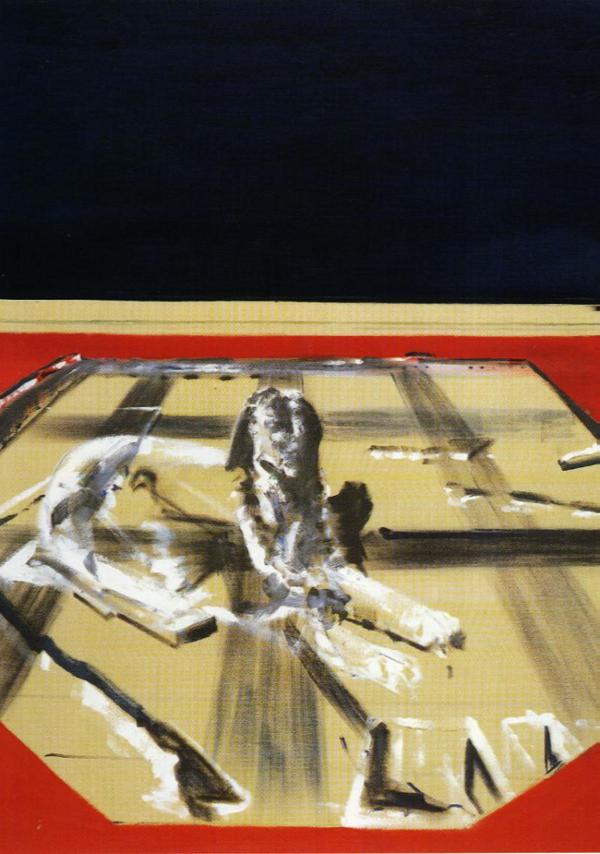
sphinx ii, 1952


 Leer más
Giclée / Impresión de arte
Impresiones giclée o en lienzo de calidad de museo con producción rápida y opciones de acabado flexibles. ( Encargar reproducción pintada a mano Comprar descarga)




P118B $10

P118H $10

P118W $10

P438Z $10

P508JH $12

P508YH $12

P805H $10

P805Z $10

P919BZ $10

P919G $10

P919XJ $10

P959ZH $10

P968JZ $12

W106C $8

W218G $10

W218JH $8

W218Y $10

W307PJ $10

W316G $10

W316PJ $8

W316Y $10

W398PJ $8

W4111J $10

W500HY $15

W500JH $15

W692G $12

W849H $8

W940BG $15

W953PJ $8




Elija entre nuestros tamaños predefinidos que respetan las proporciones originales de la obra.

Puede introducir sus propias dimensiones para adaptarse a un marco o espacio específico. Si el tamaño seleccionado no coincide con las proporciones de la imagen original, recortaremos la obra de arte o extenderemos la imagen con un borde con efecto espejo o de color sólido. Se enviará una maqueta digital para su aprobación antes de que comience la producción.
Tenga en cuenta que la vista previa en pantalla no refleja el recorte o la extensión real. Solo la maqueta mostrará con precisión la composición final.
Aunque existen tamaños personalizados, recomendamos seleccionar una dimensión de la lista predefinida para preservar las proporciones originales.
Envío a todo el mundo () en 2 semanas en lugar de las 4/5 semanas estándar. (17 agosto)

Envío exprés gratuito a todo el mundo

Lienzo de lino de alta calidad

Seguro de envío completo

Garantía de reembolso de aranceles aduaneros

Garantía de fidelidad cromática exacta

Política de devolución de 60 días (solo por defectos)

Garantía de devolución del 100% del dinero

Oferta por volumen
 La opción de vidrio solo está disponible en tamaños inferiores a 110 cm.

sphinx ii, 1952
Giclée / Impresión de arte
Tamaño de la reproducción
-


Precio total
$ 80
Descripción de la pieza
The Echoes of a Fractured Era
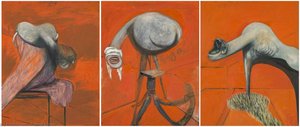
In the shadow of a world recovering from the devastation of World War II, Francis Bacon’s Sphinx II (1952) emerges as a haunting resonance of collective trauma. This was an era defined by the creeping anxieties of the burgeoning Cold War, a time when the intellectual elite of Europe grappled with profound existential uncertainty. Within this canvas, Bacon does not merely paint a figure; he captures the very essence of a psychological landscape in descent. The work serves as a visceral testament to the human condition during a period of unprecedented tension, translating the invisible tremors of political and social instability into a tangible, harrowing visual experience that continues to unsettle and captivate the modern viewer.A Descent into Distortion
The composition of Sphinx II is an arresting study in psychological intensity, where the boundaries between the physical body and emotional state begin to blur. At its heart lies a figure seated upon the floor, rendered with a grotesque distortion that defies traditional representation. A skull-like visage dominates the upper reaches of the frame, while limbs appear contorted and fragmented, as if the very concept of physical integrity is dissolving before our eyes. This sense of disintegration is amplified by the stark, crimson background—a hue that acts as both an emotional catalyst and a visual anchor. The deep red does not merely surround the subject; it presses against it, creating a claustrophobic atmosphere that evokes feelings of fear, anguish, and profound vulnerability. Through his Expressionist lens, Bacon eschews the comfort of perspective to prioritize the raw, unadulterated truth of human emotion.The Architecture of Agony
Bacon’s technical mastery lies in his ability to make the medium itself part of the narrative. Eschewing conventional brushwork, he utilized palette knives to apply thick, sculptural layers of impasto directly onto the canvas. This deliberate rejection of smoothness results in a surface that is violently textured, mirroring the internal turmoil of the subject. The paint possesses a palpable physicality, where every ridge and furrow of color contributes to the sense of movement and decay. By employing a reductive palette—primarily focused on the dramatic interplay between black and red—Bacon strips away all unnecessary distraction, leaving only the essential, jarring elements of his vision. For the discerning collector or interior designer, this intense texture offers a profound depth that makes a high-quality reproduction feel like a living, breathing entity within a curated space.A Timeless Mystery for the Modern Collector
Beyond its immediate visual shock, Sphinx II invites a deeper, more introspective engagement. The title itself alludes to the enigmatic nature of the Sphinx—a riddle that remains unsolved. This sense of mystery makes the piece an extraordinary centerpiece for those seeking art that provokes thought and conversation. Whether placed in a contemporary gallery setting or as a bold, dramatic statement in a sophisticated residential interior, the painting’s ability to evoke introspection is unparalleled. It is more than a depiction of a figure; it is an invitation to confront the complexities of the human psyche, making it an enduring icon for any collection dedicated to the transformative power of 20th-century Expressionism.Biografía del artista
**vida temprana y carrera**
francis bacon, un pintor figurativo irlandés nacido en Gran Bretaña, nació el 28 de octubre de 1909 en Dublín, Irlanda. Su vida temprana estuvo marcada por una serie de traslados debido a la búsqueda de su familia de un clima adecuado para la salud de su madre. Esta infancia itinerante influiría más tarde en el enfoque artístico de Bacon.**estilo artístico y temas**
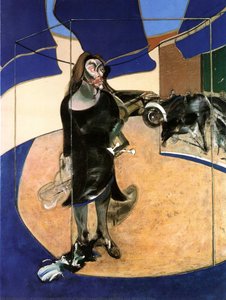
Bacon es conocido por sus imágenes audaces, emocionalmente cargadas y a menudo grotescas. Sus figuras abstractas suelen estar aisladas en espacios geométricos y similares a jaulas, contra fondos planos e indiferentes. Este estilo único ha sido tanto elogiado como criticado por los críticos de arte.- retrato de isabel rawsthorne de pie en la calle Soho, una obra seminal que muestra la capacidad de Bacon para capturar la esencia de sus sujetos en un entorno aparentemente abstracto.
- número vii de ocho estudios para un retrato, ejemplificando la exploración del artista sobre la forma humana a través de una serie de estudios.
**influencias y legado**
La obra de Bacon ha sido influenciada por diversas fuentes, incluyendo los autorretratos de margarita helena vieira da silva y el expresionismo abstracto de piet mondrian. Su legado continúa inspirando a nuevas generaciones de artistas, con su estilo audaz e innegable siendo un pilar fundamental del arte moderno.**exposiciones notables y colecciones**
- la sociedad del museo de arte fino (Reino Unido, que ha exhibido las obras de Bacon junto con otras artistas británicas destacadas. - la galería nacional (Noruega, presentando una colección exhaustiva del arte europeo, incluyendo obras de Bacon. **obras clave y colecciones:** - francis bacon: retrato de isabel rawsthorne de pie en la calle Soho - francis bacon: número vii de ocho estudios para un retrato **museos y galerías de arte:** - la sociedad del museo de arte fino (Reino Unido - la galería nacional (Noruega**conclusión**
La vida turbulenta y el enfoque innovador de Francis Bacon en la pintura figurativa han dejado una marca indeleble en el mundo del arte. Su legado, caracterizado por imágenes audaces y emocionalmente cargadas, continúa influyendo a los artistas contemporáneos e intrigando al público. **lecturas recomendadas:** - biografía de francis bacon - wikipedia: francis bacon (artista)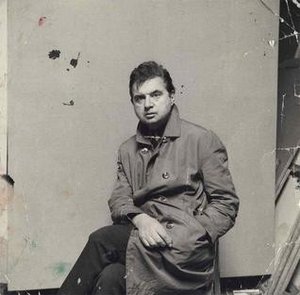
Francis Bacon
1909 - 1992 , irlanda
Datos clave
- Artistas Que Influyeron:
- Pablo Picasso
- Egon Schiele
- Diego Velázquez
- Fecha De Muerte: 28 de abril de 1992
- Fecha De Nacimiento: 28 de octubre de 1909
- Influencia En Artistas:
- Adrian Ghenie
- Robert Priseman
- Lugar De Nacimiento: Dublín, Irlanda
- Movimiento Artístico: Expresionismo, Figurativo
- Nacionalidad: Irlandés-Británico
- Nombre Completo: Francis Bacon
- Obras Notables:
- Tres estudios para una crucifixión
- Retrato de Isabel Rawsthorne
- Estudio tras Velázquez
- Autorretrato, espejo
Artículos relacionados
Francis Bacon: Las 25 Obras Maestras del Expresionismo y su Impacto en el Arte Moderno
Explora las 25 obras maestras de Francis Bacon, el expresionismo visceral y la angustia humana. Descubre retratos icónicos, trípticos impactantes y su legado en el arte moderno. Reproducciones de museo en OriginalUniqueArt.com.
The Existential Anguish of Francis Bacon: Trauma, Form & the Post-War Condition
Explore the profound existential anguish of Francis Bacon's art. Discover how trauma shaped his iconic paintings & lasting influence on modern expressionism. A guide for discerning collectors.

Más Allá de la Realidad Tangible: Surrealismo y Expresionismo en el Arte del Siglo XX
Descubre el expresionismo y surrealismo en profundidad. Análisis de artistas clave, obras maestras y su impacto en el arte moderno. Explora la angustia, el inconsciente y la revolución artística del siglo XX con OriginalUniqueArt.
John Francis Sartorius II: Equestrian Elegance & the Rise of British Portraiture
Explore the captivating world of Francis Sartorius II (1734-1804), a leading British painter renowned for his exquisite equestrian portraits and hunting scenes. Discover his life, techniques & enduring legacy.
René Magritte: Las 25 Obras Maestras del Surrealismo para Inspirar tu Hogar
Descubre las 25 obras maestras de René Magritte, el rey del surrealismo. Explora su arte moderno, significado oculto y técnica única. Encuentra reproducciones de alta calidad e inspira tu hogar con OriginalUniqueArt.com.