
 Vista previa
 Compartir
 Compartir
 Ver detalles

 Descargar
 Ver similares
 Radiografía
 Presentación de diapositivas
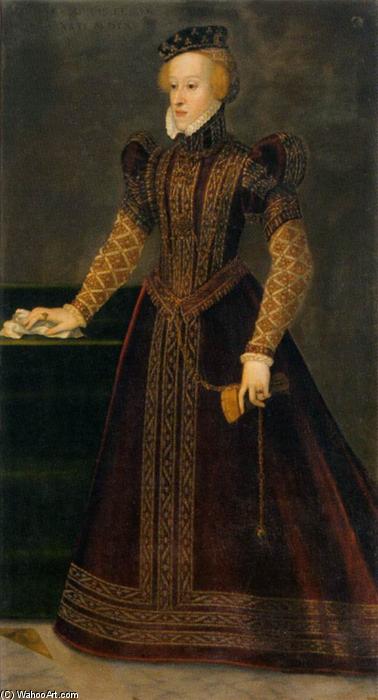
Archduchess Barbara


 Leer más
Reproducción al óleo hecha a mano
Óleo sobre lienzo pintado a mano en el tamaño y marco de su elección, realizado por encargo por nuestros artistas. ( Pedir impresión Comprar descarga)




































Elija entre nuestros tamaños predefinidos que respetan las proporciones originales de la obra.

Puede ingresar sus propias dimensiones para adaptarse a un marco o espacio específico. Si el tamaño seleccionado no coincide con las proporciones de la imagen original, recortaremos la obra o extenderemos la pintura con elementos adicionales pintados a mano. Se le enviará una maqueta digital para su aprobación antes de comenzar la producción.
Tenga en cuenta que la vista previa en pantalla no refleja el recorte o la extensión reales. Solo la maqueta mostrará con precisión la composición final.
Si bien existen tamaños personalizados, recomendamos seleccionar una dimensión de la lista predefinida para preservar las proporciones originales.
Tras realizar el pedido, el equipo de OriginalUniqueArt.com enviará un correo electrónico al cliente para solicitar instrucciones y proporcionarle una vista previa del boceto.
Envío a todo el mundo () en 3-4 semanas en lugar de las 5 semanas estándar. (14 agosto). Sin comprometer la calidad.

Envío exprés gratuito a todo el mundo

Lienzo de lino de alta calidad

Seguro de envío completo

Garantía de reembolso de aranceles aduaneros

Garantía de fidelidad cromática exacta

Política de devolución de 60 días (solo por defectos)

Garantía de devolución del 100% del dinero

Oferta por volumen
 La opción de vidrio solo está disponible en tamaños inferiores a 110 cm.

Archduchess Barbara
Técnica de reproducción
Tamaño de la reproducción
-


Precio total
$ 300
Biografía del artista
Francesco Terzio: A Renaissance Painter Caught Between Tradition and Innovation
Francesco Terzio (ca. 1523 – August 20, 1591) stands as a fascinating figure in the artistic landscape of the Italian Renaissance, embodying both adherence to established stylistic conventions and a burgeoning exploration of expressive potential. Born in Bergamo, Italy, he emerged from a milieu steeped in humanist scholarship and artistic patronage—a context that profoundly shaped his oeuvre and cemented his place within the broader narrative of European art history. His formative years coincided with the zenith of Mannerism, a movement characterized by elongated figures, stylized poses, and an emphasis on illusionistic effects, yet Terzio skillfully navigated these currents, forging a distinctive visual language that distinguishes him from many of his contemporaries.- Early Training & Influences: Terzio’s artistic education began under Giovanni Battista Moroni, a sculptor renowned for his masterful depiction of human anatomy and emotional depth. Moroni instilled in Terzio a meticulous attention to detail and a commitment to capturing the essence of human experience—principles that would permeate his subsequent works. This influence is particularly evident in his early paintings, which demonstrate a remarkable command of chiaroscuro and a sensitivity to sculptural modeling.
- Notable Commissions & Artistic Style: Terzio’s career gained considerable momentum through commissions from prominent patrons, including Emperor Maximilian II in Vienna and Archduke Ferdinand II. These engagements allowed him to hone his skills and experiment with innovative techniques—most notably his monumental frescoes adorning Schloss Ambras, Innsbruck. His style is marked by a harmonious blend of Mannerist elegance and Renaissance realism, achieved through masterful use of color palettes and compositional arrangements. The artist’s penchant for capturing psychological nuance—particularly in portraits—established him as one of the foremost portraitists of his era.
- The Habsburg Court & Artistic Legacy: Terzio's prolonged association with the Habsburg court proved pivotal to his artistic development and solidified his reputation as a royal painter. He produced a prolific series of portraits documenting the imperial family, capturing their likenesses with remarkable accuracy and conveying subtle expressions of emotion. Furthermore, Terzio’s involvement in the creation of engravings for Maximilian II’s dynastic history showcased his versatility and contributed significantly to disseminating his artistic vision across Europe.
- Religious Art & Artistic Vision: Among Terzio's most celebrated achievements are two paintings commissioned for San Francesco di Paola in Bergamo—a Nativity scene and an Assumption of the Virgin. These works exemplify Terzio’s dedication to religious iconography, reflecting the humanist ideals prevalent during his time while simultaneously embracing Mannerist stylistic conventions. The artist’s meticulous attention to detail and expressive use of color underscore his profound understanding of artistic principles.
- Recognition & Historical Significance: Francesco Terzio's legacy extends beyond his individual artworks; he served as a visionary Jesuit writer and engineer, demonstrating intellectual curiosity alongside artistic talent. His engravings after drawings—particularly those depicting the Habsburg monarchs—became invaluable instruments for documenting imperial history and shaping public perception. Today, Terzio’s paintings continue to inspire admiration for their technical brilliance and emotional resonance, securing his place as an enduring symbol of Renaissance artistry.

Francesco Terzio
1523 - 1591 , Italia
Datos clave
- Artistic Movement Or Style: Renacimiento Pintura
- Artists Or Movements Influenced By This Artist: ['Carlos V']
- Artists Who Influenced This Artist: ['Giovanni Battista Moroni']
- Date Of Birth: ca. 1523
- Date Of Death: 1591
- Full Name: Francesco Terzio
- Nationality: Italiano
- Notable Artworks:
- Natividad
- Ascensión
- Place Of Birth: Bergamo, Italia

