Vista previa
 Compartir
 Compartir
 Ver detalles

 Descargar
 Ver similares
 Radiografía
 Presentación de diapositivas
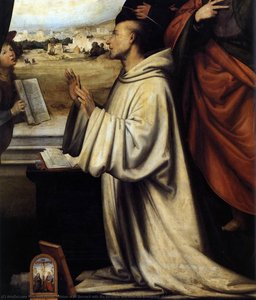
Prophet Isaiah
 Oil On Canvas
- WallArt
- High Renaissance
 1516
1516 168.0 x 108.0 cm
 Galería de la Academia de Florencia
 Leer más
Giclée / Impresión de arte
Impresiones giclée o en lienzo de calidad de museo con producción rápida y opciones de acabado flexibles. ( Cambiar a pintura hecha a mano Cambiar a imagen)




P118B $10

P118H $10

P118W $10

P438Z $10

P508JH $12

P508YH $12

P805H $10

P805Z $10

P919BZ $10

P919G $10

P919XJ $10

P959ZH $10

P968JZ $12

W106C $8

W218G $10

W218JH $8

W218Y $10

W307PJ $10

W316G $10

W316PJ $8

W316Y $10

W398PJ $8

W4111J $10

W500HY $15

W500JH $15

W692G $12

W849H $8

W940BG $15

W953PJ $8




Elija entre nuestros tamaños predefinidos que respetan las proporciones originales de la obra.

Puede introducir sus propias dimensiones para adaptarse a un marco o espacio específico. Si el tamaño seleccionado no coincide con las proporciones de la imagen original, recortaremos la obra de arte o extenderemos la imagen con un borde con efecto espejo o de color sólido. Se enviará una maqueta digital para su aprobación antes de que comience la producción.
Tenga en cuenta que la vista previa en pantalla no refleja el recorte o la extensión real. Solo la maqueta mostrará con precisión la composición final.
Aunque existen tamaños personalizados, recomendamos seleccionar una dimensión de la lista predefinida para preservar las proporciones originales.
Envío a todo el mundo () en 2 semanas en lugar de las 4/5 semanas estándar. (11 agosto)

Envío exprés gratuito a todo el mundo

Lienzo de lino de alta calidad

Seguro de envío completo

Garantía de reembolso de aranceles aduaneros

Garantía de fidelidad cromática exacta

Política de devolución de 60 días (solo por defectos)

Garantía de devolución del 100% del dinero

Oferta por volumen
 La opción de vidrio solo está disponible en tamaños inferiores a 110 cm.

Prophet Isaiah
Giclée / Impresión de arte
Tamaño de la reproducción
-


Precio total
$ 80
Descripción de la pieza
A Vision of Prophetic Resolve: Fra Bartolomeo’s Prophet Isaiah
Fra Bartolomeo's “Prophet Isaiah,” painted in 1516, is more than just a portrait; it’s a profound meditation on faith, divine judgment, and the enduring spirit of resistance. Captured within the confines of a panel measuring 168 x 108 cm, this work transports us to a moment of intense contemplation, a visual echo of Isaiah's prophetic burden. The painting immediately draws the eye to the central figure – a man radiating an almost austere authority, his gaze fixed on a distant horizon. He’s not merely pointing; he’s embodying a connection between the earthly realm and the divine, a conduit for God’s word.
The artist masterfully employs the High Renaissance style, a period characterized by its harmonious balance of realism and idealism. Bartolomeo's meticulous attention to detail is evident in every aspect of the composition: the richly textured folds of the prophet’s robe, the subtle gradations of light and shadow that sculpt his face, and the carefully rendered background – a landscape hinting at both promise and impending doom. The use of oil paint allows for incredible depth and luminosity, creating an atmosphere of solemnity and spiritual weight.
The Historical Context: Faith in Turbulent Times
To fully appreciate “Prophet Isaiah,” it’s crucial to understand the historical context in which it was created. 1516 marked a period of significant religious and political upheaval in Europe, dominated by the rise of humanism and the anxieties surrounding the Reformation. Fra Bartolomeo, a Dominican friar deeply influenced by the teachings of Savonarola, navigated this complex landscape with a profound sense of faith and artistic integrity. The painting reflects this spiritual climate – a call to vigilance against worldly temptations and a reaffirmation of God’s unwavering judgment.
The figure is believed to be referencing Isaiah 12:2, “Fair Maiden Zion despises you, She mocks at you; Fair Jerusalem shakes Her head at you.” This verse speaks of the impending destruction of Jerusalem but also holds a glimmer of hope for its eventual restoration. The prophet’s posture and gaze suggest he's not merely lamenting this fate but actively confronting it with unwavering faith.
Symbolism and Artistic Technique
Bartolomeo’s skill lies not only in his technical proficiency but also in his ability to imbue the painting with layers of symbolic meaning. The prophet’s attire, a simple tunic and cloak, underscores his humility and dedication to God's service. The tablet he holds, inscribed with a biblical passage, serves as a visual reminder of his prophetic role – a messenger of divine truth. Notice also the subtle details in the background: the distant landscape, rendered in muted tones, evokes a sense of vastness and uncertainty, mirroring the challenges faced by the prophet and his people.
The composition itself is carefully constructed to draw the viewer’s eye towards the central figure. The use of perspective creates a sense of depth and spatial awareness, while the pyramidal arrangement of figures reinforces the painting's stability and authority. Bartolomeo’s masterful handling of drapery adds dynamism and movement to the scene, further enhancing its visual impact.
A Legacy of Spiritual Resonance
“Prophet Isaiah” remains a powerful testament to the enduring legacy of Fra Bartolomeo's artistic vision. It is a painting that invites contemplation, prompting viewers to reflect on themes of faith, judgment, and redemption. Reproductions of this masterpiece capture its essence, offering a window into a world of spiritual intensity and artistic brilliance. Its timeless appeal continues to resonate with art lovers and collectors alike, solidifying its place as a cornerstone of the High Renaissance.
Biografía del artista
Vida Temprana y Formación (1472-1499)
- Nacimiento: Baccio della Porta, el 28 de marzo de 1472, en Savignano di Prato, Toscana.
- Apodo: Recibió el apodo de "Baccio della Porta" debido a la proximidad de su casa a la Puerta de San Pier Gattolini.
- Aprendizaje: En 1483 o 1484, comenzó un aprendizaje en el taller de Cosimo Rosselli, un prominente pintor florentino conocido por sus frescos. Esta formación fundamental lo expuso a las técnicas y estilos artísticos del Renacimiento.
- Colaboración con Mariotto Albertinelli: Desde 1490 o 1491, Fra Bartolomeo colaboró estrechamente con Mariotto Albertinelli, otro artista florentino. Su asociación resultó en comisiones compartidas y un intercambio mutuo de ideas artísticas.
Influencia de Savonarola y Conversión Religiosa (1498-1503)
- Influencia Savaronolana: A finales de la década de 1490, Fra Bartolomeo fue profundamente influenciado por los sermones y las enseñanzas de Fra Girolamo Savonarola. La denuncia de Savonarola de lo que consideraba un arte contemporáneo vano y corrupto impactó significativamente la perspectiva artística de Bartolomeo.
- Retrato de Savonarola: Una obra clave de este período es su famoso retrato de Savonarola (1498), ahora alojado en el Museo Nazionale di San Marco, Florencia. Esta pintura sigue siendo una representación visual significativa del reformador.
- Fraile Dominico: En 1500, profundamente afectado por las enseñanzas de Savonarola, Bartolomeo renunció a la pintura y se convirtió en fraile dominico en el Convento de San Marco. Permaneció en este estado durante varios años, dedicándose a la vida religiosa.
Retorno a la Pintura y Estilo del Alto Renacimiento (1504-1517)
- Reanudación de la Pintura: En 1504, a petición de sus superiores, Fra Bartolomeo retomó la pintura, convirtiéndose en jefe del taller del monasterio.
- Visión de San Bernardo: Una obra clave de este período es la "Visión de San Bernardo" (1507), que ejemplifica su estilo idealizado del Alto Renacimiento en desarrollo. Esta pieza, aunque ahora se encuentra en malas condiciones, fue muy influyente e impresionó reportedly a un joven Rafael.
- Amistad con Rafael: Bartolomeo formó una estrecha amistad con Rafael durante la visita del artista a Florencia. Se influenciaron mutuamente; Bartolomeo aprendió perspectiva de Rafael, mientras que él impartió habilidades en el coloreado y el drapeado al artista más joven.
- Desarrollo del Estilo: Su estilo evolucionó, incorporando elementos de la luz y sus efectos sobre las formas, probablemente inspirado por la influencia de Rafael. Se le conoce por sus figuras pequeñas, elegantemente vestidas, y su hábil uso de la luz y la sombra.
Obras Principales y Contribuciones Artísticas
- Retablos: Fra Bartolomeo produjo numerosos retablos a lo largo de su carrera, incluyendo obras encargadas en Venecia (Santa María Magdalena y Santa Catalina de Siena), Lucca (Madonna y Niño con Santos) y Besançon (retablo para la catedral).
- Frescos: Creó frescos para varios lugares, incluido el convento dominico de Pian di Mugnone cerca de Fiesole.
- Primeros Bocetos de Paisaje: Fra Bartolomeo es reconocido como un pionero en el arte del paisaje, produciendo algunos de los primeros bocetos de paisajes puros de Italia. Estos dibujos demuestran un interés temprano en capturar el paisaje natural.
- Fresco Noli Me Tangere: Su obra final fue un fresco de "Noli Me Tangere" (No me toques) también en Pian di Mugnone.
Legado y Significado Histórico
- Influencia sobre Rafael: La influencia de Fra Bartolomeo sobre Rafael es innegable, contribuyendo al desarrollo del arte del Alto Renacimiento.
- Pionero en el Arte del Paisaje: Sus bocetos de paisajes se consideran innovadores para su época, anticipando desarrollos posteriores en la pintura de paisajes.
- Devoción Religiosa y Expresión Artística: Combinó de manera única una profunda devoción religiosa con habilidad artística, creando obras que sirvieron tanto a propósitos espirituales como estéticos.
- Transición del Primer al Alto Renacimiento: La carrera de Fra Bartolomeo representa una transición del estilo florentino anterior hacia las formas idealizadas y las composiciones equilibradas del Alto Renacimiento.
- Muerte: Murió en Florencia el 31 de octubre de 1517.
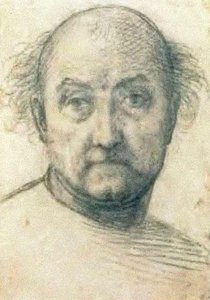
Fra Bartolommeo
1472 - 1517 , Italia
Datos clave
- Artistas Influyentes:
- Cosimo Rosselli
- Raphael
- Fecha De Fallecimiento: 31 de octubre de 1517
- Fecha De Nacimiento: 28 de marzo de 1472
- Influenciado A Artistas: ['Raphael']
- Lugar De Nacimiento: Prato, Italia
- Movimiento Artístico: Alto Renacimiento
- Nacionalidad: Italiana
- Nombre Completo: Fra Bartolommeo
- Obras Notables:
- Visión de San Bernardo
- Retrato de Savonarola
Artículos relacionados
Fra Angelico: Las 25 Obras Maestras del Renacimiento para Decorar con Arte y Fe
Descubre las 25 obras maestras de Fra Angelico, el pintor renacentista que llenó el arte sacro de luz y fe. Explora su técnica, simbolismo y belleza en frescos e iconos. Encuentra reproducciones de alta calidad para decorar tu hogar con OriginalUniqueArt.com.
Mastering the Surface: A Historical and Technical Guide to the Art of Oil on Panel Painting
Explore the profound history and technical brilliance of oil on panel painting. From Renaissance masters to modern techniques, discover why this rigid support offers unparalleled precision and permanence for fine art lovers and collectors.
Las 10 Obras Maestras al Óleo sobre Panel que Transformaron la Historia del Arte |
Descubre las 10 obras maestras al óleo sobre panel que revolucionaron la historia del arte. Explora a Jan van Eyck, Botticelli y otros genios renacentistas. Reproducciones de arte exclusivas en para transformar tu hogar.
Oil on Panel: A Historical Survey of Technique, Support & Aesthetic Evolution
Explore the rich history of oil on panel painting! Discover Renaissance techniques, support structures & aesthetic evolution. Expert insights for art collectors and enthusiasts.

Mastering the Surface: The Timeless Elegance and Technical Brilliance of Oil on Panel Painting
Discover the enduring allure of oil on panel painting. Explore the technical mastery, historical significance, and luminous depth that define this prestigious medium, from Renaissance masters to modern fine art reproductions for discerning collectors.