
 Ver en contexto
 Enviar
 Compartir
 Detalles
 Guía
Guía

 Descargar
 Similares
 Radiografía
 Presentación de diapositivas
 Q&A
Q&A Estadísticas
Christ Crowned with Thorns

- 52.0 x 37.0 cm


 Ver más
Giclée / Impresión de arte
Impresiones giclée o en lienzo de calidad de museo con producción rápida y opciones de acabado flexibles. ( Comprar pintura hecha a mano Cambiar a imagen digital)




P118B €10

P118H €10

P118W €10

P438Z €10

P508JH €12

P508YH €12

P805H €10

P805Z €10

P919BZ €10

P919G €10

P919XJ €10

P959ZH €10

P968JZ €12

W106C €8

W218G €10

W218JH €8

W218Y €10

W307PJ €10

W316G €10

W316PJ €8

W316Y €10

W398PJ €8

W4111J €10

W500HY €15

W500JH €15

W692G €12

W849H €8

W940BG €15

W953PJ €8




Elija entre nuestros tamaños predefinidos que respetan las proporciones originales de la obra.

Introduzca el ancho y el alto que necesite para adaptarse a su marco o pared. Una impresión solo puede recortarse, nunca hacerse más grande que la imagen original, por lo que un tamaño con una forma distinta perderá parte de la obra. Le enviaremos una maqueta digital para su aprobación antes de realizar cualquier impresión. La imagen que se muestra en esta página no refleja el recorte real; solo la maqueta lo hace.
Envío a todo el mundo () en 2 semanas en lugar de las 4/5 semanas estándar. (1 noviembre)

Envío exprés gratuito a todo el mundo

Lienzo de lino de alta calidad

Seguro de envío total

Garantía de reembolso de aranceles aduaneros

Garantía de fidelidad cromática exacta

Política de devolución de 100 días (solo por defectos)

Garantía de devolución del 100% del dinero

Descuento por cantidad
 La opción de vidrio solo está disponible en tamaños inferiores a 110 cm.

Christ Crowned with Thorns
Giclée / Impresión de arte
Dimensiones de la reproducción
-


Precio total final
€ 71
A Study in Serene Suffering
In the quiet corridors of the Museo Nazionale di San Marco in Florence, there exists a painting that transcends the mere depiction of a biblical moment to become an intimate encounter with the divine. Fra Bartolomeo’s Christ Crowned with Thorns is not simply a record of the Passion; it is a profound meditation on dignity amidst degradation. Completed around 1507, this masterpiece captures the pivotal moment of Christ's humiliation following his arrest in Jerusalem, yet it avoids the chaotic violence often associated with such scenes. Instead, the viewer is met with an ethos of spiritual introspection and a quiet, unwavering fortitude that resonates through the centuries.
The subject matter focuses on the iconic narrative of the Passion, where Jesus is subjected to the mockery of Roman soldiers. However, Bartolomeo directs our attention away from the external cruelty and toward the internal state of the Savior. The composition is centered on a close-up portrait that draws the eye upward, inviting a contemplative gaze. There is a striking contrast between the violent intent suggested by the crown of thorns and the serene, almost melancholic expression on Christ's face. This juxtaposition serves as a powerful symbol of his sacrifice, suggesting a soul that remains untouched by the physical torment inflicted upon it.
Mastery of Light and Sfumato
Technically, the work is a triumph of High Renaissance portraiture, showcasing Bartolomeo’s commitment to anatomical accuracy and naturalistic observation. The artist employs sfumato—a technique famously pioneered by Leonardo da Vinci—to achieve a remarkable tonal subtlety. By layering thin glazes of oil paint on the panel, he creates a surface that possesses a velvety texture, where edges are softened and shadows emerge with a gentle, breathing quality. This meticulous approach allows for a delicate transition between light and dark, lending a three-dimensional depth to the facial features.
The lighting within the piece is soft and diffused, appearing to emanate from an unseen source above the figure. This illumination highlights the brow and cheekbones of Christ, casting gentle shadows that define the organic contours of his face. Such careful manipulation of light does more than just create form; it imbues the portrait with a sense of sanctity. The shallow perspective keeps the viewer locked in an intimate space with the subject, making the emotional weight of the painting feel immediate and personal rather than distant or historical.
A Legacy of Spiritual Devotion
To understand the soul of this painting, one must consider the turbulent era in which it was born. Painted during a time when Florence was under the fervent influence of Savonarola’s crusade against artistic excess, Bartolomeo’s work reflects a deep-seated spiritual conviction. As a painter whose workshop was shaped by these religious shifts, he sought to convey a solemn reverence for iconography, moving away from perceived decadence toward a more disciplined and pious representation of the sacred.
For the collector or the lover of fine art, Christ Crowned with Thorns offers more than just aesthetic beauty; it offers an emotional sanctuary. The painting’s ability to balance the heavy symbolism of the thorns with the lightness of a peaceful countenance makes it a profound piece for any collection. It serves as a reminder of the strength found in stillness and the enduring power of faith, making it an inspiring centerpiece for those who appreciate art that speaks to the deepest reaches of the human spirit.
Preguntas y respuestas
¿Para qué se recomienda una reproducción de "Christ Crowned with Thorns" de Fra Bartolommeo?
Se recomienda una reproducción de "Christ Crowned with Thorns" de Fra Bartolommeo para Accent, basándose en el tema, la atmósfera y los colores de la obra.
¿Cuál es la atmósfera general de "Christ Crowned with Thorns" de Fra Bartolommeo?
"Christ Crowned with Thorns" transmite una atmósfera Serene.
¿A qué se debe el estado de los derechos de autor de "Christ Crowned with Thorns"?
"Christ Crowned with Thorns" de Fra Bartolommeo es de en el dominio público: sus derechos de autor han expirado. La vigencia de los derechos de autor se cuenta a partir del fallecimiento del artista, que tuvo lugar en 1517.
Biografía del artista
Vida Temprana y Formación (1472-1499)
- Nacimiento: Baccio della Porta, el 28 de marzo de 1472, en Savignano di Prato, Toscana.
- Apodo: Recibió el apodo de "Baccio della Porta" debido a la proximidad de su casa a la Puerta de San Pier Gattolini.
- Aprendizaje: En 1483 o 1484, comenzó un aprendizaje en el taller de Cosimo Rosselli, un prominente pintor florentino conocido por sus frescos. Esta formación fundamental lo expuso a las técnicas y estilos artísticos del Renacimiento.
- Colaboración con Mariotto Albertinelli: Desde 1490 o 1491, Fra Bartolomeo colaboró estrechamente con Mariotto Albertinelli, otro artista florentino. Su asociación resultó en comisiones compartidas y un intercambio mutuo de ideas artísticas.
Influencia de Savonarola y Conversión Religiosa (1498-1503)
- Influencia Savaronolana: A finales de la década de 1490, Fra Bartolomeo fue profundamente influenciado por los sermones y las enseñanzas de Fra Girolamo Savonarola. La denuncia de Savonarola de lo que consideraba un arte contemporáneo vano y corrupto impactó significativamente la perspectiva artística de Bartolomeo.
- Retrato de Savonarola: Una obra clave de este período es su famoso retrato de Savonarola (1498), ahora alojado en el Museo Nazionale di San Marco, Florencia. Esta pintura sigue siendo una representación visual significativa del reformador.
- Fraile Dominico: En 1500, profundamente afectado por las enseñanzas de Savonarola, Bartolomeo renunció a la pintura y se convirtió en fraile dominico en el Convento de San Marco. Permaneció en este estado durante varios años, dedicándose a la vida religiosa.
Retorno a la Pintura y Estilo del Alto Renacimiento (1504-1517)
- Reanudación de la Pintura: En 1504, a petición de sus superiores, Fra Bartolomeo retomó la pintura, convirtiéndose en jefe del taller del monasterio.
- Visión de San Bernardo: Una obra clave de este período es la "Visión de San Bernardo" (1507), que ejemplifica su estilo idealizado del Alto Renacimiento en desarrollo. Esta pieza, aunque ahora se encuentra en malas condiciones, fue muy influyente e impresionó reportedly a un joven Rafael.
- Amistad con Rafael: Bartolomeo formó una estrecha amistad con Rafael durante la visita del artista a Florencia. Se influenciaron mutuamente; Bartolomeo aprendió perspectiva de Rafael, mientras que él impartió habilidades en el coloreado y el drapeado al artista más joven.
- Desarrollo del Estilo: Su estilo evolucionó, incorporando elementos de la luz y sus efectos sobre las formas, probablemente inspirado por la influencia de Rafael. Se le conoce por sus figuras pequeñas, elegantemente vestidas, y su hábil uso de la luz y la sombra.
Obras Principales y Contribuciones Artísticas
- Retablos: Fra Bartolomeo produjo numerosos retablos a lo largo de su carrera, incluyendo obras encargadas en Venecia (Santa María Magdalena y Santa Catalina de Siena), Lucca (Madonna y Niño con Santos) y Besançon (retablo para la catedral).
- Frescos: Creó frescos para varios lugares, incluido el convento dominico de Pian di Mugnone cerca de Fiesole.
- Primeros Bocetos de Paisaje: Fra Bartolomeo es reconocido como un pionero en el arte del paisaje, produciendo algunos de los primeros bocetos de paisajes puros de Italia. Estos dibujos demuestran un interés temprano en capturar el paisaje natural.
- Fresco Noli Me Tangere: Su obra final fue un fresco de "Noli Me Tangere" (No me toques) también en Pian di Mugnone.
Legado y Significado Histórico
- Influencia sobre Rafael: La influencia de Fra Bartolomeo sobre Rafael es innegable, contribuyendo al desarrollo del arte del Alto Renacimiento.
- Pionero en el Arte del Paisaje: Sus bocetos de paisajes se consideran innovadores para su época, anticipando desarrollos posteriores en la pintura de paisajes.
- Devoción Religiosa y Expresión Artística: Combinó de manera única una profunda devoción religiosa con habilidad artística, creando obras que sirvieron tanto a propósitos espirituales como estéticos.
- Transición del Primer al Alto Renacimiento: La carrera de Fra Bartolomeo representa una transición del estilo florentino anterior hacia las formas idealizadas y las composiciones equilibradas del Alto Renacimiento.
- Muerte: Murió en Florencia el 31 de octubre de 1517.
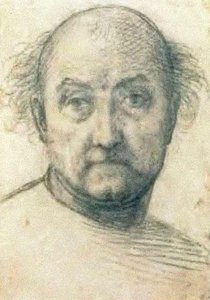
Fra Bartolommeo
1472 - 1517 , Italia
Datos clave
- Artistas Influyentes:
- Cosimo Rosselli
- Raphael
- Fecha De Fallecimiento: 31 de octubre de 1517
- Fecha De Nacimiento: 28 de marzo de 1472
- Influenciado A Artistas: ['Raphael']
- Lugar De Nacimiento: Prato, Italia
- Movimiento Artístico: Alto Renacimiento
- Nacionalidad: Italiana
- Nombre Completo: Fra Bartolommeo
- Obras Notables:
- Visión de San Bernardo
- Retrato de Savonarola
Artículos relacionados

Las 25 obras maestras de Fra Angelico: El pintor del cielo
Explora las 25 joyas del Renacimiento de Fra Angelico. Descubre su luz divina y técnica en OriginalUniqueArt.com.

The Enduring Power of Painting: A Historical & Contemporary Exploration of Form and Emotion
Explore the rich history & enduring techniques of oil painting with OriginalUniqueArt. Discover masterpieces, learn about art collecting, and find authentic handmade reproductions crafted by skilled artists.

The Enduring Legacy of Oil on Canvas: Technique, History & Aesthetic Impact
Explore the rich history & techniques of oil painting – from Renaissance masters to Impressionism. Discover pigments, layering methods, and why this timeless medium endures. Expert insights for artists & art enthusiasts.

El Legado Duradero del Óleo sobre Lienzo: Técnica, Historia y Práctica Contemporánea
Descubre la historia y técnica del óleo sobre lienzo. Explora reproducciones fieles hechas a mano, personalización artística y consejos de expertos con .

El Óleo sobre Lienzo: Historia, Técnica y la Persistencia de un Medio Artístico Atemporal
Descubre la historia y técnica del óleo sobre lienzo. Explora reproducciones fieles hechas a mano, personalización artística y consejos de expertos con OriginalUniqueArt. ¡Colecciona arte con confianza!


