Ver en contexto
 Enviar
 Compartir
 Detalles
 Guía
Guía

 Descargar
 Similares
 Radiografía
 Presentación de diapositivas
 Q&A
Q&A Estadísticas
La Anunciación


 Ver más
Giclée / Impresión de arte
Impresiones giclée o en lienzo de calidad de museo con producción rápida y opciones de acabado flexibles. ( Comprar pintura hecha a mano Cambiar a imagen digital)




P118B €10

P118H €10

P118W €10

P438Z €10

P508JH €12

P508YH €12

P805H €10

P805Z €10

P919BZ €10

P919G €10

P919XJ €10

P959ZH €10

P968JZ €12

W106C €8

W218G €10

W218JH €8

W218Y €10

W307PJ €10

W316G €10

W316PJ €8

W316Y €10

W398PJ €8

W4111J €10

W500HY €15

W500JH €15

W692G €12

W849H €8

W940BG €15

W953PJ €8




Elija entre nuestros tamaños predefinidos que respetan las proporciones originales de la obra.

Introduzca el ancho y el alto que necesite para adaptarse a su marco o pared. Una impresión solo puede recortarse, nunca hacerse más grande que la imagen original, por lo que un tamaño con una forma distinta perderá parte de la obra. Le enviaremos una maqueta digital para su aprobación antes de realizar cualquier impresión. La imagen que se muestra en esta página no refleja el recorte real; solo la maqueta lo hace.
Envío a todo el mundo () en 2 semanas en lugar de las 4/5 semanas estándar. (30 octubre)

Envío exprés gratuito a todo el mundo

Lienzo de lino de alta calidad

Seguro de envío total

Garantía de reembolso de aranceles aduaneros

Garantía de fidelidad cromática exacta

Política de devolución de 100 días (solo por defectos)

Garantía de devolución del 100% del dinero

Descuento por cantidad
 La opción de vidrio solo está disponible en tamaños inferiores a 110 cm.

La Anunciación
Giclée / Impresión de arte
Dimensiones de la reproducción
-


Precio total final
€ 71
The Annunciation
Fra Angelico’s The Annunciation is a panel-painting altarpiece or retable produced for the Convent of San Domenico in Fiesole and now housed in the Prado Museum in Madrid. This painting is a quintessential representation of Early Renaissance art, showcasing the artist’s mastery of composition, color, and religious symbolism.Composition and Symbolism
The painting depicts the Virgin Mary kneeling down in front of an angel who is holding a lily flower. The angel appears to be presenting the flower to the Virgin Mary as a gift. In the background, several other figures are visible, including one person on the left side and two others on the right side of the painting. The scene takes place outdoors with trees visible in the background, creating a serene and peaceful atmosphere. The lily flower held by the angel is a symbol of purity and innocence, emphasizing the Virgin Mary’s role as the mother of Jesus Christ. The bench near the center of the image adds a sense of intimacy to the scene, highlighting the personal nature of the annunciation event. The meticulous arrangement of figures—Mary at the base, Gabriel ascending—creates a visual hierarchy that directs the viewer's gaze upwards towards divine grace. This deliberate positioning underscores the spiritual significance of the moment, capturing the essence of faith and humility. The lily flower itself embodies these virtues, representing Mary’s virginity and symbolizing God’s blessing upon her womb.Artistic Style
Fra Angelico's style in The Annunciation is characterized by delicate lines, soft colors, and a sense of harmony. The use of oil paint allows for rich textures and subtle gradations of tone, enhancing the overall visual impact of the painting. He achieved this remarkable effect through painstaking layering of translucent glazes—a technique perfected during his time—resulting in luminous hues that seem to emanate from within. This masterful blending of pigments contributes to the ethereal quality of the artwork, transporting viewers into a realm of spiritual contemplation. The artist’s attention to detail is evident in every aspect of the composition, from the folds of Mary's robe to the intricate foliage of the trees lining the cloister wall. These meticulous renderings demonstrate Angelico’s dedication to capturing both realism and idealized beauty—a hallmark of Renaissance art that continues to inspire admiration centuries later.Historical Context
Fra Angelico was a Dominican friar and a renowned painter of his time. His contemporary monikers included Fra Giovanni da Fiesole and Fra Giovanni Angelico. Posthumously, he became known as Fra Angelico, reflecting his reputation for devout religious paintings. The Museum Convent of San Marco in Florence, Italy, is another significant location associated with Fra Angelico's work. This former convent houses some of the most breathtaking frescoes and religious artifacts from the 15th century, including works by Fra Angelico. Cosimo de’ Medici commissioned him to decorate the cloister walls—a project that cemented his legacy as one of Florence’s greatest artistic figures. The commission itself was a testament to the patronage system prevalent during the Renaissance, where wealthy patrons supported artists and fostered cultural flourishing. The fresco's placement within the convent underscores its purpose: to inspire prayer and devotion among the monks. It represents a pivotal moment in religious art—a shift away from stylized Gothic representations towards a more naturalistic style that sought to convey spiritual truth with grace and beauty. The painting’s enduring appeal speaks to the universal desire for transcendence and reminds us of the transformative power of art.Relevance to Art Lovers
For art lovers and history buffs, The Annunciation is a must-see painting. It represents the pinnacle of Early Renaissance art and showcases Fra Angelico’s unique style and religious devotion. The serene atmosphere and symbolic elements make it a captivating piece that continues to inspire and educate audiences today. Its delicate palette—dominated by blues, greens, and golds—creates an immersive experience for the viewer, transporting them back to fifteenth-century Florence and inviting contemplation on themes of faith, humility, and divine grace.- Explore a masterpiece of Early Renaissance art.
- Admire Fra Angelico’s unparalleled technique with translucent glazes.
- Delve into the symbolism of purity and divine blessing.
Preguntas y respuestas
¿Es "La Anunciación" de Fra Angelico de dominio público y por qué?
El estado de los derechos de autor de "La Anunciación" - en el dominio público: sus derechos de autor han expirado - se determina a partir del fallecimiento del artista en 1455.
¿Quién es el autor de "La Anunciación" y a qué movimiento pertenece?
"La Anunciación" fue creada por Fra Angelico bajo el estilo Early Renaissance. El artista y el movimiento definen la tradición de la obra.
¿Cuál es el tono predominante en "La Anunciación"?
El tono dominante de "La Anunciación" de Fra Angelico es Gama de amarillos dorados. Este color constituye la base cromática de la paleta.
Biografía del artista
Fra Angelico: Vida, Arte y Devoción Espiritual
Primeros Años y Llamamiento Religioso
- Nacido como Giovanni da Fiesole alrededor de 1395 en Rupesana, cerca de Florencia, Italia.
- Se sabe poco sobre su vida temprana o sus antecedentes familiares.
- Entró en la Orden Dominicana a una edad temprana, tomando el nombre Fra (Hermano) Angelico. Esto influyó profundamente en su camino artístico.
- Inicialmente fue entrenado como iluminador y decorador de manuscritos dentro del monasterio, perfeccionando habilidades en detalle y color.
Desarrollo Artístico e Influencias
- Sus primeras obras demuestran influencia de Lorenzo Monaco, un destacado pintor florentino de la época, particularmente en el uso de líneas elegantes y patrones decorativos.
- La exposición a los frescos de Masaccio probablemente impactó su comprensión de la perspectiva y el naturalismo, aunque el estilo de Fra Angelico permaneció distintamente devocional.
- Su desarrollo artístico estuvo intrínsecamente ligado a sus creencias religiosas; él consideraba la pintura como una forma de oración y meditación.
- Se trasladó de la iluminación de manuscritos a la pintura sobre tabla y decoración con frescos, desarrollando gradualmente un estilo único caracterizado por la serenidad y la profundidad espiritual.
Obras Maestras y Estilo Artístico
- Frescos de San Marco (Florencia): Considerada su obra maestra. Estos frescos en el monasterio de San Marco representan escenas de la vida de Cristo con una simplicidad y resonancia emocional notables.
- Retablo de Perugia: Una obra temprana que muestra su estilo en desarrollo, presentando una delicada escena del Anunciación.
- El Anunciación (varias versiones): Un tema recurrente en su obra, a menudo representado con belleza etérea y detalle simbólico.
- San Lorenzo Dando Almisiones: Demuestra su habilidad en la composición narrativa y la representación de las emociones humanas.
- Su estilo se caracteriza por colores brillantes y claros, modelado delicado, figuras gráciles y una atmósfera serena.
- Empleó hábilmente la perspectiva para crear profundidad, pero priorizó la expresión espiritual sobre el realismo estricto.
Significado Histórico y Legado
- Fra Angelico representa la fusión del arte y la fe religiosa de los inicios del Renacimiento.
- Su obra encarna los ideales humanistas de la época, enfatizando la dignidad humana y la contemplación espiritual.
- Giorgio Vasari, en sus *Vidas de los Artistas*, elogió a Fra Angelico por su piedad y habilidad artística, afirmando que ningún elogio podría capturar adecuadamente la belleza de sus obras.
- Influyó a generaciones posteriores de artistas con su estilo devocional y dominio del color.
- En 1982, el Papa Juan Pablo II lo beatificó, reconociendo su santidad y contribuciones artísticas a la Iglesia. Ahora es conocido como Beato Angelico.
- Su arte continúa inspirando a los espectadores con su profunda espiritualidad y belleza atemporal.
Museos y Colecciones
- El Museo di San Marco, Florencia, alberga la colección más grande de sus obras.
- Las obras también se encuentran en el Museo del Louvre (París), la National Gallery (Londres) y numerosos otros museos de todo el mundo.
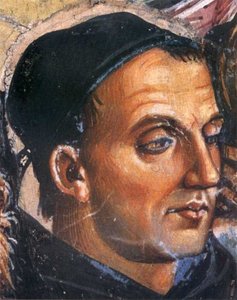
Fra Angelico
1395 - 1455 , Italia
Datos clave
- Artistas Que Influyeron:
- Lorenzo Monaco
- Masaccio
- Estilo Artístico: Renacimiento Temprano
- Fecha De Muerte: 1455
- Fecha De Nacimiento: c. 1395
- Influenciado A Artistas: ['Generaciones posteriores']
- Lugar De Nacimiento: Rupesana, Italia
- Nacionalidad: Italiana
- Nombre Completo: Fra Angelico (Giovanni da Fiesole)
- Obras Notables:
- Retablo de Perugia
- Anunciación (varias)
- Frescos de San Marco
- San Pedro Mártir
Artículos relacionados

Celestial Messengers: A Comprehensive Exploration of Angelic Representation in Art History
Explore the captivating history of angels in art! Discover symbolism, iconic Renaissance masterpieces & renowned artists. Expert insights for art lovers & collectors at OriginalUniqueArt.

Dante Gabriel Rossetti: Las 25 Obras Maestras del Prerrafaelismo | OriginalUniqueArt
Descubre las 25 obras maestras de Dante Gabriel Rossetti, el máximo exponente del Prerrafaelismo. Explora su simbolismo, retratos victorianos y la belleza femenina en lienzos inolvidables. Reproducciones de arte exclusivas en OriginalUniqueArt.com.
Divine Messengers: A Curated Guide to the Iconography of Angel Gabriel in Art History
Explore the profound beauty of Angel Gabriel in art history. From Renaissance masterpieces to Baroque splendor, our expert guide delves into the sacred iconography and timeless techniques of these divine messengers for the discerning art enthusiast.

Celestial Messengers: Angels in Painting – A Historical & Artistic Exploration
Explore the captivating history of angels in painting! Discover symbolism, iconic Renaissance & Byzantine masterpieces, and renowned artists. Expert insights for art lovers & collectors at OriginalUniqueArt.

Las 25 obras maestras de Fra Angelico: El pintor del cielo
Explora las 25 joyas del Renacimiento de Fra Angelico. Descubre su luz divina y técnica en OriginalUniqueArt.com.