
 Preview
 Encargar reproducción Comprar imagen en alta resolución
 Enviar
 Compartir
 Detalles
 Añadir a favoritos

 Descargar
 Similares
 Radiografía
 Presentación de diapositivas
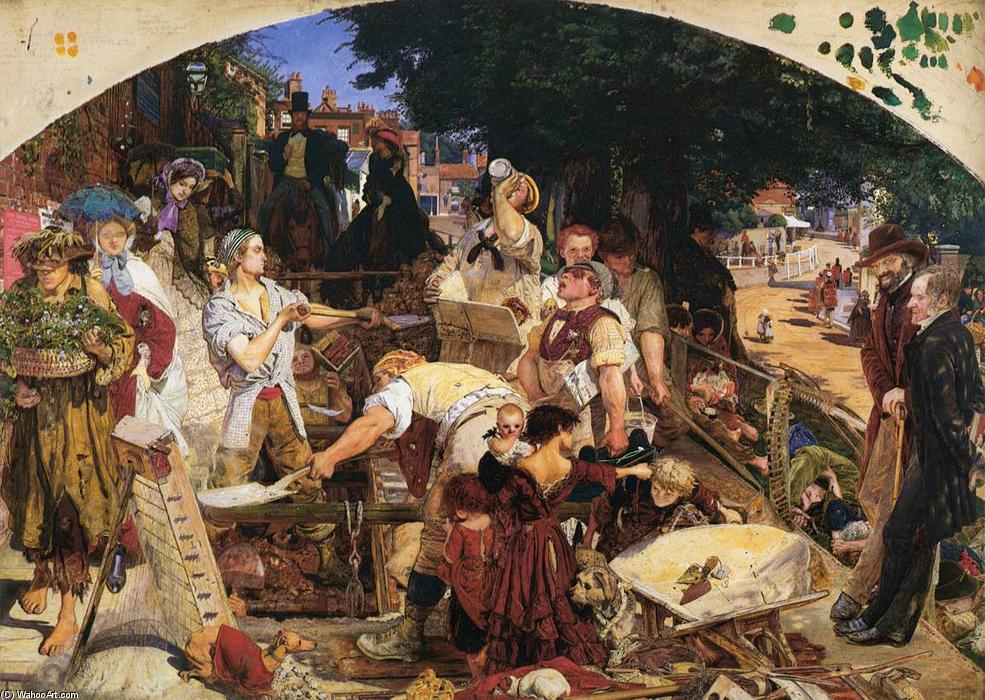
Work
 Oil On Canvas
- WallArt
- Pre-Raphaelite Revival
 1852
1852 137.0 x 197.0 cm
 Galería de Arte de la Ciudad
 Ver más
Giclée / Impresión de arte
Impresión giclée o en lienzo de calidad de museo con producción rápida y opciones de acabado flexibles.




P118B $10

P118H $10

P118W $10

P438Z $10

P508JH $12

P508YH $12

P805H $10

P805Z $10

P919BZ $10

P919G $10

P919XJ $10

P959ZH $10

P968JZ $12

W106C $8

W218G $10

W218JH $8

W218Y $10

W307PJ $10

W316G $10

W316PJ $8

W316Y $10

W398PJ $8

W4111J $10

W500HY $15

W500JH $15

W692G $12

W849H $8

W940BG $15

W953PJ $8




Elija entre nuestros tamaños predefinidos que respetan las proporciones originales de la obra.

Puede introducir sus propias dimensiones para adaptarse a un marco o espacio específico. Si el tamaño seleccionado no coincide con las proporciones de la imagen original, recortaremos la obra de arte o extenderemos la imagen con un borde con efecto espejo o de color sólido. Se enviará una maqueta digital para su aprobación antes de que comience la producción.
Tenga en cuenta que la vista previa en pantalla no refleja el recorte o la extensión real. Solo la maqueta mostrará con precisión la composición final.
Aunque existen tamaños personalizados, recomendamos seleccionar una dimensión de la lista predefinida para preservar las proporciones originales.
Entrega mundial () en 2 semanas en lugar de las 4/5 semanas estándar. (23 julio)

Envío exprés gratuito a todo el mundo

Lienzo de lino de alta calidad

Seguro de envío total

Garantía de reembolso de impuestos aduaneros

Garantía de fidelidad de color

Política de devolución de 60 días (solo por defectos)

Garantía de devolución del 100% del dinero

Descuento por pedido múltiple
 La opción de vidrio solo está disponible en tamaños inferiores a 110 cm.

Work
Giclée / Impresión de arte
Tamaño de la reproducción
-


Precio total final
-
Descripción de la obra
Ford Madox Brown’s “Work”: A Symphony of Labor and Salvation
Ford Madox Brown's "Work," completed between 1852 and 1865, isn’t merely a depiction of a bustling Victorian street scene; it’s a profound meditation on the very nature of labor, morality, and the spiritual condition of an era grappling with rapid industrialization. This monumental oil painting, now residing in the Manchester City Art Gallery, stands as a testament to Brown's Pre-Raphaelite vision—a fusion of meticulous realism, vibrant color, and deeply embedded social commentary. The canvas explodes with activity, yet within this apparent chaos lies a carefully orchestrated narrative designed to provoke reflection on the value of honest toil and its connection to divine grace.
The scene unfolds in Hampstead Heath, capturing a group of navvies – laborers constructing a new water supply system—engaged in their arduous task. Brown’s genius lies not just in his technical mastery but in his ability to imbue these figures with dignity and humanity. He avoids the typical romanticized portrayal of manual labor often found in earlier works; instead, he presents them as complex individuals, each contributing to a larger communal effort. The composition is dominated by a semi-circular arrangement, drawing the viewer’s eye towards a central female figure, arguably representing both the Virgin Mary and a symbol of domestic virtue. Surrounding her are a diverse cast—a young couple struggling to feed their child, an unemployed haymaker, a pious middle-class woman distributing temperance tracts, and even a skeptical aristocrat observing the scene from horseback.
A Pre-Raphaelite Vision: Color, Detail, and Symbolism
Brown’s artistic approach is deeply rooted in the Pre-Raphaelite movement's core tenets. He employs a remarkably rich and vibrant palette—a departure from the muted tones often associated with academic painting—to capture the intensity of sunlight and the textures of clothing and skin. The meticulous detail, evident in every brushstroke, invites close scrutiny, revealing an astonishing level of observation and technical skill. The figures are rendered with a heightened sense of realism, yet imbued with a symbolic weight that elevates the scene beyond a simple snapshot of daily life.
Symbolism permeates “Work.” The bright sunlight, for instance, isn’t merely atmospheric; it represents divine illumination—a metaphorical light guiding the laborers towards salvation through honest labor. The placement of figures within the composition is deliberate, creating a visual hierarchy that underscores Brown's moral argument. The central female figure acts as a focal point, connecting the earthly realm of labor with the spiritual realm of grace. Even seemingly mundane details, such as the discarded temperance leaflet or the broken wheelbarrow, carry symbolic weight, highlighting the social injustices and inequalities prevalent in Victorian England.
Historical Context: Industrialization and Moral Reform
“Work” was painted during a period of profound social and economic upheaval. The rise of industrialization had transformed Britain into an empire fueled by factories and railways, but it also created immense poverty, overcrowding, and social unrest. The Pre-Raphaelites, including Brown, sought to challenge the prevailing artistic conventions and address pressing social issues through their art. They were influenced by thinkers like Thomas Carlyle, who argued that labor was a moral imperative—a means of achieving spiritual fulfillment. Carlyle’s ideas resonated deeply with Brown, informing his depiction of work as a pathway to salvation.
The painting reflects the broader intellectual and religious currents of the time. The Victorian era witnessed a resurgence of interest in biblical themes and a renewed emphasis on Christian morality. Brown's decision to depict laborers—often marginalized and ignored by mainstream society—as potential heroes underscores this shift in values. He suggests that true nobility lies not in wealth or status, but in the dedication and perseverance required to earn one’s livelihood through honest work.
Emotional Resonance: A Timeless Message
“Work” continues to resonate with viewers today because of its enduring message about the dignity of labor and the importance of social justice. The painting's raw energy, vibrant colors, and complex symbolism create a powerful emotional experience—one that challenges us to consider our own relationship to work, community, and spirituality. It’s a reminder that even in the midst of hardship and struggle, there is inherent value in contributing to something larger than oneself.
Reproductions of “Work” offer a remarkable opportunity to bring this masterpiece into your home or office—a visual testament to the enduring power of art to inspire reflection and promote social awareness. Each brushstroke captures not just a scene, but an entire era’s anxieties and aspirations, making it a truly timeless addition to any collection.
Biografía del artista
Primeros años y carrera
Ford Madox Brown, pintor británico, nació el 16 de abril de 1821 en Calais, Francia. Su infancia estuvo marcada por frecuentes mudanzas entre alojamientos en Pas-de-Calais y familiares en Kent, lo que limitó sus oportunidades educativas. Sin embargo, demostró talento artístico desde temprana edad, especialmente al copiar grabados de maestros antiguos.Estilo Artístico y Obras Notables
Las pinturas de Brown se caracterizan por sus colores vivos y su realismo, a menudo representando temas históricos y morales. Su obra más destacada es posiblemente Work (1852-1865), una pintura que muestra su estilo distintivamente gráfico y hogarthiano. Los murales de Manchester, una serie de doce obras pintadas para el Ayuntamiento de Manchester, son otro ejemplo notable del arte de Brown. Estos murales representan la historia mancuniana y se consideran algunos de los mejores ejemplos del arte prerrafaelita.- Destacan también sus contribuciones al diseño de vidrieras y muebles para la compañía de artes decorativas de William Morris.
Influencia y Legado
Brown fue un asesor y amigo de los miembros de la Hermandad Prerrafaelita, un grupo que influyó con su estilo artístico. Su trabajo ha sido ampliamente reconocido, y se le considera uno de los pioneros del arte prerrafaelita.- La obra de Thomas Benjamin Kennington, The Pinch of Poverty, muestra la influencia del estilo de Brown en otros artistas.
- El propio trabajo de Brown, como The Last of England, demuestra su capacidad para capturar la esencia de los temas históricos y morales.
Vida Personal y Años Posteriores
Brown se casó dos veces: primero con Elizabeth Bromley en 1841, quien falleció en 1846, y luego con Emily Hill en 1853, quien también murió en 1890. Tuvo cinco hijos, incluyendo a Lucy Madox Brown y Catherine Madox Brown. Su hijo Oliver Madox Brown (1855–1874) mostró grandes dotes como pintor y poeta, pero murió prematuramente. Su nieto fue el famoso novelista Ford Madox Ford.Desarrollo Artístico y Evolución
Brown experimentó una notable evolución en su estilo a lo largo de su carrera. Inicialmente influenciado por las tragedias personales y los problemas sociales de la época, sus primeras obras se caracterizaban por tonos sombríos y colores apagados. Un punto crucial fue su viaje a Roma en 1845-1846, donde conoció a los nazarenos y estudió la pintura italiana, lo que le permitió ampliar su paleta y adoptar un enfoque más realista y vibrante. Su amistad con Dante Gabriel Rossetti y su posterior asociación con William Morris también fueron fundamentales para su desarrollo artístico, llevándolo a explorar nuevas técnicas y temas en el diseño de vidrieras y muebles.
Ford Madox Brown
1821 - 1893 , Francia
Datos clave
- Artistas Que Influyeron:
- Hans Holbein
- Thomas Carlyle
- Fecha De Muerte: 6 de octubre de 1893
- Fecha De Nacimiento: 16 de abril de 1821
- Influencia En Artistas: ['Pre-Rafaelitas']
- Lugar De Nacimiento: Calais, Francia
- Movimiento Artístico: Prerrafaelismo
- Nacionalidad: Británico
- Nombre Completo: Ford Madox Brown
- Obras Notables:
- Work (1852-1865)
- Los murales de Manchester
- El último de Inglaterra
Artículos relacionados

Anthony Frederick Sandys: Pre-Raphaelite Vision & Victorian Aesthetic Exploration
Discover the captivating Pre-Raphaelite world of Anthony Frederick Sandys (1829-1904). Explore his mythological scenes, portraits & Victorian artistry. Learn about his influences and lasting legacy.
R.A. Benjamin Williams: Victorian Genre Painting & Social Commentary
Explore the captivating world of Benjamin Williams Leader's Victorian genre paintings. Discover his mastery of naturalism, social commentary & lasting influence on British art. Expert insights at OriginalUniqueArt.

Sir John Everett Millais: Pre-Raphaelite Rebellion & Victorian Narrative Detail
Explore the revolutionary art of Sir John Everett Millais & the Pre-Raphaelite Brotherhood. Discover their radical realism, symbolic narratives, and lasting impact on Victorian aesthetics. A deep dive into 19th-century masterpieces.

Edmund Blair Leighton: Victorian Romance & Narrative Painting's Golden Age
Explore the captivating world of Edmund Blair Leighton, Victorian master of romantic narrative painting. Discover his iconic works & Pre-Raphaelite influences at OriginalUniqueArt.
John Collier: Pre-Raphaelite Realism & Victorian Psychological Portraiture
Explore the captivating world of John Collier, a leading Pre-Raphaelite painter renowned for his psychologically insightful Victorian portraits. Discover his masterpieces and lasting artistic legacy.



