
 Compartir
 Compartir
 Ver detalles
 Guía
Guía

 Descargar
 Ver artículos similares
 Presentación de diapositivas
 Estadísticas
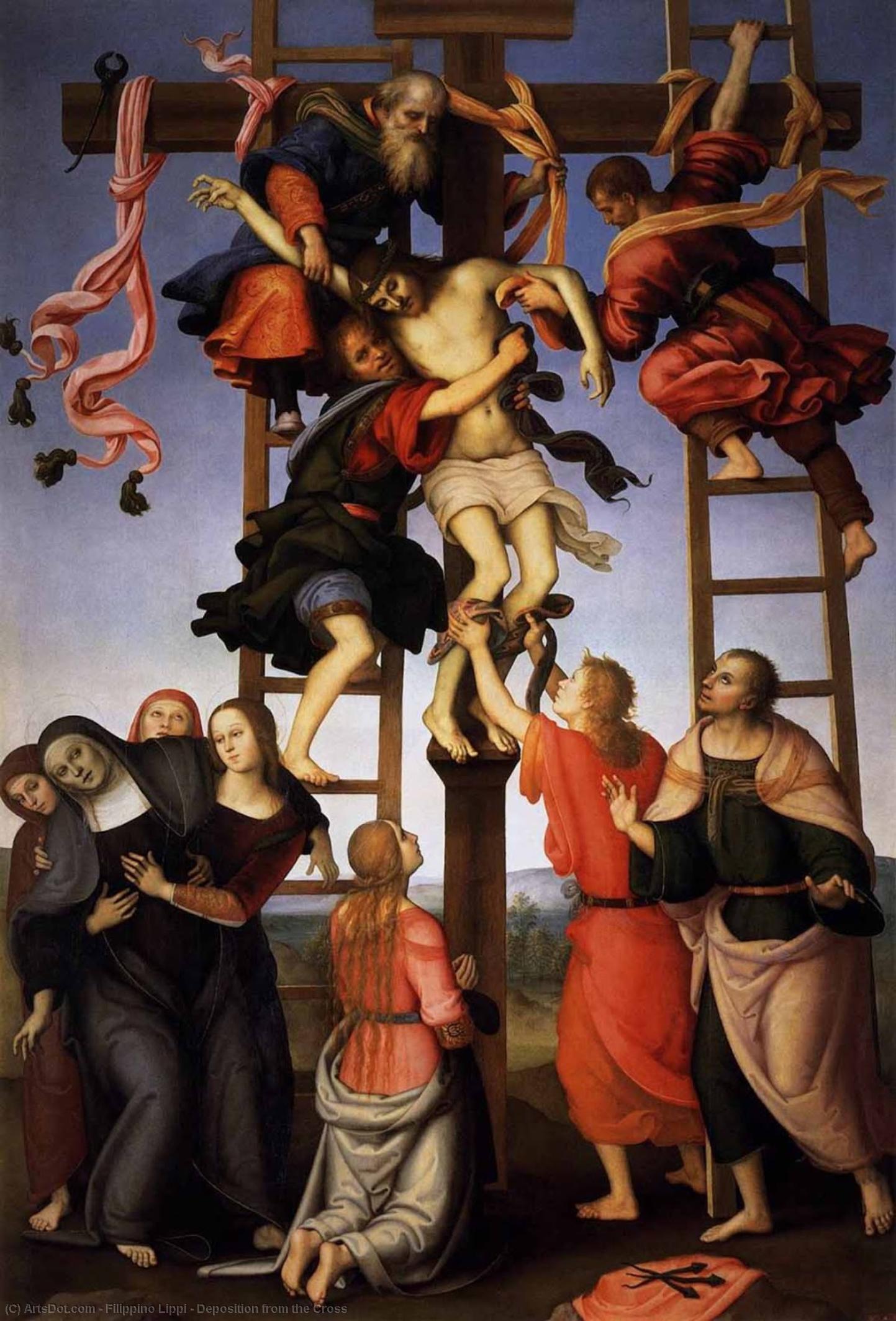
Deposition from the Cross
 Fresco
- Decor
- High Renaissance
 1506
1506- Renaissance
 333.0 x 218.0 cm
 Galería de la Academia de Florencia
 Leer más
Reproducción al óleo hecha a mano
Óleo sobre lienzo pintado a mano en el tamaño y marco de su elección, realizado por encargo por nuestros artistas. ( Cambiar a formato impreso Ver versión en imagen digital)




































Elija entre nuestros tamaños predefinidos que respetan las proporciones originales de la obra.

Puede ingresar sus propias dimensiones para adaptarse a un marco o espacio específico. Si el tamaño seleccionado no coincide con las proporciones de la imagen original, recortaremos la obra o extenderemos la pintura con elementos adicionales pintados a mano. Se le enviará una maqueta digital para su aprobación antes de comenzar la producción.
Tenga en cuenta que la vista previa en pantalla no refleja el recorte o la extensión reales. Solo la maqueta mostrará con precisión la composición final.
Si bien existen tamaños personalizados, recomendamos seleccionar una dimensión de la lista predefinida para preservar las proporciones originales.
Tras realizar el pedido, el equipo de OriginalUniqueArt.com enviará un correo electrónico al cliente para solicitar instrucciones y proporcionarle una vista previa del boceto.
Envío a todo el mundo () en 3-4 semanas en lugar de las 5 semanas estándar. (25 septiembre). Sin comprometer la calidad.

Envío exprés gratuito a todo el mundo

Lienzo de lino de alta calidad

Seguro de envío completo

Garantía de reembolso de impuestos aduaneros

Garantía de fidelidad cromática exacta

Política de devolución de 100 días (solo por defectos)

Garantía de devolución del 100% del dinero

Oferta por volumen
 La opción de vidrio solo está disponible en tamaños inferiores a 110 cm.

Deposition from the Cross
Técnica de reproducción
Tamaño de la reproducción
-


Precio total
$ 300
A Moment Frozen in Devotion
In the hallowed stillness of the Basilica di Santa Maria Novella, there exists a window into the profound sorrow and spiritual transcendence of the High Renaissance. Filippino Lippi’s Deposition from the Cross is not merely a depiction of a biblical event; it is a visceral encounter with human grief and divine sacrifice. Completed around 1506, this monumental masterpiece captures the precise, heart-wrenching moment when the body of Christ is lowered from the cross. The composition draws the viewer into a tight, emotionally charged circle of mourners, where every slumped shoulder and bowed head speaks to the weight of loss. Through Lippi’s masterful hand, the scene transcends its historical era, offering a timeless meditation on mortality and faith that continues to captivate the modern soul.
The painting serves as a breathtaking synthesis of Florentine tradition and the burgeoning innovations of the 16th century. Lippi, the son of the celebrated Fra Filippo Lippi, possessed a unique ability to bridge the elegant, lyrical grace of his predecessor, Sandro Botticelli, with the rigorous anatomical precision and perspectival depth pioneered by masters like Masaccio. In this work, one observes a delicate balance between the idealized beauty of the figures and a raw, palpable realism. The way the light catches the pale, lifeless skin of Christ against the darker, more textured garments of the surrounding figures creates a dramatic chiaroscity that directs the eye toward the central tragedy, ensuring that the viewer cannot look away from the profound gravity of the scene.
Technical Brilliance and Luminous Artistry
To behold this work is to witness the pinnacle of Renaissance technical mastery. Lippi utilized an exquisite layering technique, employing thin washes of color and meticulous glazing to achieve a luminous, almost ethereal glow. This process of building up translucent layers of pigment allows light to penetrate the surface, creating an illusionistic depth that makes the figures appear to breathe within their space. The modeling of Christ’s body is particularly noteworthy; through subtle gradations of tone, Lippi conveys the heavy, limp weight of a lifeless form, a feat of anatomical skill that lends the painting its hauntingly realistic quality. This technical precision is matched by his command of color, where deep, somber tones are punctuated by the delicate, flowing drapery that echoes the classical elegance of the Florentine school.
For the discerning collector or interior designer, a high-quality reproduction of this masterpiece offers more than just aesthetic beauty; it brings an atmosphere of contemplative grandeur into a space. The Deposition from the Cross possesses a unique ability to anchor a room, providing a focal point that invites deep reflection and conversation. Whether placed in a private study, a grand gallery, or a sophisticated living area, the painting’s rich textures and profound emotional resonance serve as a testament to the enduring power of fine art. It is an investment in history, a piece of the Renaissance brought into the contemporary world to inspire awe and provide a sense of timeless elegance.
Biografía del artista
Primeros años y formación
- Nacimiento: Abril de 1457, Prato, Italia
- Fallecimiento: Abril de 1504
- Padres: Fra Filippo Lippi (pintor) y Lucrezia Buti
- Filippino fue el hijo ilegítimo de un renombrado pintor.
- La formación temprana bajo su padre sentó las bases para su carrera artística.
Carrera Artística y Desarrollo
- Período Temprano (1475-1480): Obras iniciales, como las Madonnas, mostraron un estilo menos refinado. Estas fueron inicialmente atribuidas a un artista anónimo conocido como "amico di Sandro".
- Evolución (1480-1485): Desarrollo de un enfoque más personal y efectivo en obras como los Viajes de Tobías.
- Madurez (1485-1504): Dominio del estilo del Alto Renacimiento, ejemplificado por la Aparición de Cristo a la Virgen.
Obras Principales y Colaboraciones
- Colaboración con Perugino, Ghirlandaio y Botticelli en los frescos de la villa de Lorenzo de' Medici.
- Completó la decoración inacabada de Masaccio en la Capilla Brancacci junto a Masolino.
- Obras notables incluyen: La Coronación de la Virgen, Tobías y el Ángel, San Jerónimo y una Escena de la Vida de San Tomás de Aquino.
Influencias y Estilo Artístico
- Influencias Tempranas: Sandro Botticelli, Fra Filippo Lippi.
- Características del Estilo: Forma y línea animadas, cromatismo cálido, paisajes detallados, figuras expresivas y una mezcla de geometría de perspectiva con interiores íntimos.
- Antigüedades Romanas: Estudios tras antigüedades romanas durante su tiempo en Roma influyeron en su obra, incorporando un vocabulario antiguo a su arte.
Significado Histórico y Legado
- Un exponente florentino líder de la tradición de los grandes ciclos de frescos.
- Su influencia en el Alto Renacimiento es innegable.
- Obras se encuentran en museos de todo el mundo, incluyendo la Galería Uffizi en Florencia.
- Conocido por tender un puente entre estilos del Renacimiento temprano y la estética emergente del Alto Renacimiento.
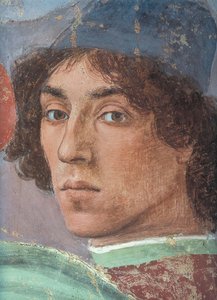
Filippino Lippi
1457 - 1504 , Italia
Datos clave
- Artistas Influenciados: ['Raffaellino del Garbo']
- Artistas Que Influyeron:
- Fra Filippo Lippi
- Sandro Botticelli
- Fecha De Muerte: Abril 1504
- Fecha De Nacimiento: Abril 1457
- Lugar De Nacimiento: Prato, Italia
- Movimiento Artístico: Alto Renacimiento
- Nacionalidad: Italiana
- Nombre Completo: Filippino Lippi
- Obras Notables:
- Coronación de la Virgen
- Viajes de Tobías
- San Jerónimo
- Vida de San Tomás Aquino
Artículos relacionados

Henri Edmond Cross: A Pioneer of Neo-Impressionism & the Divisionist Aesthetic
Explore the life & art of Henri Edmond Cross, a pivotal Neo-Impressionist painter. Discover his innovative divisionist technique, political affiliations, and lasting influence on modern art movements like Fauvism. Learn about key works & legacy.

Filippino Lippi: Renaissance Innovation Bridging Faith & Humanism
Explore the captivating world of Filippino Lippi, a Renaissance master bridging faith & humanism through innovative art. Discover his key works, influences, and lasting legacy with OriginalUniqueArt.
Las 10 Obras Maestras del Alto Medieval: Arte, Historia y Decoración Exclusiva
Descubre las 10 obras maestras del Alto Medieval. Explora la historia, el simbolismo y la belleza de la pintura románica y gótica. Reproducciones exclusivas en OriginalUniqueArt.com para decorar tu hogar con arte atemporal.
Las 10 Obras Maestras del Renacimiento Superior: Arte, Historia y Decoración
Descubre las 10 obras maestras del Renacimiento Superior: Leonardo, Miguel Ángel, Rafael y Botticelli. Explora su historia, técnica y significado. Reproducciones de arte en alta calidad para decorar tu hogar con elegancia. ¡Encuentra tu obra favorita en !
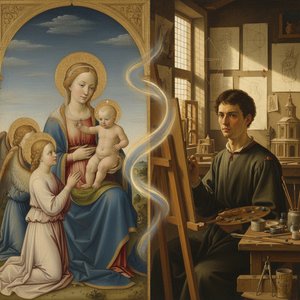
Filippo Lippi: Bridging Renaissance Devotion & Artistic Innovation
Explore the life & revolutionary art of Filippo Lippi, a pivotal Renaissance painter. Discover his masterpieces, influence on Botticelli, and investment potential. Expert analysis at OriginalUniqueArt.


