Vista previa
 Compartir
 Compartir
 Ver detalles

 Descargar
 Ver artículos similares
 Radiografía
 Presentación de diapositivas
 Estadísticas
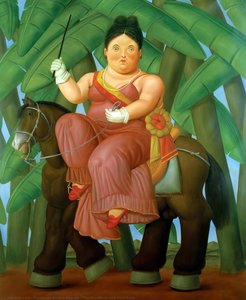
Walk in the hills


 Leer más
Giclée / Impresión de arte
Impresiones giclée o en lienzo de calidad de museo con producción rápida y opciones de acabado flexibles. ( Encargar reproducción pintada a mano Ver versión en imagen digital)




P118B $10

P118H $10

P118W $10

P438Z $10

P508JH $12

P508YH $12

P805H $10

P805Z $10

P919BZ $10

P919G $10

P919XJ $10

P959ZH $10

P968JZ $12

W106C $8

W218G $10

W218JH $8

W218Y $10

W307PJ $10

W316G $10

W316PJ $8

W316Y $10

W398PJ $8

W4111J $10

W500HY $15

W500JH $15

W692G $12

W849H $8

W940BG $15

W953PJ $8




Elija entre nuestros tamaños predefinidos que respetan las proporciones originales de la obra.

Puede introducir sus propias dimensiones para adaptarse a un marco o espacio específico. Si el tamaño seleccionado no coincide con las proporciones de la imagen original, recortaremos la obra de arte o extenderemos la imagen con un borde con efecto espejo o de color sólido. Se enviará una maqueta digital para su aprobación antes de que comience la producción.
Tenga en cuenta que la vista previa en pantalla no refleja el recorte o la extensión real. Solo la maqueta mostrará con precisión la composición final.
Aunque existen tamaños personalizados, recomendamos seleccionar una dimensión de la lista predefinida para preservar las proporciones originales.
Envío a todo el mundo () en 2 semanas en lugar de las 4/5 semanas estándar. (16 septiembre)

Envío exprés gratuito a todo el mundo

Lienzo de lino de alta calidad

Seguro de envío completo

Garantía de reembolso de impuestos aduaneros

Garantía de fidelidad cromática exacta

Política de devolución de 100 días (solo por defectos)

Garantía de devolución del 100% del dinero

Oferta por volumen
 La opción de vidrio solo está disponible en tamaños inferiores a 110 cm.

Walk in the hills
Giclée / Impresión de arte
Tamaño de la reproducción
-


Precio total
$ 80
A Vision of Volumetric Stillness
In the vast landscape of twentieth-century Latin American art, few figures command attention with as much whimsical gravity as Fernando Botero. His 1977 masterpiece, Walk in the hills, serves as a profound window into the artist's signature aesthetic, often referred to as "Boterismo." At first glance, the painting presents a scene of quietude: a solitary figure, draped in heavy, dark garments and crowned with a black hat, stands amidst the rolling greenery of a hillside. Yet, beneath this deceptively simple surface lies a complex exploration of form and presence. Botero utilizes exaggerated volumes to breathe life into his subjects, transforming the human figure into a monumental sculpture of flesh and fabric that commands the space it occupies.
The technique employed in this work is a masterful nod to the Naïve Art and Primitivism movements. Rather than striving for hyper-realistic anatomical precision, Botero embraces a deliberate, smoothed texture and a simplified perspective that evokes a sense of timelessness and innocence. This stylistic choice allows the viewer to bypass the distractions of modern complexity and focus on the pure, sculptural essence of the subject. The brushwork is controlled and smooth, creating a surface where light and shadow play softly across the rounded contours of the priest, lending the piece a tactile quality that makes it an exquisite centerpiece for any sophisticated interior.
Symbolism and the Weight of Tradition
Beyond its aesthetic allure, Walk in the hills is a deeply symbolic narrative that invites intense contemplation. The central figure, a priest characterized by a peculiar, cross-eyed gaze, stands as a silent sentinel within the natural world. He holds an umbrella—a curious object to carry on a clear day—which serves as a poignant metaphor for a psychological or institutional defense mechanism. This umbrella represents a barrier, a way of shielding oneself from the external realities of the world, much like the insulating layers of bureaucracy or religious dogma can isolate an individual from true experience. The presence of the cross in his hand further anchors the piece in themes of spirituality and the heavy mantle of tradition.
There is a palpable sense of inertia within the composition; the priest does not move through the hills so much as he exists within them, embodying a state of passive existence. This tension between the vibrant, living landscape and the static, shielded figure creates an emotional resonance that is both unsettling and deeply moving. For the collector, this painting offers more than just visual beauty; it provides a conversation piece that explores the human condition, the concept of isolation, and the delicate balance between protection and disconnection.
An Elegant Addition to the Modern Collection
For interior designers and art enthusiasts alike, a high-quality reproduction of Walk in the hills offers a unique opportunity to introduce character and intellectual depth into a living space. The painting’s palette—a harmonious blend of earthy greens, deep blacks, and soft sky tones—allows it to integrate seamlessly into various decor styles, from contemporary minimalism to classic, traditional settings. Its ability to evoke both a sense of peace and a subtle, underlying critique makes it a versatile and captivating work.
Owning a piece that captures the essence of Botero’s genius means bringing a fragment of Colombian visionary art into one's private sanctuary. Whether placed in a sunlit gallery or a quiet study, this work continues to perform its primary function: inviting the observer to pause, to look closer, and to reflect on the beautiful, voluminous complexities of life itself.
Biografía del artista
Primeros años e inspiración
Fernando Botero Angulo, un renombrado artista figurativo y escultor colombiano, nació el 19 de abril de 1932 en Medellín, Colombia. Su estilo característico, conocido como "boterismo", que se caracteriza por grandes volúmenes exagerados, ha sido tanto objeto de crítica política como de humor, dependiendo de la obra.Desarrollo artístico e influencia primitivista
La vida temprana de Botero estuvo marcada por el aislamiento del arte presentado en museos y otras instituciones culturales. Sin embargo, fue influenciado por el estilo barroco de las iglesias coloniales y la vida urbana de Medellín. Esta influencia primitivista es evidente en su obra, que a menudo presenta formas simples pero poderosas.Obras notables y exposiciones
- Caminata en las colinas (arte naïf / primitivismo, óleo sobre lienzo), una pintura que muestra el estilo único de Botero, se presenta en OriginalUniqueArt.
- La Colección de Arte del Gobierno, un museo en el Reino Unido, ha exhibido obras de varios artistas, incluidos aquellos influenciados por el primitivismo. (más sobre Hastings Museum and Art Gallery)
Reconocimiento internacional y legado
La obra de Botero ha sido reconocida a nivel mundial, con más de 50 exposiciones en las principales ciudades del mundo. Su arte alcanza precios de venta en millones de dólares, lo que consolida su estatus como una figura destacada en el arte colombiano.- Premios clave: Botero recibió el premio al logro de por vida en escultura contemporánea del International Sculpture Center en 2012.
- Exposiciones notables: El Salón de Artistas Colombianos (1958) y la Colección de Arte del Gobierno (Reino Unido).
- Estilo artístico: Primitivismo, caracterizado por formas simples y volúmenes exagerados.
Conclusión
El estilo primitivista único de Fernando Botero Angulo ha dejado una huella imborrable en el mundo del arte. Su obra continúa inspirando a artistas y coleccionistas por igual, consolidando su legado como un maestro del arte colombiano. Más sobre Fernando Botero Angulo en OriginalUniqueArt. Fuente: Wikipedia
Fernando Botero
1932 - 1959 , Colombia
Datos clave
- Artistas Que Influyeron:
- Diego Rivera
- Francisco de Goya
- Salvador Dalí
- Fecha De Fallecimiento: 15 de septiembre de 2023
- Fecha De Nacimiento: 19 de abril de 1932
- Lugar De Nacimiento: Medellín, Colombia
- Movimiento Artístico: Primitivismo, Boterismo
- Nacionalidad: Colombiano
- Nombre Completo: Fernando Botero Angulo
- Obras Notables:
- Walk in the Hills
- El baño de los obispos
- La paloma de la paz
Artículos relacionados

The Pure Charm of Naïve Art: Finding Beauty in Simplicity, Soul, and the Unfiltered Vision
Discover the profound beauty of Naïve Art. Explore how self-taught masters bypass academic tradition to capture raw emotional truth through vibrant color and soulful simplicity. A cultural journey for the true art lover seeking depth beyond convention.
La Visión Inconvencional: Explorando el Arte Naïf y su Legado Duradero
Descubre el fascinante mundo del arte naïf: orígenes, artistas clave y su impacto en la historia del arte. Guía experta para coleccionistas y amantes del arte ingenuo.
Raw, Bold, Unfiltered: Why Naive Art is the Ultimate Vibe for Your Space
Ditch the boring decor. Discover why Naive Art's raw, bold, and unfiltered aesthetic is the ultimate trend for modern urban spaces. Learn how to use vibrant colors and unstudied sincerity to create a high-impact, authentic vibe in your home or studio.

La Visión Indómita: Explorando el Arte Naïf y el Primitivismo como Rechazo a la Convención
Descubre el fascinante mundo del arte naïf y primitivismo. Explora su historia, artistas clave como Rousseau y Chagall, y su rebelde espíritu contra las convenciones artísticas. Análisis experto en OriginalUniqueArt.
Primitivismo en el Arte: Raíces de la Expresión Moderna y su Legado Duradero
Descubra el fascinante mundo del Primitivismo en el arte. Explore sus orígenes, artistas clave como Picasso y Matisse, e influencias duraderas. Guía experta para coleccionistas.