
 Vista previa
 Compartir
 Compartir
 Ver detalles

 Descargar
 Ver similares
 Radiografía
 Presentación de diapositivas
untitled (7271)


 Leer más
Giclée / Impresión de arte
Impresiones giclée o en lienzo de calidad de museo con producción rápida y opciones de acabado flexibles. ( Cambiar a pintura hecha a mano Cambiar a imagen)




































Elija entre nuestros tamaños predefinidos que respetan las proporciones originales de la obra.

Puede introducir sus propias dimensiones para adaptarse a un marco o espacio específico. Si el tamaño seleccionado no coincide con las proporciones de la imagen original, recortaremos la obra de arte o extenderemos la imagen con un borde con efecto espejo o de color sólido. Se enviará una maqueta digital para su aprobación antes de que comience la producción.
Tenga en cuenta que la vista previa en pantalla no refleja el recorte o la extensión real. Solo la maqueta mostrará con precisión la composición final.
Aunque existen tamaños personalizados, recomendamos seleccionar una dimensión de la lista predefinida para preservar las proporciones originales.
Envío a todo el mundo () en 2 semanas en lugar de las 4/5 semanas estándar. (10 agosto)

Envío exprés gratuito a todo el mundo

Lienzo de lino de alta calidad

Seguro de envío completo

Garantía de reembolso de aranceles aduaneros

Garantía de fidelidad cromática exacta

Política de devolución de 60 días (solo por defectos)

Garantía de devolución del 100% del dinero

Oferta por volumen
 La opción de vidrio solo está disponible en tamaños inferiores a 110 cm.

untitled (7271)
Giclée / Impresión de arte
Tamaño de la reproducción
-


Precio total
$ 80
Descripción de la pieza
Fernand Léger: A Symphony of Steel and Soul
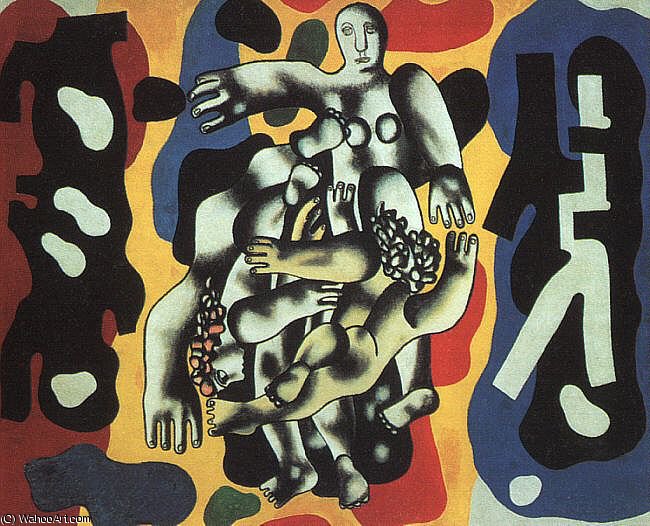
The world of Fernand Léger is one of exhilarating contradiction – a collision between the raw physicality of industrial machinery and an intensely personal, almost spiritual, vision. This particular work, a vibrant exploration of form and movement, exemplifies Léger’s groundbreaking approach to modern art, a departure from purely abstract concerns that sought to capture not just the *look* of the machine age, but its very essence – its energy, its rhythm, and its impact on human experience. It's a piece that demands attention, inviting the viewer into a world where geometric precision dances with organic fluidity.
Tubism: A New Visual Language
Léger’s artistic journey began in the early 20th century, a period of unprecedented technological advancement. Witnessing the rise of factories and the proliferation of steel structures profoundly influenced his thinking. He developed what he termed “Tubism,” a style that sought to represent objects – particularly those associated with industry – by breaking them down into their fundamental geometric shapes: cylinders, cones, and cubes. However, Tubism wasn’t simply about replicating mechanical forms; it was an attempt to imbue these shapes with life, with movement, and with a sense of underlying harmony. Notice how the figures aren't static representations but seem poised in perpetual motion, echoing the dynamism of the industrial landscape.
- Cylindrical Forms: The dominant use of cylinders represents the core elements of machinery – pistons, shafts, and structural supports.
- Conical Shapes: Cones suggest power, energy, and upward thrust, mirroring the ambition of technological progress.
- Cubed Elements: Cubes provide a grounding element, representing solidity and stability amidst the swirling forms.
Symbolism Within the Geometry
Beyond its purely formal qualities, Léger’s work is rich in symbolic meaning. The figures themselves are often interpreted as representations of humanity – individuals caught within the transformative forces of modernity. Their simplified forms suggest a loss of individuality, yet their vibrant colors and dynamic poses convey a sense of resilience and even joy. The bright palette—bold reds, yellows, and blues—contrasts sharply with the muted tones of the industrial backdrop, highlighting the tension between human aspiration and mechanical constraint.
Contextualizing Léger’s Innovation
Léger emerged as a key figure in the Parisian avant-garde scene of the early 20th century, alongside artists like Picasso and Braque. While initially influenced by Cubism, he quickly developed his own distinct style, one that was both intellectually rigorous and deeply expressive. His work anticipated many later developments in art, including Pop Art’s embrace of popular imagery and its exploration of the relationship between art and industry. The Fernand Léger National Museum in Biot, France, houses a comprehensive collection of his works, offering invaluable insight into the evolution of this singular artistic vision.
Emotional Impact & Collecting
This reproduction captures not just the visual impact of Léger’s original paintings but also the underlying emotional power. It's a piece that speaks to our fascination with technology, our anxieties about its potential consequences, and our enduring desire for beauty and harmony in a world increasingly dominated by machines. Whether adorning a contemporary interior or serving as a thoughtful addition to an art collection, this artwork offers a compelling dialogue between form, function, and the human spirit – a conversation that continues to resonate today.
Biografía del artista
vida temprana y formación
fernand léger, un pintor, escultor y cineasta francés, nació el 4 de febrero de 1881 en Argentán, Orne, Baja Normandía. Su padre criaba ganado, y Léger inicialmente se formó como arquitecto de 1897 a 1899. Luego se mudó a París en 1900, ganándose la vida como dibujante arquitectónico.desarrollo artístico
El trabajo temprano de Léger estuvo influenciado por el impresionismo, como se ve en le jardin de ma mère (mi madre's garden) (1905). Después de asistir a la escuela de artes decorativas y la academia Julian, comenzó a trabajar seriamente como pintor a los 25 años. Su estilo evolucionó hacia una forma personal del cubismo, que los críticos denominaron "tubismo" por su énfasis en las formas cilíndricas.cubismo y el grupo puteaux
En 1910, Léger expuso en el salón de otoño junto a jean metzinger y henri le fauconnier. Se unió al grupo puteaux, también conocido como la sección dorada (la sección de oro), junto con otros artistas como francis picabia y marcel duchamp.guerra y su influencia en el trabajo de léger
Las experiencias de Léger en la Primera Guerra Mundial impactaron significativamente su obra. Durante su tiempo en el frente, produjo dibujos de piezas de artillería, aviones y soldados compañeros. Su pintura soldier with a pipe (1916) refleja este período.obra posterior y legado
La obra posterior de Léger, caracterizada por formas mecánicas y elegantes, lo vinculó a la tradición de la pintura figurativa francesa. Sus paisajes animados de 1921 mostraron figuras y animales en formas armoniosas y aerodinámicas.- ver obras de fernand léger en OriginalUniqueArt
- más sobre fernand léger en wikipedia
- descubra el musée national fernand léger (francia) con OriginalUniqueArt
- la mujer sentada (100 x 81 cm, tubismo)
- elemento de máquina (cubismo)

Fernand Léger
1881 - 1955 , Francia
Datos clave
- Artistas Influenciados Por: ['Pop Art']
- Artistas Que Influyeron:
- Cézanne
- Impresionismo
- Fecha De Nacimiento: 4 de febrero de 1881
- Lugar De Nacimiento: Argentan, Francia
- Movimiento Artístico:
- Cubismo
- Tubismo
- Nacionalidad: Francés
- Nombre Completo: Fernand Léger
- Obras Notables:
- La Mujer Sentada
- Elemento de Máquina
- El Gran Desfile
- Paisajes Animados
Artículos relacionados
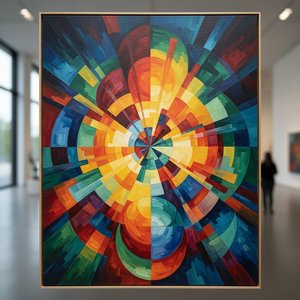
Orfismo: Una Sinfonía de Color y Forma – Explorando las Raíces Abstractas del Arte Moderno
Descubre el Orfismo, un movimiento artístico revolucionario del siglo XX liderado por Robert y Sonia Delaunay. Explora su teoría del color, características clave e influencia en la abstracción con OriginalUniqueArt.
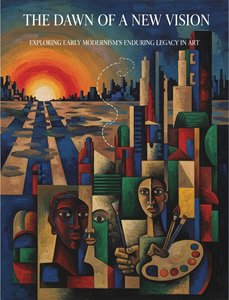
El Amanecer de una Nueva Visión: Explorando el Legado Duradero del Modernismo Temprano en el Arte
Descubre el legado del Modernismo en el arte: desde sus raíces románticas hasta su influencia en las vanguardias. Análisis de artistas, temas y técnicas clave. ¡Explora la belleza atemporal con OriginalUniqueArt!
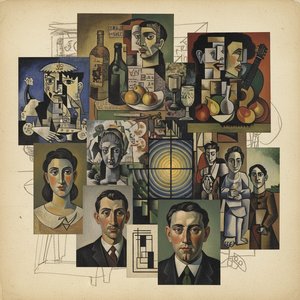
Los 10 Maestros del Cubismo: Obras que Revolucionaron el Arte | OriginalUniqueArt
Descubre los 10 lienzos cubistas que revolucionaron el arte moderno. Explora las obras maestras de Picasso, Braque y Gris en OriginalUniqueArt.com. Reproducciones de alta calidad para tu hogar.
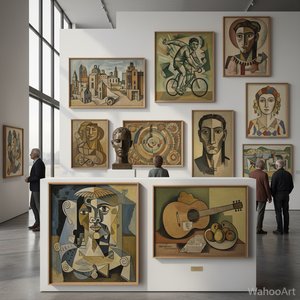
Los 10 Maestros del Cubismo: Obras que Revolucionaron el Arte |
Descubre los 10 lienzos cubistas que revolucionaron el arte moderno. Explora la historia de Picasso, Braque y otros maestros del cubismo en . Reproducciones de alta calidad para tu hogar.
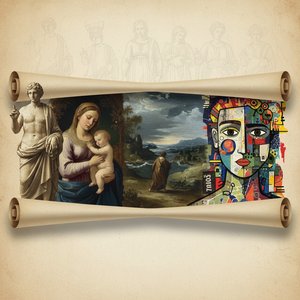
The Enduring Appeal of Figurative Art: A Historical Survey of Representation, Emotion & Modern Interpretations
Explore the rich history of figurative art from Renaissance masterpieces to contemporary expressions. Discover key artists, movements & collecting insights with OriginalUniqueArt – your trusted source for museum-quality reproductions and expert art guidance.



