- Inicio

- Impresión en lienzo
- Fernand Léger
- The Red Bodice
 Encargar reproducción Comprar imagen en alta resolución
 Enviar
 Compartir
 Detalles
 Añadir a favoritos

 Descargar
 Similares
 Radiografía
 Presentación de diapositivas
The Red Bodice

 Ver más
Giclée / Impresión de arte
Impresión giclée o en lienzo de calidad de museo con producción rápida y opciones de acabado flexibles.




P118B $10

P118H $10

P118W $10

P438Z $10

P508JH $12

P508YH $12

P805H $10

P805Z $10

P919BZ $10

P919G $10

P919XJ $10

P959ZH $10

P968JZ $12

W106C $8

W218G $10

W218JH $8

W218Y $10

W307PJ $10

W316G $10

W316PJ $8

W316Y $10

W398PJ $8

W4111J $10

W500HY $15

W500JH $15

W692G $12

W849H $8

W940BG $15

W953PJ $8




Elija entre nuestros tamaños predefinidos que respetan las proporciones originales de la obra.

Puede introducir sus propias dimensiones para adaptarse a un marco o espacio específico. Si el tamaño seleccionado no coincide con las proporciones de la imagen original, recortaremos la obra de arte o extenderemos la imagen con un borde con efecto espejo o de color sólido. Se enviará una maqueta digital para su aprobación antes de que comience la producción.
Tenga en cuenta que la vista previa en pantalla no refleja el recorte o la extensión real. Solo la maqueta mostrará con precisión la composición final.
Aunque existen tamaños personalizados, recomendamos seleccionar una dimensión de la lista predefinida para preservar las proporciones originales.
Entrega mundial () en 2 semanas en lugar de las 4/5 semanas estándar. (23 julio)

Envío exprés gratuito a todo el mundo

Lienzo de lino de alta calidad

Seguro de envío total

Garantía de reembolso de impuestos aduaneros

Garantía de fidelidad de color

Política de devolución de 60 días (solo por defectos)

Garantía de devolución del 100% del dinero

Descuento por pedido múltiple
 La opción de vidrio solo está disponible en tamaños inferiores a 110 cm.

The Red Bodice
Giclée / Impresión de arte
Tamaño de la reproducción
-


Precio total final
-
Descripción de la obra
The Red Bodice: A Bold Vision of Modernity
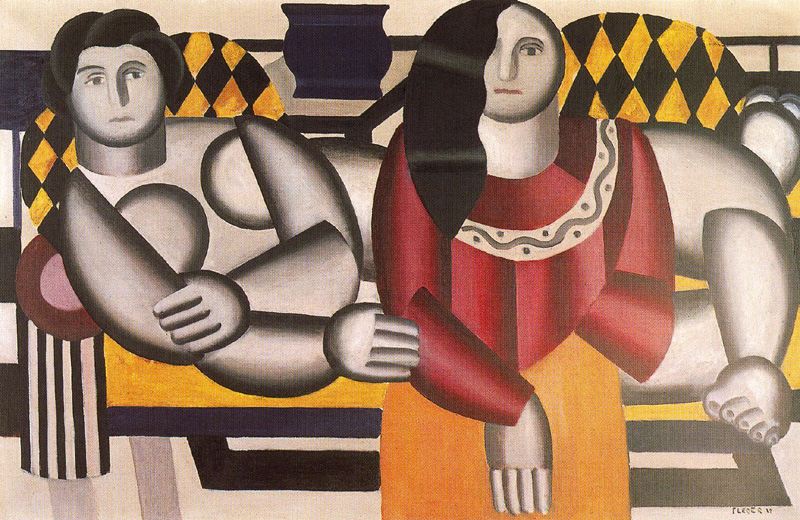
Fernand Léger’s “The Red Bodice,” painted around 1925, isn't merely a depiction of two women seated on a bench; it’s a manifesto of Tubism—Léger’s groundbreaking artistic movement that sought to distill the essence of industrial civilization into geometric abstraction. This striking canvas captures a moment frozen in time, reflecting Léger’s fascination with the dynamism and rhythmic repetition characteristic of machines and urban life. The painting immediately draws the eye to the vibrant red bodice worn by one woman, a bold assertion of color against the muted yellows and blacks of her dress—a deliberate choice mirroring the assertive hues found within the burgeoning industrial landscape.A Synthesis of Form and Feeling
Léger’s Tubism represents a radical departure from Impressionism and Cubism, prioritizing simplified geometric shapes – circles, squares, triangles – over realistic representation. He meticulously analyzed the patterns of machinery, translating these forms into visual language that conveyed movement and energy without resorting to traditional perspective. The artist's technique involved applying thick impasto—heavy layers of paint—to create textured surfaces that echoed the physicality of industrial materials like steel and concrete. This tactile approach wasn’t simply stylistic; it was a conscious effort to engage the viewer’s senses and evoke an emotional response akin to experiencing the rhythm of the machine age. Léger believed art should communicate ideas, not just imitate appearances.Historical Context: Embracing the Machine Age
“The Red Bodice” emerged during a period of significant societal transformation—the interwar years following World War I—marked by rapid industrial expansion and urbanization. Léger’s artistic vision mirrored this cultural shift, reflecting anxieties about modernity alongside an optimism regarding technological progress. He was deeply influenced by Futurism, another avant-garde movement that championed speed, dynamism, and the glorification of machines. However, Léger distinguished Tubism from Futurism's frenetic energy, arguing for a more contemplative engagement with the machine age—a recognition of its underlying order and beauty alongside its potential dangers.Symbolic Resonance: Beyond Representation
While eschewing literal depiction, Léger imbued “The Red Bodice” with symbolic significance. The red bodice itself can be interpreted as representing passion, vitality, and perhaps even a defiant assertion against societal constraints—themes prevalent in Léger’s broader artistic oeuvre. Furthermore, the positioning of the figures on the bench suggests a deliberate consideration of space and composition, mirroring the structured patterns found within industrial environments. Léger's aim wasn’t to tell a story but to convey an emotion or idea – a feeling of movement and rhythm that encapsulates the spirit of his time.Emotional Impact: A Quiet Celebration
Despite its abstract style, “The Red Bodice” possesses a palpable emotional resonance. The careful balance between color and form creates a sense of calm contemplation amidst the perceived chaos of modern life. Léger’s masterful use of texture invites viewers to engage with the painting on a visceral level—to feel the solidity of the shapes and experience the subtle variations in tone. Ultimately, this artwork serves as a testament to Léger's belief that art could transcend mere visual pleasure and communicate profound truths about human existence within the context of an evolving world.Biografía del artista
vida temprana y formación
fernand léger, un pintor, escultor y cineasta francés, nació el 4 de febrero de 1881 en Argentán, Orne, Baja Normandía. Su padre criaba ganado, y Léger inicialmente se formó como arquitecto de 1897 a 1899. Luego se mudó a París en 1900, ganándose la vida como dibujante arquitectónico.desarrollo artístico
El trabajo temprano de Léger estuvo influenciado por el impresionismo, como se ve en le jardin de ma mère (mi madre's garden) (1905). Después de asistir a la escuela de artes decorativas y la academia Julian, comenzó a trabajar seriamente como pintor a los 25 años. Su estilo evolucionó hacia una forma personal del cubismo, que los críticos denominaron "tubismo" por su énfasis en las formas cilíndricas.cubismo y el grupo puteaux
En 1910, Léger expuso en el salón de otoño junto a jean metzinger y henri le fauconnier. Se unió al grupo puteaux, también conocido como la sección dorada (la sección de oro), junto con otros artistas como francis picabia y marcel duchamp.guerra y su influencia en el trabajo de léger
Las experiencias de Léger en la Primera Guerra Mundial impactaron significativamente su obra. Durante su tiempo en el frente, produjo dibujos de piezas de artillería, aviones y soldados compañeros. Su pintura soldier with a pipe (1916) refleja este período.obra posterior y legado
La obra posterior de Léger, caracterizada por formas mecánicas y elegantes, lo vinculó a la tradición de la pintura figurativa francesa. Sus paisajes animados de 1921 mostraron figuras y animales en formas armoniosas y aerodinámicas.- ver obras de fernand léger en OriginalUniqueArt
- más sobre fernand léger en wikipedia
- descubra el musée national fernand léger (francia) con OriginalUniqueArt
- la mujer sentada (100 x 81 cm, tubismo)
- elemento de máquina (cubismo)

Fernand Léger
1881 - 1955 , Francia
Datos clave
- Artistas Influenciados Por: ['Pop Art']
- Artistas Que Influyeron:
- Cézanne
- Impresionismo
- Fecha De Nacimiento: 4 de febrero de 1881
- Lugar De Nacimiento: Argentan, Francia
- Movimiento Artístico:
- Cubismo
- Tubismo
- Nacionalidad: Francés
- Nombre Completo: Fernand Léger
- Obras Notables:
- La Mujer Sentada
- Elemento de Máquina
- El Gran Desfile
- Paisajes Animados
Artículos relacionados
El Amanecer de una Nueva Visión: Explorando el Legado Duradero del Modernismo Temprano en el Arte
Descubre el legado del Modernismo en el arte: desde sus raíces románticas hasta su influencia en las vanguardias. Análisis de artistas, temas y técnicas clave. ¡Explora la belleza atemporal con OriginalUniqueArt!
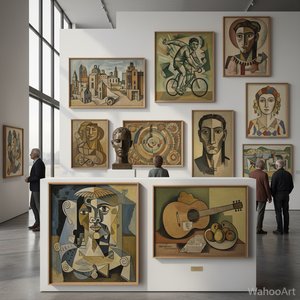
Los 10 Maestros del Cubismo: Obras que Revolucionaron el Arte |
Descubre los 10 lienzos cubistas que revolucionaron el arte moderno. Explora la historia de Picasso, Braque y otros maestros del cubismo en . Reproducciones de alta calidad para tu hogar.
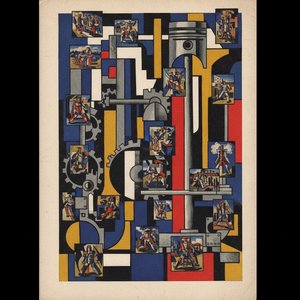
Fernand Léger: Las 25 Obras Maestras del Tubismo y la Vanguardia Francesa | OriginalUniqueArt
Descubre las 25 obras maestras de Fernand Léger, pionero del tubismo y la vanguardia francesa. Explora su estética industrial, composiciones geométricas y vibrantes colores. Reproducciones de arte exclusivas en OriginalUniqueArt.com.
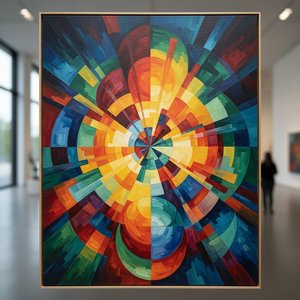
Orfismo: Una Sinfonía de Color y Forma – Explorando las Raíces Abstractas del Arte Moderno
Descubre el Orfismo, un movimiento artístico revolucionario del siglo XX liderado por Robert y Sonia Delaunay. Explora su teoría del color, características clave e influencia en la abstracción con OriginalUniqueArt.
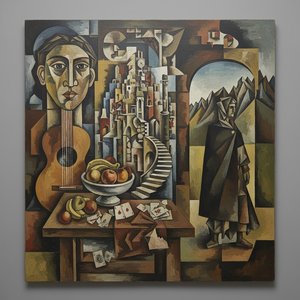
Los 10 Maestros del Cubismo Expresionista: Obras que Transformaron el Arte | OriginalUniqueArt
Descubre los 10 lienzos cubistas más influyentes de Picasso, Braque y otros maestros. Explora la historia, técnica y significado del movimiento artístico que revolucionó el arte moderno. Reproducciones de alta calidad en OriginalUniqueArt.com.