
 Ver en contexto
 Enviar
 Compartir
 Detalles

 Descargar
 Similares
 Radiografía
 Presentación de diapositivas
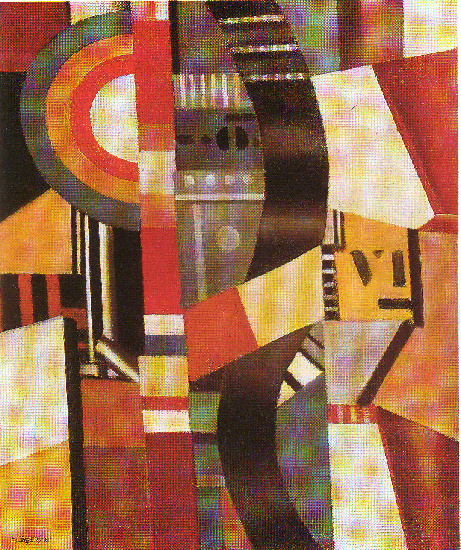
The disc


 Ver más
Adquiera una imagen digital de alta resolución y optimizada, muy superior a la vista previa en línea.
Cada archivo es preparado meticulosamente por nuestros especialistas internos mediante el uso de herramientas avanzadas y un experto retoque manual. Nos aseguramos de que cada imagen posea una claridad excepcional, una precisión cromática impecable y un detalle minucioso.
El archivo final se entrega por correo electrónico en un plazo de 72 horas, optimizado para su uso inmediato en entornos profesionales, editoriales y de impresión. Esta es la misma calidad en la que confían los estudios de diseño, las editoriales y las galerías de primer nivel.
Imagen Digital
Descarga un archivo de alta resolución para exhibición personal, impresión y proyectos creativos. ( Comprar impresión Comprar pintura hecha a mano)
Incluido en cada pedido de imágenes digitales
Entrega digital experta, garantizada.
Al elegir OriginalUniqueArt.com, no solo está adquiriendo una imagen; está recibiendo una obra de arte digital mejorada profesionalmente, elaborada con precisión y respaldada por una garantía de satisfacción. Esto es todo lo que incluye su pedido, automáticamente:

Entrega rápida por email
Recibirá su archivo de imagen digital en alta resolución por correo electrónico en un plazo de 72 horas tras realizar su pedido, listo para su uso inmediato.

Archivo digital optimizado por IA
Su obra de arte se optimiza profesionalmente mediante herramientas avanzadas de IA y edición manual, garantizando el máximo detalle, claridad y precisión cromática.

Reenvío gratuito de por vida
¿Has borrado o perdido tu archivo por error? No te preocupes: te lo volveremos a enviar en cualquier momento, sin coste adicional.

Sin gastos de importación, siempre
Disfrute de su obra de arte al instante sin aduanas, aranceles ni gastos de envío; las descargas digitales siempre están libres de impuestos.

Garantía de fidelidad de color
Garantizamos que su imagen digital refleje los colores originales con la mayor fidelidad posible, mediante el uso de herramientas profesionales y gestión del color.

Garantía de satisfacción de 60 días
Si no está satisfecho con su imagen digital, la revisaremos o le reembolsaremos el 100% en un plazo de 60 días, sin preguntas.

100% Garantía de devolución de dinero
¿No está satisfecho? Obtenga un reembolso completo dentro de los 60 días posteriores a la recepción de su archivo digital, sin necesidad de explicaciones.

Descuentos por pedidos grandes
Compra 3 imágenes, ahorra 10% - Compra 5, ahorra 15% - Compra 10+, ahorra 20%. Ideal para proyectos creativos, galerías y agencias.
A Manifesto in Crimson: The Soul of Fernand Léger’s “The Disc”
In the vibrant landscape of early twentieth-century modernism, few artists captured the rhythmic pulse of the machine age as effectively as Fernand Léger. His 1918 masterpiece, “The Disc,” stands not merely as a portrait of a human face, but as a profound manifesto of a burgeoning movement. Created during the tumultuous years following the devastation of World War I, this artwork embodies Léger's distinctive approach to capturing the transformative influence of industrialization on the human experience. It is an aesthetic philosophy that distinguishes him from many of his contemporaries who sought refuge in pure abstraction; instead, Lélyer chose to integrate modernity—its dynamism, its mechanical forms, and its very essence—into a new visual language that remains as striking today as it was a century ago.
The painting presents a simplified, almost architectural portrait of a man’s face set against a breathtakingly intense crimson backdrop. Léger deliberately eschewed the soft anatomical realism of the past, opting instead for geometric forms and fractured perspectives to convey the true essence of his subject. This compositional strategy mirrors the fragmented realities perceived through the lens of technological advancement, where individual elements are viewed in relation to larger, interconnected systems. Within this scarlet orbit, the artist employs a technique often referred to as “Tubism,” utilizing bold outlines and cylindrical, volumetric forms that lend a palpable sense of weight and solidity to the canvas. The interplay between the deep, emotive red and the bright yellows creates a visual tension that is both stimulating and harmonious, drawing the eye into a dance of primary colors.
The Geometry of Resilience and Modernity
To gaze upon “The Disc” is to witness a masterclass in Cubist principles. Léger dismantates traditional representation, presenting multiple viewpoints simultaneously within a single frame. This layering of planes and textures serves a purpose far greater than mere stylistic flourish; it communicates the inherent dynamism of a mechanized world. The man's face, depicted from various angles, creates an intriguing visual effect that suggests movement even within the stillness of the paint. For the collector or interior designer, this piece offers a commanding presence, acting as a focal point that injects energy and structural precision into any space.
Beyond its technical brilliance, the historical context of the work adds a layer of poignant symbolism. Painted in the wake of the Great War, “The Disc” speaks directly to the psychological impact of conflict on the human psyche. Yet, Léger’s response was not one of despair or mourning. Instead, he envisioned a future shaped by innovation and resilience. The painting reflects a broader cultural preoccupation with rebuilding society amidst technological upheaval, finding beauty in the strength and geometry of the new age. It is an invitation to embrace the bold, the structural, and the vibrant, making it an enduring inspiration for those who find beauty in the intersection of humanity and the industrial spirit.
Biografía del artista
vida temprana y formación
fernand léger, un pintor, escultor y cineasta francés, nació el 4 de febrero de 1881 en Argentán, Orne, Baja Normandía. Su padre criaba ganado, y Léger inicialmente se formó como arquitecto de 1897 a 1899. Luego se mudó a París en 1900, ganándose la vida como dibujante arquitectónico.desarrollo artístico
El trabajo temprano de Léger estuvo influenciado por el impresionismo, como se ve en le jardin de ma mère (mi madre's garden) (1905). Después de asistir a la escuela de artes decorativas y la academia Julian, comenzó a trabajar seriamente como pintor a los 25 años. Su estilo evolucionó hacia una forma personal del cubismo, que los críticos denominaron "tubismo" por su énfasis en las formas cilíndricas.cubismo y el grupo puteaux
En 1910, Léger expuso en el salón de otoño junto a jean metzinger y henri le fauconnier. Se unió al grupo puteaux, también conocido como la sección dorada (la sección de oro), junto con otros artistas como francis picabia y marcel duchamp.guerra y su influencia en el trabajo de léger
Las experiencias de Léger en la Primera Guerra Mundial impactaron significativamente su obra. Durante su tiempo en el frente, produjo dibujos de piezas de artillería, aviones y soldados compañeros. Su pintura soldier with a pipe (1916) refleja este período.obra posterior y legado
La obra posterior de Léger, caracterizada por formas mecánicas y elegantes, lo vinculó a la tradición de la pintura figurativa francesa. Sus paisajes animados de 1921 mostraron figuras y animales en formas armoniosas y aerodinámicas.- ver obras de fernand léger en OriginalUniqueArt
- más sobre fernand léger en wikipedia
- descubra el musée national fernand léger (francia) con OriginalUniqueArt
- la mujer sentada (100 x 81 cm, tubismo)
- elemento de máquina (cubismo)

Fernand Léger
1881 - 1955 , Francia
Breves datos
- Artistas Influenciados Por: ['Pop Art']
- Artistas Que Influyeron:
- Cézanne
- Impresionismo
- Fecha De Nacimiento: 4 de febrero de 1881
- Lugar De Nacimiento: Argentan, Francia
- Movimiento Artístico:
- Cubismo
- Tubismo
- Nacionalidad: Francés
- Nombre Completo: Fernand Léger
- Obras Notables:
- La Mujer Sentada
- Elemento de Máquina
- El Gran Desfile
- Paisajes Animados

