Vista previa
 Compartir
 Compartir
 Ver detalles

 Descargar
 Ver similares
 Radiografía
 Presentación de diapositivas
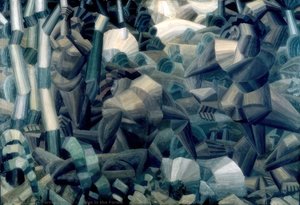
Pylons (study for The City)
 Acrylic On Canvas
- WallArt
- Cubism
 31.0 x 41.0 cm
 Leer más
Reproducción al óleo hecha a mano
Óleo sobre lienzo pintado a mano en el tamaño y marco de su elección, realizado por encargo por nuestros artistas. ( Cambiar a impresión Cambiar a imagen)




P118B $10

P118H $10

P118W $10

P438Z $10

P508JH $12

P508YH $12

P805H $10

P805Z $10

P919BZ $10

P919G $10

P919XJ $10

P959ZH $10

P968JZ $12

W106C $8

W218G $10

W218JH $8

W218Y $10

W307PJ $10

W316G $10

W316PJ $8

W316Y $10

W398PJ $8

W4111J $10

W500HY $15

W500JH $15

W692G $12

W849H $8

W940BG $15

W953PJ $8




Elija entre nuestros tamaños predefinidos que respetan las proporciones originales de la obra.

Puede ingresar sus propias dimensiones para adaptarse a un marco o espacio específico. Si el tamaño seleccionado no coincide con las proporciones de la imagen original, recortaremos la obra o extenderemos la pintura con elementos adicionales pintados a mano. Se le enviará una maqueta digital para su aprobación antes de comenzar la producción.
Tenga en cuenta que la vista previa en pantalla no refleja el recorte o la extensión reales. Solo la maqueta mostrará con precisión la composición final.
Si bien existen tamaños personalizados, recomendamos seleccionar una dimensión de la lista predefinida para preservar las proporciones originales.
Tras realizar el pedido, el equipo de OriginalUniqueArt.com enviará un correo electrónico al cliente para solicitar instrucciones y proporcionarle una vista previa del boceto.
Envío a todo el mundo () en 3-4 semanas en lugar de las 5 semanas estándar. (10 agosto). Sin comprometer la calidad.

Envío exprés gratuito a todo el mundo

Lienzo de lino de alta calidad

Seguro de envío completo

Garantía de reembolso de aranceles aduaneros

Garantía de fidelidad cromática exacta

Política de devolución de 60 días (solo por defectos)

Garantía de devolución del 100% del dinero

Oferta por volumen
 La opción de vidrio solo está disponible en tamaños inferiores a 110 cm.

Pylons (study for The City)
Técnica de reproducción
Tamaño de la reproducción
-


Precio total
$ 300
Descripción de la obra
Fernand Léger’s “Pylons” – A Study in Geometric Rhythm
The painting "Pylons" by Fernand Léger, created sometime between 1926 and 1927, stands as a cornerstone of Léger's exploration into the visual language of abstraction while simultaneously retaining an undeniable connection to the burgeoning fascination with industrial forms that characterized the interwar period. More than just a depiction of urban architecture—though undeniably present—the artwork embodies Léger’s core artistic philosophy: to translate the underlying mathematical principles governing movement and structure into a compelling aesthetic experience. It's a piece that invites contemplation, prompting viewers to consider not merely what is seen but how it feels, resonating with an energy born from disciplined observation and intellectual rigor.Composition and Style – Embracing Geometric Precision
Léger’s distinctive style—often described as “geometric abstraction”—is immediately apparent in "Pylons." The canvas is dominated by towering structures rendered in bold, angular blocks of color—primarily reds, yellows, and blues—that eschew traditional shading techniques. Instead, Léger employs a technique he termed “polychromy,” applying multiple layers of pigment to create textured surfaces that mimic the appearance of industrial materials like concrete and steel. These geometric forms aren’t randomly arranged; they follow a carefully calculated rhythm, mirroring the repetitive patterns found in factory buildings and urban landscapes. The artist deliberately avoids illusionistic depth, prioritizing instead the expressive potential of flattened planes—a conscious rejection of Impressionist ideals and a decisive step toward pure abstraction.Historical Context – The Machine Age Aesthetic
“Pylons” emerged during a period profoundly shaped by technological advancements and anxieties about modernity’s impact on human experience. Léger was deeply influenced by Bauhaus principles, which championed functionalism and geometric simplification as responses to the perceived excesses of Art Nouveau. He actively sought to capture the spirit of the “machine age,” translating its visual vocabulary—the dominance of straight lines, repetitive shapes, and metallic hues—into a new artistic idiom. The painting reflects not only Léger’s personal aesthetic preferences but also broader cultural trends that celebrated industrial progress while grappling with concerns about dehumanization and alienation.Symbolism – Rhythm and Structure as Expressions of Order
Beyond its formal qualities, “Pylons” carries symbolic weight. The pylons themselves—ancient Egyptian monumental structures—represent stability and permanence amidst the perceived chaos of urban life. Léger’s use of geometric forms isn't merely decorative; it symbolizes the underlying order and rationality that he believed underpinned the universe. The bold colors contribute to this sense of dynamism, conveying an energetic pulse that contrasts with the stillness of traditional landscapes. By distilling architectural elements into simplified shapes, Léger elevates them beyond mere representation, transforming them into emblems of human ingenuity and artistic vision.Emotional Impact – A Quiet Intensity
Despite its apparent simplicity, “Pylons” possesses a remarkable emotional depth. The painting’s assertive palette and rhythmic composition generate an unsettling yet captivating tension—a feeling akin to confronting the monumental scale of industrial architecture. Léger's deliberate avoidance of illusionistic depth forces viewers to engage with the artwork on a purely perceptual level, prompting them to consider its formal qualities as expressions of inner experience. Ultimately, “Pylons” communicates a profound appreciation for precision and structure—a testament to Léger’s unwavering belief in the transformative power of art to illuminate the complexities of the modern world. It remains an enduring symbol of Léger's artistic legacy and a captivating example of geometric abstraction at its most eloquent.Biografía del artista
vida temprana y formación
fernand léger, un pintor, escultor y cineasta francés, nació el 4 de febrero de 1881 en Argentán, Orne, Baja Normandía. Su padre criaba ganado, y Léger inicialmente se formó como arquitecto de 1897 a 1899. Luego se mudó a París en 1900, ganándose la vida como dibujante arquitectónico.desarrollo artístico
El trabajo temprano de Léger estuvo influenciado por el impresionismo, como se ve en le jardin de ma mère (mi madre's garden) (1905). Después de asistir a la escuela de artes decorativas y la academia Julian, comenzó a trabajar seriamente como pintor a los 25 años. Su estilo evolucionó hacia una forma personal del cubismo, que los críticos denominaron "tubismo" por su énfasis en las formas cilíndricas.cubismo y el grupo puteaux
En 1910, Léger expuso en el salón de otoño junto a jean metzinger y henri le fauconnier. Se unió al grupo puteaux, también conocido como la sección dorada (la sección de oro), junto con otros artistas como francis picabia y marcel duchamp.guerra y su influencia en el trabajo de léger
Las experiencias de Léger en la Primera Guerra Mundial impactaron significativamente su obra. Durante su tiempo en el frente, produjo dibujos de piezas de artillería, aviones y soldados compañeros. Su pintura soldier with a pipe (1916) refleja este período.obra posterior y legado
La obra posterior de Léger, caracterizada por formas mecánicas y elegantes, lo vinculó a la tradición de la pintura figurativa francesa. Sus paisajes animados de 1921 mostraron figuras y animales en formas armoniosas y aerodinámicas.- ver obras de fernand léger en OriginalUniqueArt
- más sobre fernand léger en wikipedia
- descubra el musée national fernand léger (francia) con OriginalUniqueArt
- la mujer sentada (100 x 81 cm, tubismo)
- elemento de máquina (cubismo)

Fernand Léger
1881 - 1955 , Francia
Datos clave
- Artistas Influenciados Por: ['Pop Art']
- Artistas Que Influyeron:
- Cézanne
- Impresionismo
- Fecha De Nacimiento: 4 de febrero de 1881
- Lugar De Nacimiento: Argentan, Francia
- Movimiento Artístico:
- Cubismo
- Tubismo
- Nacionalidad: Francés
- Nombre Completo: Fernand Léger
- Obras Notables:
- La Mujer Sentada
- Elemento de Máquina
- El Gran Desfile
- Paisajes Animados
Artículos relacionados
Urban Visions: A Historical & Artistic Exploration of the Cityscape in Painting
Explore the evolution of cityscape painting from historical maps to Impressionist masterpieces. Discover artists like Caillebotte, Utrillo & Matsumoto Shunsuke. Find museum-quality reproductions at OriginalUniqueArt.

Alfred Worthington: Bridging Victorian Realism & Early Modern Landscape Painting
Explore the captivating landscapes of Alfred Worthington (1834-1927), a pivotal figure bridging Victorian realism & early Impressionism. Discover his Welsh hunting scenes, artistic evolution, and collecting guide.
Stephen Chaplin: A Study in Light, Form & Emotional Space in Contemporary Landscape Painting
Explore the captivating landscape paintings of Stephen Chaplin, renowned for his 'Treatment in Minors' series & unique blend of Pop Art and historical realism. Discover his artistic journey & emotional depth.

Concrete Visions: Exploring the Urban Landscape in Painting – From Realism to Contemporary Art
Explore the evolution of cityscape painting from Realism to contemporary art with OriginalUniqueArt. Discover key artists & invest in timeless urban visions. Expert guidance, museum-quality reproductions.

Ronald Ossory Dunlop: A Study in Early Canadian Modernism & Evocative Landscape Painting
Discover the captivating world of Ronald Ossory Dunlop, a pivotal Irish painter known for his 'alla prima' landscapes & emotive portraits. Explore his life, techniques, and key artworks with OriginalUniqueArt.