- Inicio

- Reproducción al óleo
- Fernand Léger
- Green Leaf
 Comprar impresión Comprar imagen en alta resolución
 Enviar
 Compartir
 Detalles
 Añadir a favoritos

 Descargar
 Similares
 Radiografía
 Presentación de diapositivas
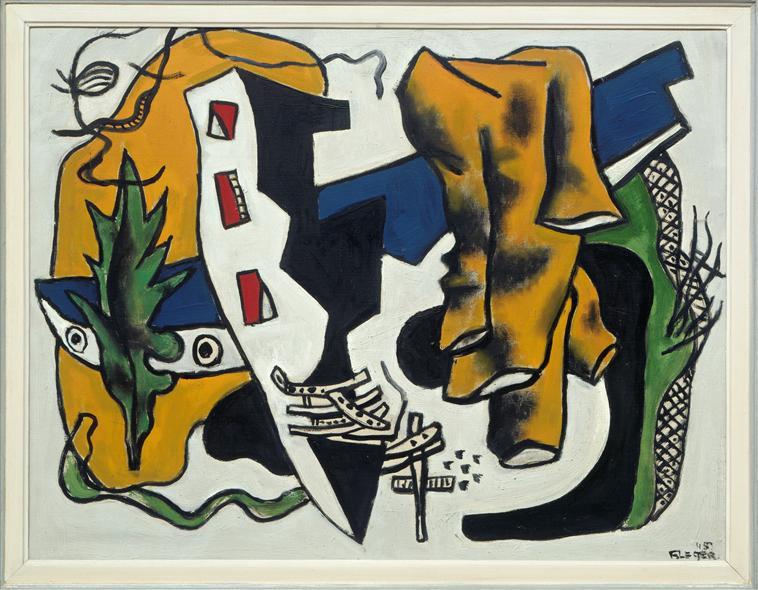
Green Leaf
 Acrylic On Canvas
- WallArt
- Cubist Abstraction
 1945
1945 50.0 x 65.0 cm
 Ver más
Reproducción al óleo hecha a mano
Óleo sobre lienzo pintado a mano en el tamaño y marco de su elección, realizado por encargo por nuestros artistas.




P118B $10

P118H $10

P118W $10

P438Z $10

P508JH $12

P508YH $12

P805H $10

P805Z $10

P919BZ $10

P919G $10

P919XJ $10

P959ZH $10

P968JZ $12

W106C $8

W218G $10

W218JH $8

W218Y $10

W307PJ $10

W316G $10

W316PJ $8

W316Y $10

W398PJ $8

W4111J $10

W500HY $15

W500JH $15

W692G $12

W849H $8

W940BG $15

W953PJ $8




Elija entre nuestros tamaños predefinidos que respetan las proporciones originales de la obra.

Puede ingresar sus propias dimensiones para adaptarse a un marco o espacio específico. Si el tamaño seleccionado no coincide con las proporciones de la imagen original, recortaremos la obra o extenderemos la pintura con elementos adicionales pintados a mano. Se le enviará una maqueta digital para su aprobación antes de comenzar la producción.
Tenga en cuenta que la vista previa en pantalla no refleja el recorte o la extensión reales. Solo la maqueta mostrará con precisión la composición final.
Si bien existen tamaños personalizados, recomendamos seleccionar una dimensión de la lista predefinida para preservar las proporciones originales.
Tras realizar el pedido, el equipo de OriginalUniqueArt.com enviará un correo electrónico al cliente para solicitar instrucciones y proporcionarle una vista previa del boceto.
Entrega mundial () en 3-4 semanas en lugar de las 5 semanas estándar. (17 julio). Sin compromisos con la calidad.

Envío exprés gratuito a todo el mundo

Lienzo de lino de alta calidad

Seguro de envío total

Garantía de reembolso de impuestos aduaneros

Garantía de fidelidad de color

Política de devolución de 60 días (solo por defectos)

Garantía de devolución del 100% del dinero

Descuento por pedido múltiple
 La opción de vidrio solo está disponible en tamaños inferiores a 110 cm.

Green Leaf
Técnica de reproducción
Tamaño de la reproducción
-


Precio total final
-
Descripción de la obra
A Vibrant Echo of Modernity: Fernand Léger’s “Green Leaf”
Fernand Léger's "Green Leaf," painted in 1945, is more than just a colorful abstraction; it’s a potent distillation of the artist’s lifelong fascination with the burgeoning machine age and its impact on human experience. Executed during a period of significant social and technological transformation, this work embodies Léger’s signature style – a bold synthesis of geometric forms, vibrant color palettes, and a deeply rooted engagement with industrial aesthetics. Measuring 50 x 65 cm, the painting immediately commands attention with its dynamic composition and energetic application of pigment.
- Subject Matter: The scene presents a fragmented cityscape dominated by angular buildings, reflecting Léger’s preoccupation with urban development and the rise of industrial architecture. A solitary figure adds a human element to this mechanical landscape, prompting contemplation on the relationship between humanity and technology.
- Color Palette: The artist masterfully employs a spectrum of hues – yellows, blues, greens, reds, and whites – creating a visually arresting effect that is both harmonious and deliberately jarring. This chromatic intensity mirrors the energy and dynamism he sought to capture.
- Technique: Léger’s technique is characterized by broad, gestural brushstrokes and a deliberate layering of paint, resulting in a textured surface that adds depth and physicality to the composition. The knife used in the lower part of the artwork introduces an element of controlled chaos, further emphasizing the painting's dynamic nature.
The Legacy of “Forged in Form”
Born Joseph Fernand Henri Léger in 1881 in Argentan, Normandy, Léger’s artistic journey was profoundly shaped by his rural upbringing and subsequent immersion in the vibrant art scene of Paris. Initially drawn to architecture, he transitioned to painting after arriving in Paris around 1900, a pivotal moment that set him on a path to become one of the most influential figures in early 20th-century modernism. Léger’s work, as articulated in his own biography "A Life Forged in Form," represents a deliberate rejection of purely representational art. Instead, he sought to translate the perceived order and rhythm of machines – their precise lines, repetitive forms, and inherent energy – into a new artistic language. This approach was revolutionary at the time, aligning him with the broader movement towards abstraction while simultaneously grounding it in tangible observations of the modern world.
Symbolism and Interpretation
Within “Green Leaf,” several symbolic elements contribute to its layered meaning. The prominent buildings represent the increasing dominance of industry and urban life, while the knife, a tool associated with both creation and destruction, introduces an element of tension and uncertainty. The inclusion of a human figure suggests the impact of these changes on individuals – their adaptation, resistance, or integration into this new reality. The titular “Green Leaf” could be interpreted as a symbol of nature struggling to survive amidst the encroaching forces of industrialization, adding another layer of complexity to the artwork’s narrative.
A Statement for the Ages
"Green Leaf" is more than just a beautiful painting; it's a powerful statement about modernity and its impact on human life. Fernand Léger’s ability to translate the energy of the machine age into a visually compelling abstract composition ensures that this work remains relevant and engaging for art lovers, collectors, and interior designers alike. This hand-painted reproduction offers an exceptional opportunity to own a piece of art history – a vibrant echo of a pivotal moment in modern artistic expression.
Biografía del artista
vida temprana y formación
fernand léger, un pintor, escultor y cineasta francés, nació el 4 de febrero de 1881 en Argentán, Orne, Baja Normandía. Su padre criaba ganado, y Léger inicialmente se formó como arquitecto de 1897 a 1899. Luego se mudó a París en 1900, ganándose la vida como dibujante arquitectónico.desarrollo artístico
El trabajo temprano de Léger estuvo influenciado por el impresionismo, como se ve en le jardin de ma mère (mi madre's garden) (1905). Después de asistir a la escuela de artes decorativas y la academia Julian, comenzó a trabajar seriamente como pintor a los 25 años. Su estilo evolucionó hacia una forma personal del cubismo, que los críticos denominaron "tubismo" por su énfasis en las formas cilíndricas.cubismo y el grupo puteaux
En 1910, Léger expuso en el salón de otoño junto a jean metzinger y henri le fauconnier. Se unió al grupo puteaux, también conocido como la sección dorada (la sección de oro), junto con otros artistas como francis picabia y marcel duchamp.guerra y su influencia en el trabajo de léger
Las experiencias de Léger en la Primera Guerra Mundial impactaron significativamente su obra. Durante su tiempo en el frente, produjo dibujos de piezas de artillería, aviones y soldados compañeros. Su pintura soldier with a pipe (1916) refleja este período.obra posterior y legado
La obra posterior de Léger, caracterizada por formas mecánicas y elegantes, lo vinculó a la tradición de la pintura figurativa francesa. Sus paisajes animados de 1921 mostraron figuras y animales en formas armoniosas y aerodinámicas.- ver obras de fernand léger en OriginalUniqueArt
- más sobre fernand léger en wikipedia
- descubra el musée national fernand léger (francia) con OriginalUniqueArt
- la mujer sentada (100 x 81 cm, tubismo)
- elemento de máquina (cubismo)

Fernand Léger
1881 - 1955 , Francia
Datos clave
- Artistas Influenciados Por: ['Pop Art']
- Artistas Que Influyeron:
- Cézanne
- Impresionismo
- Fecha De Nacimiento: 4 de febrero de 1881
- Lugar De Nacimiento: Argentan, Francia
- Movimiento Artístico:
- Cubismo
- Tubismo
- Nacionalidad: Francés
- Nombre Completo: Fernand Léger
- Obras Notables:
- La Mujer Sentada
- Elemento de Máquina
- El Gran Desfile
- Paisajes Animados
Artículos relacionados
Joan Miró: Las 25 Obras Maestras del Genio Catalán | Arte y Decoración
Descubre las 25 obras maestras de Joan Miró, el genio del surrealismo catalán. Explora su arte abstracto, colores vibrantes y la historia detrás de cada cuadro. Reproducciones de alta calidad en OriginalUniqueArt.com para transformar tu hogar con arte original.

Henri Matisse: Las 25 Obras Maestras que Definieron un Genio del Color | OriginalUniqueArt
Descubre las 25 obras maestras de Henri Matisse, el rey del color y padre del fauvismo. Explora su arte moderno, lienzos vibrantes y la historia detrás de cada pintura icónica. Encuentra reproducciones de alta calidad en OriginalUniqueArt.com.
Los 10 Maestros del Cubismo: Obras que Revolucionaron el Arte |
Descubre los 10 lienzos cubistas que revolucionaron el arte moderno. Explora la historia de Picasso, Braque y otros maestros del cubismo en . Reproducciones de alta calidad para tu hogar.
Los 10 Maestros del Cubismo Expresionista: Obras que Transformaron el Arte | OriginalUniqueArt
Descubre los 10 lienzos cubistas más influyentes de Picasso, Braque y otros maestros. Explora la historia, técnica y significado del movimiento artístico que revolucionó el arte moderno. Reproducciones de alta calidad en OriginalUniqueArt.com.

Abstracción Geométrica: 10 Obras Maestras que Transformaron el Arte Moderno | OriginalUniqueArt
Descubre las 10 obras maestras de la abstracción geométrica que revolucionaron el arte moderno. Explora a Mondrian, Malevich y Kandinsky en OriginalUniqueArt.com. Reproducciones de alta calidad para tu hogar.